

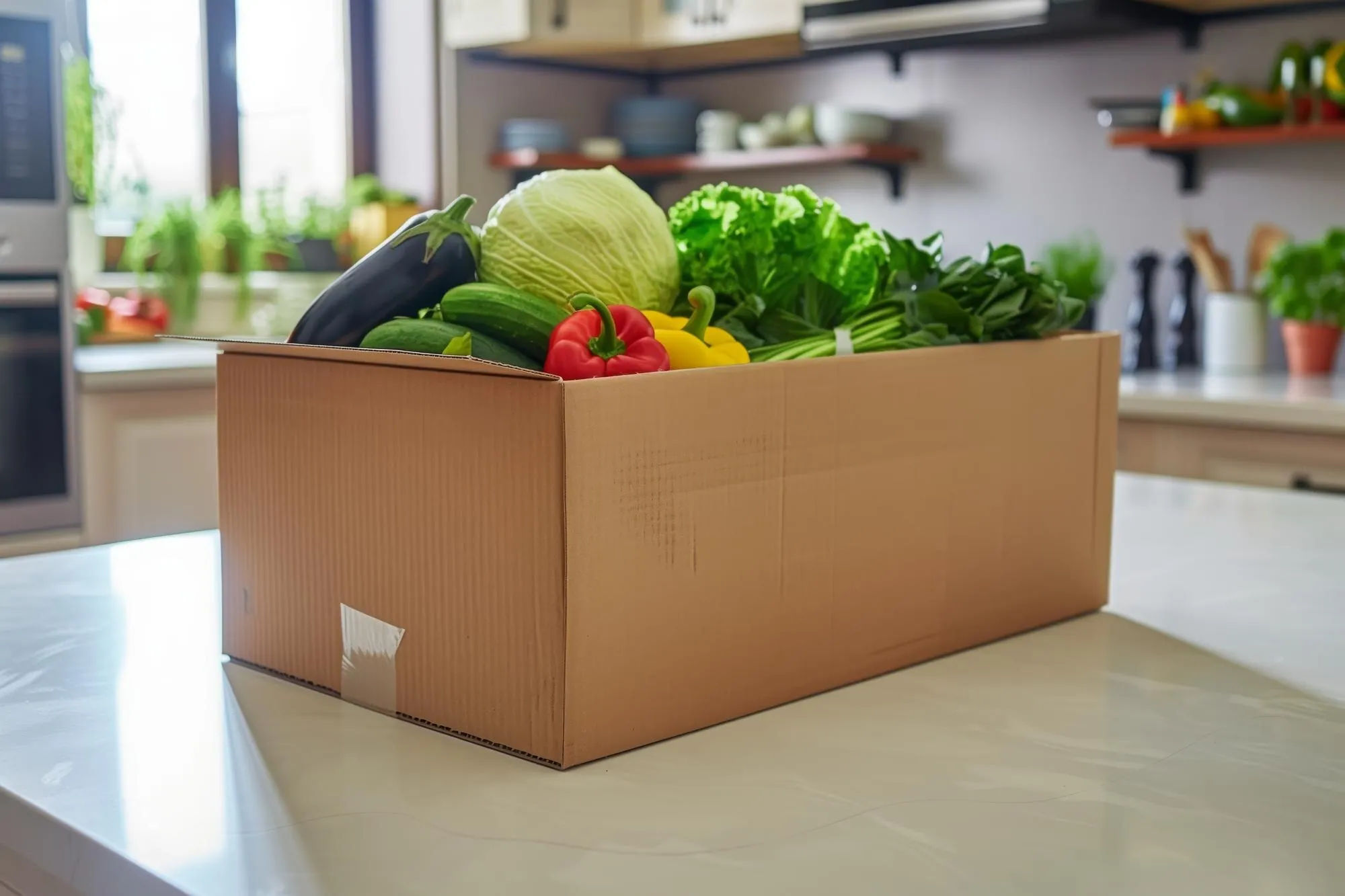
The cheapest alternative to HelloFresh is usually not another box: it is a weekly dinner plan and a grocery list you shop from yourself. If you still want food delivered, a budget meal kit such as EveryPlate or Dinnerly is the common step down, and services like Hungryroot let you set a budget. The honest way to compare any of them is cost per serving, including shipping, against what the same dinners cost from the supermarket.
Why people look for something cheaper
A meal kit sells convenience: pre-portioned ingredients, a recipe card and no decisions about what to cook. You pay for that in the per-serving price, in a shipping fee on each box, and sometimes in packaging and waste. When the budget gets tight, the question shifts from "which kit is best" to "which parts of the convenience do I actually need".
Prices differ by plan size, number of meals per week, delivery region, shipping and promotions, and the first boxes are often discounted. That is why this guide does not quote kit prices as facts. Check the number on each company's checkout page before you decide, and use the formula below to compare.
Compare cost per serving, not the headline price
Use one formula for every option:
(box price + shipping) ÷ number of servings = cost per serving
Here is the arithmetic with made-up round numbers, not real prices: a box that costs $60 plus $10 shipping and feeds you for six servings is $70 ÷ 6, about $11.67 per serving. If you buy the same six dinners at the supermarket for $42, that is $7 per serving. Swap in your real figures from the checkout page and from your last receipts.
Three things change the result:
Shipping and fees. A low per-serving price can look very different once a per-box shipping fee is added.
Promotions. An introductory discount lowers the first boxes only. Compare the regular price.
Waste. A kit sends exactly what a recipe needs, which can cut waste. Your own plan can do the same if it reuses ingredients across the week.
Option 1: budget meal kits
If you like the box format and want it cheaper, look at kits positioned on price. EveryPlate is a lower-priced brand from the HelloFresh group, and Dinnerly also targets budget-minded cooks. Others, such as Home Chef and Blue Apron, sit closer to the mainstream. Typical trade-offs of cheaper kits are simpler recipes, fewer choices on the menu and fewer premium proteins.
Best for: people who want zero planning and are mostly looking for a lower weekly total.
Watch out for: shipping per box, plans that renew unless you skip a week, and the cost of cooking the same few ingredients in different forms.
Option 2: flexible grocery delivery
Not every box has to be a fixed recipe. Hungryroot describes its service as groceries and recipes picked around your preferences, and its site says you set the budget and it sticks to it. That is closer to a grocery order than a classic kit.
Best for: people who want help choosing groceries and quick meals rather than strict recipe cards.
Watch out for: how the budget interacts with shipping thresholds, and whether the items you receive match what you would buy yourself.
Option 3: ready-to-eat meals
Services like Factor deliver prepared meals you heat up. This saves the most time and usually costs the most per serving, so it is a different category from cheaper meal kits. It makes sense for a few busy nights, not as the main way to cut a food budget.
Option 4: your own weekly plan and grocery list
This is the option most cheaper-than-HelloFresh searches are really about. The kit does three jobs: it picks the recipes, it counts the ingredients, and it delivers them. You can do the first two yourself and shop where you already shop.

A simple routine:
Pick 4–5 dinners for the week. Choose recipes that share ingredients, such as one tray of roasted vegetables used in two meals.
Check what you already have. Anything in the fridge or pantry comes off the list.
Build one grocery list. Merge duplicates so "two onions" and "one onion" become one line. Our guide on how to make a grocery list from a weekly meal plan walks through it.
Shop once. One trip avoids impulse buys and shipping fees.
Cook in the order of freshness. Use delicate vegetables and fish early, sturdier ingredients later.
Which option fits you
You want the lowest cost and can spend 20 minutes planning: your own plan and grocery list.
You want a box but a smaller bill: a budget meal kit; compare cost per serving with shipping.
You want help picking groceries, not recipe cards: a flexible grocery service where you set a budget.
You need a few zero-effort nights: ready-to-eat meals, used sparingly.
You cook for one: check minimum plan sizes. Kits are built around two or four servings.
Many households mix: a kit once in a while for variety and a planned grocery shop for the rest.
Where Dishday fits
Dishday covers the planning half of the DIY route. You pick recipes or plan the week, and the app builds one grocery list from them, sorted by supermarket aisle. You can import recipes you find online with the Share button and add items by voice from the Apple Watch app. The App Store lists it as free to download with in-app purchases, and it is available on iPhone. It does not deliver food or sell groceries: you still shop and cook yourself. See the grocery list page, the meal planner page or get it on the App Store.
If you only need a list tool, compare options in our best grocery list apps. For planning, see the best dinner planner apps.

How to test before you cancel anything
Price one week both ways
Take a week of kit recipes and price the same ingredients in your supermarket's app or on a recent receipt. Include the shipping fee on the kit side. The gap is your real saving, or your real cost of convenience.
Count the leftovers
Note how many ingredients go unused in a week, in the box and in your own shopping. If your plan wastes more than the kit does, add overlap between recipes before you blame the supermarket.
Skip, do not cancel, first
Most kit services let you skip weeks. Try a month of planning your own dinners while the subscription is paused, then decide.
Frequently asked questions
What is the cheapest alternative to HelloFresh?
Usually your own plan and grocery list, because you pay supermarket prices with no shipping fee. Among kits, budget brands such as EveryPlate and Dinnerly are the common cheaper options; confirm current prices at checkout.
Is HelloFresh cheaper than buying groceries?
For most households, groceries for the same meals cost less per serving, because a kit includes portioning, packaging and delivery. A kit can still make sense if it replaces takeout or prevents food waste. Run the cost-per-serving formula with your own numbers.
Are there meal kits similar to HelloFresh?
Yes: EveryPlate, Dinnerly, Home Chef and Blue Apron all send ingredients with recipes. They differ in menu variety, price positioning and shipping, so compare them on the same number of servings.
Can I get the kit experience without the box?
Yes. Choose a few recipes, let an app merge their ingredients into one grocery list, and shop once. You keep the "no daily decision" part and drop the delivery cost.
Do meal plans or apps check allergies?
No. Always read the labels and check allergens yourself, whether you use a kit, a grocery order or an app.
Try one week of your own plan
Plan four dinners, make one grocery list and price the trip. If the total beats your last box, keep going. To build the list straight from your recipes, try Dishday on the App Store.