
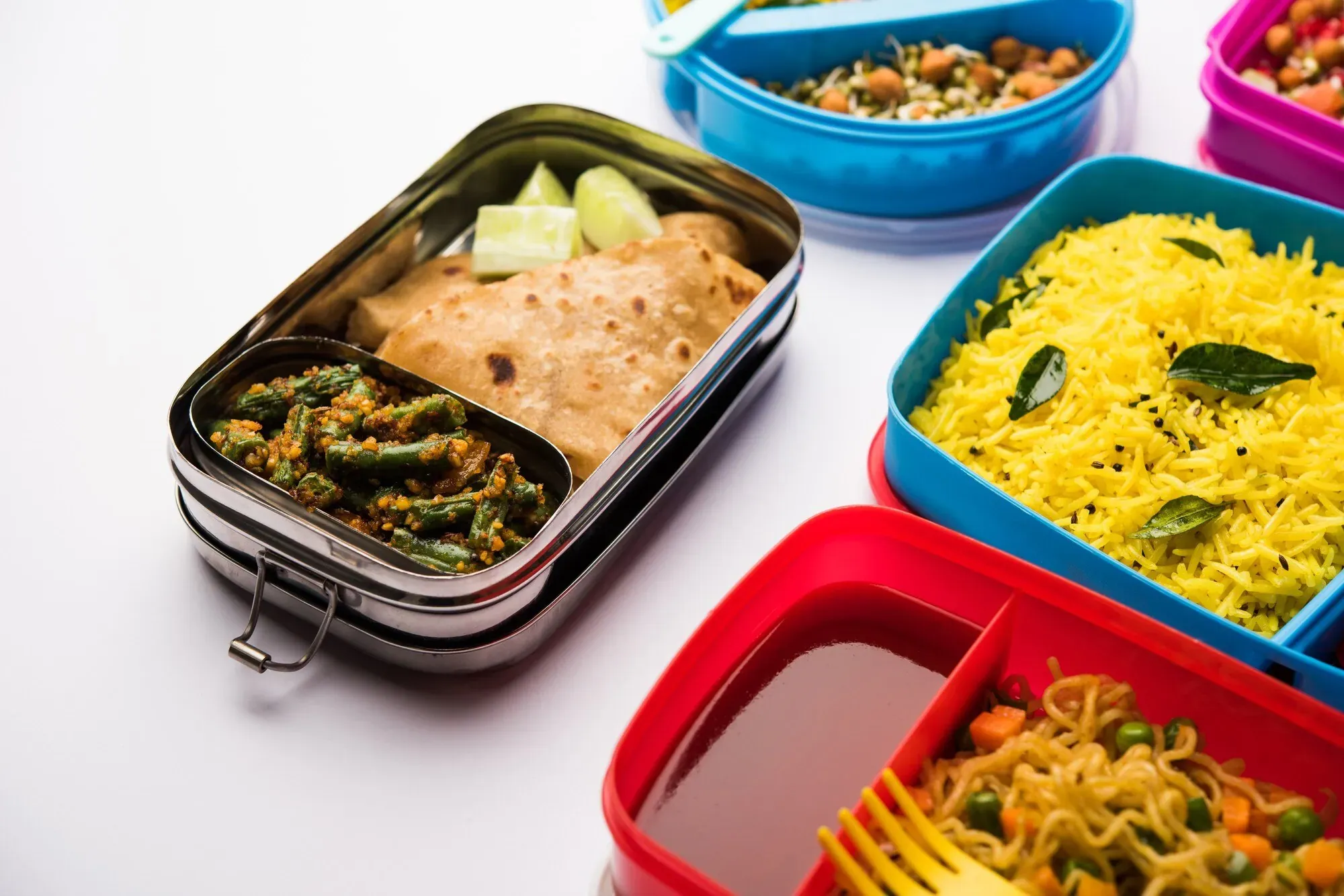
The best Indian school lunch box ideas are repeatable tiffin combinations, not a new recipe every morning. Start with one filling main, add fruit or vegetables, and include a familiar component your child is likely to finish. A tiffin should fit the school schedule, lunch break, temperature control, allergies, and the child's appetite—not an idealized photograph.
Start with a tiffin formula, not a perfect menu
A simple formula is one filling base + one fresh or crunchy side + one familiar extra. The base might be roti, rice, idli, dosa, paratha, chilla, khichdi, or leftovers. The side may be fruit, cucumber, carrots, or a dry snack. This is practical planning, not nutrition or medical advice; individual allergies, cultural preferences, medical needs, and school rules come first.
Make each part easy to pack and eat
Before choosing recipes, ask what will happen to the box. Will it go into a refrigerator? Is there a microwave? How long is the commute? Does the child need a fork? Which textures survive until lunch? One reliable answer to those questions is more valuable than a long list of dishes that only work on a quiet weekend.

Keep the parts recognizable. A lunchbox can introduce a small new food, but it should also contain enough familiar food to make lunch low pressure. Pack wet chutneys, curd, and curries separately when appropriate. If a child repeatedly brings a component home, change the format or portion instead of assuming the child needs more persuasion.
Ten flexible Indian school tiffin formulas
Roti roll with paneer or chickpeas
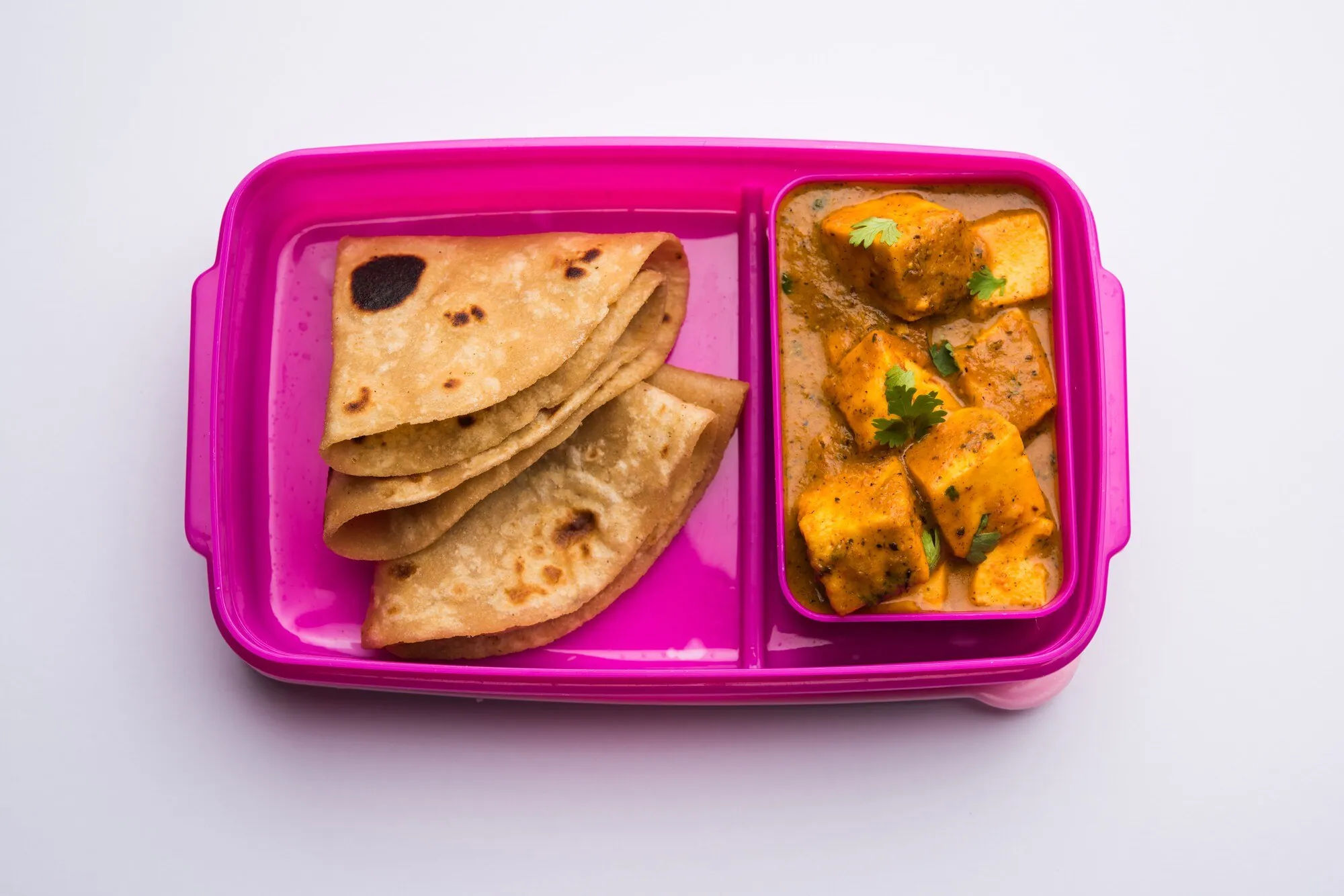
Spread a lightly seasoned paneer, chana, egg, or vegetable filling across a soft roti, then roll it tightly and cut it into manageable pieces. Add cucumber, carrot sticks, or fruit on the side. Keep sauces modest so the roll stays easy to hold. This is a useful formula because the filling can change with leftovers and the child can eat it without a fork.
Lemon rice with a protein side
Lemon rice travels well when it is cooled promptly, packed in a clean container, and paired with a familiar protein such as roasted chickpeas, egg, paneer, yogurt where refrigeration is reliable, or a small dal portion in a separate leakproof cup. Add fruit rather than trying to build every food group into one compartment. Adjust spice, texture, and portion to the child, not to a social-media lunchbox.
Idli with chutney packed separately
Idli is easy for many children to pick up and portion. Pack a mild chutney, sambar, or yogurt-based dip separately only when you can keep it safely cold or hot as appropriate. A piece of fruit and a familiar dry snack can make the box feel complete. If the school day is long, use an insulated bag and an ice pack for perishable additions.
Vegetable paratha with plain yogurt
A vegetable paratha is a compact way to use grated carrot, spinach, potato, peas, or leftover cooked vegetables. Let it cool before packing so steam does not make the container damp. Pack yogurt only if it can stay cold; otherwise pair the paratha with fruit or a dry side. For a hesitant eater, keep the filling familiar and serve a small new element separately.
Moong dal chilla triangles
Chilla can be cooked the evening before and cut into triangles for a less messy lunch. Fill it with a little paneer or vegetables only when the texture will still be welcome cold. Pair it with fruit, sliced vegetables, or a small container of a dip your child already accepts. The useful choice is not the most elaborate batter; it is the version your morning can repeat.
Pulao with peas and a crunchy side
A mild vegetable pulao gives you an adaptable base for peas, carrots, corn, beans, or small pieces of paneer. Pack it with cucumber, roasted makhana, or fruit for contrast. Avoid making the lunch too wet, especially when the box may sit in a backpack. If the child dislikes mixed textures, pack rice and vegetables in separate compartments instead of assuming they need to be mixed.
Dosa strips with a dry filling
A plain or lightly filled dosa cut into strips can be easier to manage than a whole dosa. A dry potato, paneer, or lentil filling travels more reliably than a very saucy one. Add a fruit and a familiar crunchy item. If you include chutney, use a tiny leakproof container and test it at home first; a lunch that spills once is often rejected forever.
Khichdi in a food jar
A warm food jar can make khichdi, dal-rice, or a mild vegetable dish realistic for a school day, but only if the jar is preheated and the food is packed hot according to its manufacturer instructions. Add a dry side such as roti pieces or crackers and fruit. Do not rely on a food jar to rescue food that was left out too long; time and temperature still matter.
Besan cheela or savory muffins
Besan cheela, baked egg muffins, or small savory vegetable muffins give the box a handheld component that can be made in batches. Choose one base and vary the vegetables or seasoning gently across the week. Add a fruit, cucumber, or a small dry snack. This is particularly helpful on mornings when the main goal is getting everyone out the door without making a separate meal.
Leftover curry, packed on purpose
A small portion of leftover dry sabzi with roti, rice, or paratha can be a good school lunch when it was cooled and refrigerated promptly, will be kept at a safe temperature, and is something the child wants to eat. Pack components separately if that prevents sogginess. Planning leftovers into the next day is more useful than making an aspirational tiffin that no one opens.
Keep school lunch safe and realistic
Build a two- or three-day rotation rather than five identical boxes. Cooked rice, a dry vegetable, rotis, chopped fruit, and one protein can often become several lunches with small changes. This lowers morning effort and can reduce waste, while still leaving room for a changed plan or a child who wants yesterday's favorite again.
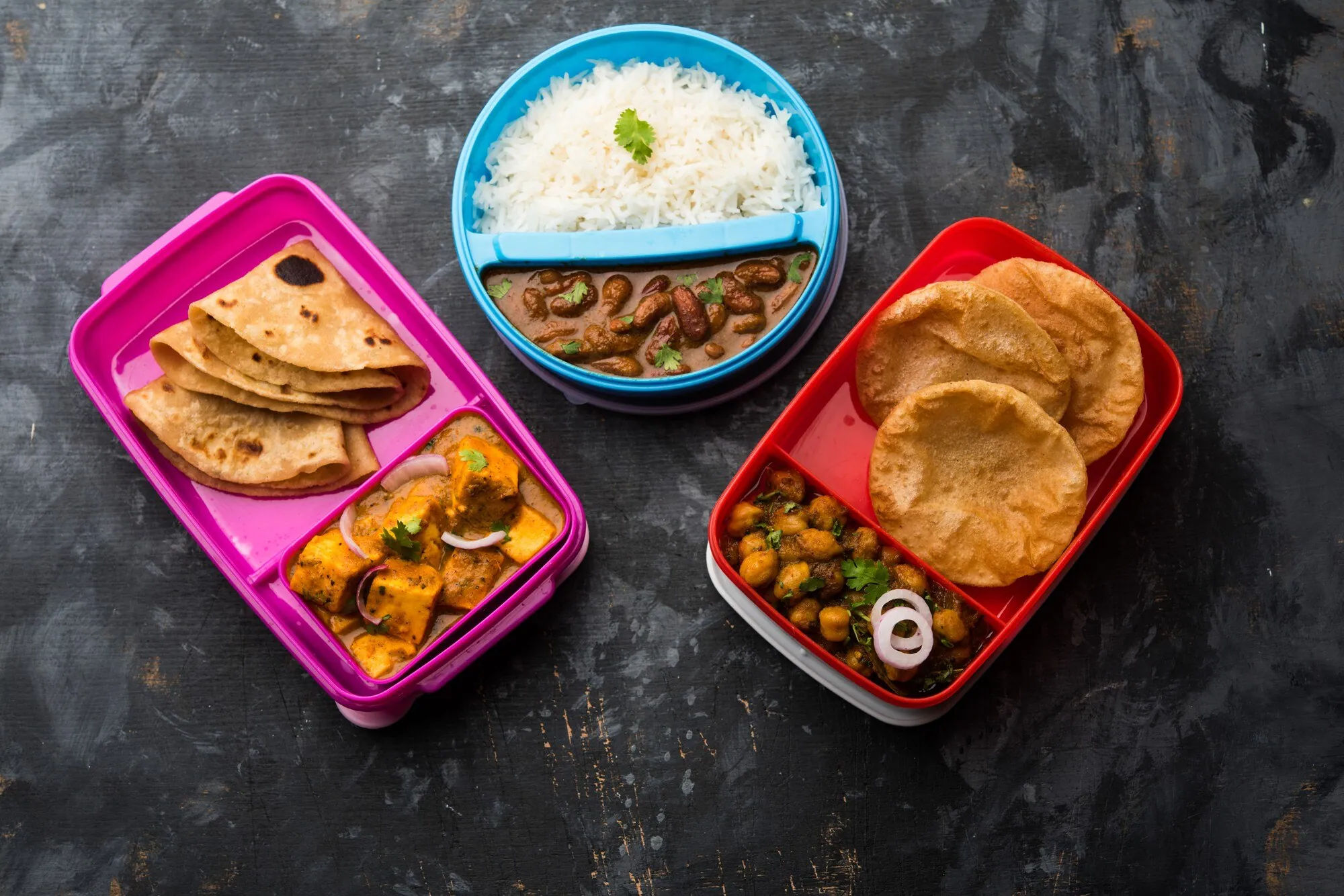
Perishable foods need temperature control. Use a clean insulated bag with cold sources when food cannot go straight into a refrigerator, and use a food jar only for meals packed hot. The USDA's food-safety basics are a useful general reference; your school may also have rules about refrigeration, allergies, and sharing food.
Plan repeatable tiffins in Dishday
Save the combinations that work, schedule them on school days in the Dishday meal planner, and turn shared ingredients into one grocery list. For another age-specific packing approach, see school lunch ideas for teens. Dishday can help organize recipes and shopping, but it cannot check allergens or confirm whether food stayed at a safe temperature.
Frequently asked questions
Can I pack an Indian school lunch the night before?
Yes, when you cool and refrigerate perishable food promptly, keep wet and dry components separate, and add cold sources in the morning if the school day lacks reliable refrigeration. Pack hot food into a preheated food jar in the morning rather than leaving it out overnight.
What can I pack if my child does not like spicy food?
Use the same formulas with mild seasoning and familiar fillings: plain paratha, rice with peas, idli, roti and paneer, chilla, fruit, and crunchy vegetables. Add heat at the table for adults rather than making the child's lunch the test case.
How do I stop a tiffin from becoming soggy?
Cool cooked foods before closing the box, use leakproof containers for chutney or curry, and keep crisp items separate. A dry filling often travels better than a saucy one. Test any new packing method at home before relying on it on a busy school day.
How many school lunches should I prep at once?
Two or three is a practical starting point. It saves decisions without locking the family into food the child may not want by Friday. Keep flexible ingredients and an easy backup for changes in schedule.
Make tomorrow morning easier
Choose one formula for tomorrow, then prepare only the parts it needs. A short rotation is easier to use than an ambitious menu, and a tiffin that returns empty is better evidence than a perfect plan on paper. Download Dishday on the App Store when you want school lunches and the week's groceries in one place.