
The best school lunch ideas for teens are not miniature children’s lunches. They are portable meals with enough food to carry a long class day: a filling anchor, produce or another easy side, and a second item that makes the meal feel complete. Give the teen a small amount of choice, pack food they can open and eat quickly, and keep cold food cold. A realistic lunch also respects the actual schedule: a ten-minute break, a club meeting, a bus ride or afternoon practice all change what will be useful.
Build a lunch a teenager will actually carry
Start with a filling anchor
A useful starting point is one anchor + two supports + a drink. The anchor might be a sandwich, wrap, pasta, rice, beans, eggs, yogurt, chicken, tofu, or leftovers. The supports can be fruit, vegetables, cheese, crackers, nuts or seeds where school rules allow, and something small they genuinely enjoy. This is a planning formula, not a nutrition prescription; allergies, sports needs, medical conditions and school rules need individual attention.
Add two supporting parts
Teenagers often need more food than a younger child, but appetite changes from day to day. Start with a portion that looks like a modest meal plus an extra side they can save for later. A lunch that is too elaborate, awkward to eat or packed in a tiny container is more likely to come home untouched than a familiar, generous combination.
Use the actual school day as a packing checklist. Is lunch before or after physical education? Is there a long gap before the bus home? Does the teen have time to eat with a fork, or only enough time for food they can hold? The answers can change the useful portion and format without turning lunch into a nutrition calculation. It is also worth checking whether reusable cutlery, a napkin, a water bottle, and an ice pack make the meal easier to use rather than merely better on paper.
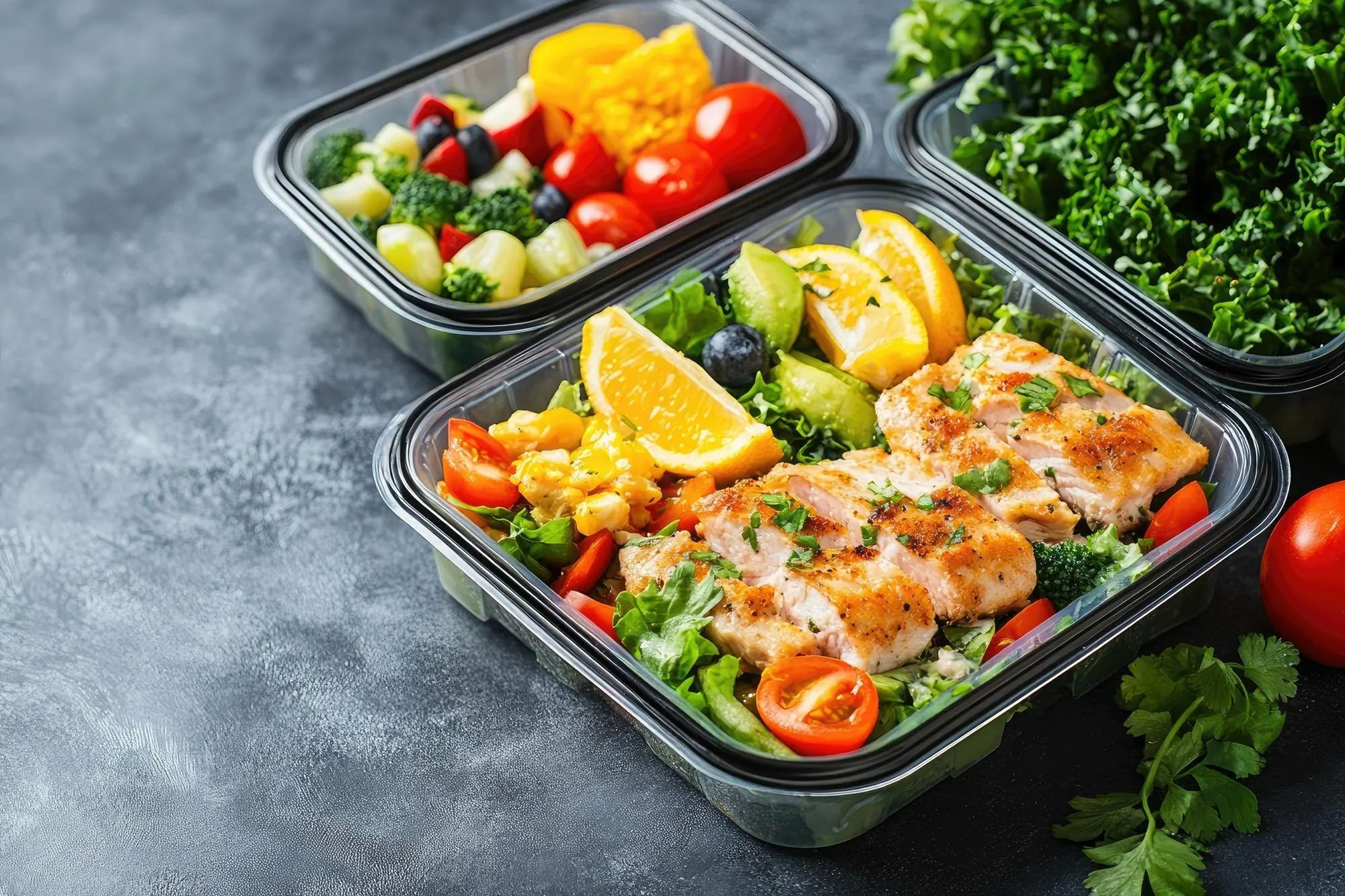
Ten lunchbox formulas for busy school days
Sandwich plus crunchy sides
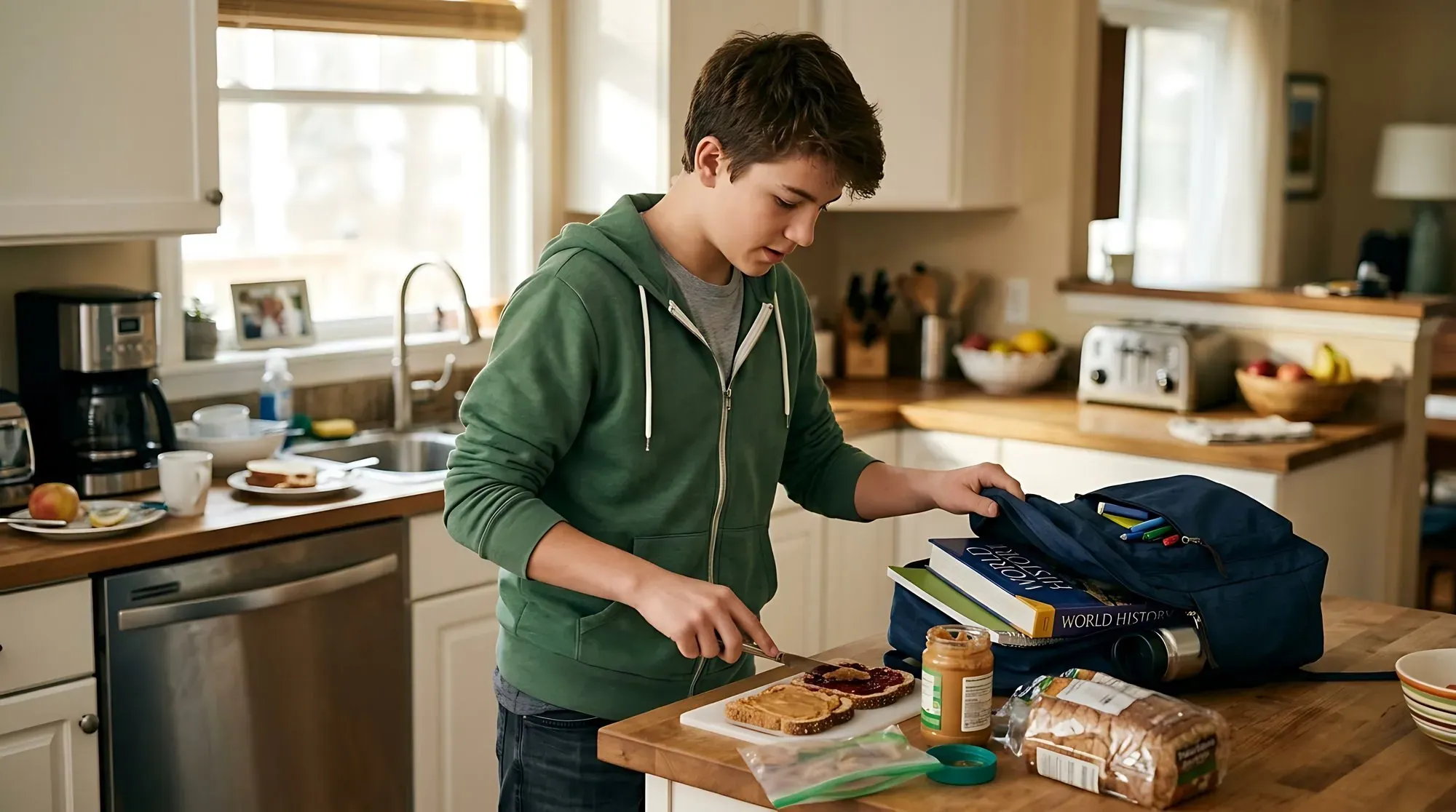
Choose whole-grain or favorite bread, a filling such as turkey, cheese, hummus, egg or beans, and a fruit or vegetable with crunch. Pack wet ingredients separately if sogginess is a deal-breaker. A sandwich cut in half plus carrots, grapes cut appropriately, and a yogurt or cheese stick is quick to eat and easy to vary.
Grain bowl or pasta box
Cold pasta, rice, couscous or quinoa can become a practical box when it has a filling ingredient and a dressing packed lightly. Try pasta with chicken and peas, rice with egg and cucumber, or beans with corn and tomatoes. Keep sauces separate when possible, and use an ice pack for dairy, cooked foods and cut produce.
Snack plate with a real protein
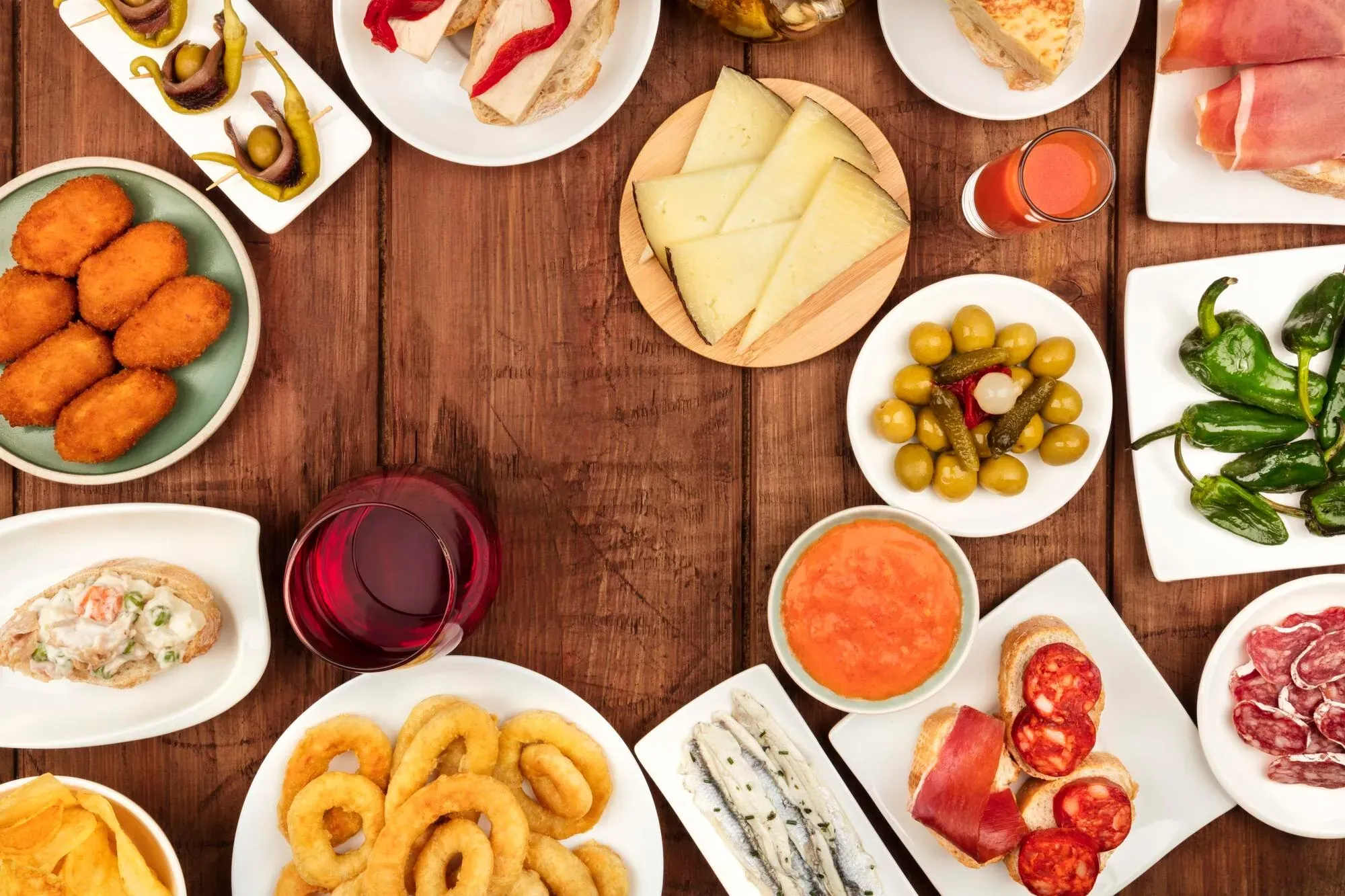
A snack plate is a real lunch when it contains enough substance. Combine crackers or pita, cheese or yogurt, egg, beans, chicken or tofu, fruit, and vegetables with dip. It works for teens who prefer to graze during a short lunch period or who do not want a large sandwich every day.
Warm leftover in a food jar
Use a pre-warmed insulated food jar for accepted leftovers such as chili, soup, rice and beans, pasta, or a grain bowl. Fill it with hot food, close it tightly and follow the container instructions. Pair it with a cold fruit or crunchy side rather than trying to pack every component hot.
This option works best when it uses a dinner the teen already enjoys, not a new recipe made only for the lunchbox. Heat the jar with hot water first if its instructions call for it, then empty it before adding the food. Keep cold sides in the insulated bag rather than beside the hot jar. A small trial at home can reveal whether the serving size fits, the lid is manageable, and the food is still appealing after several hours.
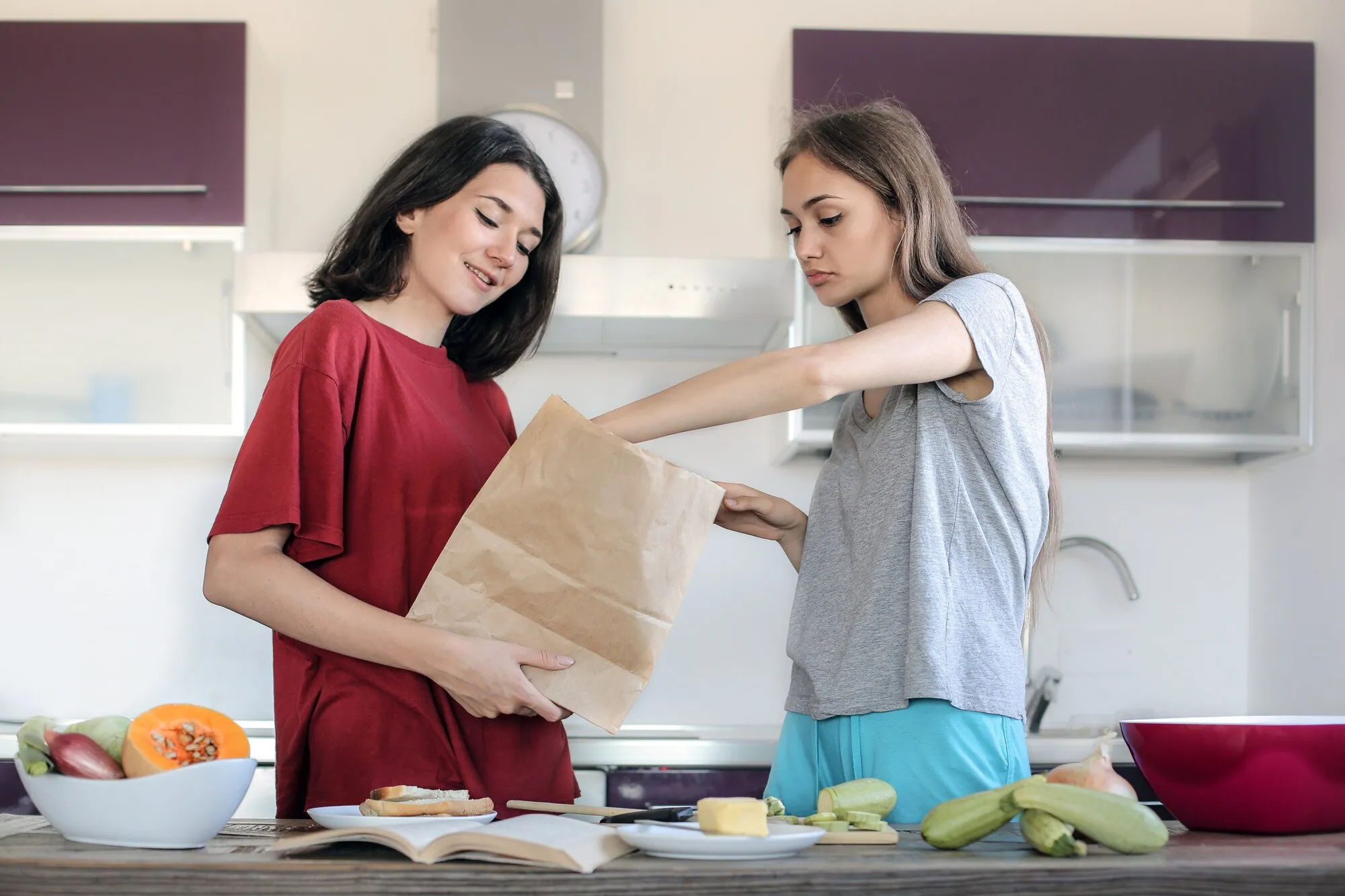
Keep the lunch safe until the bell
Perishable food—including cooked meat, eggs, dairy, cut produce and leftovers—needs temperature control. Use an insulated lunch bag with cold sources for cold food, or an appropriate food jar for hot food. The USDA’s food-safety basics are a useful starting point, but families should also check the school’s storage, allergy and sharing rules.
Do not rely on a classroom desk, locker, or backpack as food storage. If a school supplies refrigeration, ask how students can actually access it during the day; if it does not, choose a bag and cold sources that match the time away from home. Keep food in its closed container until the lunch period, and send only portions that are likely to be eaten. These practical limits matter more than trying to make every box look perfectly balanced.
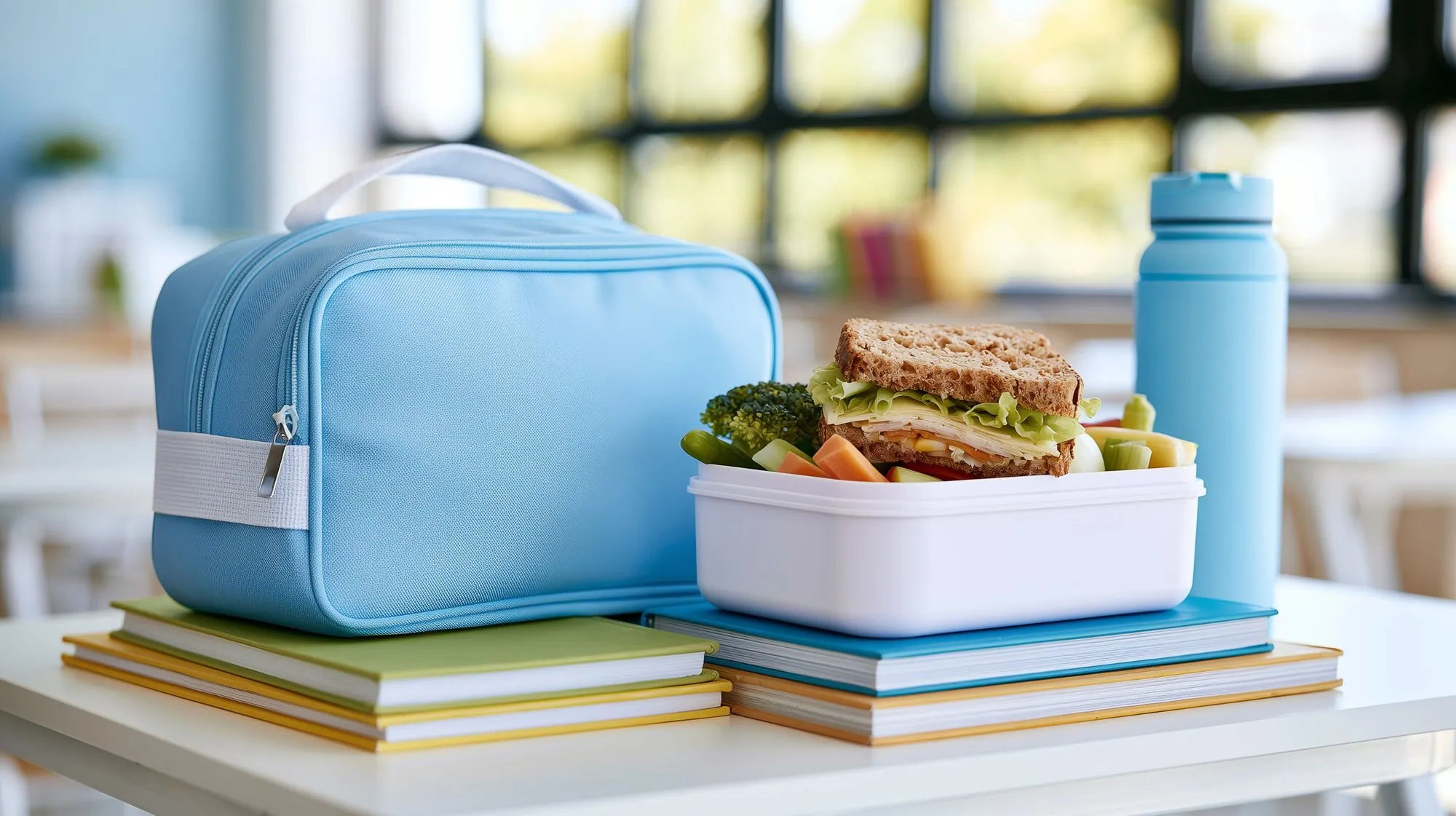
Make the plan with your teen
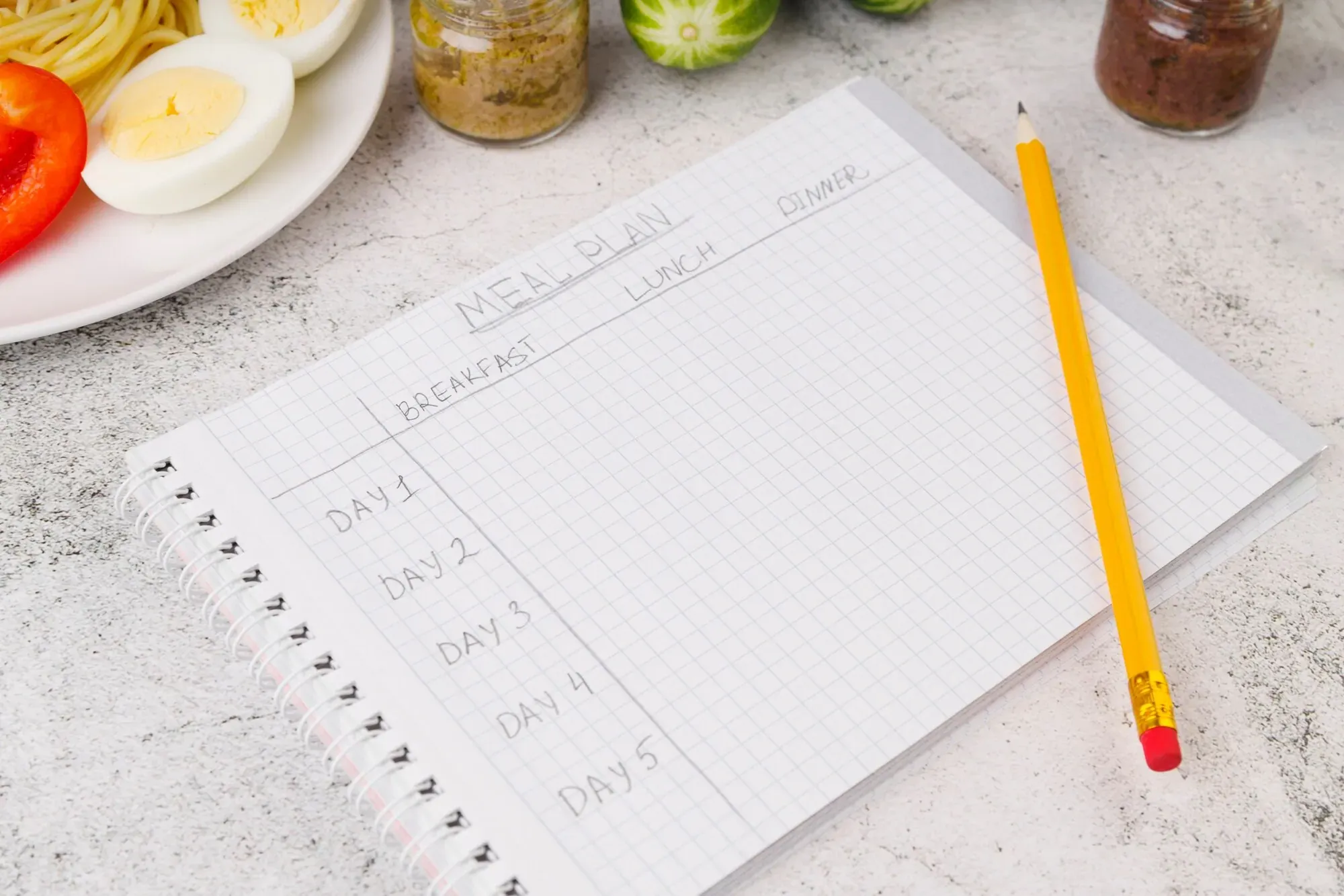
Ask your teen to choose two anchors, three sides and one emergency backup for the week. They are more likely to pack and eat a lunch they helped design. Keep a visible list on the fridge, batch-wash fruit or portion crunchy snacks, and do not make every lunch a new recipe. Repeating a few dependable combinations saves time and reduces waste.
Try a short review at the end of the week: which part came home, which container leaked, and which lunch was easy to pack on a rushed morning? Change one variable at a time. For example, keep the favorite wrap but swap grapes for an apple, or keep pasta but put the dressing in a separate cup. This gives the teen real control while protecting the household from buying food that gets forgotten in the back of the refrigerator.
Plan school lunches in Dishday
Save combinations that work in Dishday, place them on school days in the meal planner, and turn the repeating ingredients into one grocery list. The broader lunch ideas for kids guide is useful for family variety; this guide focuses on larger portions, independence and long school days. Dishday can organize a plan, but it cannot judge allergies or whether food has stayed at a safe temperature.
Frequently asked questions
How much food should a teenager take to school?
A practical lunch is usually a filling anchor, two easy sides and a drink, with an extra shelf-stable item for a long day. Adjust portions to appetite, activity and the time available to eat rather than aiming for a perfect-looking box.
Can teens pack lunch the night before?
Yes. Put cold items in the refrigerator, pack dry foods separately, and add cold sources in the morning. If a lunch contains hot food, prepare it in the morning in a pre-warmed insulated jar instead of leaving it at room temperature overnight.
What if there is no microwave?
Choose food that is pleasant cold: wraps, pasta or grain bowls, snack plates, sturdy salads, fruit, yogurt and cold leftovers that the teen already likes. Test whether containers open easily and whether sauces make food soggy before relying on a new format.
How can a teen avoid buying lunch every day?
Agree on a short list of repeatable lunches and shop for their shared ingredients. Packing a few days at once can help, but keep the teen’s preferences and school schedule in the plan so the food is used rather than discarded.
Make the next school week easier
Pick two anchors and four sides today, then make one short grocery list. A reliable rotation beats a complicated lunchbox that nobody wants to pack. Download Dishday on the App Store when you want school lunches and the week’s groceries in one place.