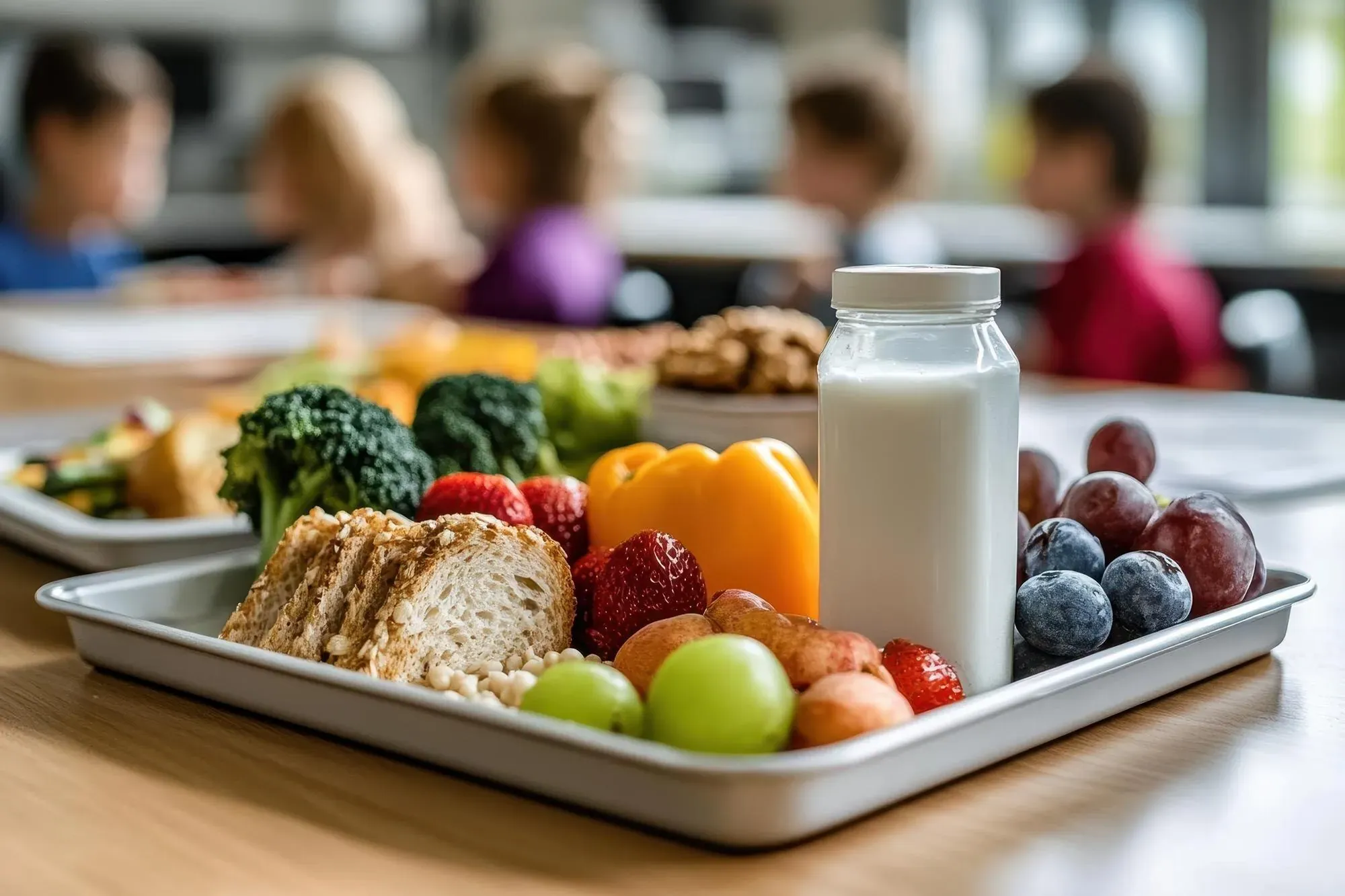

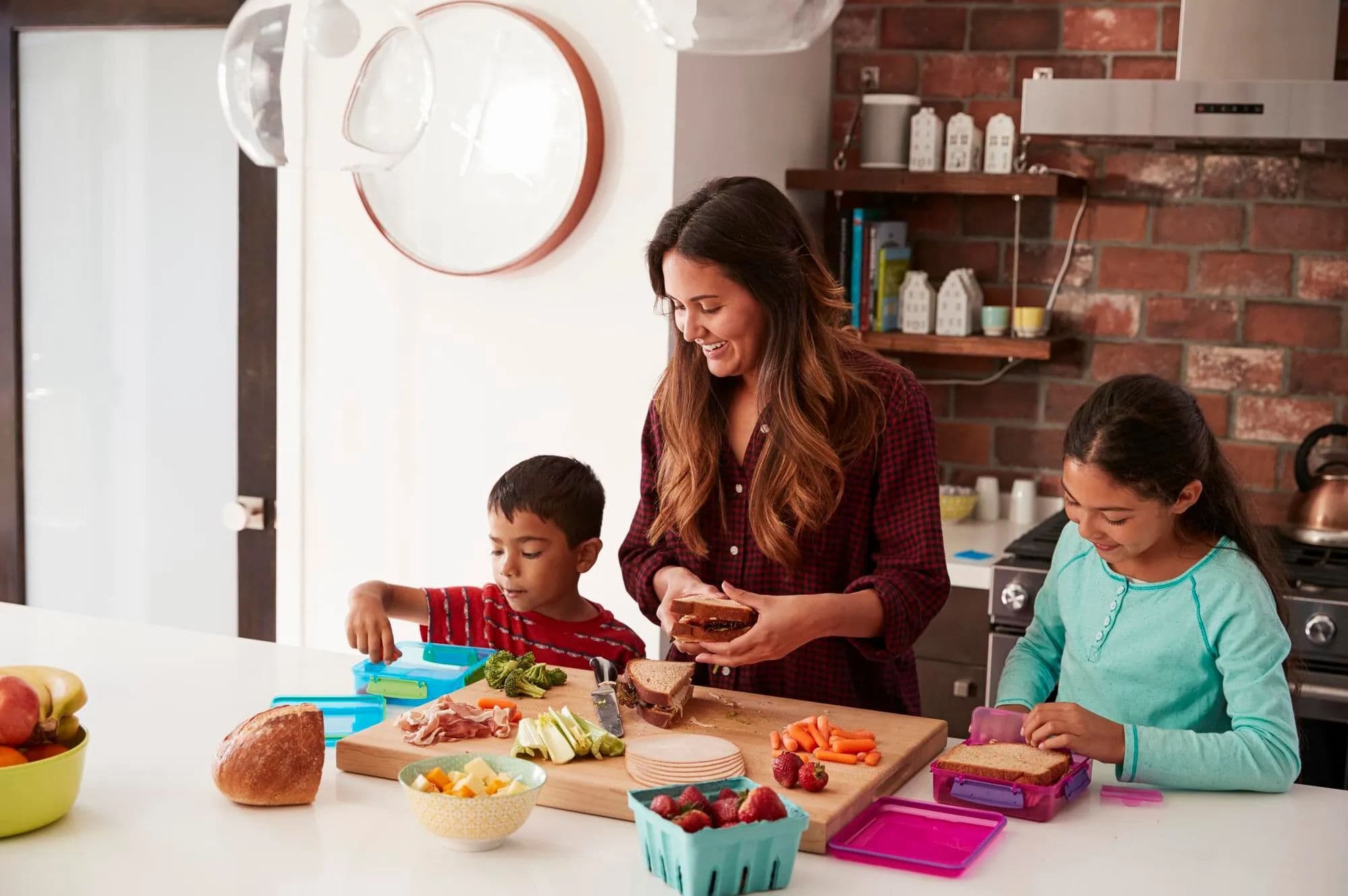
The easiest way to keep finding lunch ideas for kids is to use a repeatable formula instead of inventing a new meal every morning. Pack one familiar main, one fruit or vegetable your child can manage, one simple side, and water or the drink your family and school allow. Change the shape, filling or dip to create variety without rebuilding the grocery list.
A useful lunch also has to survive the trip, fit the time available to eat and match the child's age, allergies and school rules. Start with portions you expect them to finish, observe what comes home, and adjust the next lunch. The ten formulas below are templates, not fixed menus or nutrition prescriptions.
Start with a four-part lunchbox formula
Use four practical roles when you look into the refrigerator:
Familiar main: a sandwich, wrap, grain, pasta, egg, bean dish, leftover meal or another dependable food.
Easy produce: whole fruit, prepared fruit or a vegetable the child already knows how to eat.
Simple side: yogurt, cheese, crackers, a dip or another suitable item that makes the lunch workable.
Drink: usually water, unless your child's needs or school guidance call for something else.
These roles are only a planning shortcut. USDA MyPlate's current Healthy Eating for Kids guidance suggests offering variety across fruits, vegetables, grains, protein foods, and dairy or fortified soy alternatives over the day. One lunch does not need to display every group perfectly, and individual dietary needs may require advice from a qualified professional.
Before choosing food, confirm whether lunch will be refrigerated, carried with cold sources, kept hot in an insulated container or eaten at home. That decision removes ideas that cannot be transported safely.
10 flexible lunch ideas for kids
1. Sandwich or mini-sandwich box
Use bread, a roll, pita or another familiar base with an accepted filling. Cut one sandwich into smaller pieces when that makes it easier to handle. Add fruit and a crunchy vegetable or another suitable side. Change the bread or shape before changing a filling your child reliably eats.
2. Wrap pinwheels
Spread a tortilla with a suitable filling, roll it tightly and slice it into pinwheels. Options might include chicken and vegetables, beans and cheese, hummus and cucumber, or an allergy-safe alternative. Pack the same ingredients separately if the rolled texture is a barrier.
3. Snack-style compartment lunch
Build several small parts around a dependable center: cheese or a suitable alternative, crackers, fruit, vegetables and a dip. This works when a large mixed meal feels difficult or lunchtime is short. Small compartments do not make a lunch automatically balanced; choose portions and ingredients deliberately.
4. Pasta or grain salad
Combine cooled pasta, couscous, quinoa, rice or another grain with vegetables and a simple dressing. Add beans, chicken, cheese, egg or another suitable component if wanted. Keep dressings separate when the food becomes soggy, and use temperature control for perishable ingredients.
5. Dippers and spread
Pack pita triangles, breadsticks, vegetables or another dipper with hummus, bean spread, yogurt dip or a school-safe alternative. Include fruit and a more filling side if needed. Use a container the child can open without spilling and test it at home first.
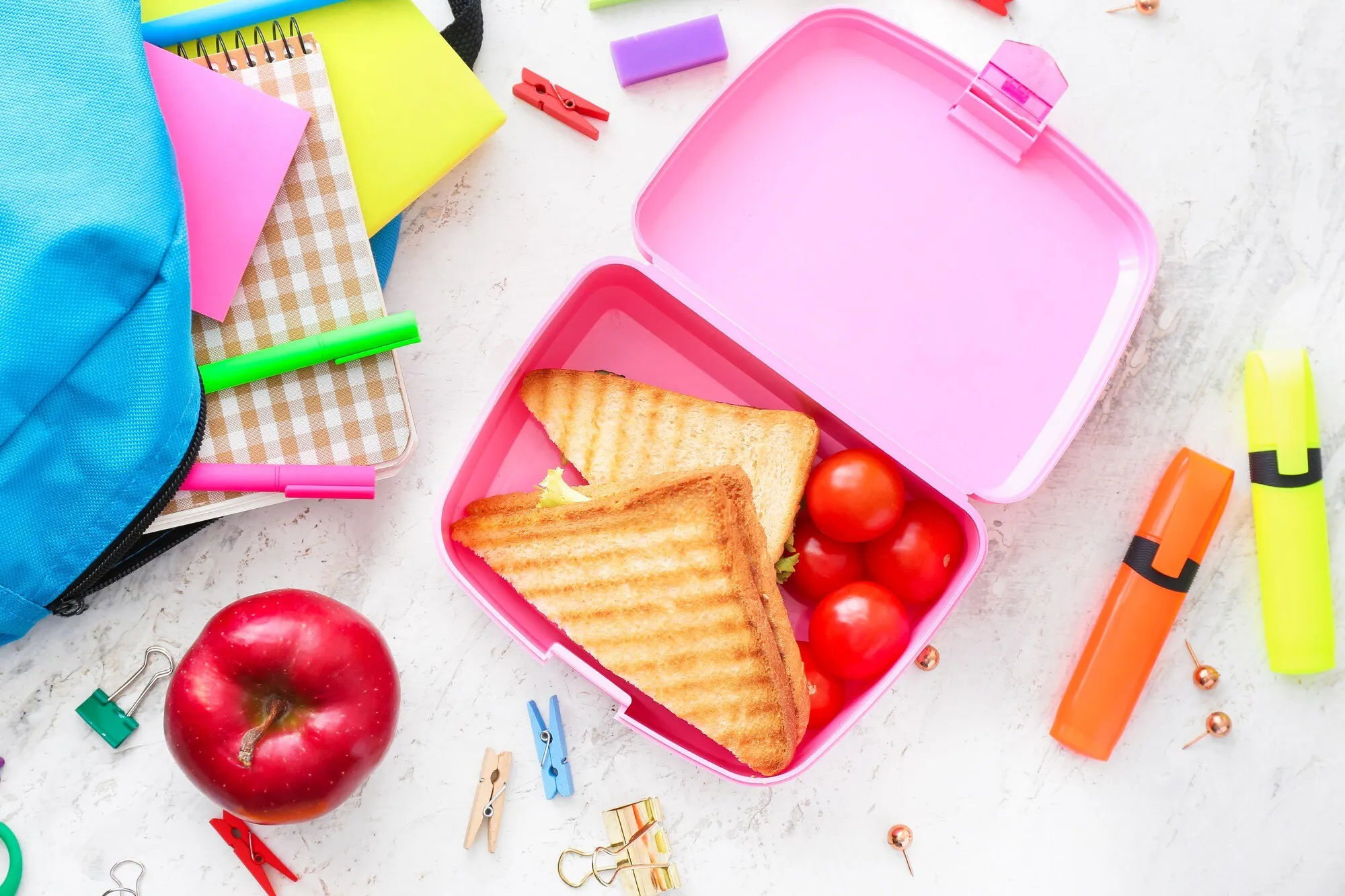
6. Breakfast-for-lunch box
Try a mini waffle, oat muffin, egg bite, yogurt, fruit or another breakfast food your child already accepts. Avoid turning this into a box of sweet snacks by choosing a combination that is filling for that child. Check labels and storage requirements for every packaged or homemade item.
7. Build-your-own mini meal
Keep the parts separate so the child can assemble small tacos, pita pockets, crackers with toppings or a simple bowl. Use only a few components; too many choices can slow lunch down. This format is especially useful when someone dislikes sauces or mixed textures.
8. Thermos lunch
Soup, chili, pasta, rice dishes or leftovers can work in a clean insulated food container when packed and held hot according to food-safety guidance. Practice opening the container before sending it. A thermos lunch is not a good option if it will sit partly warm or if the child cannot handle the container safely.
9. Leftover dinner, simplified
Reserve a portion before serving dinner, then adapt it for lunch: sliced chicken can become a wrap, roasted vegetables can join pasta, and meatballs can go in a small roll. Use leftovers only when their cooking, cooling, storage and transport history is known and safe.
10. No-sandwich cold plate
Combine a familiar starch, a suitable protein or dairy alternative, produce and a side without assembling a sandwich. Examples include cold noodles with vegetables, potato pieces with beans, crackers with egg and fruit, or a family-specific cultural favorite. The point is a recognizable meal, not novelty for its own sake.
Make the ideas work for your child
Use what comes home as information
A full lunchbox returning untouched may mean the portion was too large, the container was hard to open, the food changed texture, lunch was rushed or the meal was unfamiliar. Ask a neutral question: “Was there enough time?” or “Which part was easiest to eat?” Change one variable at a time.
For a cautious eater, keep at least one dependable item and make new additions small. Do not assume a list on the internet can diagnose or solve feeding difficulties. Persistent concerns about growth, nutrition, swallowing, sensory issues or restricted eating belong with the child's pediatrician or an appropriate specialist.
Match the lunch to age and setting
Younger children may need peeled fruit, easy-open lids and foods cut in age-appropriate ways. Older children may need more food or a second snack. Follow choking-prevention advice from your child's clinician and the school's rules rather than treating one lunchbox style as suitable for every age.
Ask how long lunch lasts and what facilities are available. A beautiful meal that needs ten minutes of assembly may fail during a short lunch period. Test containers, utensils and insulated jars at home, then pack only what the child can use independently.
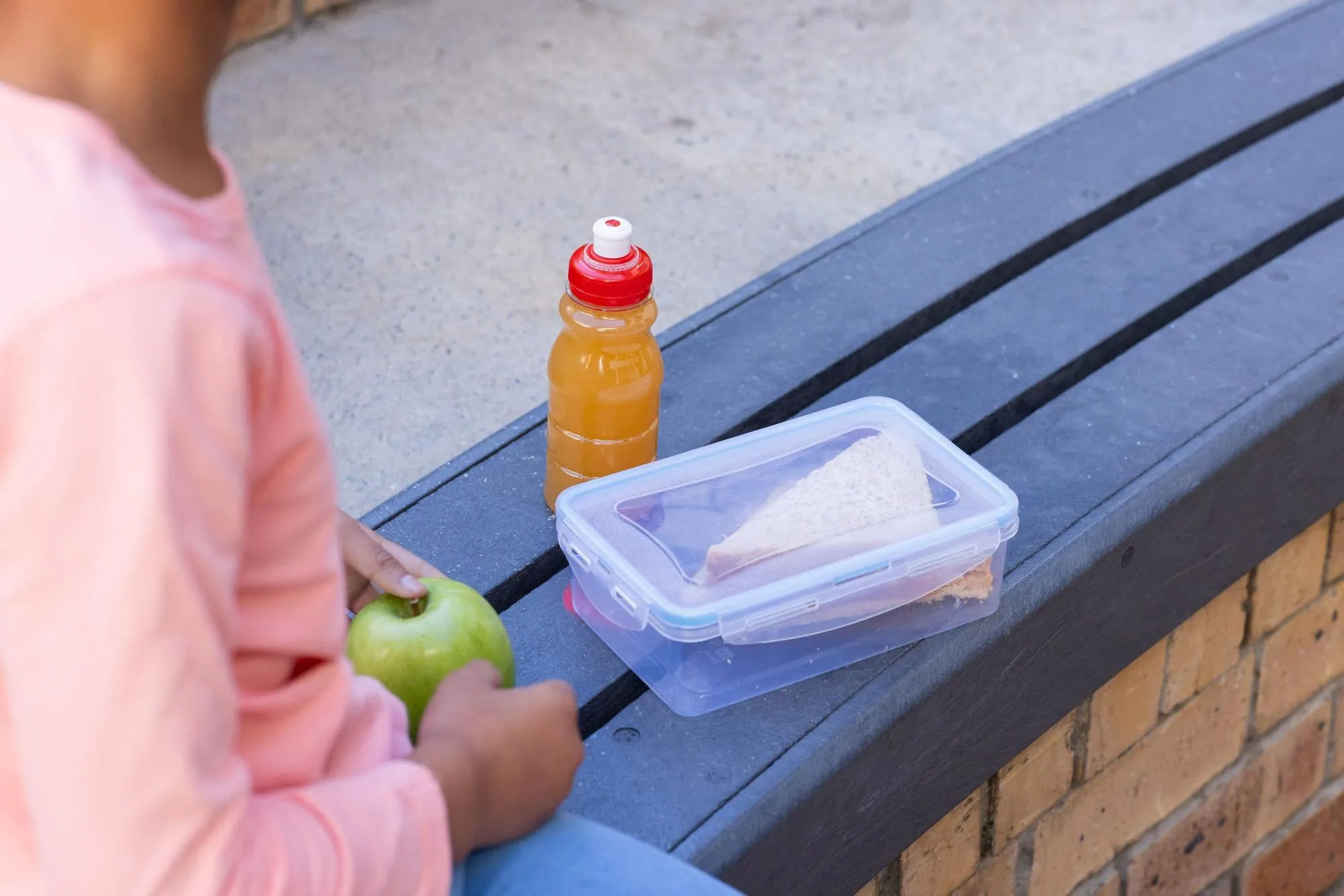
Pack temperature-sensitive food safely
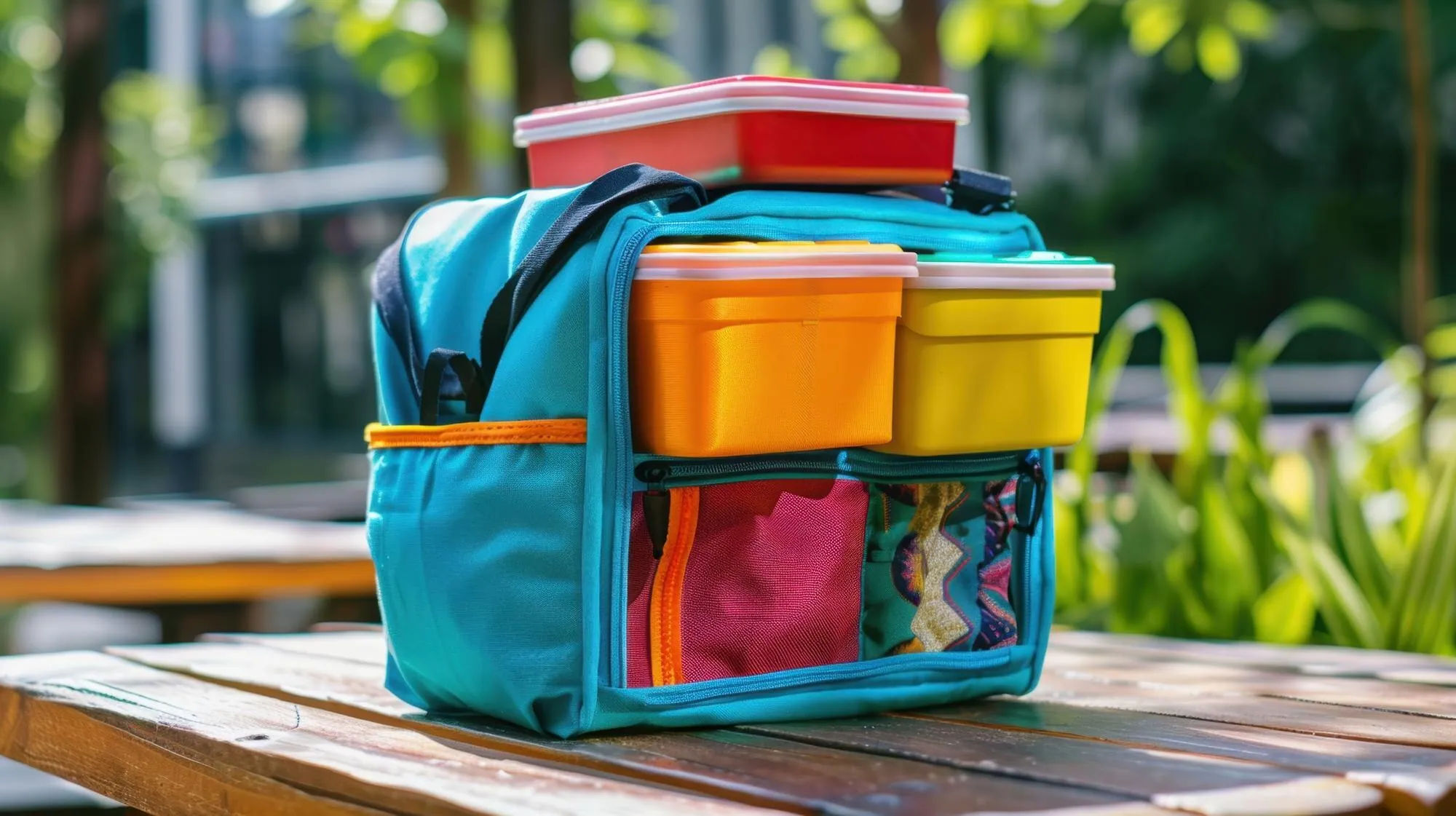
USDA FSIS advises using an insulated soft-sided lunch bag and at least two cold sources for perishable cold lunches. Its current school lunchbox packing guidance gives examples such as two frozen gel packs or a gel pack plus a frozen water bottle or juice box, positioned around the perishable food. If a refrigerator is available, follow the school's instructions for using it.
For a hot lunch, USDA recommends a clean insulated container. Preheat it with boiling water, empty it, add piping-hot food and keep it closed until lunch; the guidance specifies holding hot food at 140°F (60°C) or above. Follow the complete USDA instructions rather than guessing from how warm the container feels.
Prepare lunches with clean hands, surfaces and utensils. Cool cooked ingredients in the refrigerator before packing a cold lunch. When you cannot maintain a safe temperature, choose foods that do not require it or use the school's meal option.
Check allergies and school rules every time
Never treat “nut-free,” “dairy-free” or another label as a casual substitution. Follow the child's individual allergy plan, read the complete current label and prevent cross-contact during preparation. The FDA's food allergy guidance identifies nine major allergens in the United States and explains where allergen sources appear on packaged-food labels.
School policies may be stricter than the ingredient list in this article. Confirm classroom and cafeteria rules before packing nuts, sesame, eggs or other restricted foods. When another child's allergy is involved, respect the school's policy even if your own child has no allergy.
Build a realistic five-day rotation
Choose five formats before choosing five recipes:
Monday: mini sandwiches, fruit and a familiar vegetable.
Tuesday: snack-style compartments with crackers, an accepted main component and produce.
Wednesday: a thermos meal prepared and packed safely.
Thursday: wrap pinwheels with fruit and a simple side.
Friday: a build-your-own lunch using safe ingredients left from the plan.
Write the main component and portion beside each day. Combine repeated ingredients, check what is already at home and buy only what is missing. If Thursday's lunch returns mostly uneaten, adjust the filling or format next week instead of replacing the entire rotation.
This method also makes dinner overlap intentional. The guide to plan five family dinners can help identify components worth reserving, while the guide to make a grocery list from a meal plan shows how to combine repeated quantities.
How Dishday can support the lunch routine
The formulas, safety checks and rotation above work with paper or a notes app. If you want the family's meals connected, the Dishday meal planner can hold lunch and dinner ideas in one weekly view, while the grocery-list feature helps gather recipe ingredients for review.
Dishday does not know a child's allergy plan, school rules, portion needs or how long food will travel unless you account for them. Use it to reduce repeated copying after making those decisions, then check every label, quantity and storage step yourself.
A quick lunchbox check before leaving
Can the child open every container and use the utensil?
Is there at least one familiar item?
Does the portion match what the child usually eats in the available time?
Are allergens, labels and school restrictions checked?
Are perishable foods held safely cold or hot?
Is the lunch bag, container and water bottle labeled if the school requests it?
If one answer is no, simplify the lunch before adding more variety.
Frequently asked questions
What are easy lunch ideas for kids who do not like sandwiches?
Try a compartment lunch, pasta or grain salad, dippers with a suitable spread, breakfast-for-lunch, a thermos meal or a cold plate with separate components. Start with foods the child already eats and change the format gradually.
How can I make school lunches less repetitive?
Rotate the structure rather than buying many one-use foods. Use one filling in a sandwich, wrap and cracker box; serve the same fruit whole, sliced or alongside yogurt; and change one side at a time.
What can I pack when the school has no refrigerator?
Use an insulated lunch bag with the cold sources USDA recommends for perishable food, or choose appropriate foods that do not require refrigeration. Do not rely on the weather, an ordinary backpack or touch alone to judge safety.
How much lunch should I pack for my child?
Start from what the child usually eats, their age, schedule and whether snacks are separate. Check what returns for several days and adjust. A larger-looking lunch is not automatically more useful if time or packaging prevents the child from eating it.
How do I plan lunches for a child with food allergies?
Follow the child's medical and school allergy plans, read current labels, prevent cross-contact and confirm cafeteria or classroom restrictions. Generic recipe substitutions cannot replace individualized safety guidance.
Can I pack dinner leftovers for school lunch?
Yes, when the food was cooked, cooled, refrigerated and transported safely and is still within its safe storage window. Pack it properly cold or hot and discard it when the handling history is uncertain.
Plan the next five lunches
Write five formats, choose one familiar main for each and add only the missing groceries. After the practical and safety decisions are complete, you can download Dishday on the App Store to keep the rotation with the rest of the family's meal plan.