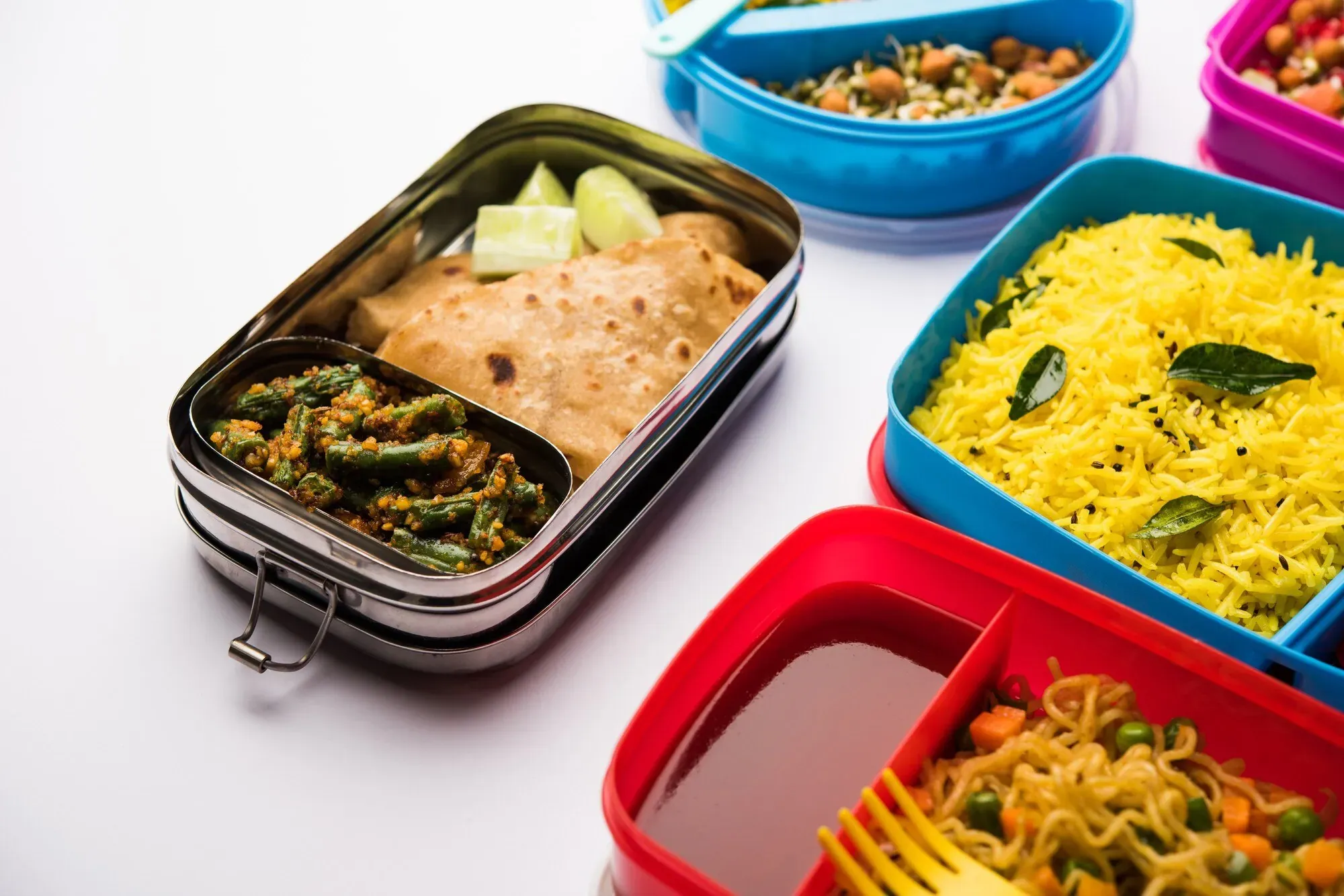

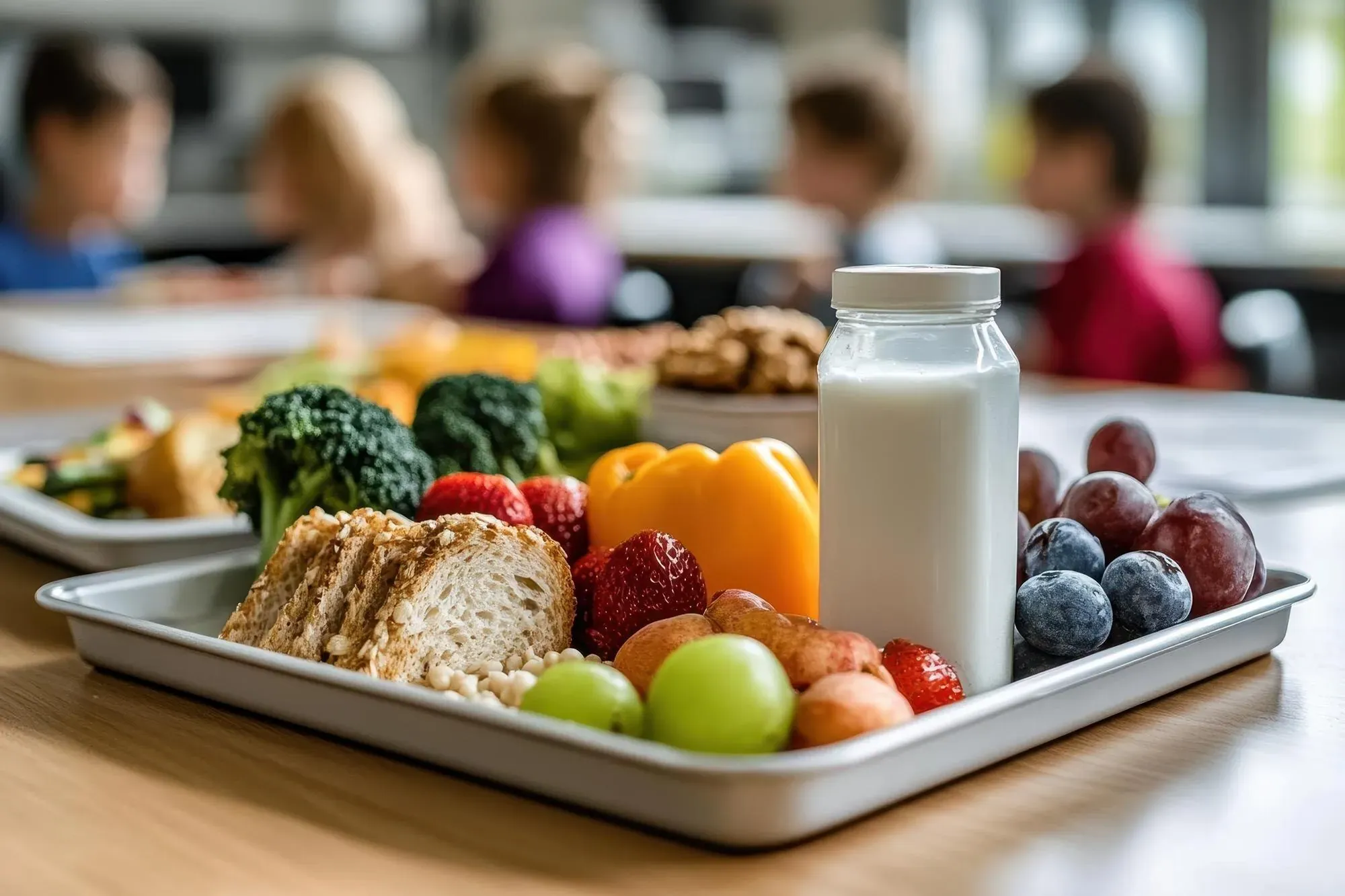
The best vegetarian school lunch ideas are repeatable combinations, not ten new recipes every week. Start with a filling base, add fruit or vegetables your child will eat, and include one easy extra. The lunch also has to survive the commute, fit the school rules, and work for your child's appetite and dietary needs.
Build a formula before you choose recipes
A simple starting point is one filling base + one fruit or vegetable + one familiar extra. The base may be beans, lentils, hummus, tofu, eggs, cheese, pasta, rice, potatoes, or a planned leftover. Vegetarian is not a substitute for checking allergies, ingredients, medical diets, or school rules.
Check the container, timetable, and child
Before you choose a formula, ask what happens between your kitchen and lunch. Is there refrigeration? How long is the commute? Does the child need a fork? Which foods will stay separate and appealing? A reliable answer is more valuable than an elaborate lunchbox that comes home untouched.
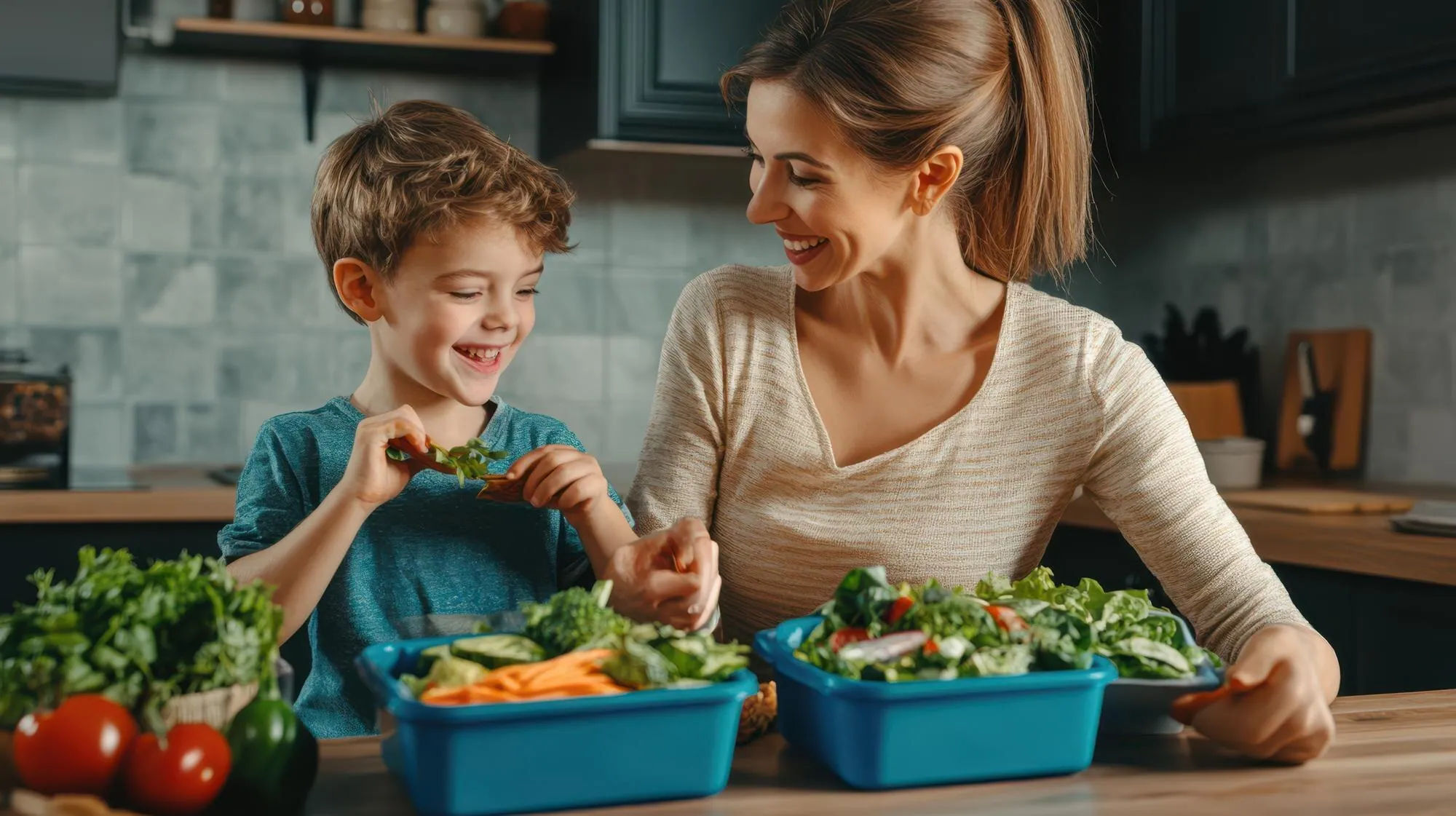
A simple starting point is one filling base + one fruit or vegetable + one familiar extra. The base may be beans, lentils, hummus, tofu, eggs, cheese, pasta, rice, potatoes, or a planned leftover. Vegetarian is not a substitute for checking allergies, ingredients, medical diets, or school rules.
Ten vegetarian school lunch ideas
Hummus, pita, and crunchy vegetables
Spread hummus in a small leakproof cup or inside a pita only when the box will stay cold. Add cucumber, carrots, peppers, and fruit in separate compartments. Chickpeas supply a familiar, filling base, while the vegetables are easy to choose rather than a mixed salad a child may avoid. If sesame, nuts, or other allergens are a concern at school, check the label and school policy before packing.
Bean and cheese quesadilla wedges
Use beans, cheese if it suits the child's diet, and a tortilla cooked until it holds together. Cool it before slicing so steam does not make the lunchbox damp. Salsa and sour cream travel separately only with dependable cold storage. A plain bean quesadilla, fruit, and cucumber is often more realistic than trying to make every compartment novel.
Pasta salad with peas and a familiar dressing
Choose short pasta and a dressing your child already likes; keep juicy tomatoes or dressing separate if sogginess is a problem. Peas, white beans, mozzarella, or cubed tofu can make the portion more substantial, depending on dietary needs. This is a formula, not a nutrition score: adjust the amount and ingredients to appetite, allergies, and the time the box will be unrefrigerated.
Rice, edamame, and avocado rolls
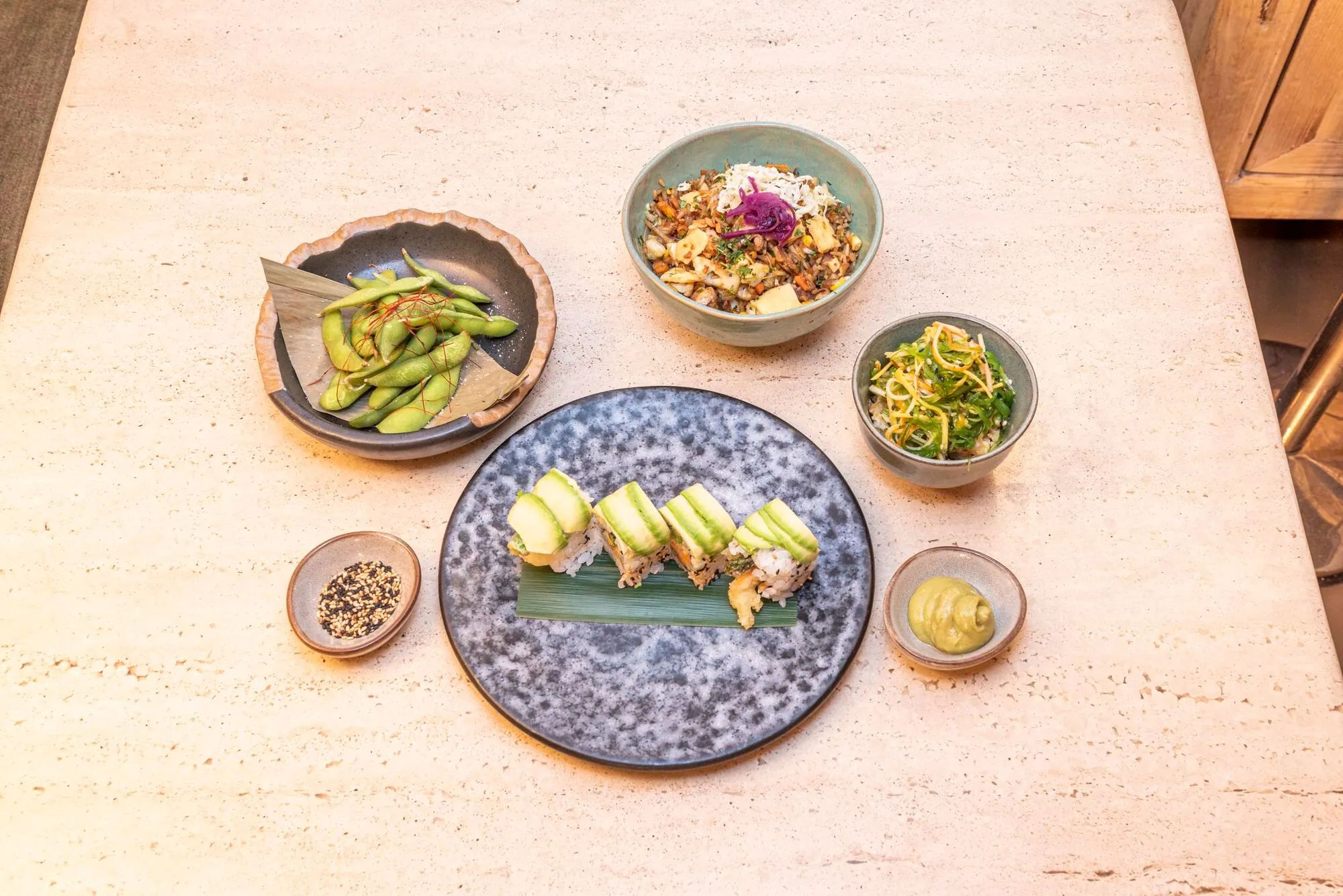
A rice-based box can be as simple as rice, shelled edamame, cucumber, and avocado rolls. Pack soy sauce separately and use an ice pack if the lunch cannot go into a refrigerator. If sushi-style food is not practical for your morning, use the same parts as a rice bowl. The useful idea is a repeatable base plus vegetables, not a difficult roll.
Lentil patties with a dip
Bake or pan-cook lentil, chickpea, or black bean patties ahead, then pack them with a familiar dip and cut vegetables. Small patties are easier to eat cold than a large burger. Make sure the mixture is held together well and test it once at home; a lunch that crumbles in a backpack is not a practical school formula.
Egg or tofu muffin cups
For families who eat eggs, baked egg-and-vegetable cups are an easy batch option; tofu-and-vegetable bites can fill the same role for a plant-based lunch. Cool and refrigerate them promptly, then use a cold source for transport when needed. Add toast fingers, fruit, or crackers so the box has an easy carbohydrate alongside the protein.
Sunflower-seed butter sandwich box
Where peanut-free rules apply, sunflower-seed butter can be one alternative, but verify every ingredient and school rule first. Pair a sandwich or toast fingers with fruit and a vegetable the child already accepts. Nut and seed allergies vary widely, so never assume a substitute is safe for every classroom or child.
Baked potato bites with yogurt or bean dip
Roasted potato or sweet-potato cubes can be made the night before and packed with peas, corn, or a bean dip. Yogurt requires reliable cold storage; a shelf-stable or non-perishable side may be more practical on a long commute. Keep wet dips separate, and give the child a fork or choose bite-size pieces they can manage without one.
Mini pancakes or savory muffins
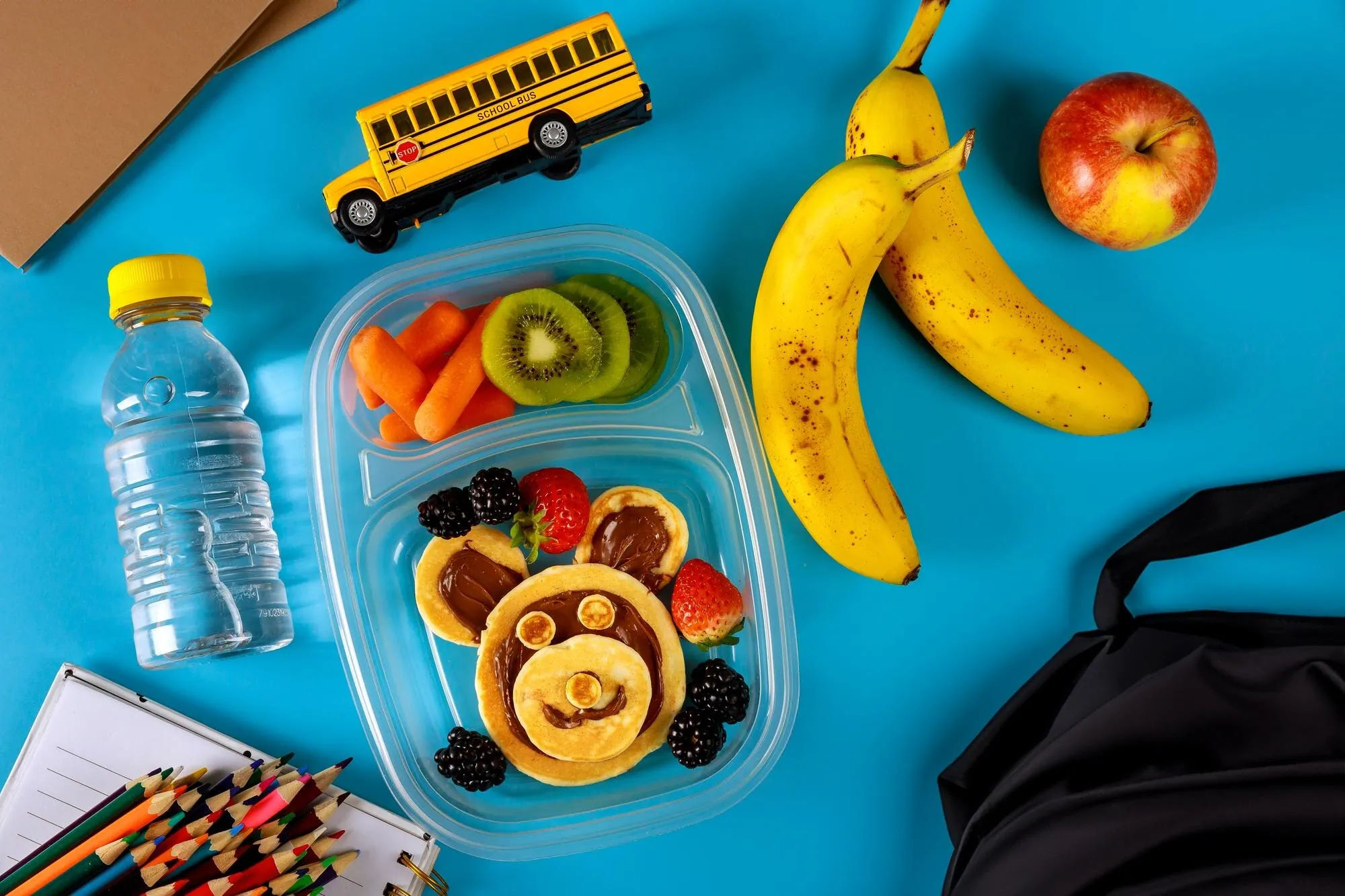
Vegetable muffins, cheese muffins, banana oat pancakes, or simple savory pancakes give the box a handheld centre. Pair them with fruit and a separate spread if appropriate. Check whether ingredients such as eggs, dairy, or nuts fit the child's needs; a vegetarian lunch is not automatically allergen-free or safe at room temperature.
Planned leftovers, not accidental leftovers
A portion of cooled vegetarian chili, lentil soup in a preheated food jar, vegetable rice, or pasta can become lunch when it was stored safely and the child will actually eat it. Decide this while making dinner, portion it promptly, and label the container if someone else packs lunch. Planning one second meal prevents both a rushed morning and food that sits forgotten.
Keep vegetarian lunches safe and inclusive
Perishable foods such as cooked beans, eggs, dairy, tofu, cut vegetables, and dips need time-and-temperature care. Use a clean insulated lunch bag with cold sources when food cannot go directly into a refrigerator; use a food jar only for food packed hot according to its instructions. Check school allergy and sharing policies too.
Before you choose a formula, ask what happens between your kitchen and lunch. Is there refrigeration? How long is the commute? Does the child need a fork? Which foods will stay separate and appealing? A reliable answer is more valuable than an elaborate lunchbox that comes home untouched.
Save the formulas that work in Dishday
Save the combinations that return empty in the Dishday meal planner, schedule them on school days, and combine their ingredients in one grocery list. For broader family ideas, see lunch ideas for kids and school lunch ideas for teens. Dishday can organize a plan and shopping; it cannot confirm allergens or food temperature.
Frequently asked questions
What are easy vegetarian school lunches?
Hummus and pita, bean quesadillas, pasta with peas, lentil patties, egg or tofu bites, muffins, and planned leftovers are useful starting formulas. Adapt them to what the child can eat safely and finish.
How do I make a vegetarian lunch filling?
Start with a substantial component such as beans, lentils, tofu, eggs, dairy if appropriate, rice, pasta, potatoes, or bread. Add familiar produce and a side rather than expecting one small item to do everything.
Do vegetarian school lunches need an ice pack?
Many do. If a lunch includes perishable food and cannot be refrigerated, use an insulated bag and cold sources. Follow the school rules and food-safety guidance for your situation.
How can I avoid allergy problems?
Read labels, ask the school about policies, avoid assumptions about nut or seed substitutes, and keep foods separate when cross-contact is a concern. For a diagnosed allergy or medical diet, follow the child's care plan.
Make tomorrow's lunch easier
Pick one formula for tomorrow and prepare only its parts. A short rotation based on what your child eats is more useful than a perfect-looking menu. Download Dishday on the App Store.