
The most useful lunch box ideas for work are not complicated recipes. They are repeatable combinations that survive a commute, feel filling at 1 p.m., and take little thought on a busy morning. Start with one substantial anchor, add two contrasting parts, and choose a container that fits how and where you actually eat. A desk, shared fridge, short break, commute, and microwave access all matter more than a photogenic box.
Build a work lunch you will look forward to
Choose one filling anchor
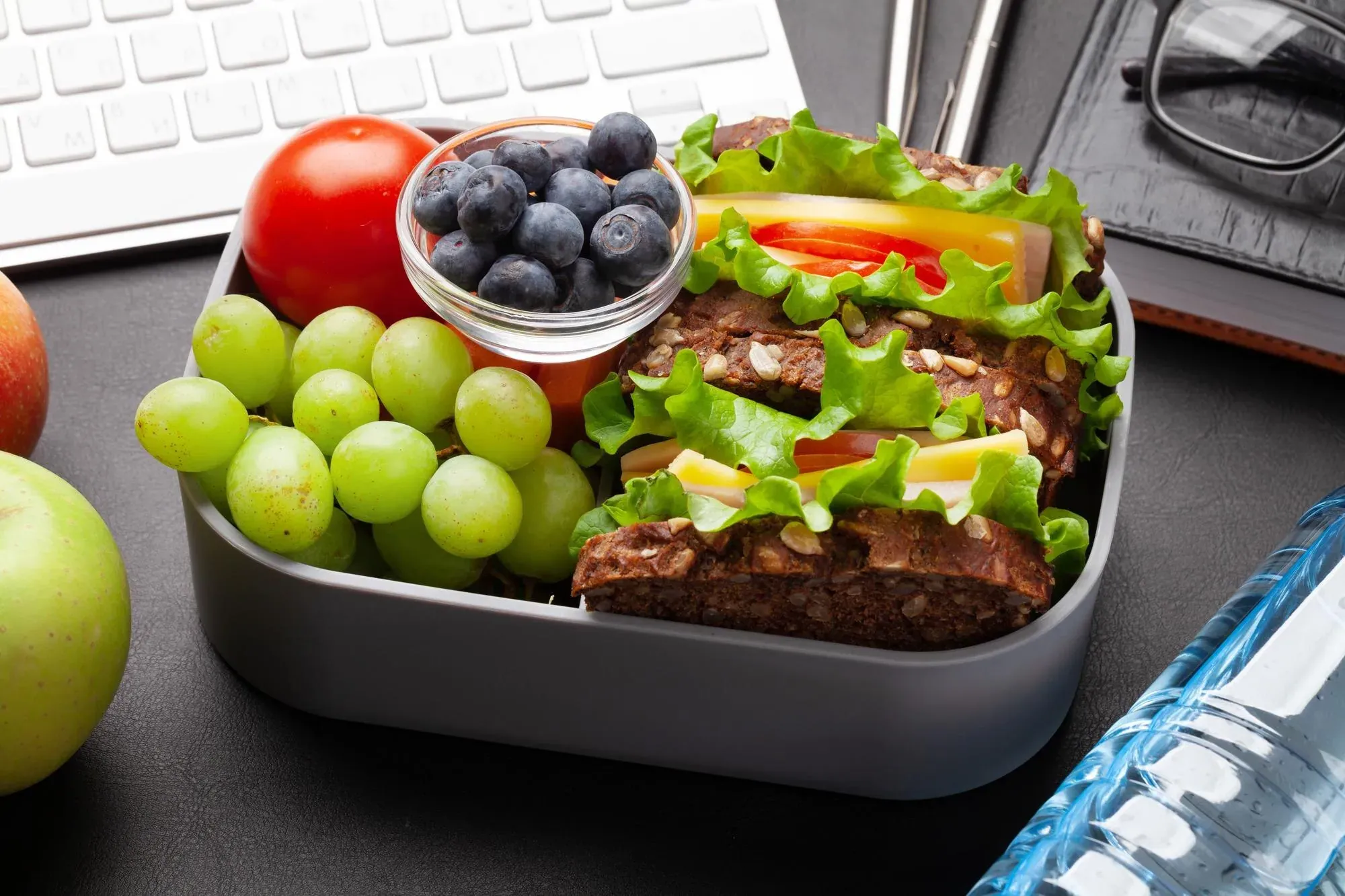
A reliable formula is one anchor + two supports + a drink. The anchor can be a wrap, grain bowl, pasta, beans, eggs, chicken, tofu, yogurt, soup, or a leftover you genuinely enjoy. Supports add crunch, fruit, vegetables, cheese, crackers, or a small treat. This is a practical planning pattern, not medical nutrition advice: allergies, medical needs, activity, and workplace rules require personal judgment.
Add two supporting parts
Choose an anchor with enough protein, fiber, or satisfying fat to carry you through the afternoon. A tiny salad that leaves you raiding the vending machine is not a failure of willpower; it is a lunch that did not match the day. Build portions around appetite and the length of your workday, then keep a shelf-stable backup such as crackers, fruit, or a bar you already like.
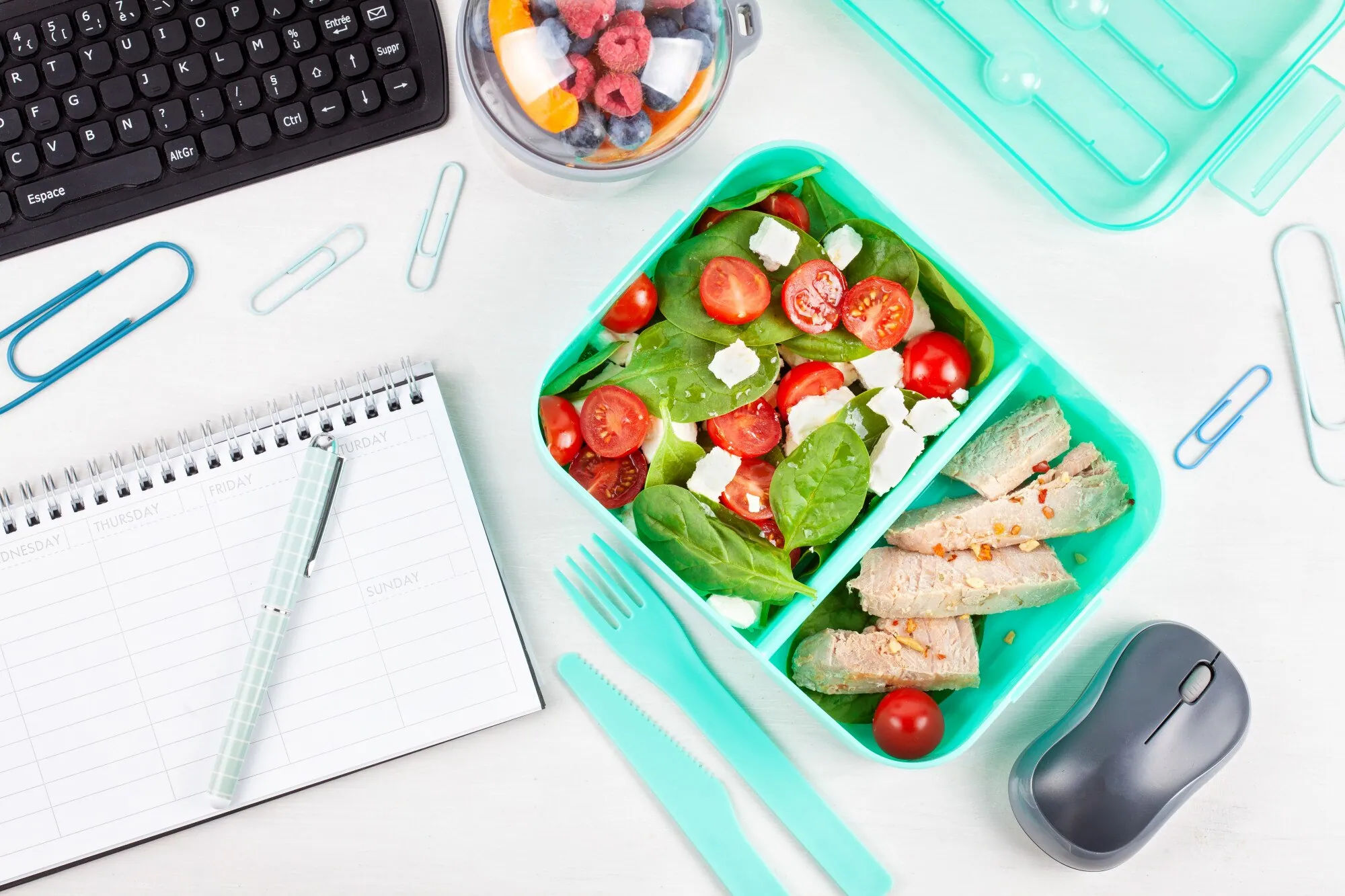
Twelve flexible work-lunch formulas
Wrap with crunchy sides
Use contrast so the lunch remains pleasant: a soft wrap with crisp vegetables, warm soup with cold fruit, or a grain bowl with a sharp dressing packed separately. Water is the simplest default drink. If your commute is long or the break is unpredictable, choose foods that can be eaten cold and containers that open cleanly without a full table setting.
Grain bowl or pasta box
Fill a wrap with chicken, chickpeas, egg, cheese, hummus, or leftover roasted vegetables. Add carrot sticks, grapes, an apple, or a crunchy slaw packed separately. Keep wet fillings and dressing away from bread until lunch if sogginess is a deal-breaker. Two smaller halves are often easier to eat between meetings than one oversized sandwich.
Snack plate with protein
Cold pasta, rice, couscous, or quinoa becomes a workday meal when it includes a filling ingredient and a few vegetables. Try pasta with beans and tomatoes, rice with egg and cucumber, or couscous with chickpeas and roasted peppers. Pack a delicate dressing in a small container. This format is easy to vary without buying a new set of ingredients every week.
Soup or leftovers in a food jar
A snack plate counts as lunch when it has real substance: pita or crackers, cheese or yogurt, eggs, beans, chicken, tofu, fruit, and vegetables with dip. It is especially useful for short breaks or people who prefer several small bites to a single meal. Keep portions generous enough for your own appetite rather than copying a child-sized lunchbox.
Salad that stays interesting
A pre-warmed insulated food jar can hold soup, chili, lentils and rice, pasta, or other hot leftovers. Put hot food into a hot jar and follow the maker's instructions; pair it with a cold fruit or crunchy side. A food jar makes sense only when you will enjoy the meal—do not force yourself to eat leftovers you have already avoided twice.
Breakfast-for-lunch box
For a salad that still tastes good at lunch, keep leaves dry, use a filling base such as beans, chicken, egg, cheese, lentils, or grains, and pack dressing separately. Sturdy vegetables and grains travel better than delicate greens alone. A small bread roll, crackers, or fruit can make the meal feel complete. Think in layers: dressing first in a tiny container, then hearty ingredients, then delicate leaves or herbs. If you prefer a warmer-feeling meal, roast vegetables or cook grains the night before and chill them safely before packing. The goal is not a perfect salad jar; it is a lunch with enough substance, flavor, and texture that it is still welcome after a busy morning.
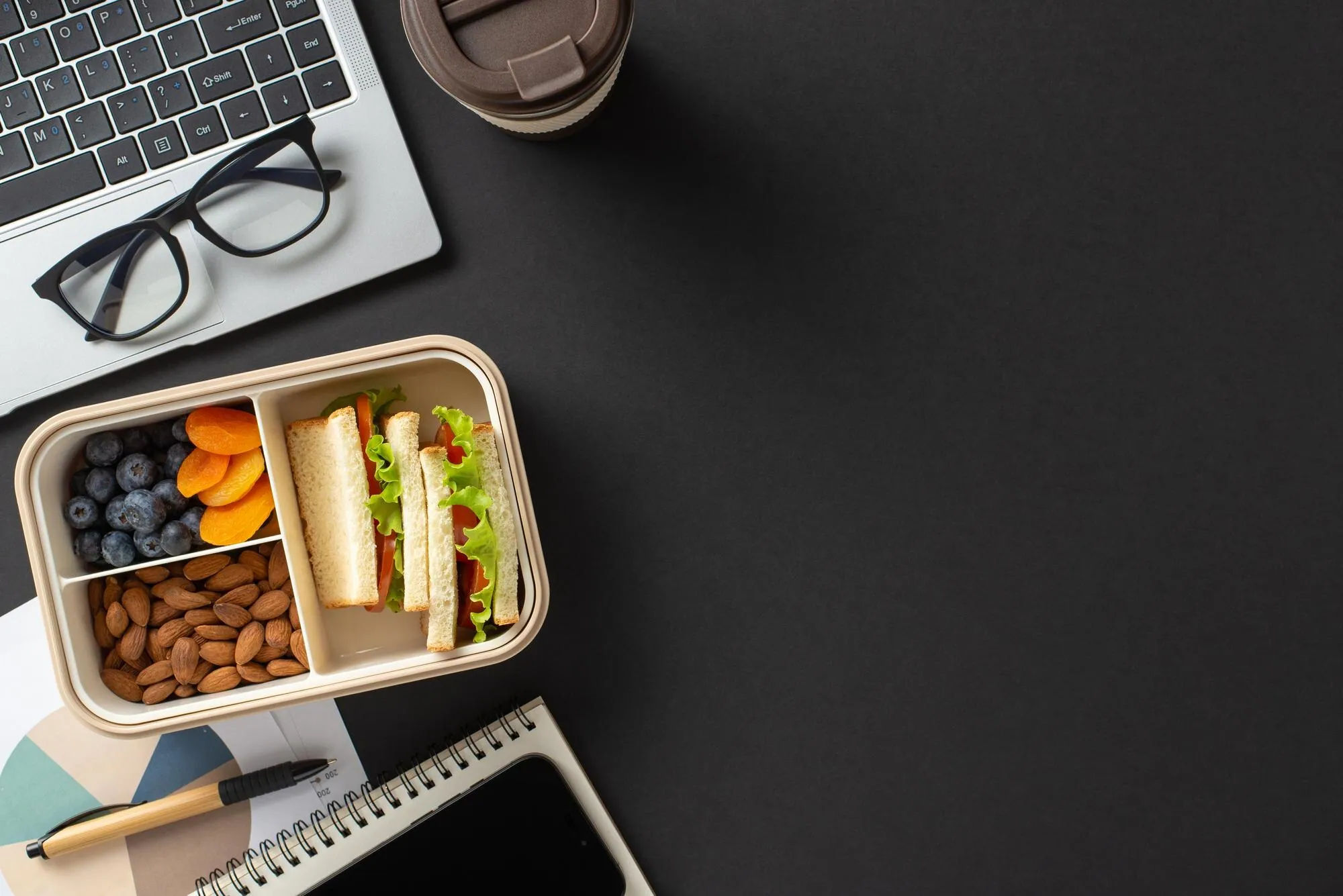
Keep lunch safe through the workday
Cooked meat, eggs, dairy, cut produce, and leftovers need temperature control. Use an insulated bag with cold sources when food cannot go straight into a refrigerator, and use an appropriate food jar for hot meals. The USDA's food-safety basics are a practical reference; check your workplace's fridge space, allergy, and food-sharing rules too. USDA food-safety basics.
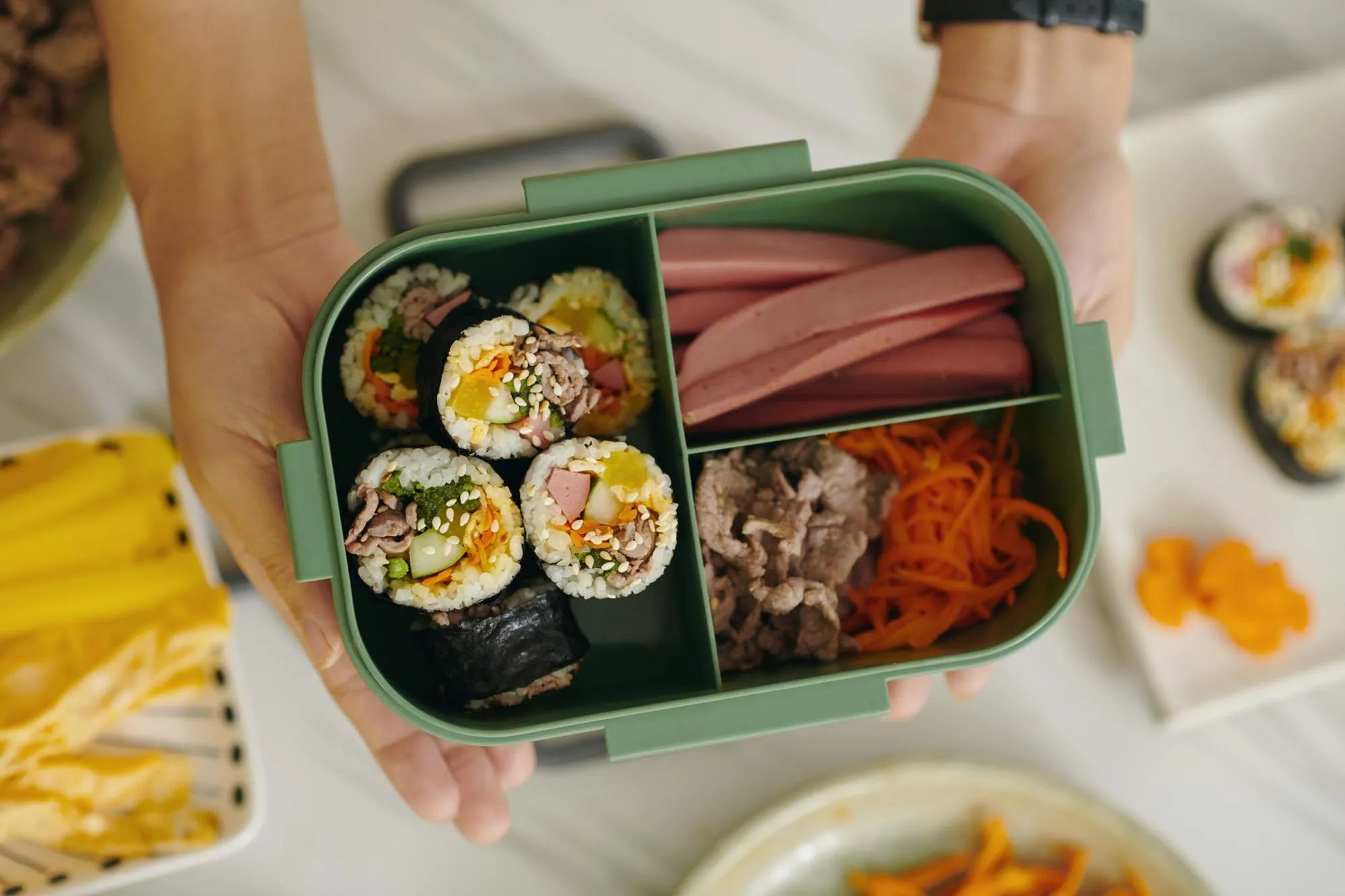
Prep once, pack with less friction
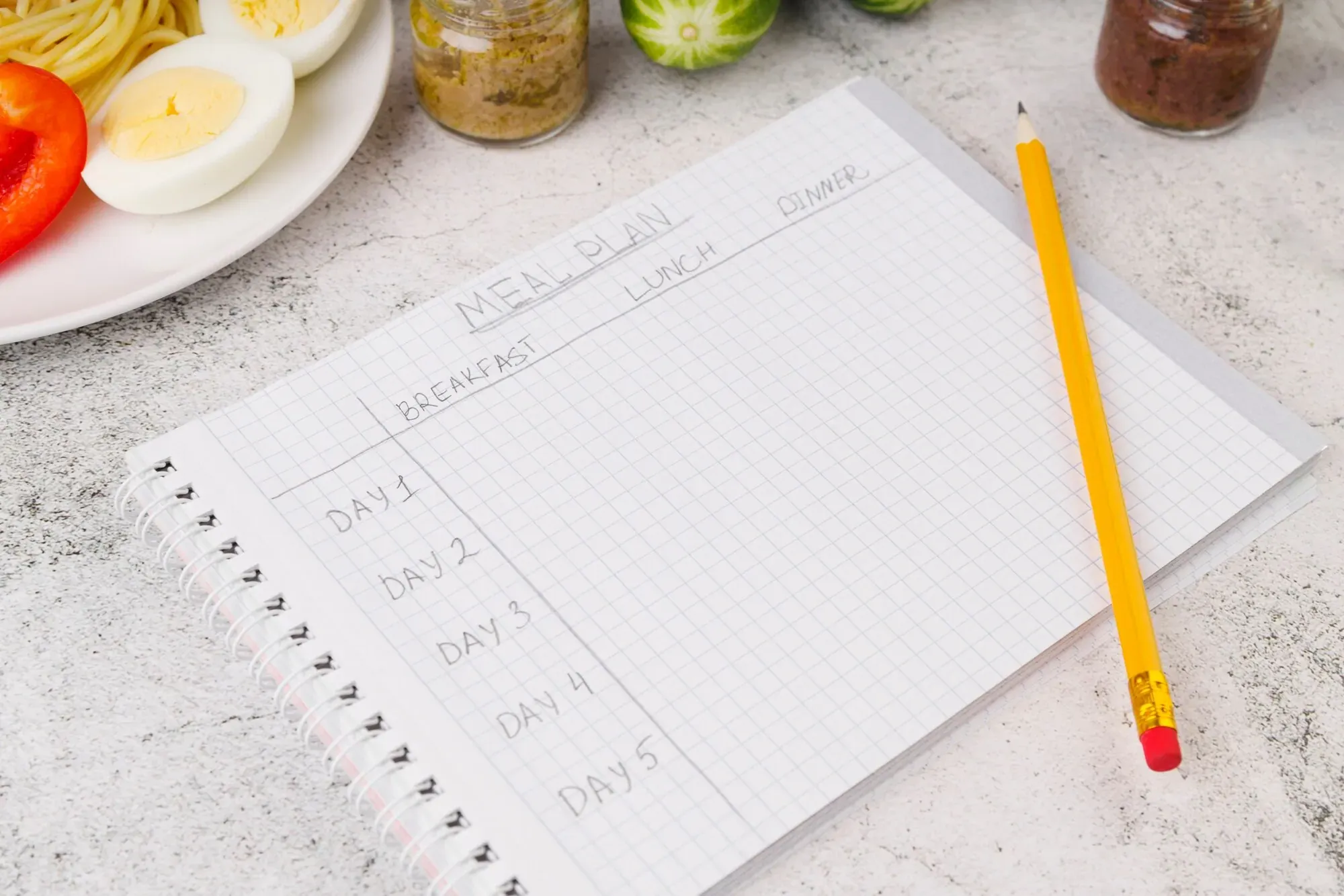
Make one short choice list: two anchors, three sides, and one emergency backup. Wash fruit, portion crunchy snacks, cook one versatile grain or protein, and leave sauces separate. You do not need five identical boxes. A rotation of two or three familiar combinations is easier to use, less wasteful, and more likely to survive a change in schedule.
Plan work lunches in Dishday
Save the combinations that work in Dishday, place them on office days in the meal planner, and turn their shared ingredients into one grocery list. For broader menu ideas, see the office lunch ideas guide. Dishday can organize recipes and shopping, but it cannot check allergens or decide whether food stayed at a safe temperature. meal planner and grocery list. Office lunch ideas.
Frequently asked questions
Can I pack work lunches the night before?
Yes. Refrigerate perishable parts overnight, pack dry items separately, and add cold sources in the morning. For a hot meal, fill a pre-warmed food jar in the morning rather than leaving food at room temperature.
What lunches work without a microwave?
Choose meals that are satisfying cold: wraps, pasta and grain bowls, snack plates, sturdy salads, yogurt, fruit, and cold leftovers you already enjoy. Test a new lunch on a low-stakes day before relying on it during a busy week.
How do I stop a packed lunch becoming soggy?
Separate sauces, wet vegetables, and crunchy toppings until lunch. Choose sturdy bread or grains, use leakproof containers, and pack dressing in a small jar. If a component repeatedly comes home untouched, change the format rather than buying more containers.
How many work lunches should I prep at once?
Two or three lunches is a sensible starting point. It provides a shortcut without committing you to food you may not want by Friday. Freeze an extra portion when appropriate, and keep an easy shelf-stable backup for weeks that do not go to plan.
Make next week easier
Choose two anchors and four sides today, then build a short grocery list. A realistic rotation beats a beautiful lunch box that takes an hour to assemble. Leave enough room for a changed meeting, a late commute, or a day when a hot meal simply sounds better. The most sustainable lunch plan is the one you can adjust without throwing food away. Download Dishday on the App Store when you want work lunches and the week's groceries in one place. Download Dishday on the App Store.