

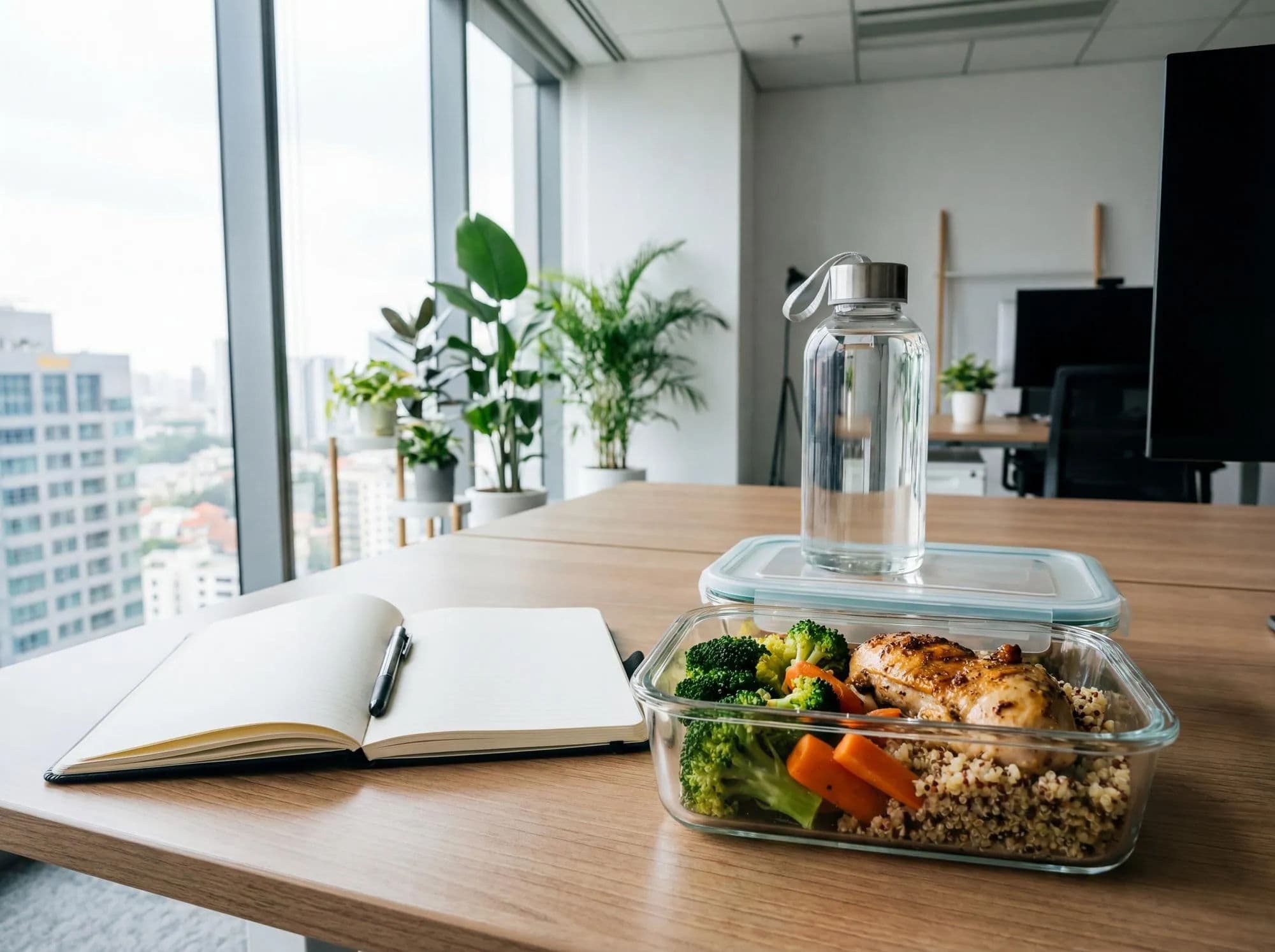
The best office lunch ideas are not the most impressive recipes. They are meals that still taste good after a commute, fit your workplace setup and do not create a complicated grocery list. Start by deciding how the lunch will be stored: cold with ice packs, in an office refrigerator, reheated in a microwave or held hot in a thermos. Then choose two or three base formulas you can repeat.
A reliable work lunch needs four parts: something filling, something fresh, a sauce or texture that keeps it interesting and a packing plan. If you only save random recipes, lunch becomes a daily decision again. If you save repeatable formulas, the workweek becomes easier.
First decide what kind of office lunch you can actually pack
Before choosing a recipe, answer three practical questions.
Do you have a refrigerator at work?
Do you have a microwave or only cold storage?
How long is the commute from your kitchen to lunch?
The USDA Food Safety and Inspection Service advises keeping perishable packed lunches cold during transport and at work, and using cold sources when refrigeration is not available. It also notes that perishable food should not sit at room temperature for more than two hours, or one hour when the temperature is above 90°F. That does not mean every lunch has to be complicated; it means your storage method should choose the recipe.
Use this simple filter:
No fridge, no microwave: choose shelf-stable items plus whole fruit, bread, crackers, nut or seed butter if allowed, sealed tuna or beans, and foods that are safe without refrigeration.
Fridge but no microwave: choose grain salads, pasta salads, wraps, bento boxes and cold plates.
Microwave available: choose bowls, soups, leftovers and reheatable cooked meals.
Thermos available: choose hot soups, stews, chili or saucy grains that stay hot when packed correctly.
10 office lunch ideas that are worth repeating
1. Grain bowl with one protein and one sauce
Use rice, quinoa, couscous, bulgur or another grain as the base. Add chicken, beans, lentils, tofu, eggs or another protein that fits your diet. Finish with roasted vegetables and one sauce: yogurt herb sauce, tahini, salsa, vinaigrette or a simple dressing. Pack sauce separately if the bowl gets soggy.
2. Pasta salad that does not rely on mayonnaise
Cold pasta works well when it has enough vegetables and a dressing that stays pleasant after chilling. Try pasta with cherry tomatoes, cucumber, olives, beans, tuna, chicken or mozzarella. Oil-and-vinegar dressings usually hold better than heavy creamy sauces, especially if the lunch will sit for several hours.
3. Bento-style lunch box
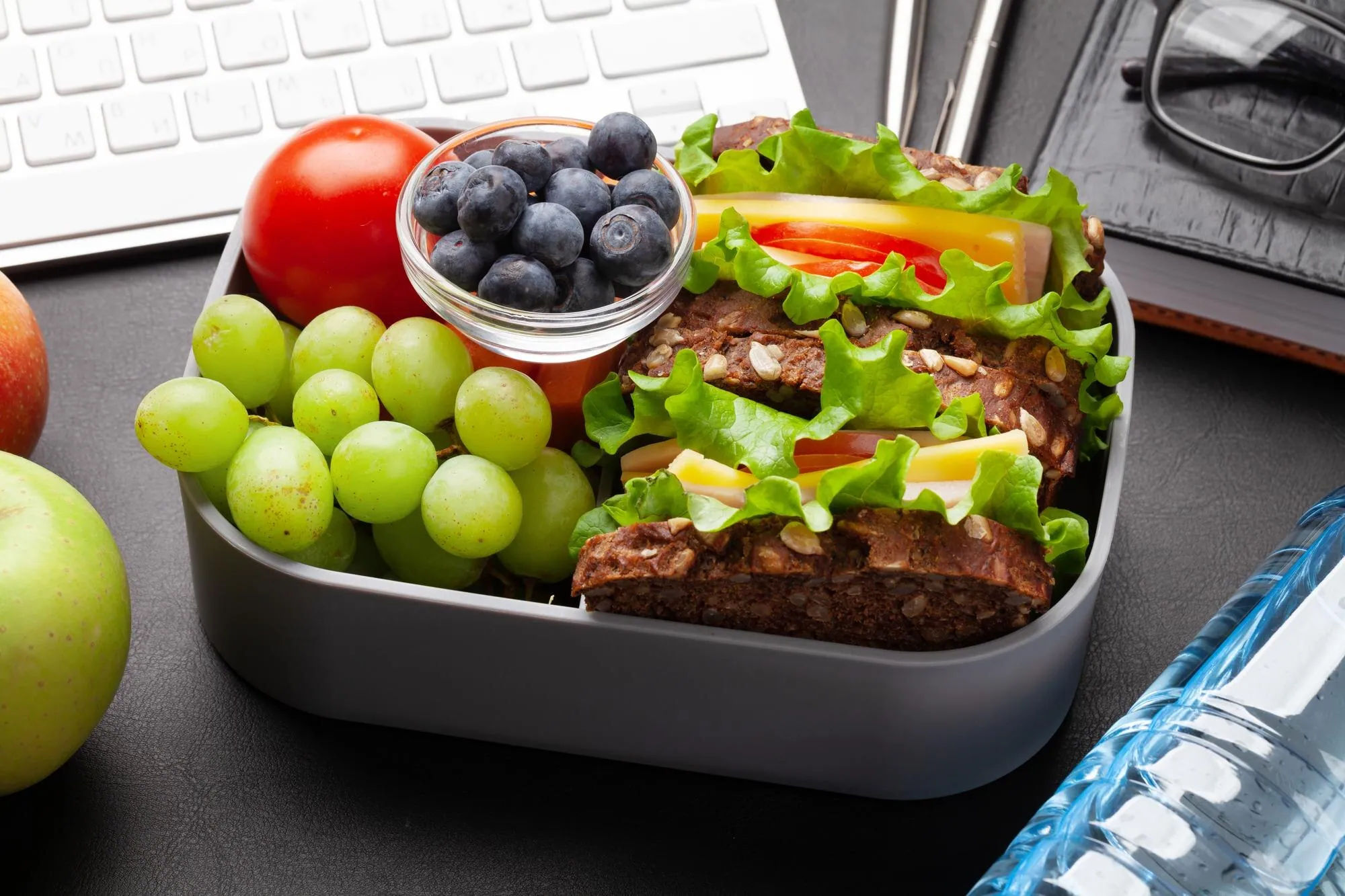
A bento-style office lunch is not about buying a special box. It means packing several small parts: a main, fruit, vegetables, a dip and a crunchy side. This works when you get bored with one large container. Keep wet foods separate from crisp items, and choose ingredients you can eat quickly between meetings.
4. No-microwave wrap
Wraps are useful when sandwiches feel repetitive. Use a tortilla, lavash, pita or flatbread with hummus, chicken, beans, vegetables, cheese or another filling. The key is moisture control: put lettuce or a dry layer between the bread and wet ingredients, and avoid overfilling.
5. Mason jar salad with the dressing on the bottom
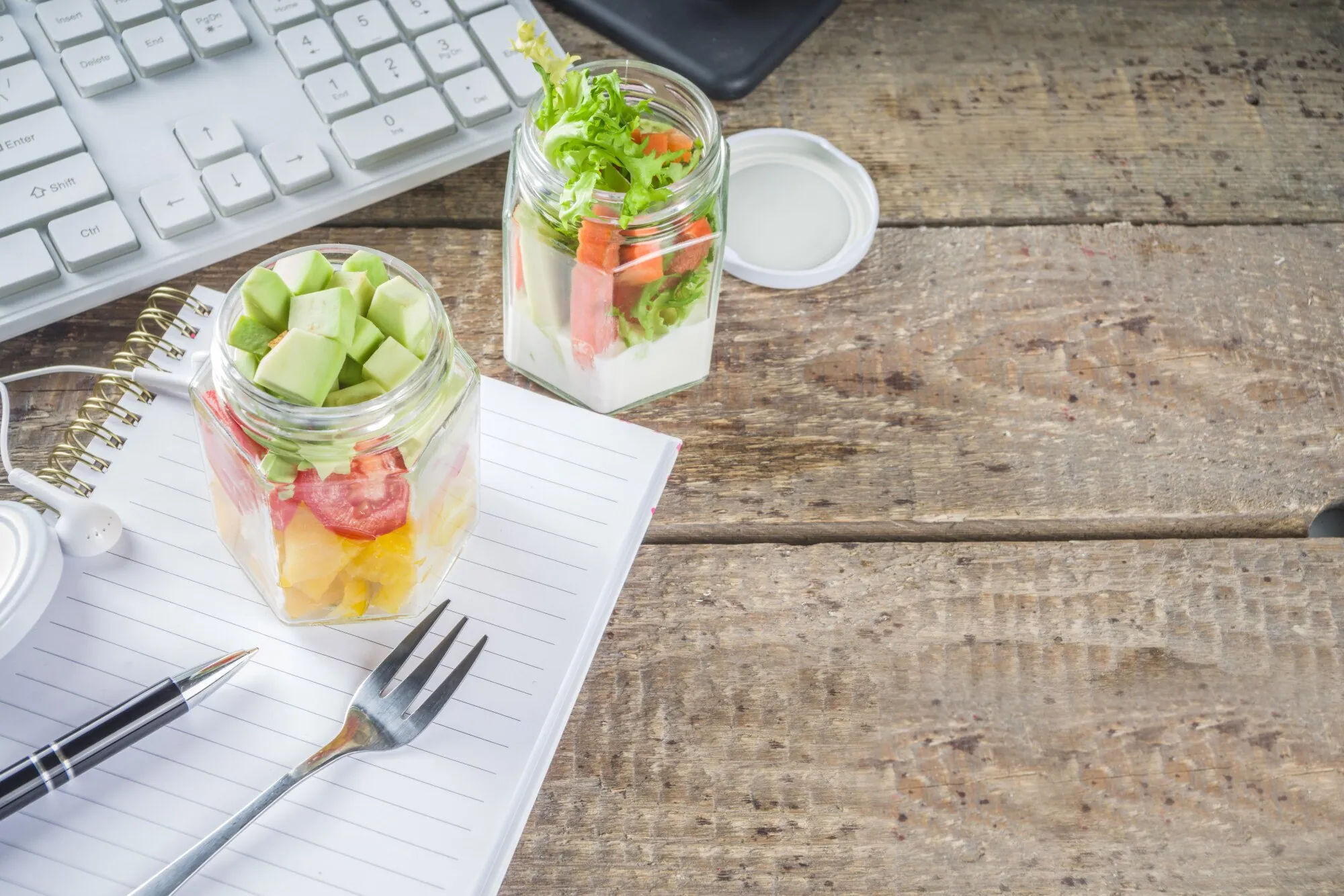
Layer dressing first, then sturdy vegetables, grains or beans, protein and greens at the top. At lunch, shake or pour into a bowl. This format is useful for people who want cold lunch ideas for work but do not want a limp salad. Choose enough protein and grains if salad alone does not keep you full.
6. Leftover dinner turned into a lunch bowl
The easiest work lunch is often last night's dinner, repacked deliberately. Turn roasted chicken into a rice bowl, cooked vegetables into couscous salad, meatballs into a grain bowl or beans into a wrap. Reserve the lunch portion before serving dinner so it does not become an accidental afterthought.
7. Soup or chili in a thermos
Soup, chili, lentil stew and curry-style dishes can be excellent office lunches when packed hot in a clean insulated container. Follow the container instructions and food-safety guidance. If your workplace has a microwave, you can also pack soup cold and reheat it there.
8. Adult snack plate
Use crackers, cheese or an alternative, boiled eggs or beans, fruit, vegetables and a dip. This works for lighter lunches or days with shorter breaks. It can become unbalanced if it turns into only snacks, so add a filling center instead of building the box from random leftovers.
9. Rice and beans with a fresh topping
Rice and beans are inexpensive, flexible and easy to repeat. Add salsa, pickled onions, cabbage, corn, avocado, yogurt sauce or herbs. Change the seasoning during the week so it does not feel like the same meal every day.
10. Cold noodle box
Use soba, rice noodles, spaghetti or another noodle that tastes good cold. Add shredded vegetables, tofu, chicken, edamame or egg, then pack a soy-ginger, peanut-style, sesame or citrus dressing separately. Check allergy rules if you pack peanuts, sesame or other common allergens.
Build a five-day office lunch plan
You do not need five unrelated recipes. A better system is two bases, two sauces and one flexible leftover day.
Example:
Monday: grain bowl with chicken, roasted vegetables and yogurt herb sauce.
Tuesday: pasta salad with beans, cucumber, tomatoes and vinaigrette.
Wednesday: wrap using the same chicken and vegetables.
Thursday: rice and beans with salsa and cabbage.
Friday: leftover dinner or adult snack plate.
This plan repeats ingredients without repeating the exact meal. It also makes grocery shopping easier: grains, vegetables, one or two proteins, fruit, wraps or pasta and two sauces.
Packing rules that prevent sad desk lunches
Keep texture separate
The most common office lunch problem is not flavor; it is texture. Crisp items soften, bread gets wet and greens collapse. Keep sauces separate, put wet ingredients away from bread and pack crunchy toppings in a small container.
Pack for your actual break
If you often eat in ten minutes, do not bring a lunch that needs assembly, heating and cleanup. Choose wraps, bento boxes or cold bowls. If your office microwave line is long, assume you may not use it.
Make the food easy to eat at a desk
Avoid lunches that smell strong, splash easily or require cutting unless you know your workplace setup allows it. A good office lunch should be practical in the real environment, not just attractive in a photo.
Check allergens and workplace rules
The FDA identifies milk, eggs, fish, crustacean shellfish, tree nuts, peanuts, wheat, soybeans and sesame as major food allergens in the United States. If your office has shared refrigerators, shared tables or allergy policies, respect them. Read labels and avoid guessing when cooking for a group.
How Dishday helps turn office lunches into a repeatable system
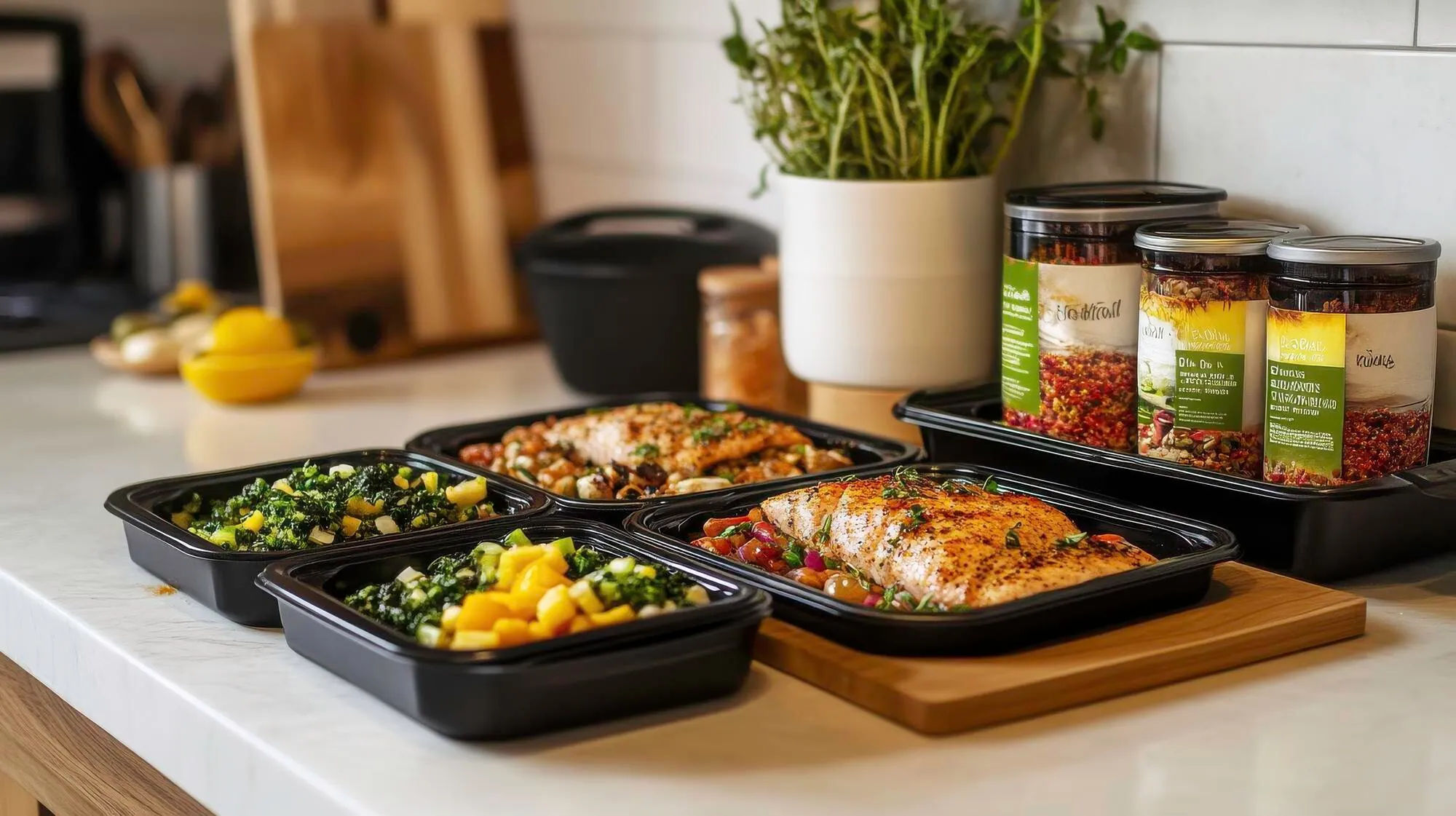
Dishday is useful when the problem is not one recipe, but the weekly loop: choosing lunch ideas, saving the ones that work, planning them across weekdays and turning the plan into a grocery list.
You can save an office lunch formula, add it to your week, reuse accepted lunches and connect ingredients to a shopping list. That matters because work lunches usually fail when they require fresh decision-making every morning.
If you are planning lunches and dinners together, start with a simple weekly plan in Dishday, add two lunch bases and let the grocery list show what you need to buy. You can also keep lunch ideas next to your saved recipes instead of losing them in notes or browser tabs.
Useful next steps:
Plan the week with the Dishday meal planner.
Turn planned meals into a grocery list.
Read how to meal prep for a busy week.
Learn how to make a grocery list from a meal plan.
Frequently asked questions
What is a good office lunch that does not need a microwave?
Good no-microwave office lunches include grain salads, pasta salads, wraps, bento boxes, adult snack plates, mason jar salads and cold noodle boxes. Choose ingredients that taste good cold and pack sauces separately.
How do I keep office lunch from getting soggy?
Separate wet and dry parts. Put dressing in a small container, keep crunchy toppings away from greens and place a dry layer between bread and moist fillings. Assemble at lunch if your break allows it.
Are leftovers safe for office lunch?
Leftovers can work if they were cooked, cooled, stored and transported safely. Keep perishable foods cold during transport and at work, or use an appropriate hot container for hot foods. When in doubt, follow current food-safety guidance rather than guessing.
What should I pack if my office has no fridge?
Use foods that do not require refrigeration, or pack perishable food with enough cold sources in an insulated bag. Shelf-stable options can include whole fruit, bread, crackers, nut or seed butter if allowed, unopened canned fish or beans and other safe pantry items.
How many office lunch recipes do I need for a week?
Usually two base recipes are enough. Repeat the base and change the sauce, side, wrap, grain or fresh topping. This gives variety without creating five separate grocery lists.
How can I stop buying lunch at work every day?
Start with a small target: pack lunch two or three days per week. Save the lunches that actually survive your commute and break schedule, then repeat them. A planned grocery list makes this easier than deciding every morning.