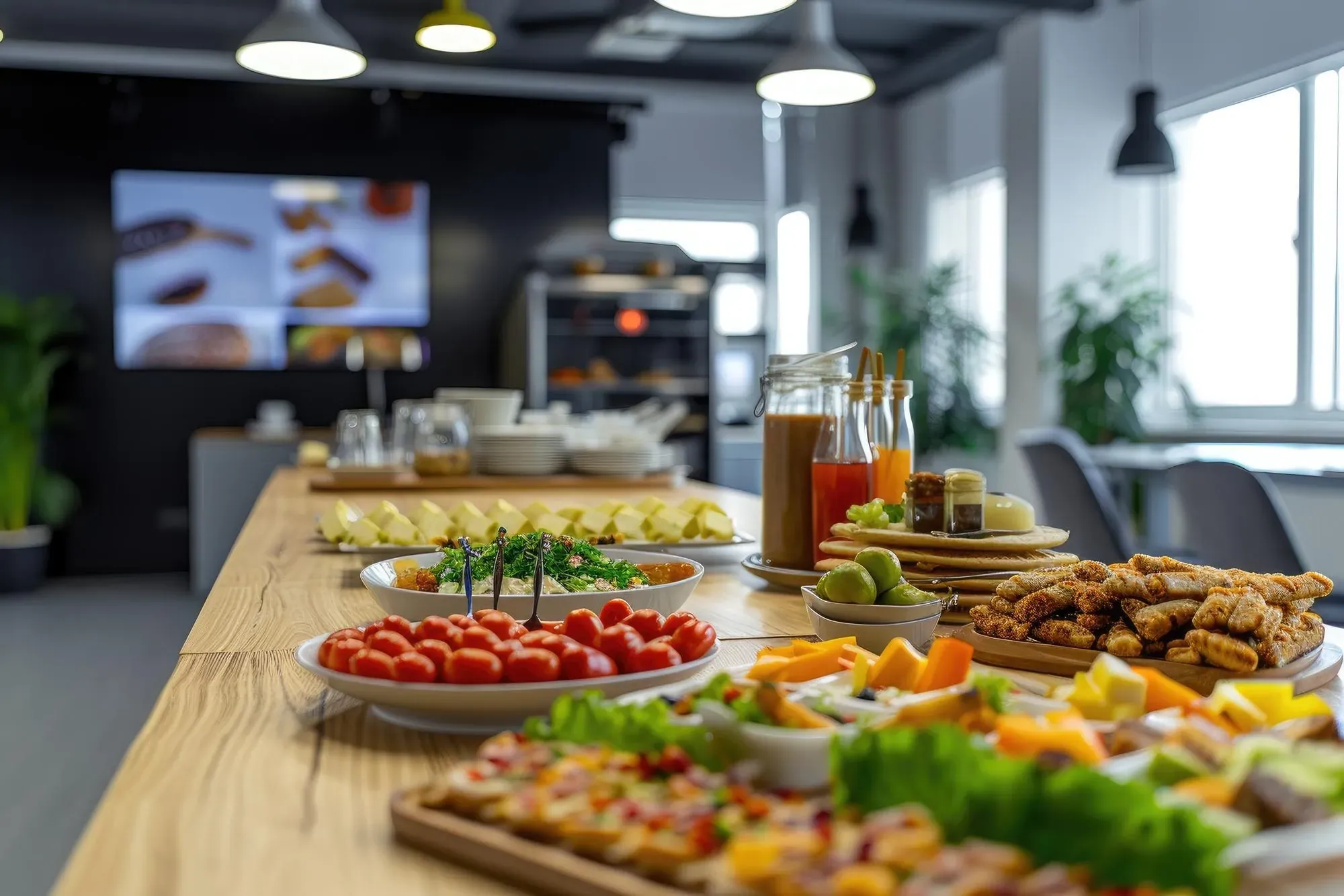

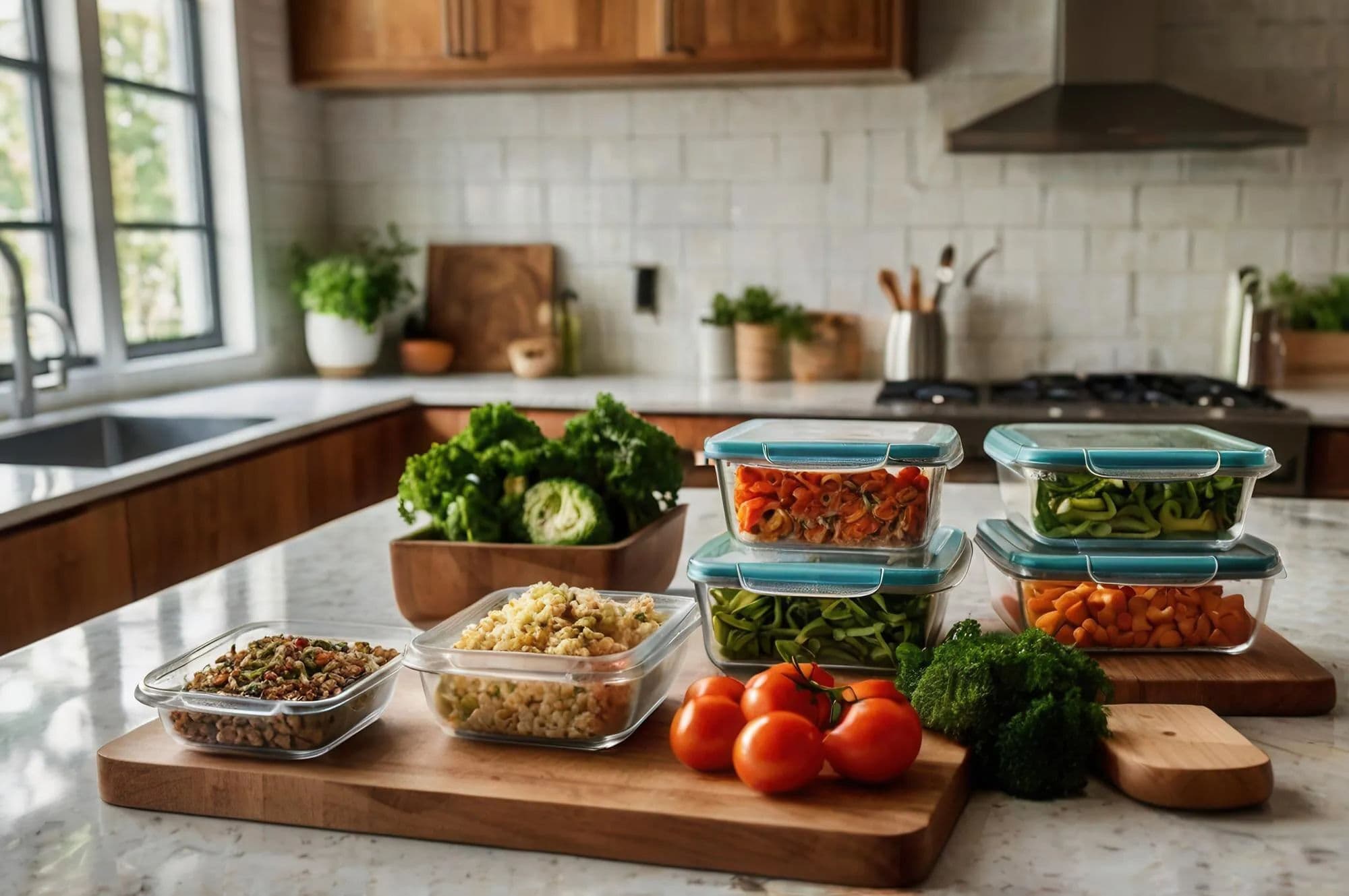
The most reliable meal prep for a busy week is not seven identical boxes or a Sunday spent cooking every meal. It is a small system: check when you will actually eat at home, choose three flexible meal anchors, prepare the components that save the most time, and keep two almost effortless backups.
Aim to remove decisions from the hardest parts of the week, not to predict every appetite. Cooked grains, roasted vegetables, a versatile protein or filling, one sauce, and a washed fresh element can become bowls, wraps, salads, soups, or quick skillet dinners. Refrigerate only what you will use safely in the next few days and freeze later-week portions early.
Start with the calendar, not a recipe collection
Before choosing food, mark the meals that need help. Note late workdays, school activities, travel, social plans, and evenings when somebody else will cook. A week with two dinners out and one late meeting does not need five prepared dinners.
Give each remaining meal a realistic label:
Ready now: a meal that only needs reheating or assembly.
Ten-minute finish: prepared components plus one quick step, such as boiling pasta or cooking eggs.
Cook normally: a calmer slot when a fresh meal is realistic.
Backup: a pantry or freezer option for a schedule change.
USDA MyPlate recommends looking at what you already have, writing down the week’s meals, considering your available time, planning for leftovers, and building a grocery list before shopping. That sequence is useful because it prevents meal prep from becoming a separate project disconnected from the week. See the official MyPlate weekly planning guidance.
Choose three meal anchors and two backups
A meal anchor is a format, not a rigid recipe. It tells you how prepared food will turn into a meal while leaving room for substitutions.
Anchor one: a bowl or salad
Combine a grain or other base, a protein or filling, vegetables, and a sauce. Keep wet and crisp elements separate until serving. The same components can be warm one day and cold the next, provided each ingredient is stored and handled appropriately.
Anchor two: a wrap, toast, or baked potato
Use the same filling in a tortilla, on toast, or over a baked potato. Add a fresh garnish, crunchy vegetable, pickle, or different sauce so the second meal does not feel like a copy.
Anchor three: a skillet, soup, or pasta finish
Reserve one component for a hot transformation. Roasted vegetables can go into pasta; cooked beans can thicken a soup; a grain can become a skillet meal. Prepare the slow part in advance and leave a quick texture-sensitive step for the evening.
Your two backups should require little or no preparation: for example, frozen soup, eggs and toast, canned beans with a shelf-stable grain, or another combination your household will genuinely eat. A backup is part of the plan, not evidence that the plan failed.
Prep components that can change direction
Complete boxed meals are convenient when the schedule is predictable. Components are more resilient when plans and appetites change. Choose one item from each useful role rather than making many unrelated recipes.
Base: rice, quinoa, pasta, potatoes, bread, or another suitable staple.
Protein or filling: beans, lentils, tofu, eggs, poultry, meat, fish, or another option appropriate for the household.
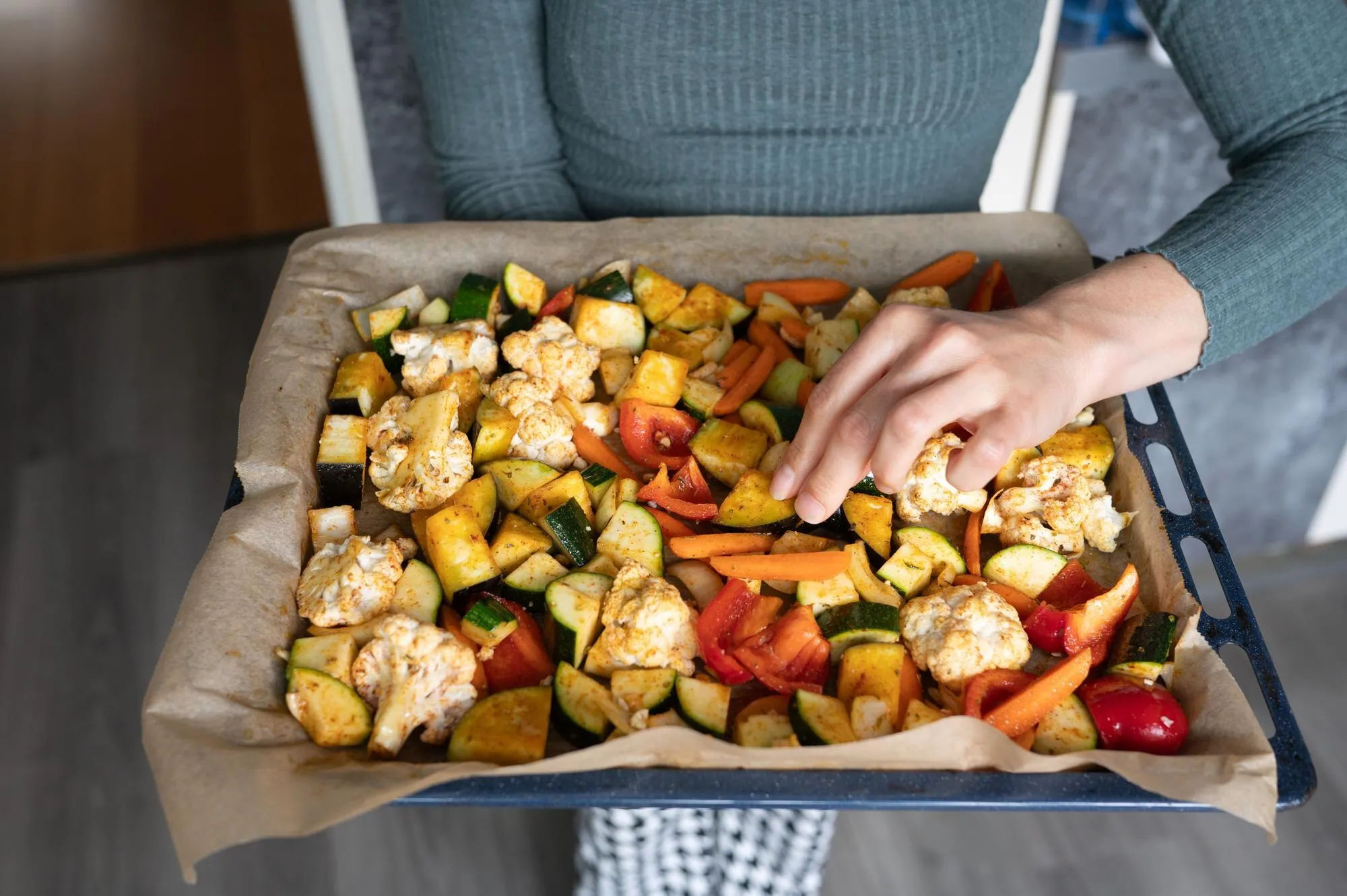
Cooked vegetables: a tray of vegetables that can work hot or cold.
Fresh element: washed greens, fruit, chopped herbs, or a sturdy raw vegetable.
Flavor bridge: dressing, salsa, pesto, yogurt sauce, or a spice mixture.
Overlap should be intentional but not total. Two or three meals can share roasted vegetables while changing their base and seasoning. Avoid preparing every dish with the same sauce, texture, and garnish; repetition usually feels strongest in the final details.
The USDA’s MyPlate planning-and-prepping resource suggests choosing ingredients that work across several recipes and preparing tasks such as chopping vegetables, washing greens, cooking grains, or marinating proteins ahead. Treat that as a menu of options, not a requirement to do everything in one session. Read the official MyPlate planning and prepping resource.
Build one short grocery list from the overlap
Write the anchors first, then list only what is missing. Check the refrigerator, freezer, and pantry before adding anything. Group the list by produce, proteins, refrigerated items, pantry goods, and freezer items so duplicated ingredients are easier to see.
Ask four questions before buying a large package:
Which specific meals use it?
How much will those meals consume?
Can the unused portion be frozen or used next week?
Is a smaller package worth the higher unit price because it prevents waste?
Buy ingredients for the planned number of servings, not for an imaginary perfect week. If one person will eat lunch away from home twice, reduce the prepared lunch portions. If preferences differ, keep sauces and toppings modular instead of making two completely separate menus.
Use a prep order that reduces waiting and cross-contamination
A focused session can be more useful than an all-day cook. Read every recipe, clear the work surface, set out clean containers, and decide where each finished item will cool before starting.
Start the longest unattended task, such as a pot of grains or the oven.
Wash produce and prepare items that will be eaten raw on a clean surface.
Cut vegetables for roasting and start the sheet pan.
Prepare sauces or dressings that can be stored safely.
Handle raw meat, poultry, seafood, or eggs separately, using clean equipment and the correct cooking temperatures.
Portion finished food into shallow containers and label it with the contents and date.
Clean the kitchen, then place the first planned meal where it is easy to see.
The official FoodSafety.gov method is clean, separate, cook, and chill. It recommends separate boards or plates for raw animal foods and ready-to-eat foods, a food thermometer for safe cooking, and prompt refrigeration. Review the current four steps to food safety before a large batch session.
Cool, label, refrigerate, and freeze safely
Meal prep creates larger quantities, so cooling and storage are part of cooking—not cleanup to postpone. FoodSafety.gov says refrigerators should be at 40°F (4°C) or below and freezers at 0°F (-18°C) or below. Perishable food should be refrigerated within two hours, or within one hour when exposed to temperatures above 90°F (32°C). Divide large amounts into shallow containers so they cool promptly.
USDA’s general guidance is to use most cooked leftovers within three to four refrigerated days and reheat leftovers to 165°F (74°C). Different foods can have different limits, so use the official USDA leftovers and food-safety guidance or the FoodKeeper resource for a particular item.
Label each container with the food and original cook or prep date. If a portion is meant for later in the week, freeze it as soon as you know it will not fit inside its safe refrigerator window. Do not rely on smell or appearance to prove that uncertain food is safe.
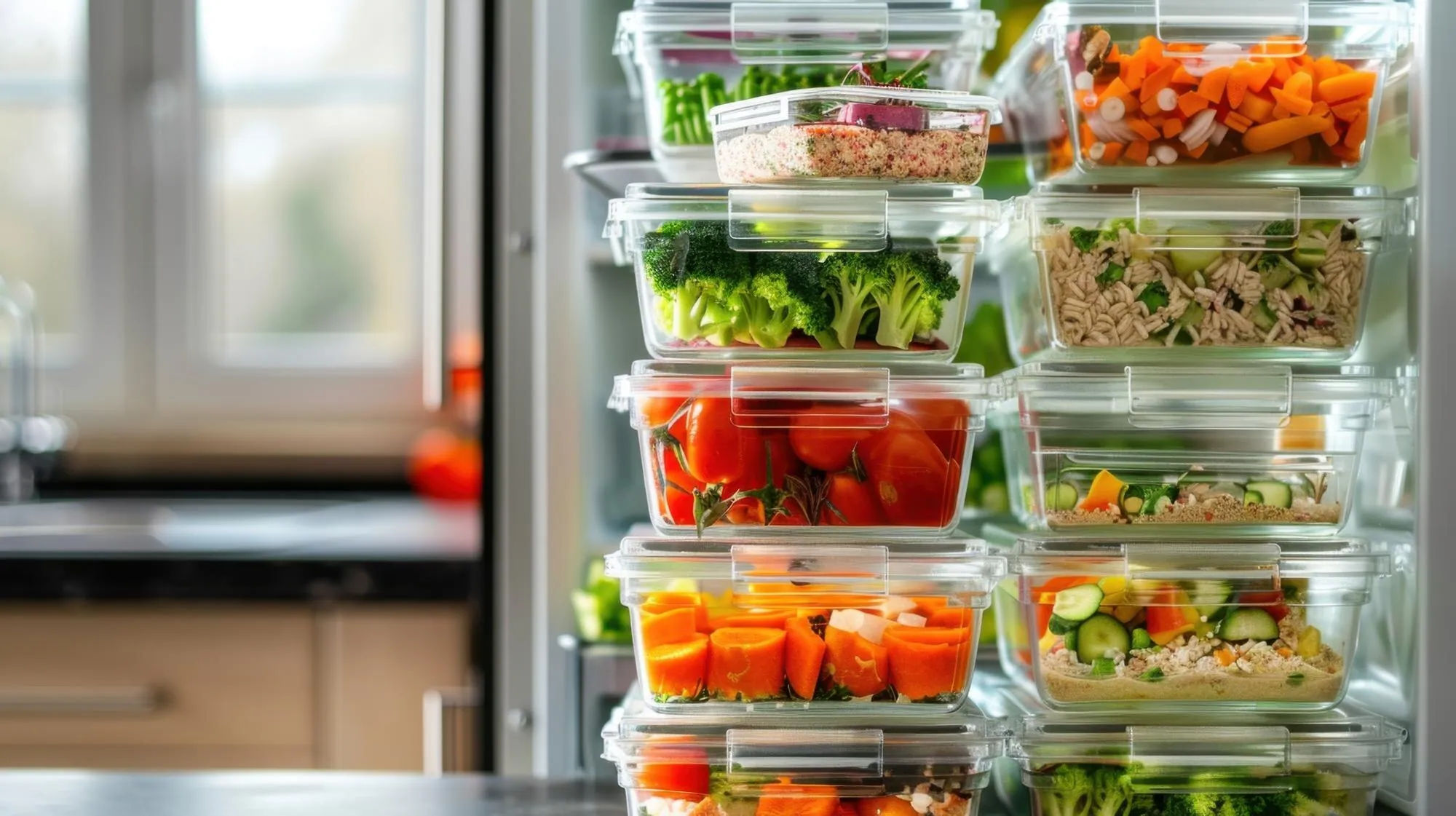
A practical five-day meal-prep example
Imagine a week with late work on Monday and Wednesday, a normal Tuesday, dinner out on Thursday, and an uncertain Friday. The plan needs two ready dinners, flexible lunches, and a backup—not five complete dinners.
Sunday preparation
Cook a grain, roast two trays of mixed vegetables, prepare beans or another suitable filling, make one dressing, wash sturdy greens, and freeze two portions of an already-cooked soup. Store each component separately and date it.
Monday and Tuesday
Make Monday’s dinner a ready bowl with grain, filling, vegetables, greens, and dressing. Pack Tuesday’s lunch from the same components, but change the format with a wrap and a crunchy garnish. Cook a fresh, simple dinner Tuesday if the calendar allows.
Wednesday through Friday
Use the remaining refrigerated components for Wednesday’s quick skillet or soup finish, following safe storage and reheating guidance. Thursday needs no home dinner. Keep Friday flexible: thaw a frozen soup safely if it is needed, or leave it frozen for another week if plans change.
This example works because the prep has named destinations and an exit route. It does not depend on eating a refrigerated Sunday meal at the end of the week.
Fix the plan when real life changes
When a meal moves or disappears, make a decision immediately:
Eat sooner: move the most perishable safe component to the next lunch.
Freeze: freeze an appropriate portion before its refrigerator window ends.
Repurpose: change a bowl into a wrap, soup, or skillet meal.
Reduce next time: prepare fewer servings of the component that repeatedly remains.
If meal prep becomes exhausting, shrink the session. Wash produce, cook one base, and prepare one sauce. If food feels repetitive, keep components plain enough to accept two flavor directions. If the refrigerator becomes crowded, prep fewer refrigerated portions and use the freezer deliberately.
For a safety-first method when prepared food remains unused, follow the guide to use leftovers before they go bad. If shopping is the recurring problem, continue with how to plan meals on a budget.
How Dishday can keep prep tied to the week
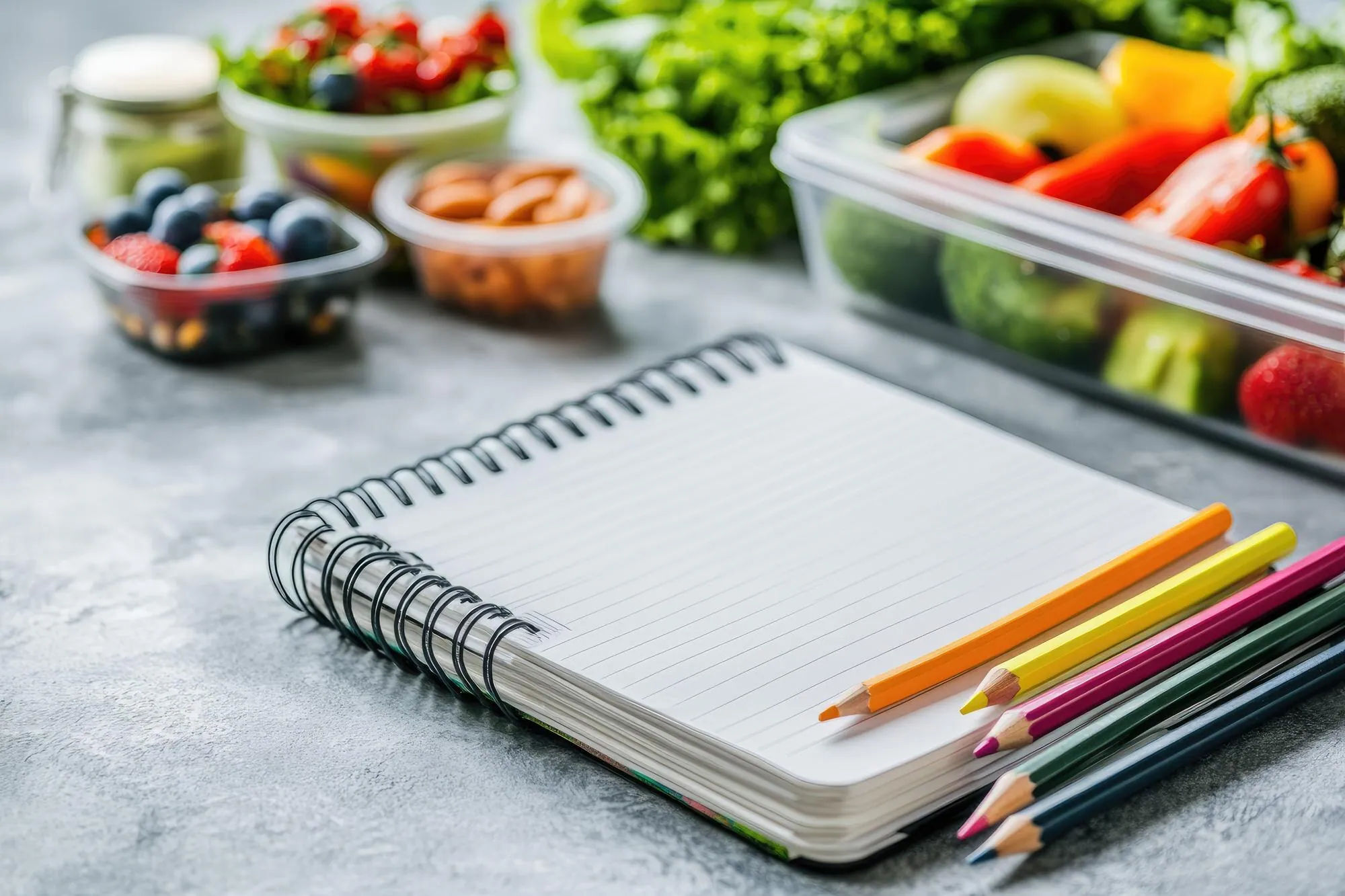
This method works with a notebook, labels, and a grocery list. If you prefer one connected place, the Dishday meal planner can hold the meals assigned to each day, while its grocery-list feature helps collect ingredients from selected recipes for review.
Dishday cannot know whether food was cooled safely, how long it sat out, or whether a stored component is still safe. Keep dates on the containers and make food-safety decisions using official guidance. Use the app to remember the intended meal, not to replace a thermometer or your judgment.
Check the week before you stop prepping
Does every prepared component have at least one named meal?
Are the busiest slots covered by ready or ten-minute options?
Are raw and ready-to-eat foods being handled separately?
Will refrigerated food be used within its safe window?
Are later portions labeled and frozen early?
Are there two backups for schedule changes?
Is the first meal visible and easy to assemble?
If the plan needs a long explanation, simplify it. A useful meal-prep system should make the next hard decision obvious.
Frequently asked questions
How many meals should I prep for a busy week?
Prep only for meals you expect to eat at home and prioritize the hardest time slots. Many weeks need two or three prepared anchors plus flexible components and backups, not a complete set of breakfasts, lunches, and dinners.
How long does weekly meal prep take?
It depends on the menu and household, but duration is less important than scope. Set a firm task list: one base, one filling, one vegetable tray, one sauce, and basic washing or chopping. Stop when those high-value tasks are complete.
Is it better to prep full meals or ingredients?
Full meals are convenient for predictable schedules. Separate components are easier to remix when plans change or household preferences differ. A hybrid approach—one ready meal plus several flexible components—often provides both speed and variety.
How do I keep meal prep from tasting repetitive?
Change the final format and flavor rather than cooking an entirely new menu. Use the same vegetables in a warm bowl and a wrap, keep sauces separate, and add fresh herbs, pickles, citrus, or a crunchy topping at serving time.
Should I refrigerate a full week of prepared food?
Not automatically. USDA’s general refrigerator guidance for most cooked leftovers is three to four days at 40°F (4°C) or below, and specific foods vary. Refrigerate near-term portions and freeze suitable later-week portions early.
What if I miss a planned meal?
Reassign the food immediately. Move it to the next meal, freeze it while it is still safely within its storage window, or repurpose it. Do not leave it in the refrigerator without a date and hope the week returns to the original schedule.
Make next Monday easier
Look at the coming week and choose the two moments when cooking will be hardest. Prepare only what removes those decisions, label every container, and give later portions a freezer plan. If you want the meals and grocery list in one weekly view, download Dishday on the App Store after the practical plan is clear.