
The quickest way to use leftovers before they go bad is to stop treating the refrigerator as one mixed collection. First remove anything with an unsafe or unknown handling history. Label the remaining food with its original cook date, choose the oldest safe items, and give each one a specific next use: eat, transform, freeze, or discard.
You do not need a recipe for every container. Most leftovers become easier to use when you identify their role—base, protein, vegetable, sauce, or complete meal—and combine only two or three into a familiar format. Safety comes before saving money: when the storage history is uncertain, do not taste the food to investigate.
Start with the safety decision
Ask four questions before planning a second meal:
When was the food cooked, served, or brought home?
Was it refrigerated promptly?
Has the refrigerator stayed at 40°F (4°C) or below?
Has the food already been reheated, thawed, or left out again?
USDA FSIS advises refrigerating perishable leftovers within two hours, or within one hour when the surrounding temperature is above 90°F (32°C). Large amounts should be divided into shallow containers so they cool quickly. Its general guidance is to use refrigerated leftovers within three to four days and reheat them to 165°F (74°C). Read the complete USDA leftovers and food safety guidance for safe cooling, freezing, thawing, and reheating.
Those limits are not permission to rescue food that was handled badly. The FDA notes that harmful food can look, smell, and taste normal. Discard a perishable leftover if you cannot establish when it was made or whether it stayed cold enough. Use the official FoodKeeper resource or your local food-safety authority when a particular food needs more specific guidance.
Make a five-minute leftover map
Take every leftover out long enough to identify it, but return perishable food to the refrigerator promptly. Write the original cook date on each container. If two foods were combined later, use the earlier date as the conservative reference.
Then sort the safe food into four decisions:
Eat next: complete meals and delicate foods that are still within their safe window but losing quality.
Transform: plain components that can become a different meal with one fresh ingredient or sauce.
Freeze now: safe food you will not realistically eat before its refrigerator window ends.
Discard: food with an unsafe or unknown history, visible mold, damaged packaging, or other signs that make it questionable.
Put the “eat next” containers together at eye level. A label is useful only if the food is visible enough to act on it.
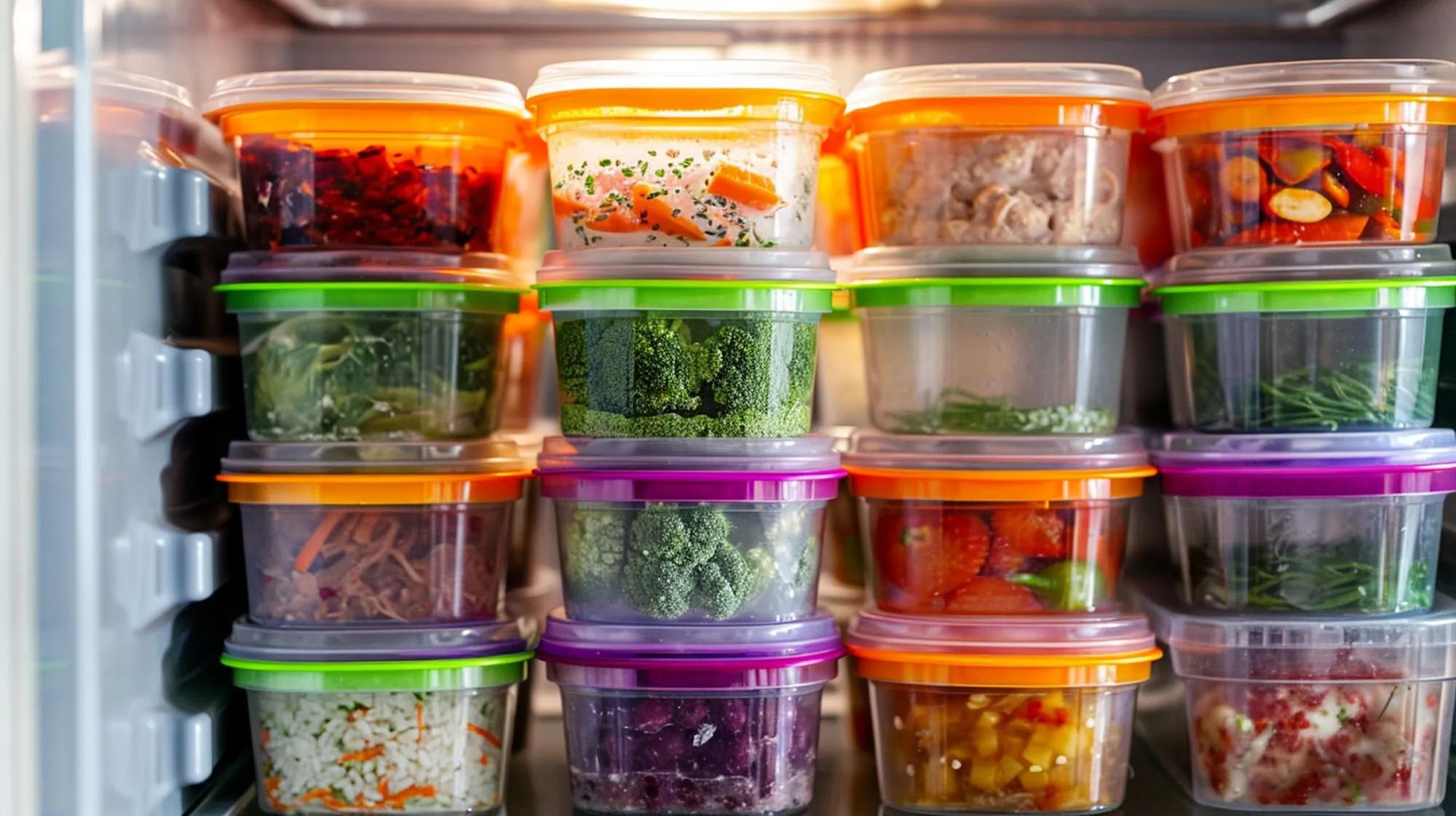
Choose by time and flexibility, not portion size
The largest container is not automatically the most urgent. Prioritize by safety window, original date, quality, and how easily the food fits an upcoming meal.
A small portion of cooked fish or a dressed salad may deserve attention before a larger pot of soup. Plain rice, roasted vegetables, beans, or cooked meat may be more flexible, but they still need a dated plan. When two items have similar urgency, use the one that completes a meal without creating more leftovers.
Do not keep moving an unwanted container to the back. If nobody intends to eat it and freezing is not suitable, discard it and adjust the next batch size. Avoiding a repeat is more useful than preserving the appearance of zero waste.
Match leftovers to a meal role
Instead of asking “Which recipe uses all of this?”, identify what each item can contribute:
Base: rice, pasta, potatoes, grains, bread, noodles.
Protein or filling: cooked beans, lentils, meat, poultry, fish, tofu, or another suitable option.
Vegetable: roasted, steamed, sautéed, or raw vegetables that remain safe.
Binder: egg, sauce, broth, yogurt, cheese, mashed beans, or another appropriate ingredient.
Flavor change: herbs, spices, pickles, citrus, salsa, dressing, or a condiment.
Most second meals need one base, one substantial component, and one flavor direction. They do not need every leftover at once. Keep incompatible foods separate and plan another use for them.
Use a transformation that changes the experience
Simply reheating the same plate is efficient, but people often avoid it because it feels repetitive. Change the texture, format, or seasoning while keeping the number of new ingredients small.
Build a bowl, wrap, or toast
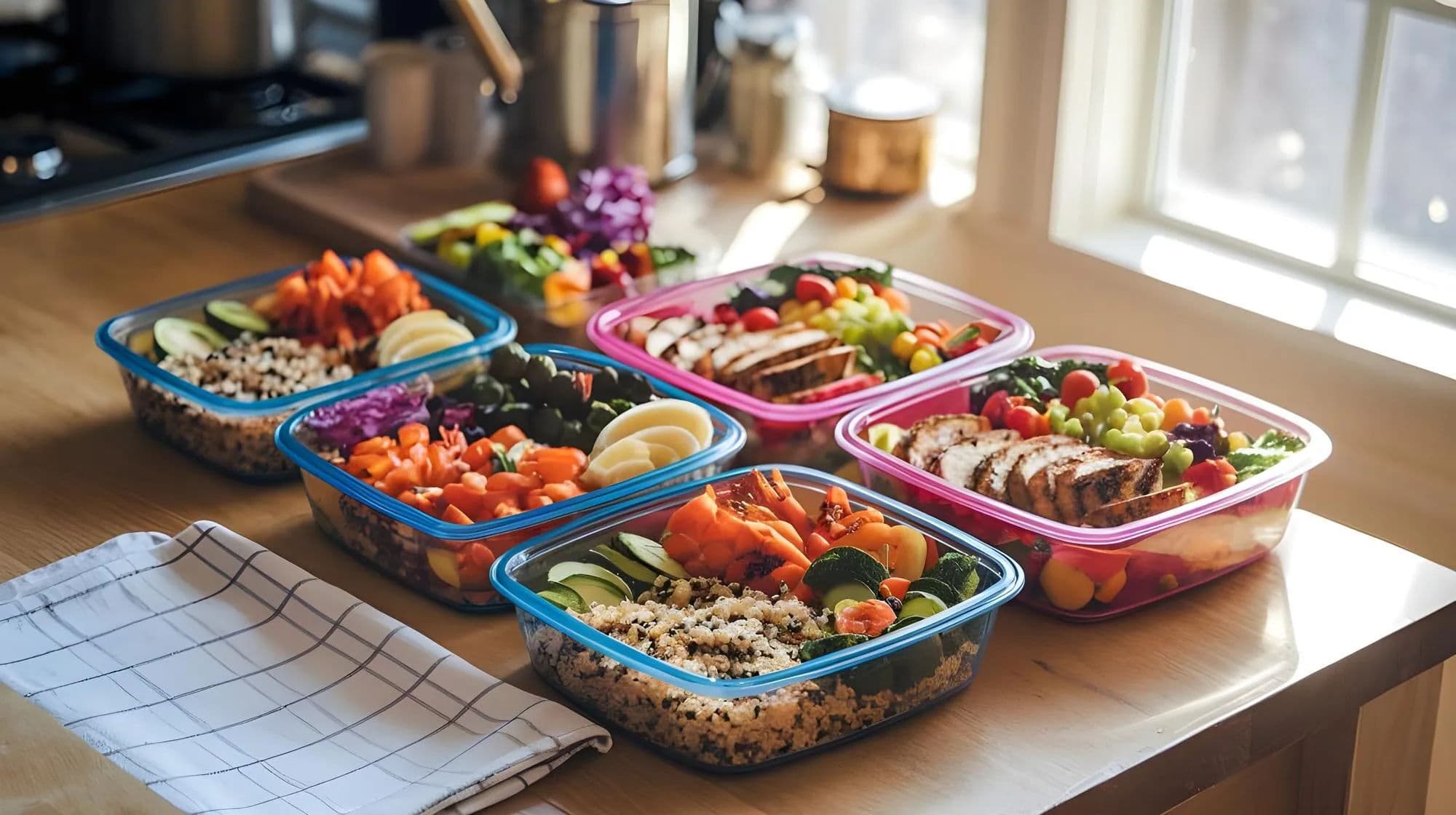
Warm a safe grain or chopped potato, add a cooked protein and vegetables, then finish with a contrasting sauce or crunchy topping. The same components can become a wrap or go on toast when the original meal was already a bowl.
Keep cold and hot elements separate until serving. If allergies or medical diets matter, recheck every sauce, garnish, and packaged ingredient rather than assuming the original meal remains suitable after the transformation.
Turn components into soup, stew, or a skillet meal
Broth or tomato sauce can connect small portions of vegetables, beans, grains, or safely handled cooked protein. Add ingredients in an order that protects texture: develop the fresh aromatics first, heat the liquid, and add already-cooked delicate items near the end.
A skillet meal works when moisture can evaporate and ingredients can heat evenly. Do not overload the pan with several cold containers. Reheat leftovers thoroughly and verify 165°F (74°C) in more than one place when the mixture is dense or heated in a microwave.
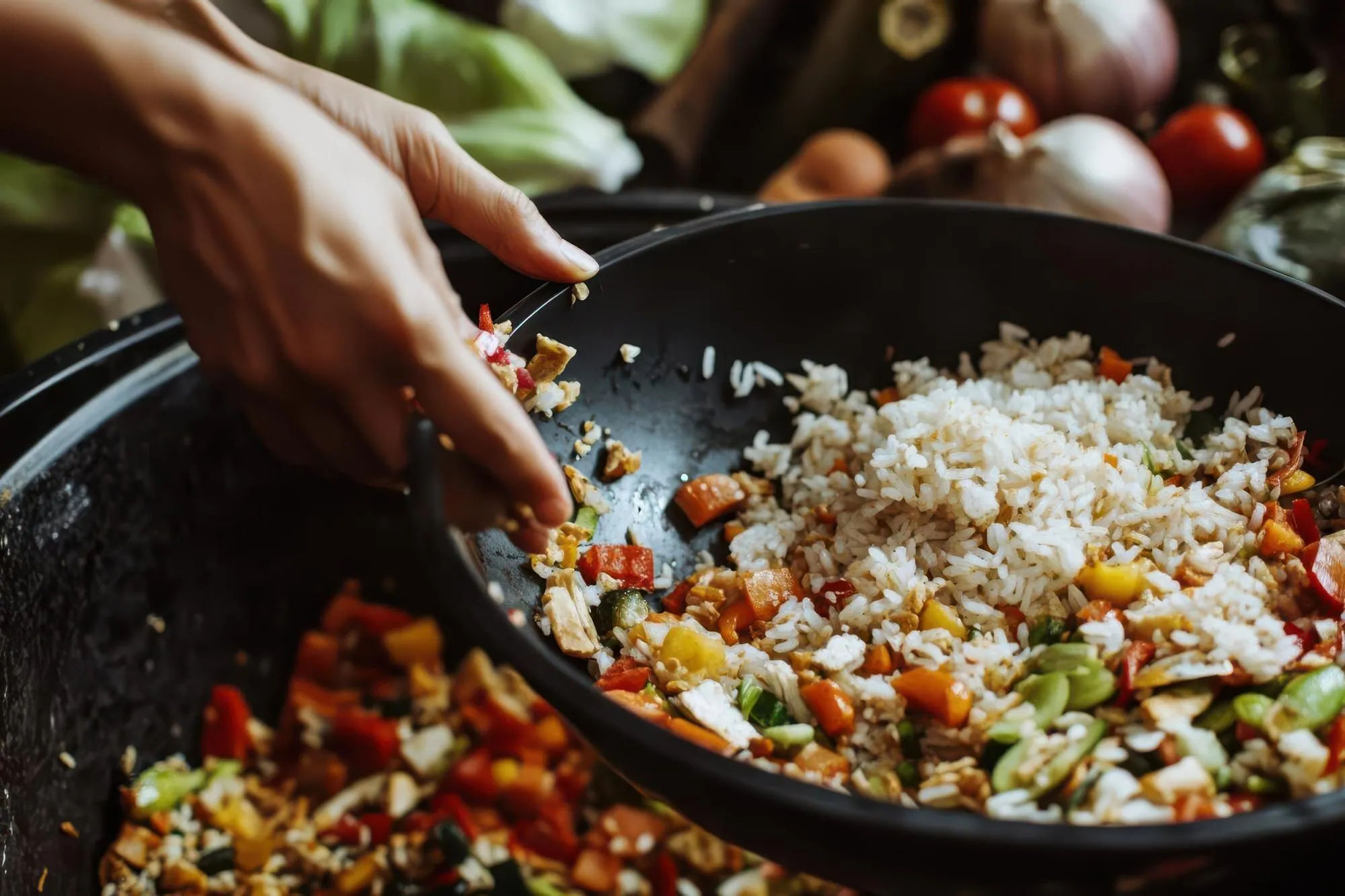
Use a baked or egg-based format
Small amounts of vegetables, grains, potatoes, or suitable cooked protein can become a frittata, savory pancake, pasta bake, stuffed vegetable, or topped baked potato. The binder makes scattered pieces feel intentional.
This is a format, not a safety shortcut. Cook eggs and other new ingredients to their safe temperatures, heat the leftover components fully, and avoid using a large dish merely to hide food nobody wants.
A practical two-dinner example
Imagine the refrigerator contains two cups of rice from Monday, roasted vegetables from Tuesday, one portion of chicken or beans, half a jar of sauce, and enough soup for one lunch. Everything was cooled promptly, labeled, and remains inside its appropriate storage window.
Dinner one: use the least flexible food
Serve the soup at lunch and use the chicken or beans at dinner because that portion is small and easy to forget. Combine it with some rice and vegetables in a skillet, reheat thoroughly, and finish with the sauce. Reserve only the amount that has a named second destination.
Dinner two: change the format
Turn the remaining rice and vegetables into a frittata, baked rice dish, or warm grain bowl, depending on household preferences and ingredients. Add a fresh side if needed. If dinner two will fall outside the safe refrigerator window, freeze the components now instead of hoping the schedule stays unchanged.
The example succeeds because it assigns food to actual meals, not because it forces every item into one recipe.
Freeze what will miss the refrigerator window
Freezing is most useful as an early decision. USDA says leftovers can be frozen within the three-to-four-day refrigerator period; freezing sooner usually protects quality better. Portion food according to how it will be used, leave suitable expansion space, seal it well, and label the contents, cook date, and freeze date.
Not every food returns with the same texture. Crisp coatings may soften, emulsified sauces may separate, and some high-water vegetables become softer. That is a quality tradeoff, not a reason to leave a safe leftover in the refrigerator until it becomes uncertain.
Thaw in the refrigerator, in cold water using safe handling, or in the microwave followed by immediate heating. USDA also allows many frozen leftovers to be reheated without thawing. Follow the food-specific instructions and bring reheated leftovers to 165°F (74°C).
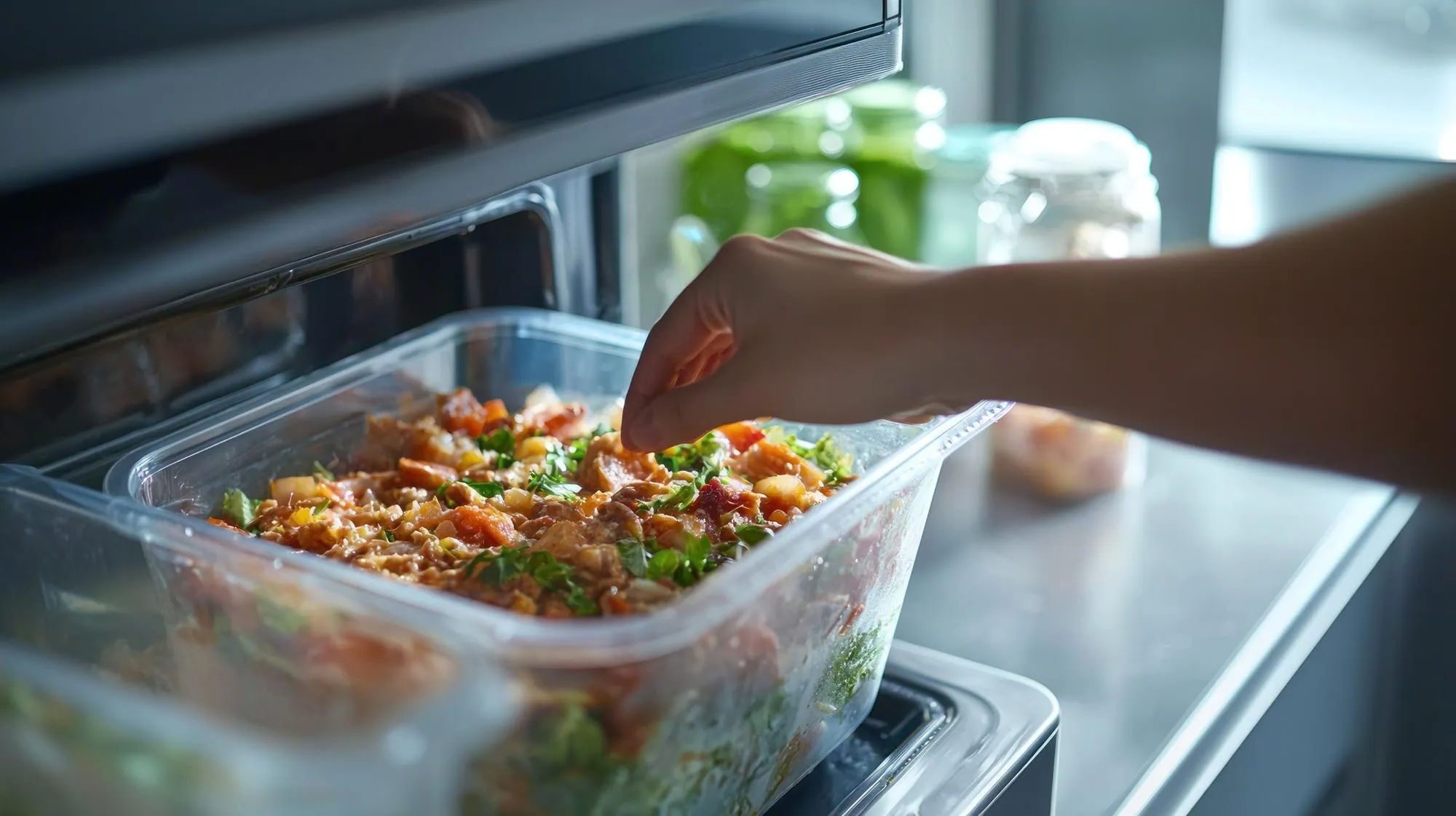
Prevent the next mystery-container problem
The EPA's current guidance for preventing wasted food at home recommends clear, labeled containers and planning ways to repurpose safe leftovers. Turn that advice into a small routine:
Label food when it goes into storage, not the next day.
Reserve leftovers in portions that match a real lunch or dinner.
Add the second use to the calendar before cooking a large batch.
Keep one visible “eat next” zone in the refrigerator.
Check that zone before planning or shopping.
Freeze the food as soon as the schedule makes its timely use unlikely.
For the next grocery trip, use the guide to check pantry food before buying more. If leftovers keep appearing because the original plan buys too much, continue with meal planning on a budget.
How Dishday can keep a second use visible
The method above works with tape, a marker, and a calendar. If you prefer a connected plan, the Dishday meal planner can place a leftover lunch or transformed dinner into the week, while the grocery-list feature helps review only the fresh ingredients needed to complete it.
Dishday cannot determine whether a leftover was cooled safely, how long it sat out, or whether it remains safe to eat. Keep the original cook date on the container and make the safety decision yourself. Use the app only to keep the intended second meal from disappearing behind newer food.
Check the plan before cooking
Can you confirm the original date and safe handling history?
Is the food still inside the appropriate storage window?
Does the chosen meal use the most urgent safe item first?
Are new ingredients limited to what the meal actually needs?
Will every reheated portion reach 165°F (74°C)?
Should any remaining portion be frozen now?
If the first two answers are no, discard the food. A creative recipe cannot repair an unsafe history.
Frequently asked questions
How long can leftovers stay in the refrigerator?
USDA's general rule for refrigerated leftovers is three to four days at 40°F (4°C) or below, but some foods need specific guidance. Count from the original cooking or preparation date and consult FoodKeeper or your local authority when unsure.
Can I eat leftovers if they smell fine?
Smell can reveal spoilage, but it cannot prove safety. FDA warns that food containing harmful pathogens may look, smell, and taste normal. Use time, temperature, and handling history; discard uncertain food without tasting it.
When should I freeze leftovers?
Freeze safe leftovers as soon as you know you will not use them in time. USDA permits freezing within the general three-to-four-day refrigerator period, but earlier freezing usually preserves better quality.
What can I make from several unrelated leftovers?
Sort them into a base, protein or filling, vegetables, binder, and flavor change. Combine two or three compatible items in a bowl, wrap, soup, skillet meal, frittata, or bake instead of forcing every container into one dish.
Can reheating make old leftovers safe again?
Reheating safe leftovers to 165°F (74°C) is important, but it does not correct an unknown storage history or excessive time at unsafe temperatures. When the date or handling is uncertain, discard the food.
How can I remember to eat leftovers?
Label every container with its original date, keep an “eat next” area at eye level, and schedule a specific lunch or dinner. Freeze the portion early when the calendar shows that it will not be used in time.
Give one safe leftover a destination
Choose the oldest safe container, write its date and next meal on the label, and move it to the front of the refrigerator. If a weekly plan would help keep that promise visible, download Dishday on the App Store after the safety check is complete.