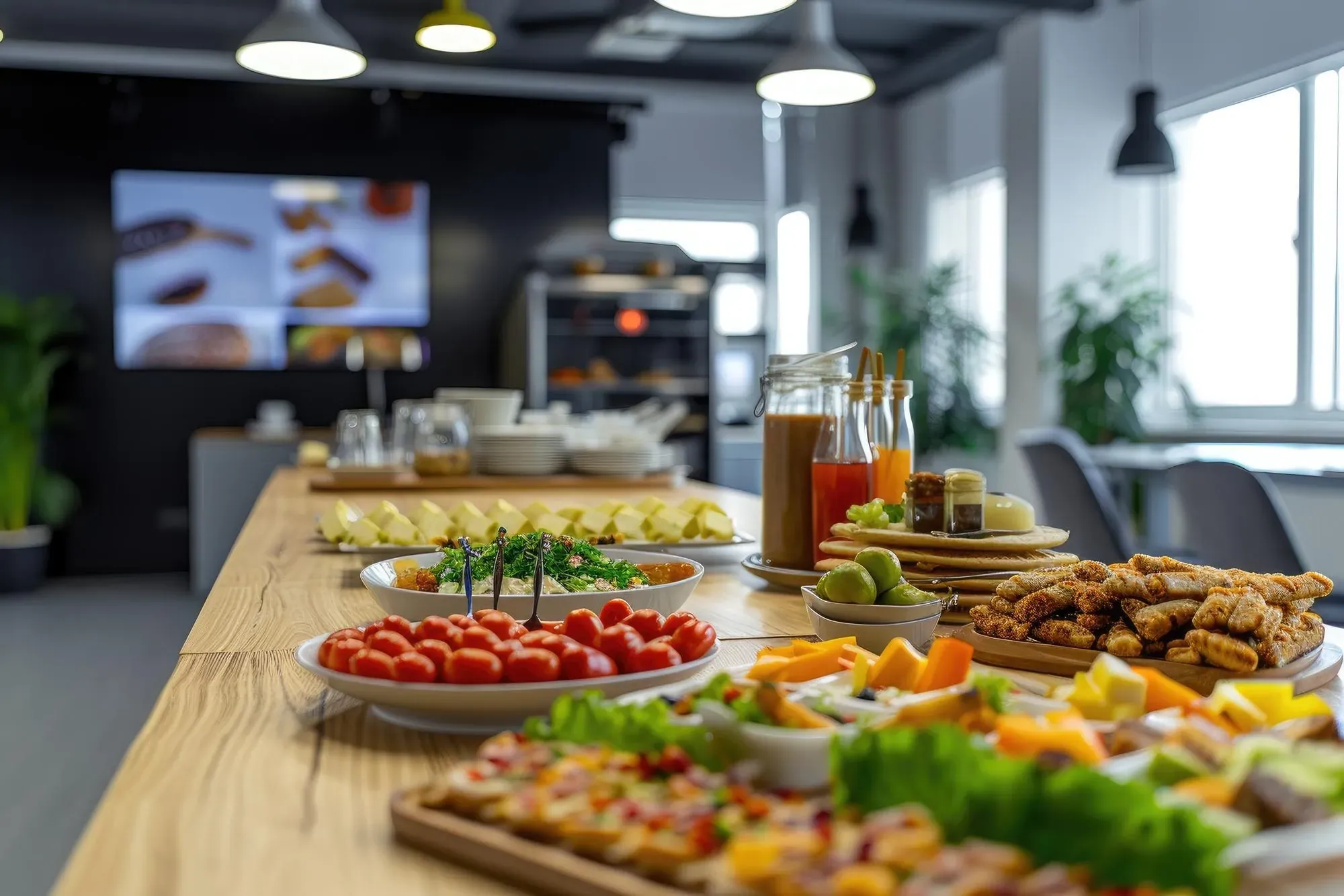

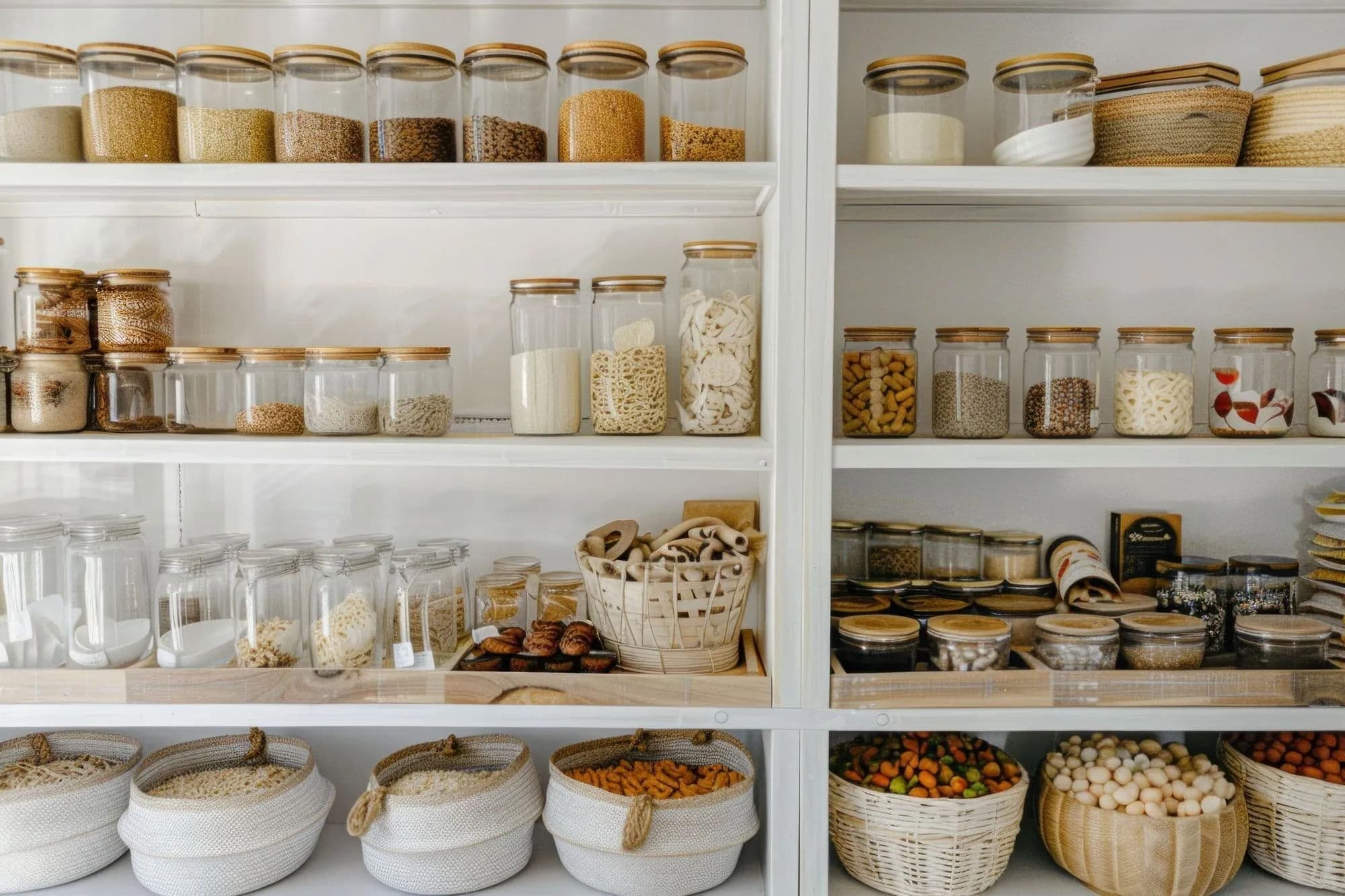
Before you make a grocery list, check the pantry, refrigerator, and freezer and decide which meals those foods can already cover. Mark the items that should be used first, choose a few flexible meals around them, and buy only the missing ingredients. This short pantry-first routine makes existing food visible before another bag of groceries hides it.
You do not need a perfect inventory or a week of strict recipes. You need a quick, repeatable check that answers three questions: What is here? What should be used soon? What small gaps prevent these foods from becoming meals?
The U.S. Environmental Protection Agency gives similar planning advice: look in the refrigerator, freezer, and pantry first, make a weekly list of food that needs using, plan meals around it, and put quantities on the shopping list. See the EPA’s current guidance on preventing wasted food at home.
Why food at home becomes invisible
Pantry food is easy to overlook because it is stored by package, not by meal. A can of chickpeas, half a bag of rice, frozen spinach, and an open jar of sauce may sit in four different places. None looks like dinner on its own.
Several habits make the problem worse:
making the shopping list from memory;
checking only the refrigerator and ignoring the freezer or dry storage;
buying for seven dinners when some nights will be leftovers or meals away from home;
storing newer packages in front of older ones;
choosing recipes before noticing what is already available;
treating a quality date as an automatic safety verdict.
The solution is not to catalog every spice forever. It is to create enough visibility to make the next shopping trip more accurate.
Start with the meals you will actually eat at home
Before opening a cupboard, look at the next few days. Count the breakfasts, lunches, and dinners that will realistically happen at home.
Subtract:
meals you expect to eat out;
planned takeout;
leftovers already in the refrigerator;
frozen prepared meals you intend to use;
events or travel that remove a meal from the week.
If you will cook only four dinners before the next shopping trip, do not plan and shop for seven. This simple limit prevents the grocery list from growing around imaginary meals.
Keep the planning window short if your schedule changes often. Three or four reliable meals plus one flexible backup can be more useful than a detailed seven-day plan that you abandon by Wednesday.
Do a ten-minute pantry, fridge, and freezer sweep
Use one note with three headings: use first, available, and running low. Scan storage areas in the same order every time.
Check the refrigerator first
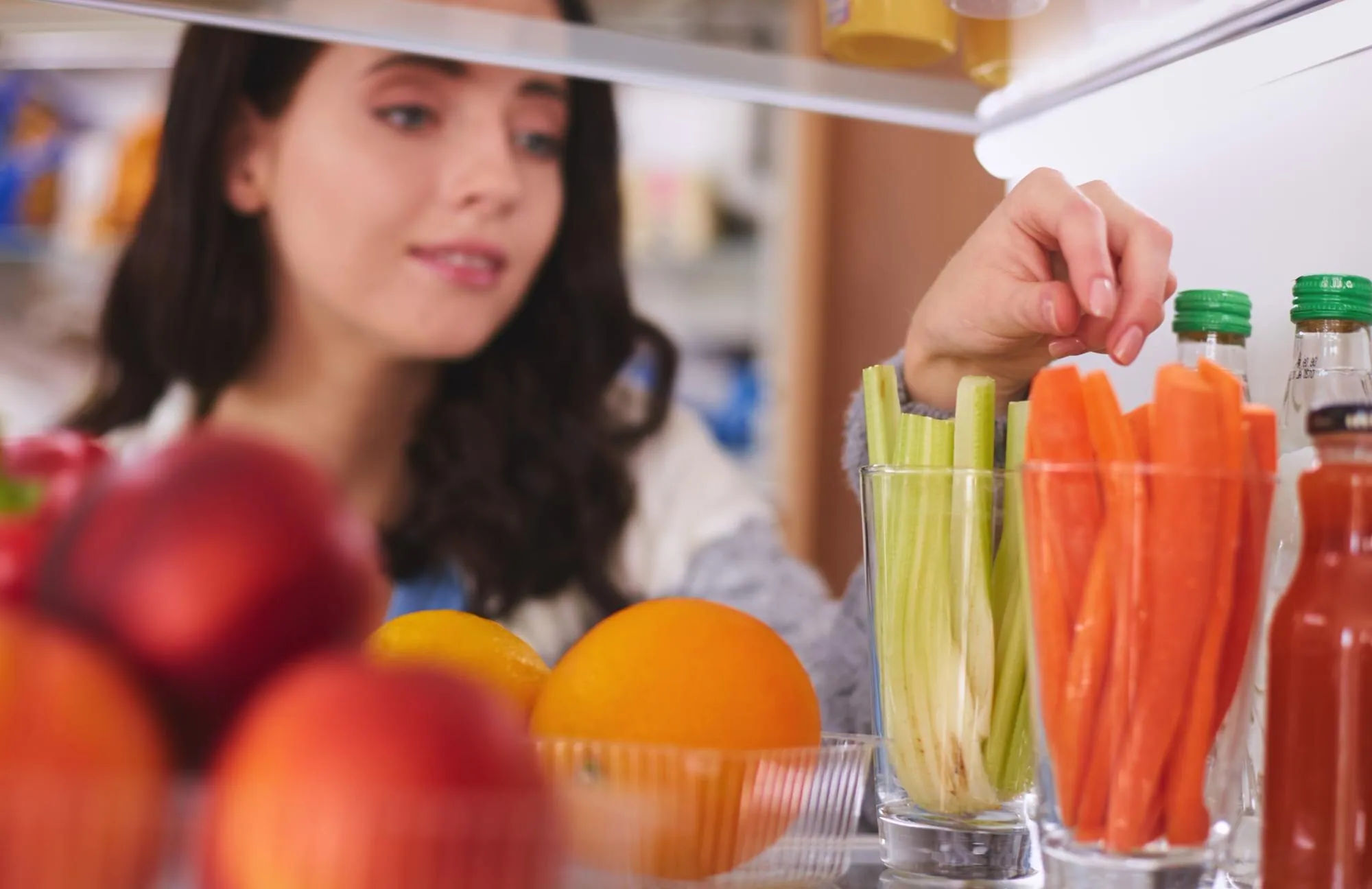
Look for opened products, leftovers, ripe produce, dairy, and fresh proteins. These usually deserve attention before shelf-stable foods.
Do not rely on appearance alone for food-safety decisions. Check storage instructions, how long an item has been open, whether it was kept cold, and official guidance for that food. The FDA recommends refrigerating perishables promptly, keeping the refrigerator at or below 40°F (4°C), and checking label storage directions. See FDA food-storage guidance.
Scan the freezer
Write down foods that can anchor a meal: frozen vegetables, cooked grains, bread, sauces, meat, fish, or prepared portions. Note items you have repeatedly skipped. A freezer is useful storage, but it is not useful memory.
If you cannot identify a package or do not know how long it has been stored, do not guess. Label future packages with the contents and freeze date.
Finish with the pantry
Look for meal-building categories rather than reading every label:
grains and pasta;
beans, lentils, and canned fish;
canned tomatoes, coconut milk, broth, and sauces;
onions, garlic, potatoes, and other suitable produce;
baking staples;
nuts, seeds, and dried fruit;
unopened backups of foods already on the grocery list.
Move older packages forward where practical. Add an item to use first when it is open, near its quality date, or repeatedly forgotten. Add it to available when it can support a later meal. Use running low only for a staple you genuinely expect to need before the next shop.
Build meals with a simple formula
Do not search for a recipe that matches every ingredient exactly. Start with a familiar meal shape and make sensible substitutions.
Useful formulas include:
grain bowl: grain + protein + vegetables + sauce;
soup: aromatic base + vegetables + beans or protein + broth;
pasta: pasta + sauce base + vegetables + optional protein;
frittata or scramble: eggs + cooked vegetables + cheese or herbs;
tacos or wraps: filling + crunchy vegetable + sauce;
stir-fry: vegetables + protein + cooked grain + seasoning;
tray bake: sturdy vegetables + protein + oil and seasoning.
Choose one or two use first foods for each meal. Then add ingredients from the available list. Only after that should you write down the missing bridge ingredient.
For example, canned beans, rice, frozen corn, and salsa are already most of a bowl. You may need only a lime or fresh topping. The pantry-first question is not “What recipe should I buy groceries for?” It is “What is the smallest addition that turns this food into a meal?”
Make a use-first plan, not a complete inventory
A complete inventory becomes stale whenever anyone cooks or snacks. A use-first list stays small because it tracks only food that should influence the next few meals.
Write five to ten items at most. Beside each one, add an action:
spinach — add to eggs Tuesday;
open tomato sauce — use for pasta Wednesday;
cooked rice — make fried rice for lunch;
ripe bananas — breakfast or freeze;
canned chickpeas — bowl or soup backup.
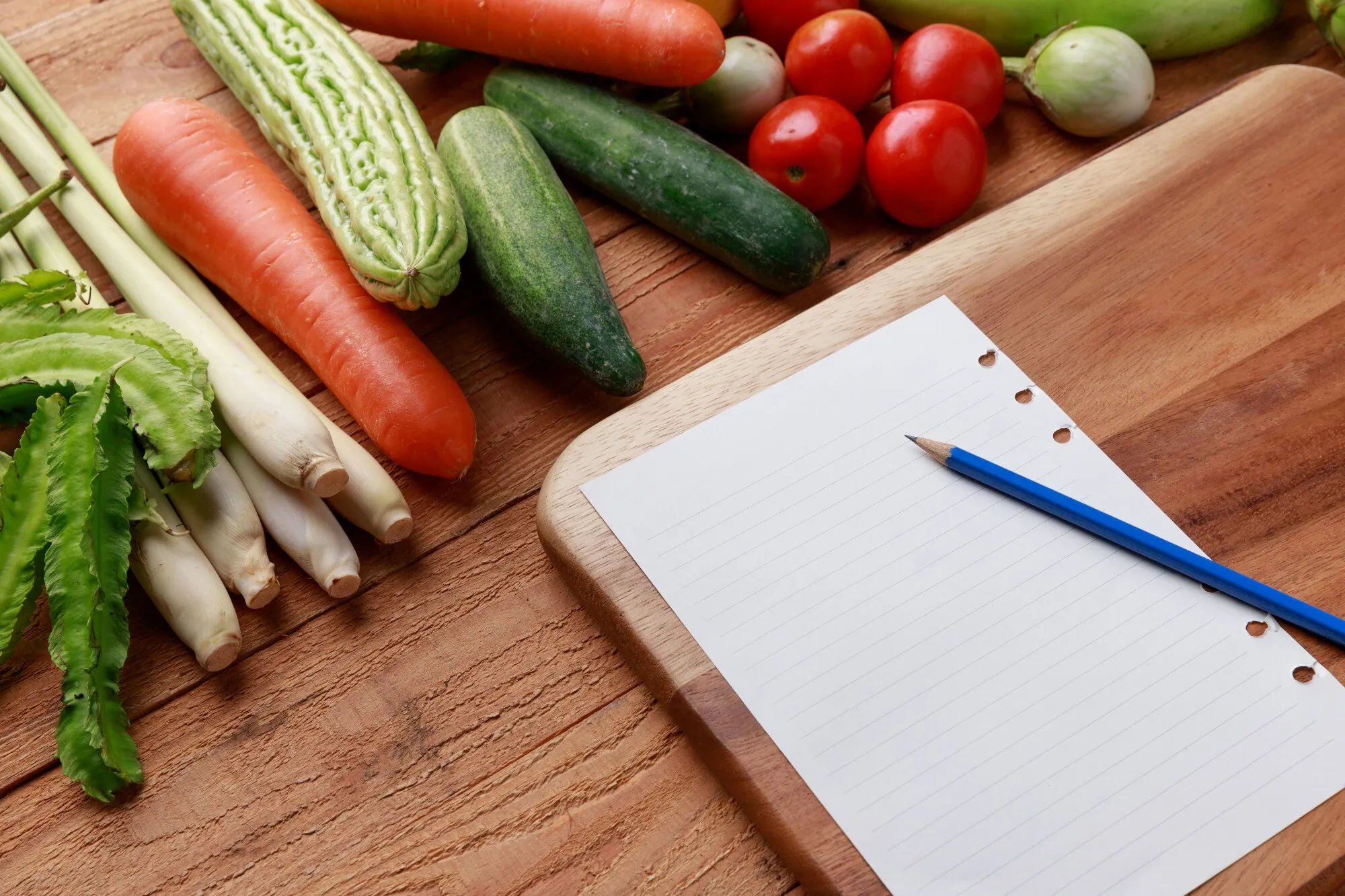
Place the list where you make food decisions: on the refrigerator, in a shared note, or at the top of your meal plan. The goal is not record keeping. The goal is to interrupt the habit of buying another package before noticing the first one.
A practical pantry-first example
Suppose your sweep finds:
half a bag of rice;
one can of chickpeas;
pasta;
an open jar of tomato sauce;
frozen spinach and peas;
four eggs;
one onion;
a small piece of cheese.
You expect to cook three dinners and two lunches at home.
Start with foods that are open or perishable. The tomato sauce, eggs, onion, and cheese should influence the early meals. The rice, chickpeas, pasta, and frozen vegetables are flexible.
A workable plan could be:
Tomato-spinach pasta with the open sauce, pasta, frozen spinach, onion, and cheese.
Chickpea rice bowls with rice, chickpeas, peas, and a simple dressing.
Vegetable fried rice with egg using cooked rice, peas, spinach, onion, and eggs.
Leftover pasta for one lunch.
Leftover rice bowl for the other lunch.
Now identify the true gaps. Perhaps you need one lemon for the dressing and a fresh vegetable for the bowls. If oil, salt, and seasoning are already available, the shopping list does not need another grain, another can of beans, or a speculative fourth dinner.
This plan remains flexible. If you do not want fried rice, the eggs and vegetables can become a frittata. If plans change, the shelf-stable chickpeas can wait while the open sauce and eggs stay first in line.
Turn the plan into a gap-only grocery list
Read each planned meal and list only what is missing. Then check those items against the pantry one more time.
Add quantities tied to the meals you plan to make:
one lemon for chickpea dressing;
two bell peppers for two dinners;
yogurt for three breakfasts.
Avoid vague entries such as “vegetables” or “snacks” unless you define how much you will use. Be cautious with bulk deals. A larger pack is not useful if the extra food has no plan or suitable storage.
If several meals use the same ingredient, combine the quantities before shopping. The guide How to Make a Grocery List from a Weekly Meal Plan explains how to merge repeated ingredients into one practical list.
Use dates and storage guidance carefully
Package dates do not all mean the same thing, and rules vary by product and country. In the United States, the FDA explains that, except for infant formula, quality-based dates on packaged foods generally are not federally required safety dates. A “Best if Used By” date is intended to describe best flavor or quality, not automatically the day a food becomes unsafe. Read the FDA’s explanation of food date labels and waste.
That does not mean every old or damaged package is safe. Follow storage directions, check recalls, discard leaking or bulging cans, and use official advice when you are unsure. For storage guidance by food type, consult the USDA-developed FoodKeeper or the relevant food-safety authority in your country.
For allergies, medical diets, and safe cooking temperatures, verify the ingredients and preparation yourself. A pantry list, recipe suggestion, or planning app cannot replace food-safety judgment or professional medical advice.
How Dishday can support a pantry-first routine
Paper, a notes app, or a whiteboard can run this system. If you want the pantry check connected to recipes and the week ahead, Dishday’s food-at-home workflow lets you add available ingredients and use them as the starting point for a meal idea. Its meal planner then places chosen meals into a real week.
Dishday’s current App Store listing says the app can suggest meals from ingredients you mark as available and connect selected meals to a grocery list. Treat suggestions as candidates: review quantities, allergens, substitutions, and food safety before cooking or shopping.
Frequently asked questions
What pantry foods should I use first?
Prioritize opened packages, foods with declining quality, ingredients you repeatedly overlook, and items that can complete an upcoming meal. Refrigerated perishables often need attention before shelf-stable goods, but verify storage and safety for each food.
Do I need to inventory every item before grocery shopping?
No. A short use-first list is usually enough. Scan the pantry, refrigerator, and freezer, record foods that should affect the next few meals, and check likely duplicates before they reach the shopping list.
How can I plan meals when pantry ingredients do not match one recipe?
Use a flexible meal formula such as a grain bowl, soup, pasta, egg dish, stir-fry, wrap, or tray bake. Combine a base, a protein, vegetables, and a sauce or seasoning, then buy only the small missing piece.
Is food safe after a best-by date?
A best-by date often describes quality rather than safety in the United States, but safety depends on the food, packaging, storage, and handling. Follow label directions and official food-specific guidance; do not use a general rule for every product.
How often should I check my pantry?
Do a quick scan before every main grocery trip. A deeper check can be less frequent. The useful schedule is the one that catches duplicates and forgotten food before you shop.
Can Dishday make meals from ingredients I already have?
Dishday’s current website and App Store listing describe a food-at-home feature that uses available ingredients as a starting point for meal suggestions. Review any suggestion and confirm missing ingredients, allergens, storage, and safe preparation yourself.
Shop for the gaps, not another full kitchen
The most useful grocery list begins at home. Count the meals you will actually eat, scan all three storage areas, choose foods to use first, and turn them into a few flexible meals. Then buy only what closes the gaps.
If you want to keep available ingredients, meal choices, and groceries in one workflow, download Dishday on the App Store.