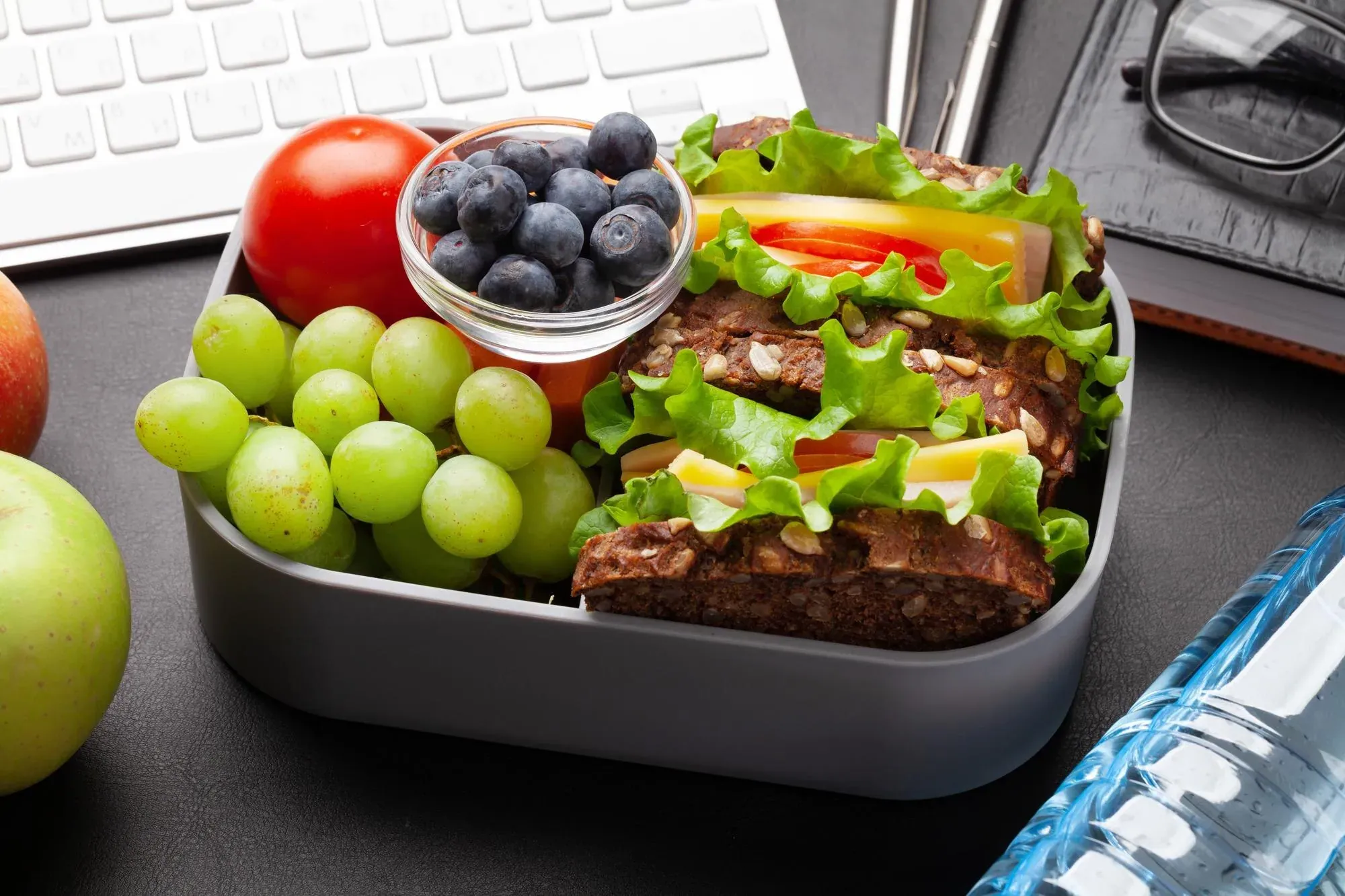

A dependable cold lunch needs four things: a base, something substantial, produce, and a flavor or texture extra. Pick one item from each group, pack wet and crisp ingredients separately, and keep anything perishable cold until you eat. That gives you dozens of no-microwave lunches without preparing a different elaborate recipe every day.
The ten formulas below work for offices, schools, job sites, trains and other places where reheating is unavailable or inconvenient. Adjust portions, ingredients and textures for the person eating, the time available, allergies, dietary needs and local food-safety guidance. A lunch that is served cold is not automatically shelf-stable.
Make a cold lunch that still feels complete
Use a four-part formula
Start with a base such as bread, a tortilla, cooked grains, pasta, potatoes, sturdy greens or crackers. Add a substantial component that suits you: beans, lentils, eggs, tofu, cheese, fish, chicken, meat, hummus or another familiar option. Add produce for freshness and contrast, then finish with a flavor or texture extra such as dressing, herbs, pickles, olives, seeds, nuts where allowed, or something crunchy.
The formula is a planning tool, not a nutrition prescription. A wrap with beans, cabbage and salsa fits. So does a barley box with tofu, cucumber and a separate dressing. If one large mixed salad never satisfies you, pack a smaller salad beside a sandwich or snack box instead.
Plan around temperature, texture and the place you will eat
Decide how the lunch will travel before choosing the food. Is there a refrigerator on arrival? Will the bag sit in a warm car? Can the person use a fork and table, or do they need something clean to eat on a short break? Does the workplace or school restrict nuts, glass containers or sharp utensils?
For perishable food, use an insulated bag and adequate cold sources. USDA guidance for packed lunches recommends keeping perishables cold and using at least two cold sources when refrigeration is unavailable. Its bag-lunch safety guide gives practical examples, including two frozen gel packs or one pack plus a frozen drink. Follow the label and the rules of your setting rather than assuming a lunch box stays cold by itself.
10 cold lunch ideas to rotate
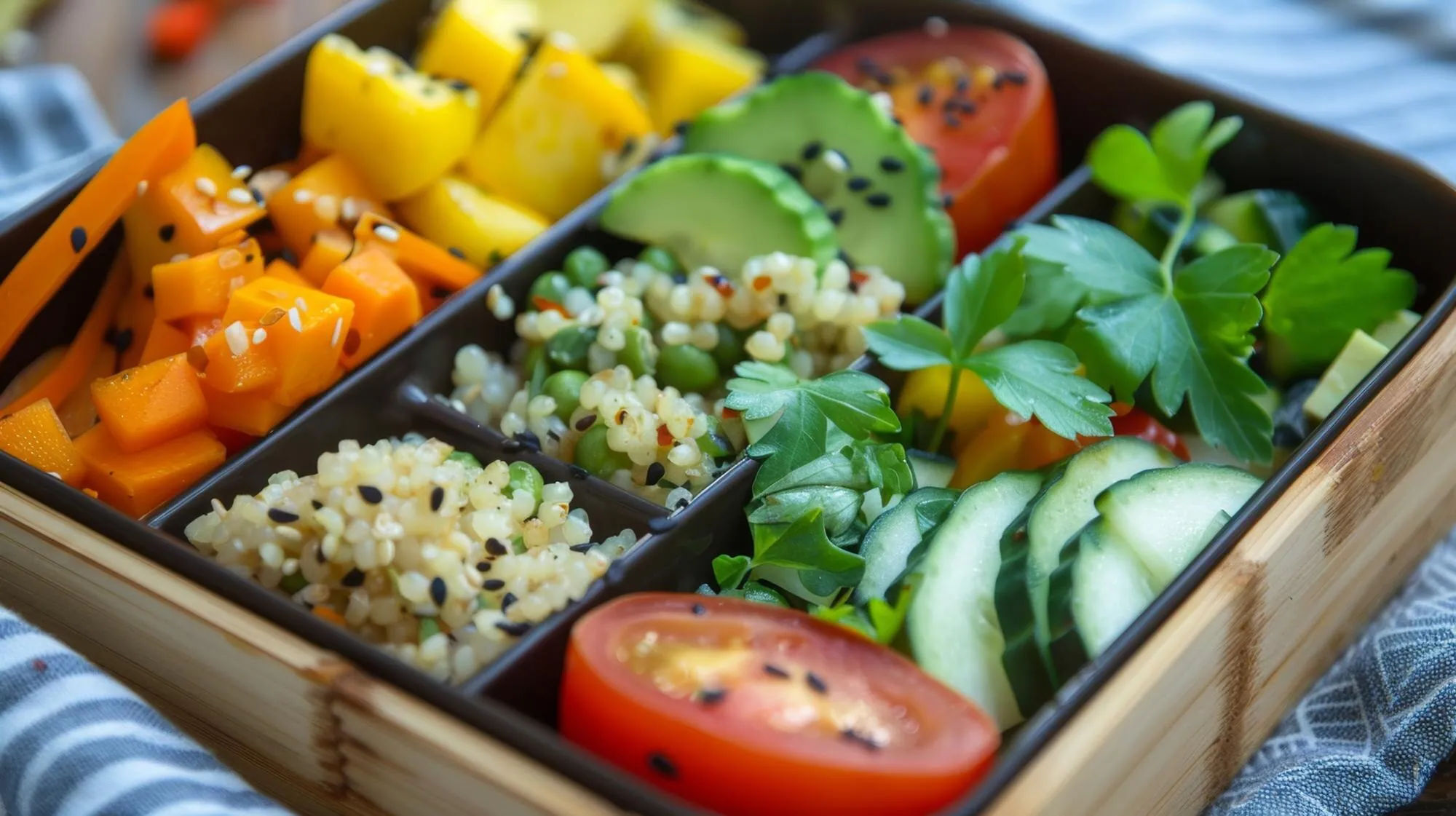
1. Grain bowl with vegetables and a flexible anchor
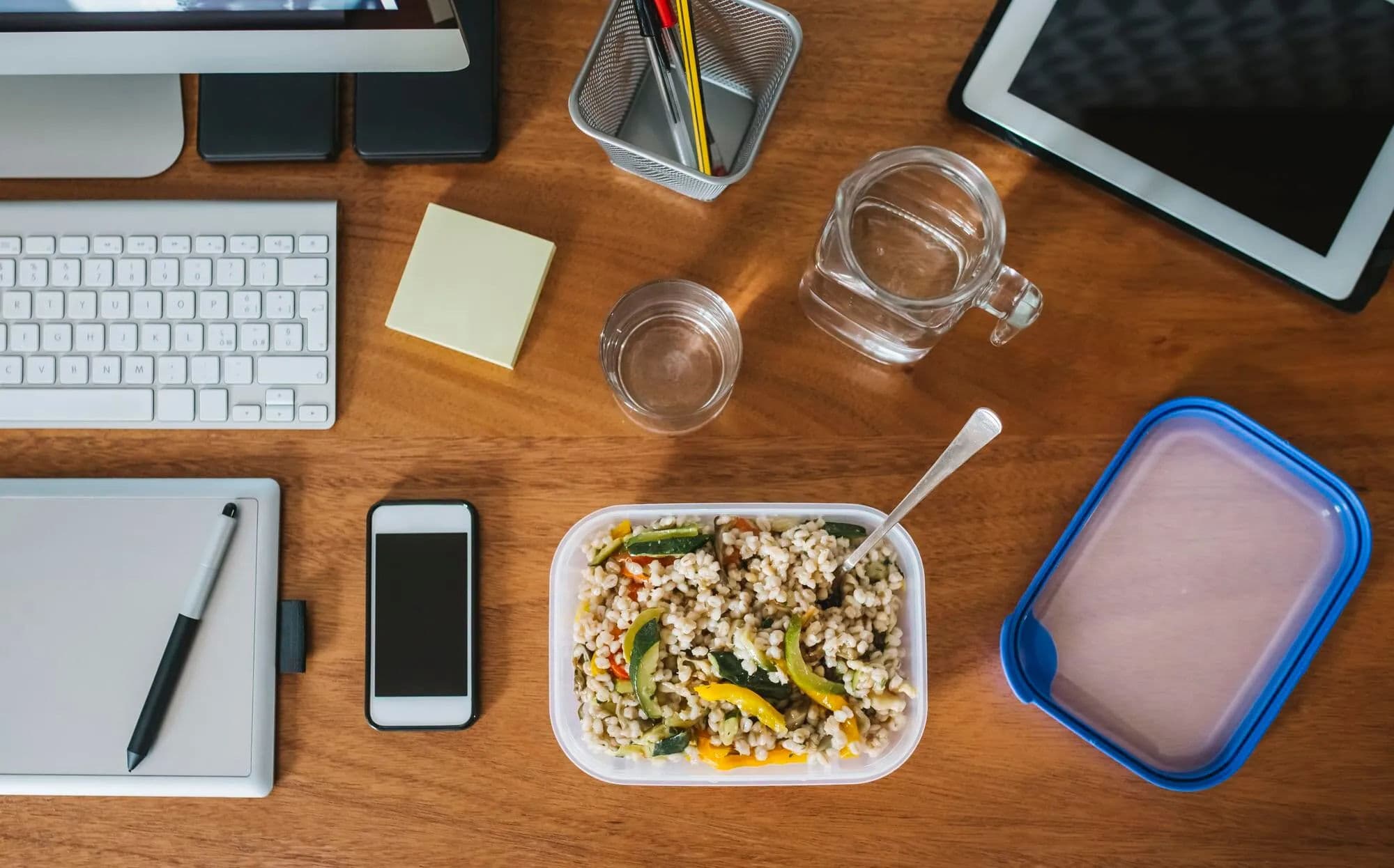
Use chilled barley, quinoa, couscous, bulgur or another cooked grain. Add beans, lentils, tofu, egg, chicken or cheese, plus vegetables that hold their shape. Pack dressing separately and toss at lunch. Roasted vegetables add depth; cucumber, cabbage or peppers add crunch.
Cool cooked components promptly before packing them. If the grain was made earlier, use it within a safe storage window and keep the finished bowl cold. Change the dressing, herbs and anchor before changing the whole recipe.
2. Pasta salad that is not swimming in dressing
Combine short pasta with chopped vegetables and an optional substantial ingredient such as beans, cheese, tuna or chicken. Start with less dressing than you think you need, then bring a spoonful separately. Pasta absorbs liquid while it sits, while juicy tomatoes can release more.
Use sturdy vegetables such as peppers, peas, grated carrot or blanched green beans. Delicate greens can travel in a separate handful. Check any canned or packaged ingredient after opening; once combined with other perishable foods, the lunch needs safe cold storage.
3. Wrap with a dry barrier and a fresh side
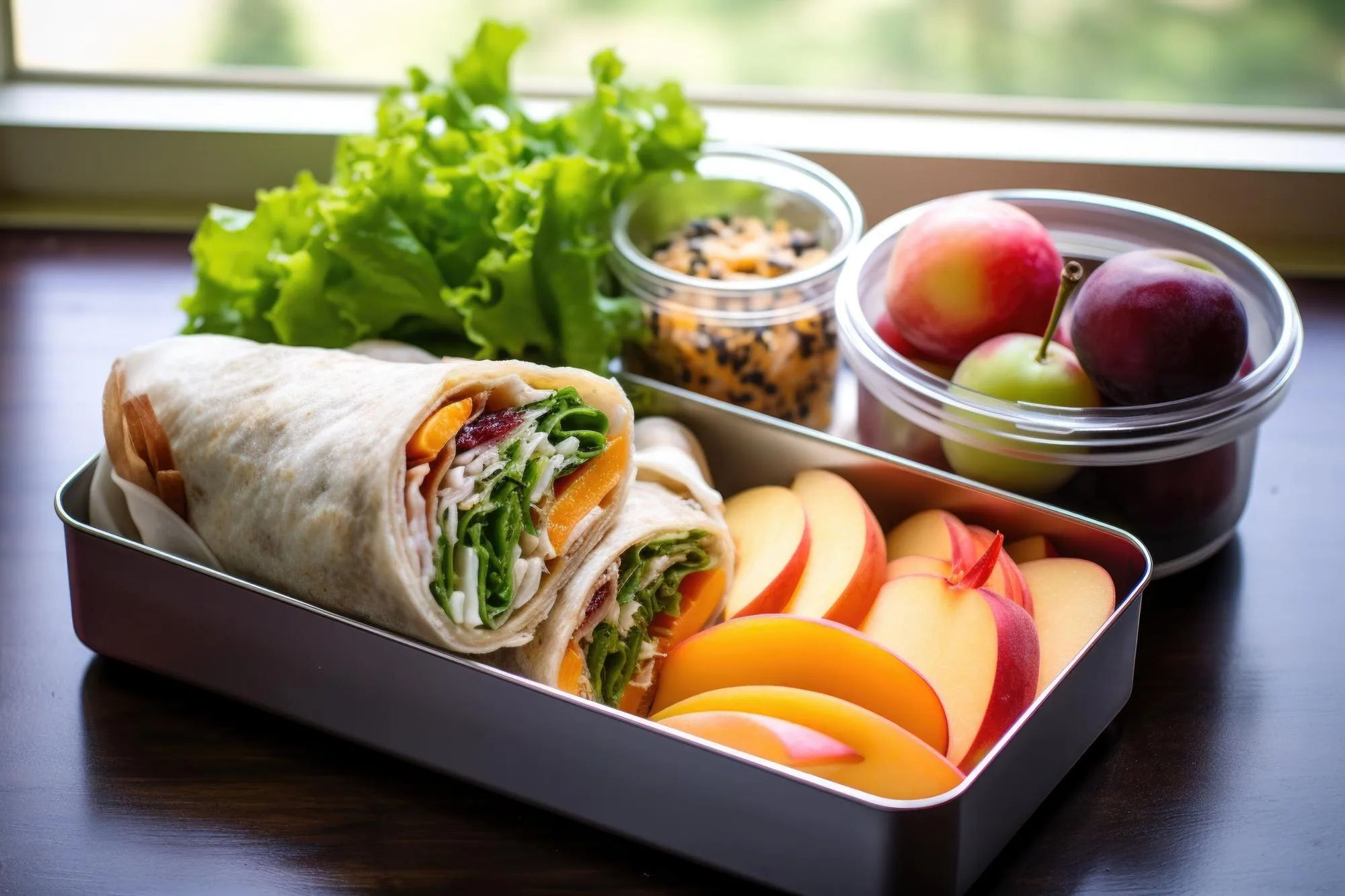
Spread hummus, soft cheese or another filling in a thin layer, then add greens or cabbage before wetter ingredients. That dry barrier helps the tortilla hold up. Use beans, egg, cooked meat, tofu or cheese as the anchor, and keep salsa or extra dressing in a small sealed container.
Cut the wrap only if it fits the box better. A whole tightly wrapped roll often stays neater. Pack whole fruit or crunchy vegetables alongside it so the lunch has contrast without making the wrap oversized.
4. Hummus and snack-box lunch
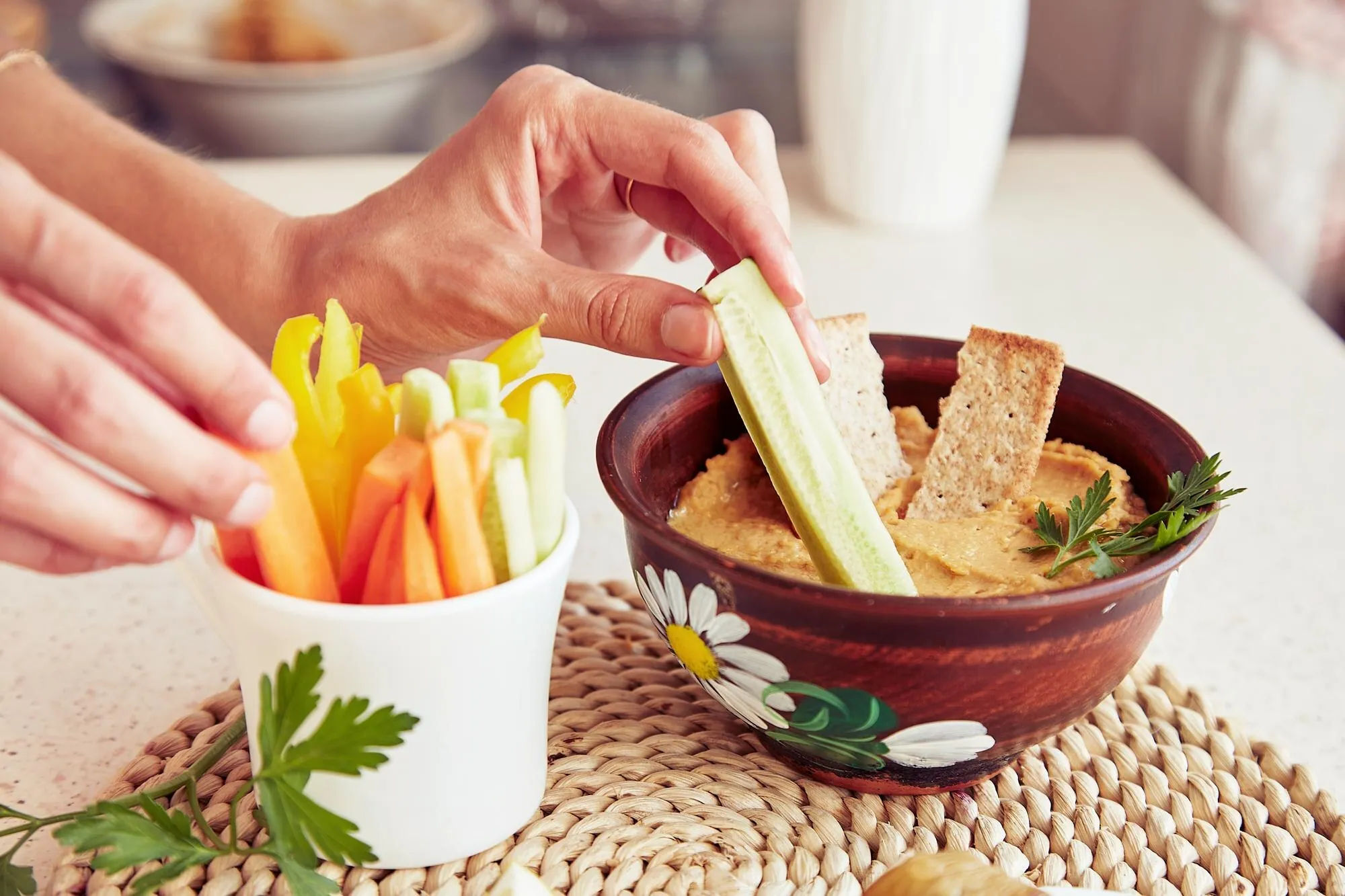
Pack hummus or another dip with vegetables, crackers or pita, fruit and an optional extra such as cheese, egg, beans or roasted chickpeas. Keep crackers away from moist vegetables. A divided container is useful, but several small reusable cups work too.
This is a real lunch when quantities match the eater's appetite; it does not need to imitate a commercial snack pack. Check allergen rules for sesame, nuts, dairy and other ingredients, especially in shared schools and workplaces.
5. Bean or lentil salad with herbs
Mix drained beans or cooked lentils with chopped vegetables, herbs and a simple dressing. Cabbage, carrots, celery, peppers and firm tomatoes travel better than very tender leaves. Add grains, cheese, egg or bread if the basic salad feels too small for the day ahead.
Rinse canned beans if you prefer the texture or flavor that way, and drain them well so the salad is not watery. Keep the packed salad cold and use clean utensils when preparing it.
6. Sandwich engineered to hold up
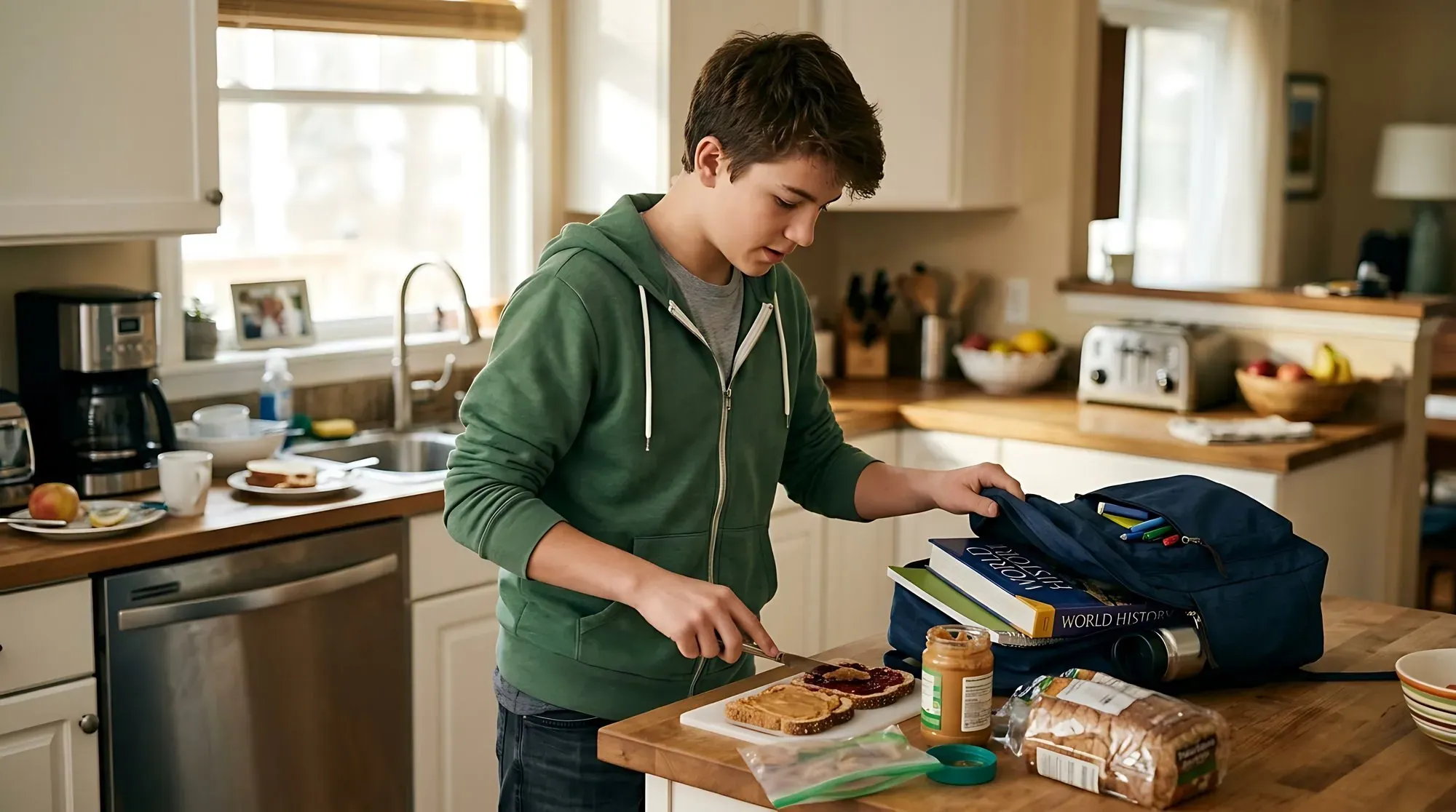
Choose sturdy bread, keep very wet ingredients in the center, and place lettuce, cheese or a thin spread next to the bread as a buffer. Pack sliced tomatoes, pickles or extra sauce separately when sogginess is likely. A sandwich can use egg, cheese, beans, fish, chicken, meat or vegetables as its main filling.
Food safety depends on the filling, not on the bread. Perishable sandwiches still need cold storage. If refrigeration is genuinely impossible, choose ingredients explicitly labeled as shelf-stable and assemble or open them only when ready to eat.
7. Cold noodle salad with sauce on the side
Use chilled noodles with shredded cabbage, cucumber, carrots, herbs and an anchor such as tofu, egg, chicken or edamame. Rinse only when appropriate for the noodle and recipe. A small amount of oil can reduce sticking, but too much sauce at breakfast may make the lunch heavy by noon.
Pack chopped nuts or seeds separately where they are permitted. For a simpler version, use leftover cooked vegetables and one bottled sauce you already like rather than buying several specialty ingredients.
8. Frittata wedge or egg-and-potato box
A chilled frittata wedge can pair with roasted potatoes, cherry tomatoes, greens or fruit. Alternatively, pack a hard-cooked egg with a potato salad that uses a dressing suited to cold service. Both formats work well when cooked at dinner and portioned after prompt cooling.
Cook eggs safely for the people eating them, chill the components and keep the lunch cold. Pregnant people, young children, older adults and people with weakened immune systems may need added precautions; use official or clinical guidance for their situation.
9. Roasted-vegetable mezze box
Combine chilled roasted vegetables with bread or grains, a dip, olives or pickles, and beans, lentils, cheese or another anchor. Keep bread separate and add fresh cucumber, herbs or cabbage at lunch for contrast. This is useful when dinner left several components but not enough of one finished dish.
Reserve the lunch portion while clearing dinner, label it and refrigerate promptly. Do not pack leftovers whose time or temperature history is uncertain.
10. Shelf-stable emergency lunch kit
Keep a backup for the day the refrigerator is empty: unopened tuna or bean pouches, crackers, a whole fruit, a shelf-stable spread, pickles, seeds or nuts where allowed, and another product that its label says can be stored at room temperature. Choose packages you can open without special tools.
Shelf-stable is a label and storage condition, not a guess. Once a package is opened or mixed with perishable ingredients, leftovers may require refrigeration or disposal. Rotate the kit before its dates pass and replace anything that was damaged or stored outside label directions.
Pack it so the lunch survives until noon
Separate wet, crisp and delicate ingredients
Pack dressing, salsa and juicy pickles in leakproof cups. Keep crackers, toasted seeds and bread away from condensation. Place delicate greens on top or in their own container. This may create two or three small pieces to wash, but it prevents one wet ingredient from ruining the entire lunch.
Use the smallest container that holds the food without crushing it. Empty space lets ingredients move, while an overfilled box smashes wraps and fruit. A folded paper towel beside washed sturdy produce can manage surface moisture, but it does not replace safe refrigeration.
Chill cooked food before it goes into the lunch bag
Do not rely on the morning commute to cool warm grains, pasta, eggs or roasted vegetables. Cook ahead, divide larger amounts into shallow containers and refrigerate promptly. Pack the cold lunch shortly before leaving and move it into a refrigerator on arrival when one is available.
The general FoodSafety.gov four-step guide emphasizes cleaning, separating, cooking and chilling. It also says perishables should not remain unrefrigerated more than two hours, or one hour above 90°F/32°C. A cold pack helps maintain temperature; it does not reset time already spent warm.
Pack the tools the eater actually has
Include a fork or spoon, napkin, and any opener needed. For children, match food size and texture to age and supervision, and follow school rules. For a job site or train, prioritize one-handed, low-mess foods. For an office desk, avoid a container that requires assembling six loose parts in a tiny space.
Test a new box at home once: fill it, close it, turn it gently and see what leaks. The best cold lunch is not the prettiest photo; it is the one that can be opened and eaten in the available ten minutes.
A realistic five-day cold lunch example
Reuse components without repeating the exact meal
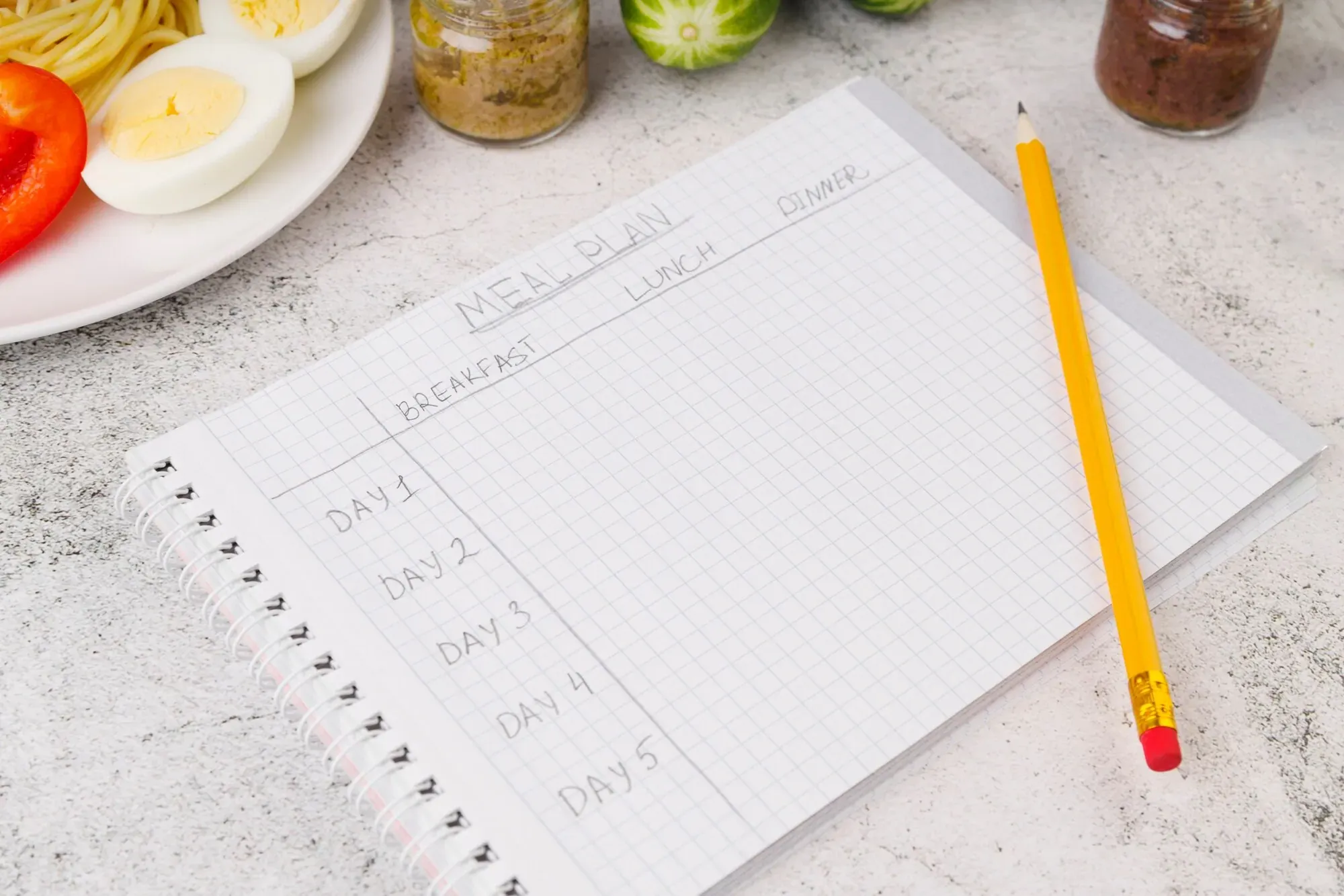
Imagine one adult prepares cooked barley, a tray of roasted vegetables, chopped cabbage, hummus and a simple dressing. They also buy tortillas, beans, eggs, fruit, cucumbers and crackers.
Monday: barley bowl with beans, roasted vegetables, cabbage and separate dressing.
Tuesday: wrap with hummus, cabbage, egg and cucumber; whole fruit on the side.
Wednesday: snack box with hummus, vegetables, crackers, fruit and an egg.
Thursday: bean salad with roasted vegetables, herbs and a tortilla cut into wedges.
Friday: emergency kit or a safe remaining component assembled with bread and fresh produce.
One preparation session creates five formats. The dressing serves the bowl and bean salad; cabbage works in the bowl, wrap and salad; hummus becomes a spread and dip. Friday stays flexible so an unused safe component is eaten instead of forcing another recipe.
Adapt the same method for work, school or travel
For work, prioritize containers that fit the shared refrigerator and label them when necessary. For school, follow allergy and utensil rules, use age-appropriate foods and pack only an amount the child can manage. For travel, assume delays and limited handwashing; carry safe cold storage, napkins and a backup that is genuinely shelf-stable.
The broader office lunch ideas guide includes warm and cold workday formats. If mornings are also rushed, the quick breakfast ideas use the same component-first approach.
How Dishday can organize a short lunch rotation
Save a few reliable formulas, then plan only the days that need them
This system works on paper or in a note. If you want recipes, weekdays and shopping connected, Dishday's meal planner includes lunch slots. Save four or five lunches that already work, place them on the days you will be away from home, and send their ingredients to the grocery list for review.
Keep the rotation small enough to maintain. The app can hold recipes and reminders, but it cannot verify whether a lunch stayed cold, whether an allergen is safe, or whether the eater still likes the texture. Review the plan, labels and storage yourself.
Limits and food-safety checks
These cold lunch ideas are general organization suggestions, not medical or individualized nutrition advice. Adjust ingredients for allergies, dietary restrictions, swallowing or choking concerns, cultural preferences and guidance from an appropriate clinician or dietitian. Check labels every time an allergy matters because formulations can change.
Keep perishable lunches at 40°F/4°C or below, use sufficient cold sources when there is no refrigerator, and discard food when its time or temperature history is uncertain. Wash hands and containers, separate raw ingredients from ready-to-eat food, and follow package directions. A meal can taste good cold and still be unsafe if it was stored badly.
Frequently asked questions
What are the easiest cold lunches for work?
Start with a grain bowl, sturdy sandwich, wrap, bean salad or hummus snack box. Choose the format based on refrigerator access, eating time and utensils, then keep wet ingredients separate and perishables cold.
What can I pack for lunch without a microwave?
Pack foods designed to be pleasant cold: pasta or grain salads, wraps, sandwiches, mezze boxes, cold noodles, frittata wedges or modular snack boxes. A microwave is optional, but safe temperature control is not.
How do I stop a cold lunch from getting soggy?
Use sturdy bread or greens, drain ingredients well, create a dry barrier next to bread, and pack dressings, tomatoes, pickles and crunchy toppings separately. Combine them immediately before eating.
Can I make cold lunches for the whole week at once?
Prepare components for several days, but assemble delicate or wet items closer to eating. Storage life varies by ingredient, so follow labels and official guidance rather than assuming every finished lunch keeps for five days.
How do I keep a cold lunch safe until noon?
Begin with chilled food, use an insulated bag with enough cold sources, refrigerate the lunch on arrival when possible, and limit time at room temperature. USDA guidance recommends at least two cold sources for perishable packed lunches when refrigeration is unavailable.
Choose two formulas for your next away-from-home days and add only the ingredients you are missing. To connect those lunches with the rest of the week and one reviewed shopping list, download Dishday on the App Store.