

The fastest dependable breakfast is usually a formula, not a new recipe. Pick one easy base, add something substantial, and include a fruit or vegetable when it suits you. Keep two options ready in the refrigerator, one hot option that takes under ten minutes, and one shelf-stable or portable backup. That is enough variety for a busy week without planning seven unrelated breakfasts.
The ten quick breakfast ideas below work as starting points. Change portions and ingredients for your appetite, culture, budget, allergies and schedule. No single combination is mandatory, and “quick” should include cleanup and packing time—not only cooking time.
Build a quick breakfast with three parts
Choose a base, an anchor and a fresh side
Use this simple assembly rule:
Base: oats, bread, tortilla, cooked grain, yogurt or another familiar staple.
Anchor: eggs, dairy, beans, nut or seed butter, tofu, fish, leftover meat, or another ingredient that makes the meal feel complete to you.
Fresh or colorful side: fruit, tomatoes, cucumber, greens, peppers or vegetables left from dinner.
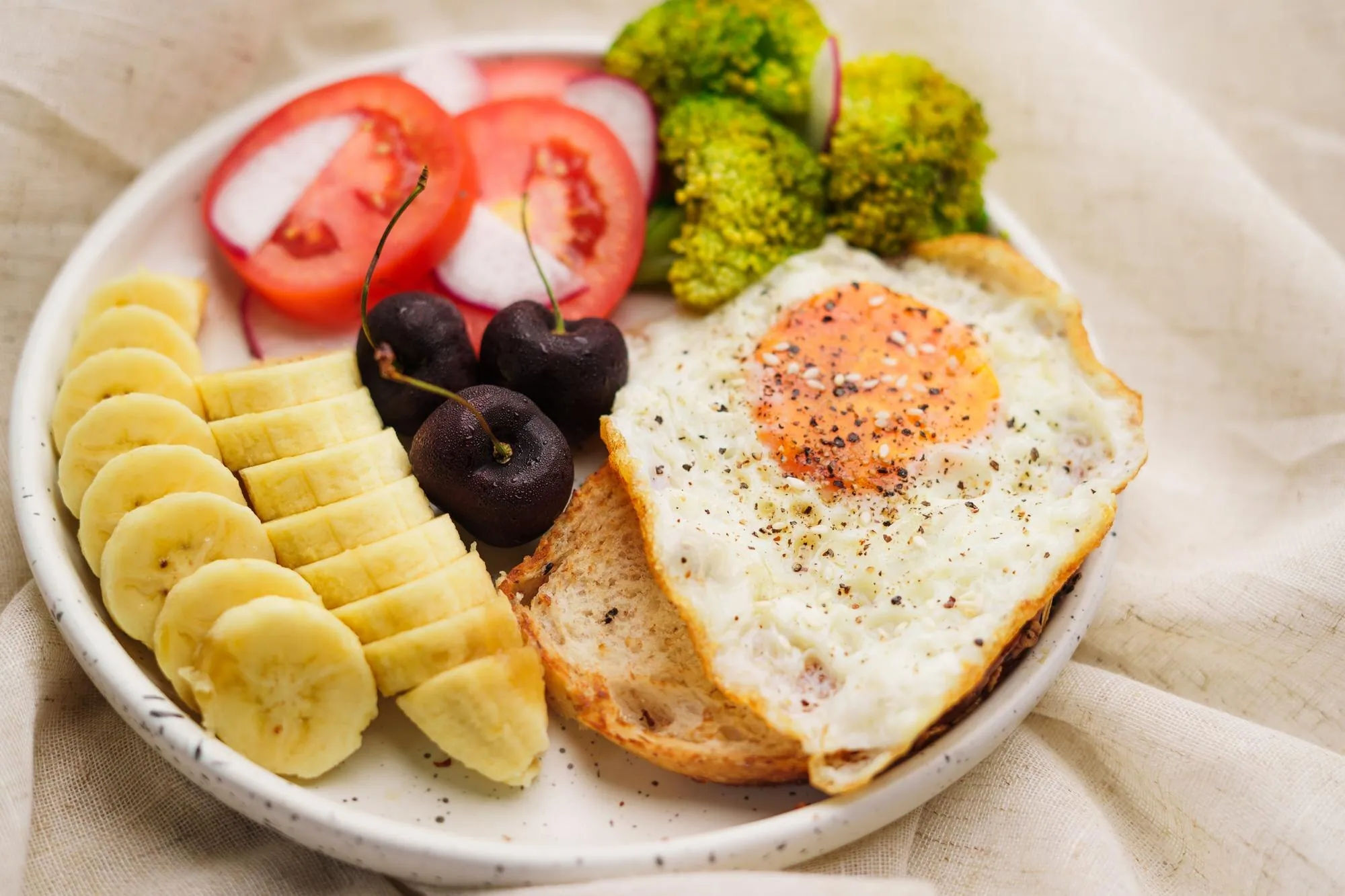
You do not need to force all three parts into one bowl. Toast with egg plus an apple is still one breakfast. Yogurt, oats and berries can be layered in a jar. A tortilla can hold beans and scrambled egg while fruit travels separately.
The USDA's Start Simple with MyPlate tip sheet offers examples such as fruit at breakfast and a yogurt parfait. Treat that guidance as inspiration for variety, not as a personalized diet prescription.
Match the format to the morning
Choose by constraint before choosing by craving. If you have five minutes at home, use toast, yogurt or reheated oats. If you eat later at work, pack a sealed jar or box and keep it cold. If several people leave at different times, set out components rather than cooking one dish that everyone must eat immediately.
Write three labels beside your breakfast list: eat now, take along, and make ahead. A useful rotation has at least one option in each group. This small distinction prevents a beautiful sit-down idea from becoming useless on the morning you need to catch a train.
10 quick breakfast ideas to rotate
1. Yogurt, fruit and crunch bowl
Spoon plain or flavored yogurt into a bowl and add fruit plus oats, granola, seeds or chopped nuts. Keep the crunchy part separate until eating if you pack it. Frozen berries can work when thawed safely in the refrigerator, but expect extra liquid.
For an egg-free or plant-based version, use a suitable alternative you already tolerate and check the label for allergens and fortification rather than assuming every product is equivalent.
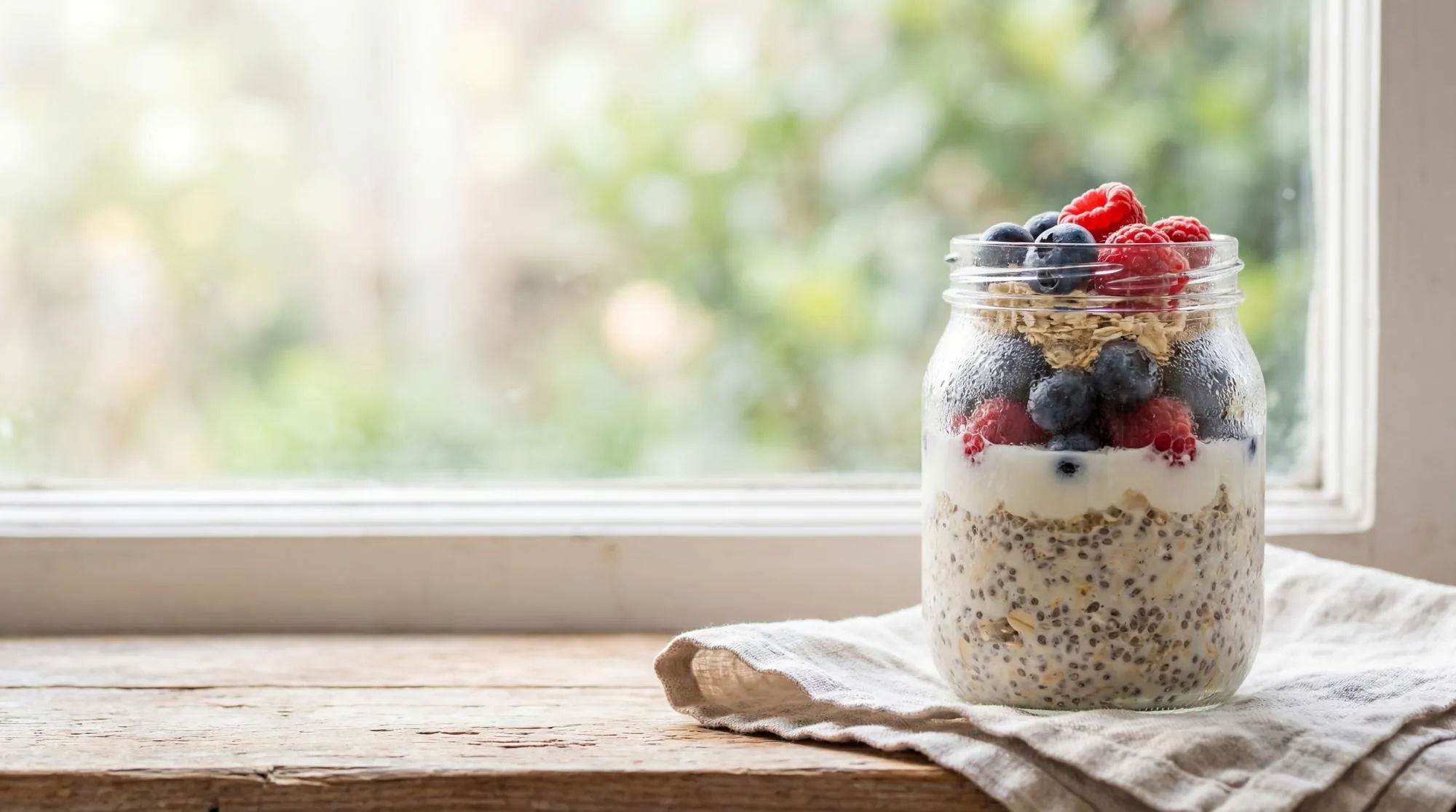
2. Overnight oats jar
Combine oats with milk or an alternative, then refrigerate overnight. Add yogurt or seeds if desired and finish with fruit in the morning. Make two jars, not seven: texture, storage guidance and the age of added fruit vary.
Use a jar with enough headroom to stir. If you prefer warm oats, transfer the mixture to a microwave-safe bowl rather than heating a container that is not designed for it.
3. Egg toast with a fresh side
Toast bread while an egg cooks, then add tomatoes, greens, fruit or vegetables from dinner. A hard-cooked egg prepared ahead makes this almost assembly-only. If avocado is expensive or unavailable, hummus, soft cheese, beans or leftover vegetables can provide the creamy layer.
Cook eggs to a safe doneness appropriate for the people eating them. Pregnant people, young children, older adults and people with weakened immune systems may need extra care with raw or undercooked eggs.
4. Five-minute breakfast wrap
Warm a tortilla and fill it with scrambled egg, beans, grated cheese, greens or a small amount of leftover cooked vegetables. Fold both sides inward before rolling so the filling stays contained. Wraps are most practical when the filling is modest; an overloaded wrap takes longer to eat and leaks during travel.
For a make-ahead version, cool cooked components promptly before assembling and follow safe refrigerator or freezer guidance for the specific ingredients.
5. Cottage cheese or soft-cheese bowl
Pair cottage cheese, ricotta or another suitable soft cheese with fruit, tomatoes, cucumber, herbs or toast. Make it sweet or savory from the same base. This is useful when one household wants berries and another wants tomato and pepper.
Keep dairy refrigerated and return the container promptly instead of leaving it on the breakfast table through the morning rush.
6. Nut or seed butter toast with banana
Spread toast with a nut or seed butter and add sliced banana, pear or apple. Cinnamon or seeds can change the flavor without adding another cooking step. For school, work or shared kitchens, check allergy rules and use a permitted alternative.
Pack the fruit whole when possible if the toast will sit for a while; sliced fruit can soften the bread. A small knife is not always practical in transit, so decide at home how the breakfast will actually be eaten.
7. Quick oatmeal with a prepared topping kit
Cook quick oats according to the package, then use one small topping container for the week: raisins, seeds, chopped nuts, coconut or spices. Add fresh fruit separately. The time saver is not faster boiling; it is removing five morning decisions from the cupboard.
If you need more variety, alternate two topping kits instead of buying many single-purpose breakfast products.
8. Smoothie plus something to chew
Blend fruit with milk, yogurt or another suitable liquid. Add oats, nut butter or seeds only when your blender can handle them and the combination suits you. A smoothie alone may not match everyone's appetite, so pair it with toast, a hard-cooked egg or another simple solid food if useful.
Do not blend a week's worth and assume quality or safety will hold. Portion freezer packs if you like, then add liquid and blend close to serving.
9. Planned leftovers for breakfast
Breakfast does not have to be sweet. Reheat rice and vegetables with an egg, put beans on toast, fold roasted vegetables into a tortilla, or eat a small portion of last night's soup. The key is to reserve the portion when clearing dinner, not discover it during the morning rush.
Label the container and use refrigerated leftovers within a safe window. The USDA's leftovers and food safety guidance says to refrigerate perishable food within two hours and generally use cooked leftovers within three to four days.
10. Portable breakfast box
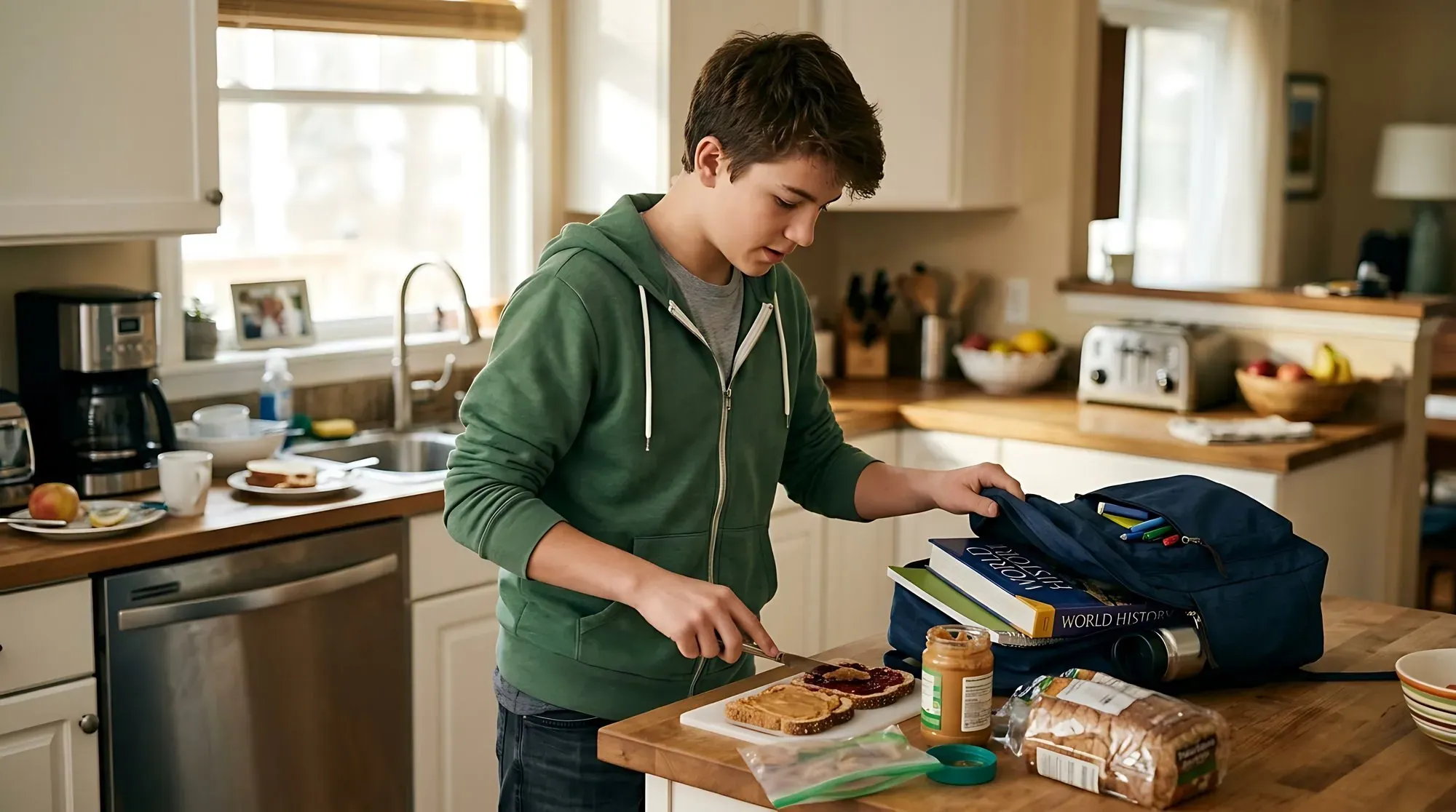
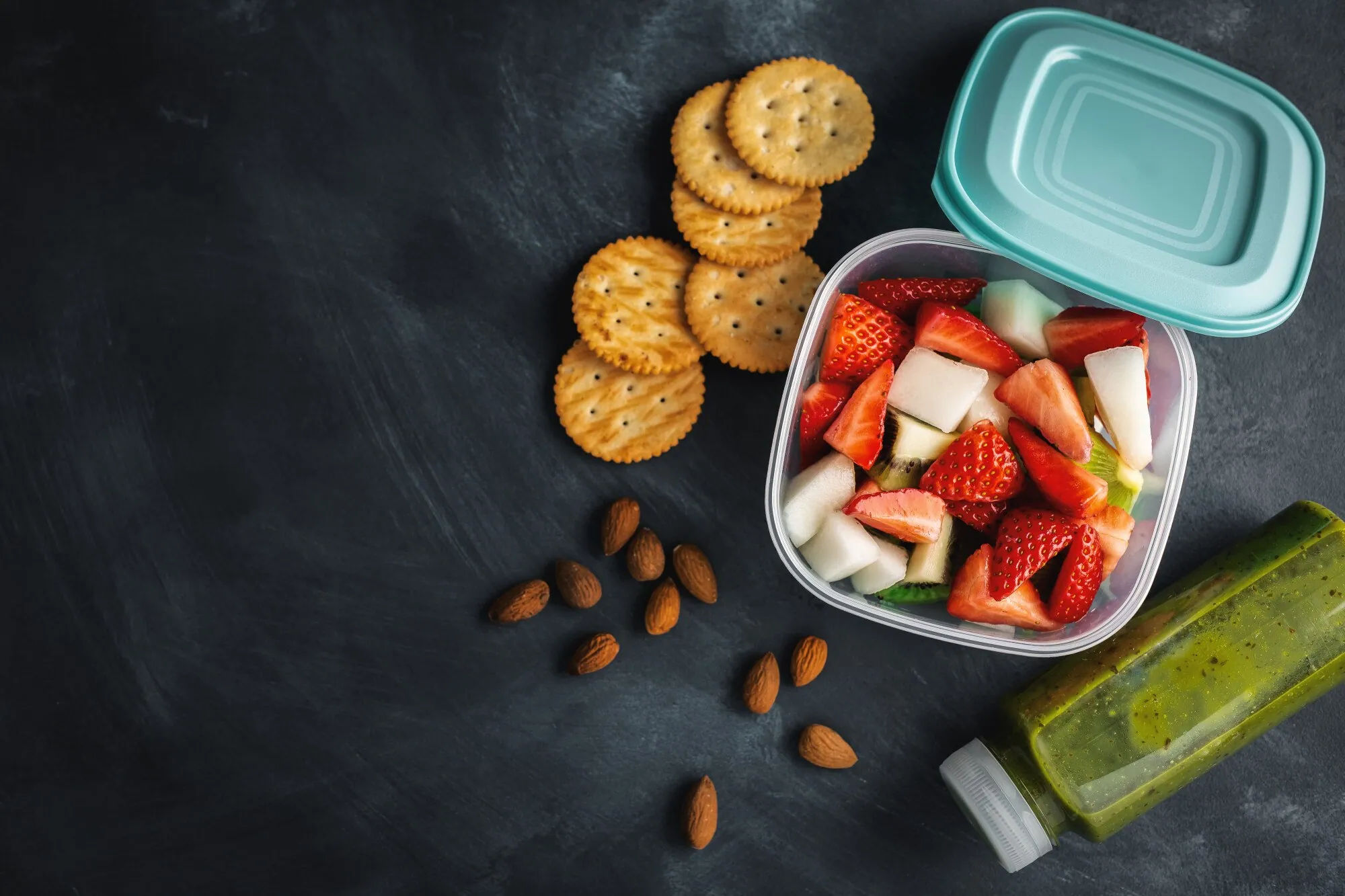
Pack two or three low-mess items: whole fruit, cheese or yogurt kept cold, a hard-cooked egg, a small sandwich, nuts or seeds where allowed, and whole-grain crackers. The box is a formula, not a requirement to include everything. Choose foods that can be eaten with the tools and time you actually have.
Use an insulated bag and cold pack for perishable ingredients. A desk drawer backup should be genuinely shelf-stable and still within its date.
Prepare once, vary breakfast all week
Set up components, not identical finished meals
Choose one 20-minute preparation block. Hard-cook a few eggs, portion dry oat toppings, wash sturdy fruit, cut only vegetables that keep well, and place portable containers together. Prepare one or two overnight-oat jars near the days you will eat them. This leaves room to change the combination without discarding five identical meals.
Store each component according to its own label and safety requirements. Write the preparation date where it helps. If a component looks, smells or has been handled questionably, the plan is not a reason to eat it.
Keep one emergency breakfast visible
Choose a backup that survives a missed shopping trip: oats with shelf-stable toppings, crispbread and an allowed spread, or a freezer portion you know reheats well. Put it where household members can find it. An emergency option prevents the whole routine from depending on ripe berries or a free ten-minute window.
A realistic five-day breakfast example
Reuse ingredients without repeating the exact meal
Imagine one adult needs two breakfasts at home, two at work and one flexible Friday. They buy yogurt, oats, bread, eggs, bananas, apples, berries, tomatoes and a permitted seed butter.
Monday at home: yogurt, berries and the prepared crunchy topping.
Tuesday at work: overnight oats jar plus a banana.
Wednesday at home: egg toast with tomato and an apple.
Thursday at work: portable box with a hard-cooked egg, fruit and crackers.
Friday flexible: seed-butter toast and banana, or safe leftovers that need using.
The same short grocery base creates five formats. Wednesday's egg preparation also supplies Thursday, and the topping kit serves Monday and Tuesday. If the schedule changes, Friday absorbs the unused ingredient rather than forcing another recipe.
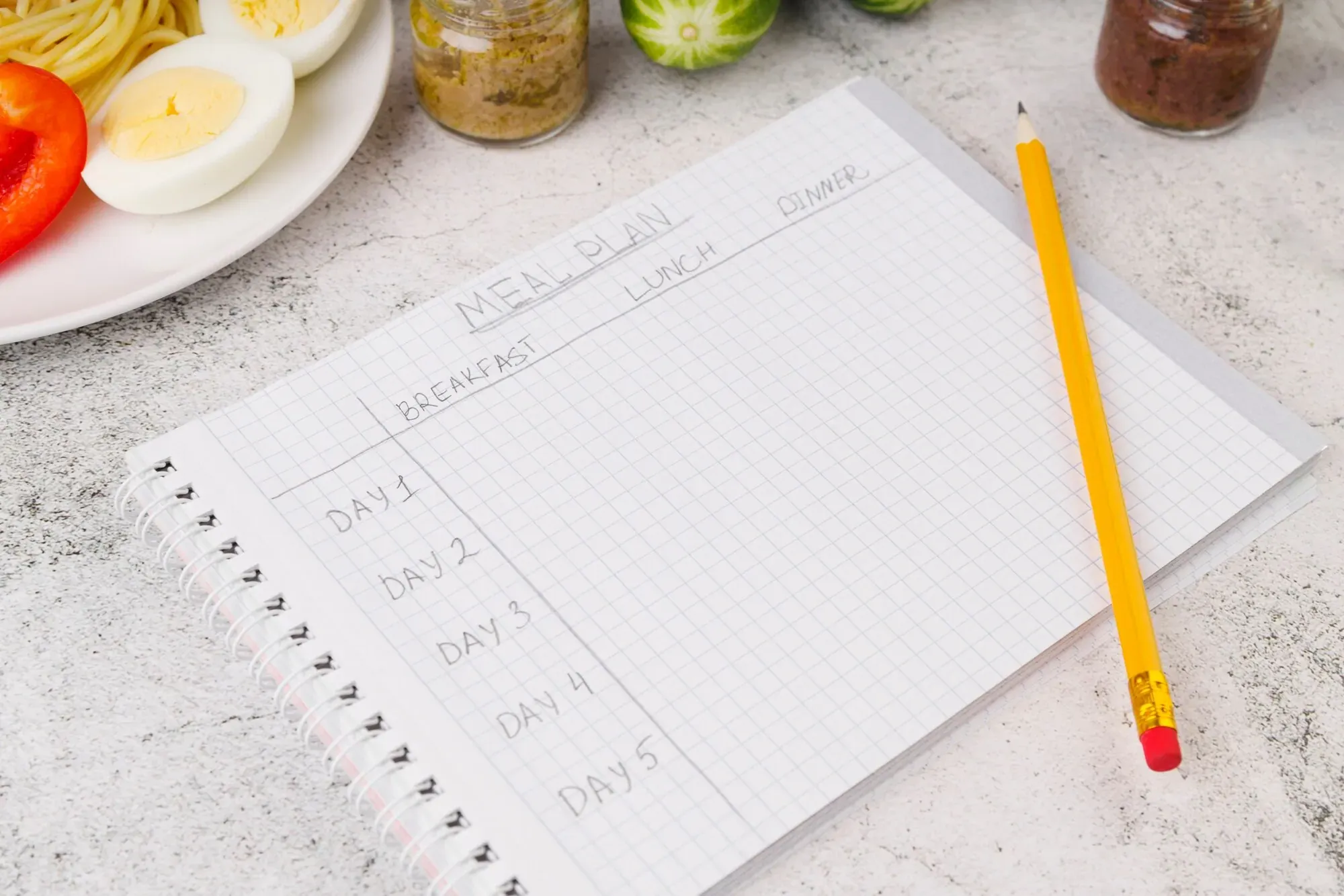
For a wider weekly view, use the copyable weekly meal planner template. If you also pack lunch, the office lunch ideas guide uses the same component-first logic.
How Dishday can organize a breakfast rotation
The method above works in a note or on paper. If you want recipes, days and shopping connected, Dishday's meal planner includes breakfast, lunch and dinner slots. Save a few reliable breakfast cards, place only the mornings that need planning, and send their ingredients to the grocery list for review.
Keep the rotation small enough to maintain. The app can hold the decisions, but it cannot know whether a perishable item stayed cold, whether an allergen is safe for you, or whether your morning changed. Review ingredients and the plan yourself.
Limits and safety checks
Quick breakfast ideas are organizational suggestions, not medical or individualized nutrition advice. Adjust them for allergies, dietary restrictions, cultural preferences, appetite and guidance from an appropriate clinician or dietitian. Check labels every time a household member has an allergy; formulations can change.
Keep cold food cold, cook eggs safely, and do not leave perishable breakfast components at room temperature for more than two hours—or one hour above 90°F/32°C. Use clean containers, follow package storage instructions, and discard food when safety is uncertain. A portable breakfast is convenient only when it can be transported safely.
Frequently asked questions
What is the quickest breakfast to make on a busy morning?
An assembly breakfast is often fastest: yogurt and fruit, toast with a spread, overnight oats, or a portable box prepared the night before. Choose by total time including packing and cleanup, not by cook time alone.
How can I make breakfast ahead without eating the same thing daily?
Prepare components rather than five finished meals. One batch of cooked eggs, one topping kit, washed fruit and two oat jars can become bowls, toast, wraps and portable boxes across the week.
What can I eat for a quick breakfast without eggs?
Try yogurt or a suitable alternative with fruit and oats, nut or seed butter toast, oatmeal, beans on toast, leftovers, or a smoothie with a solid side. Check labels and allergy requirements for your household.
What are good quick breakfast ideas for work?
Choose sealed, low-mess options such as overnight oats, yogurt kept cold, a small sandwich, fruit, or a breakfast box. Pack utensils and use an insulated bag with a cold pack when ingredients are perishable.
How many breakfast options should I plan for one week?
Three core options plus one backup are usually enough to start: one eat-at-home choice, one portable choice, one make-ahead choice and one shelf-stable or freezer fallback. Repeat successful combinations before adding more.
Choose three formulas now and assign them only to your busiest mornings. To keep those breakfasts connected to the rest of the week and one shopping list, download Dishday on the App Store.