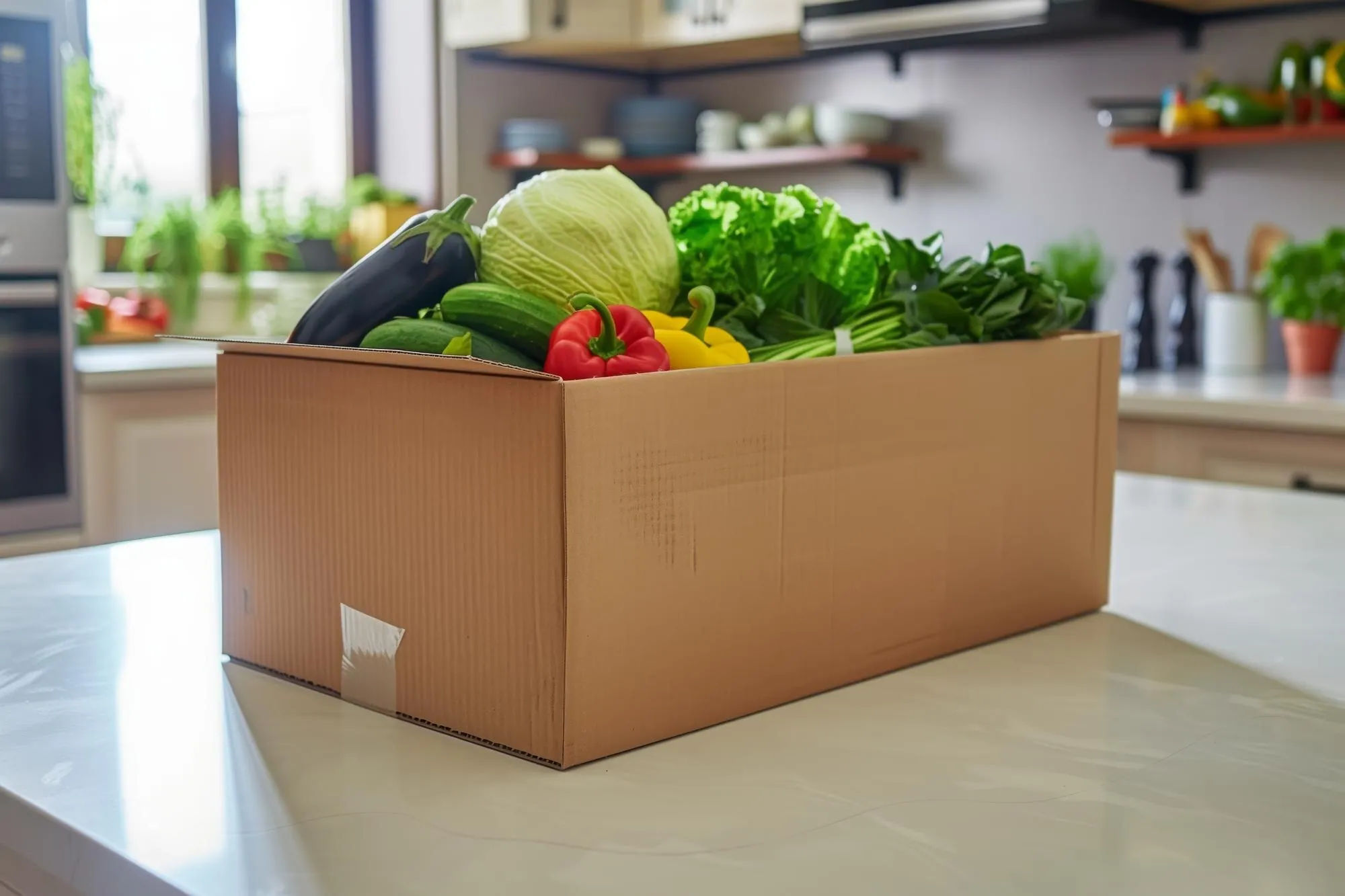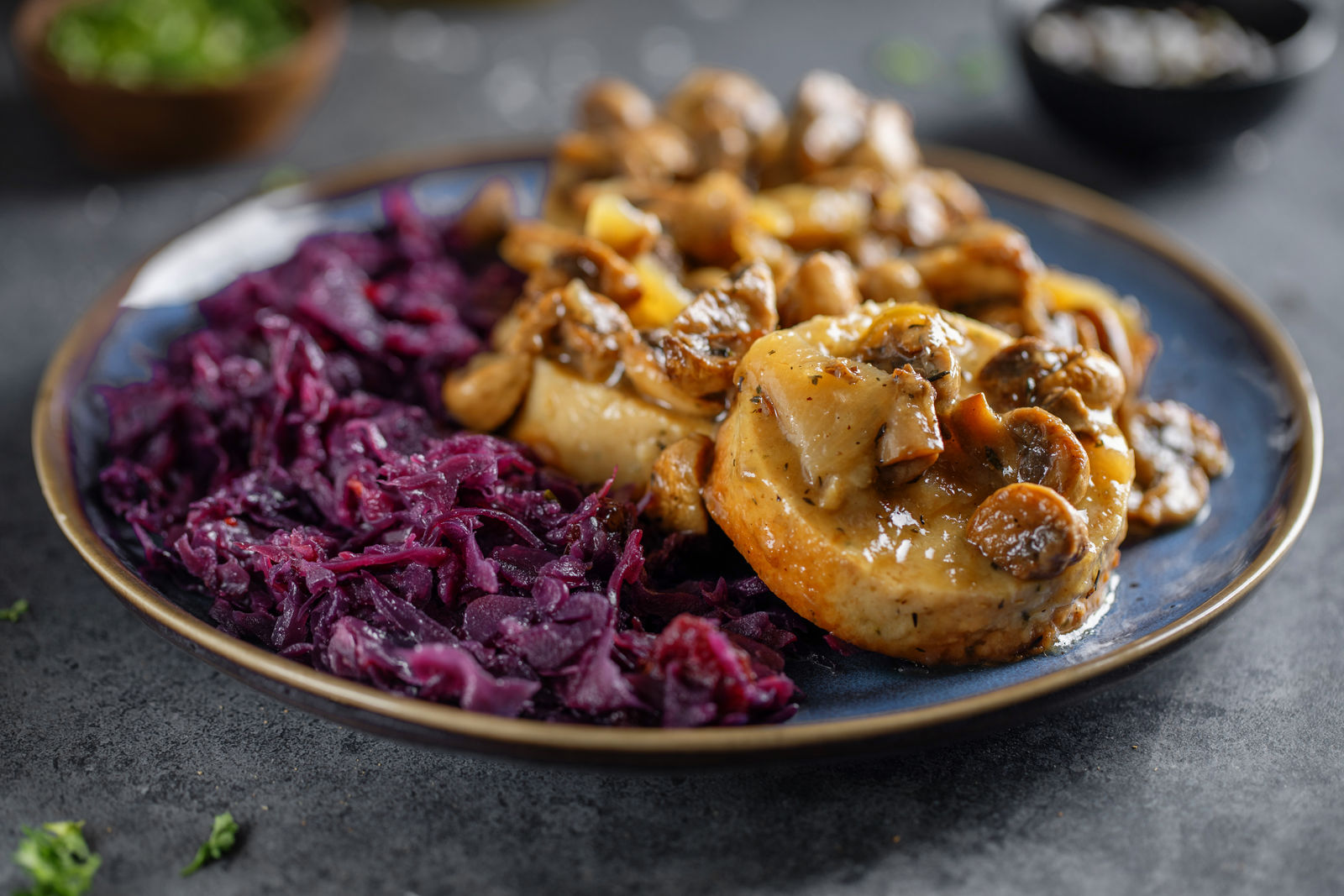

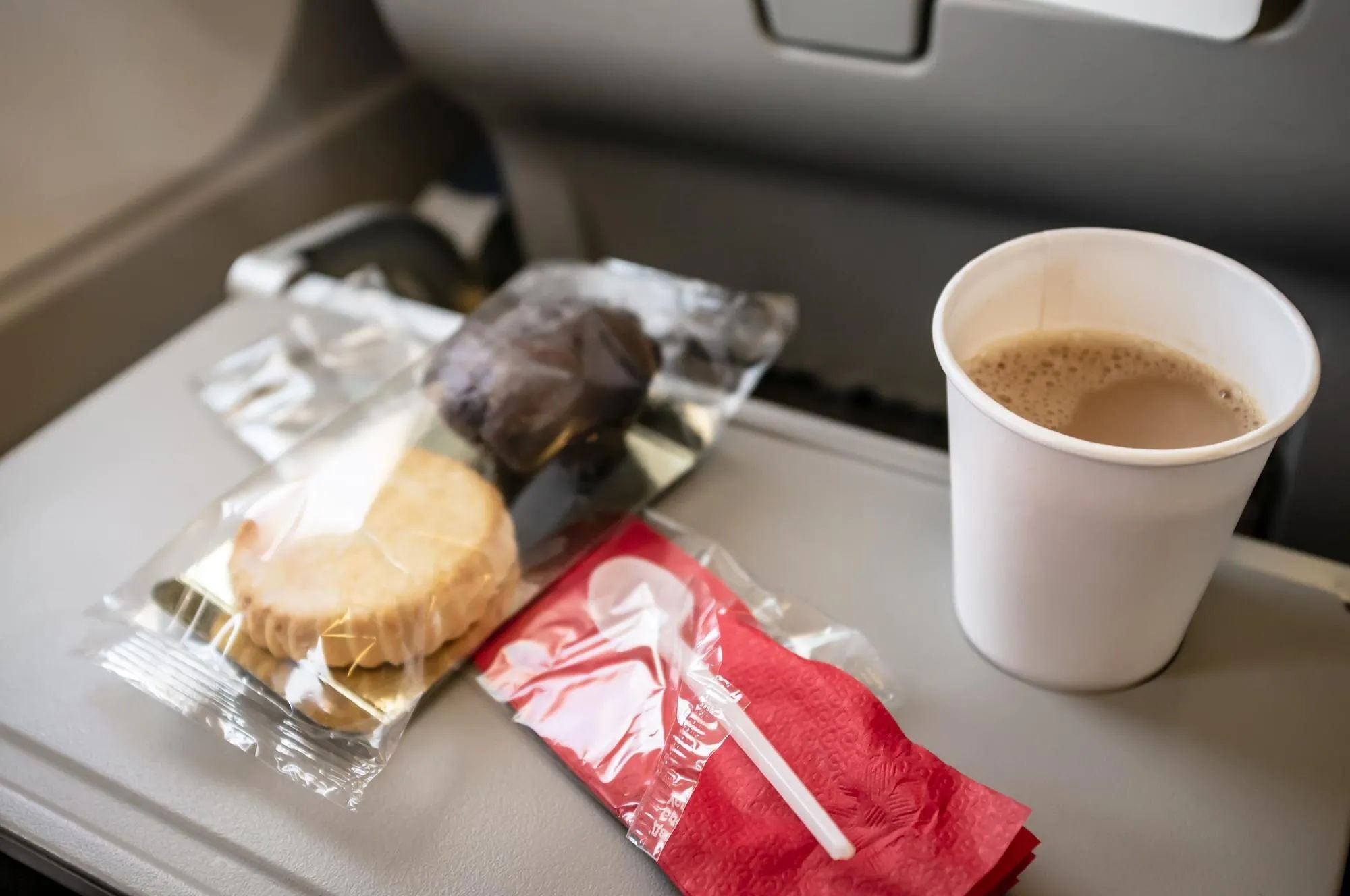
The best food to bring on a plane is solid, low-mess and safe without a fridge: a sturdy sandwich or wrap, nuts, firm fruit, hard cheese with crackers and a grain salad. Pack spreads and liquids in small containers, keep perishable items cold, and eat them first. A good plan beats a rushed airport meal that costs more and tastes worse.
You do not need a recipe for every flight. Decide how many hours you will be in transit, pick one main item and two or three snacks, and check the rules for your route before you pack.
Check the rules before you pack
In the United States, the TSA allows most solid food in carry-on bags. The catch is anything spreadable or liquid: under the TSA liquids rule, liquids, gels, creams and pastes must be 3.4 ounces (100 milliliters) or less per container and fit in one quart-sized bag. Yogurt, hummus, peanut butter, dips, soups and sauces can all count.
The final decision rests with the officer at the checkpoint, and rules vary by country and airline. On international trips, the destination may also restrict fresh fruit, vegetables, meat, eggs and dairy, so check the customs rules before you pack anything fresh.
What to look for in plane food
It holds up without cooling
Choose food that stays good for several hours at room temperature, or pack it with ice packs and eat it early. Dry fillings, whole fruit and nuts are more forgiving than creamy salads.
It is easy to eat in a small seat
You will eat from a tray table or your lap. Pick food you can eat with one hand or with a single fork, and bring napkins and a wipe.
It has low smell and low mess
Strong smells travel in a closed cabin. Leave out raw onion, fish and anything that needs messy sauces.
10 foods to bring on a plane
1. A sturdy sandwich or wrap
Use a dry barrier such as lettuce or cheese against the bread, and keep wet fillings separate. Wrap it tightly and eat it in the first half of the trip.
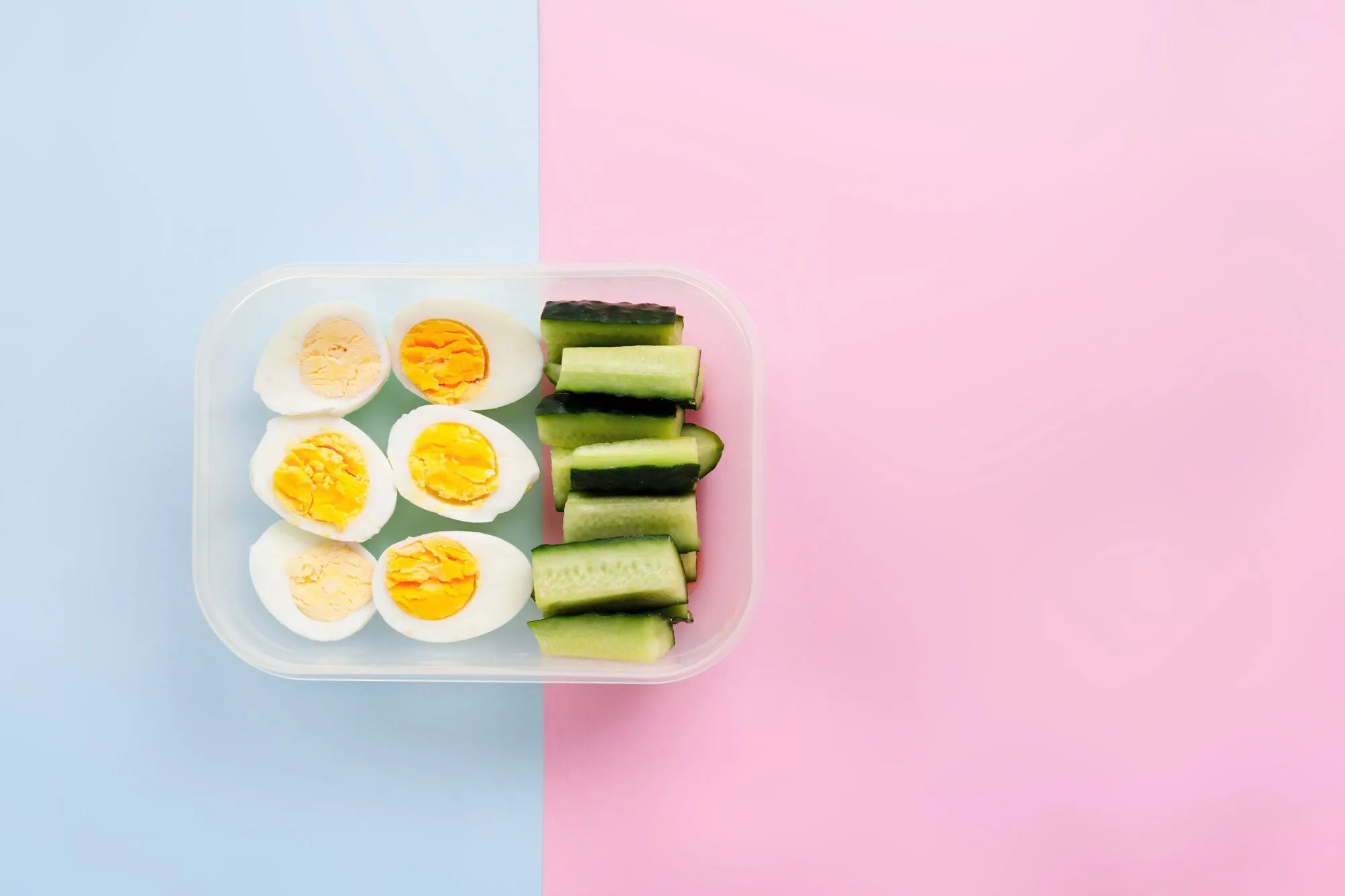
2. Hard-boiled eggs
Easy protein that peels cleanly and stays tidy. Keep them cold until you leave, and eat them within a few hours. Peel them at home if the smell matters to you.
3. Nuts and trail mix
Calorie-dense, shelf-stable and quiet to eat. Check allergies on your row and keep the portion in a small container.
4. Cut vegetables and firm fruit
Carrots, cucumber, snap peas, apples and grapes travel well and add crunch. Skip soft fruit that bruises, and check destination customs on international flights.
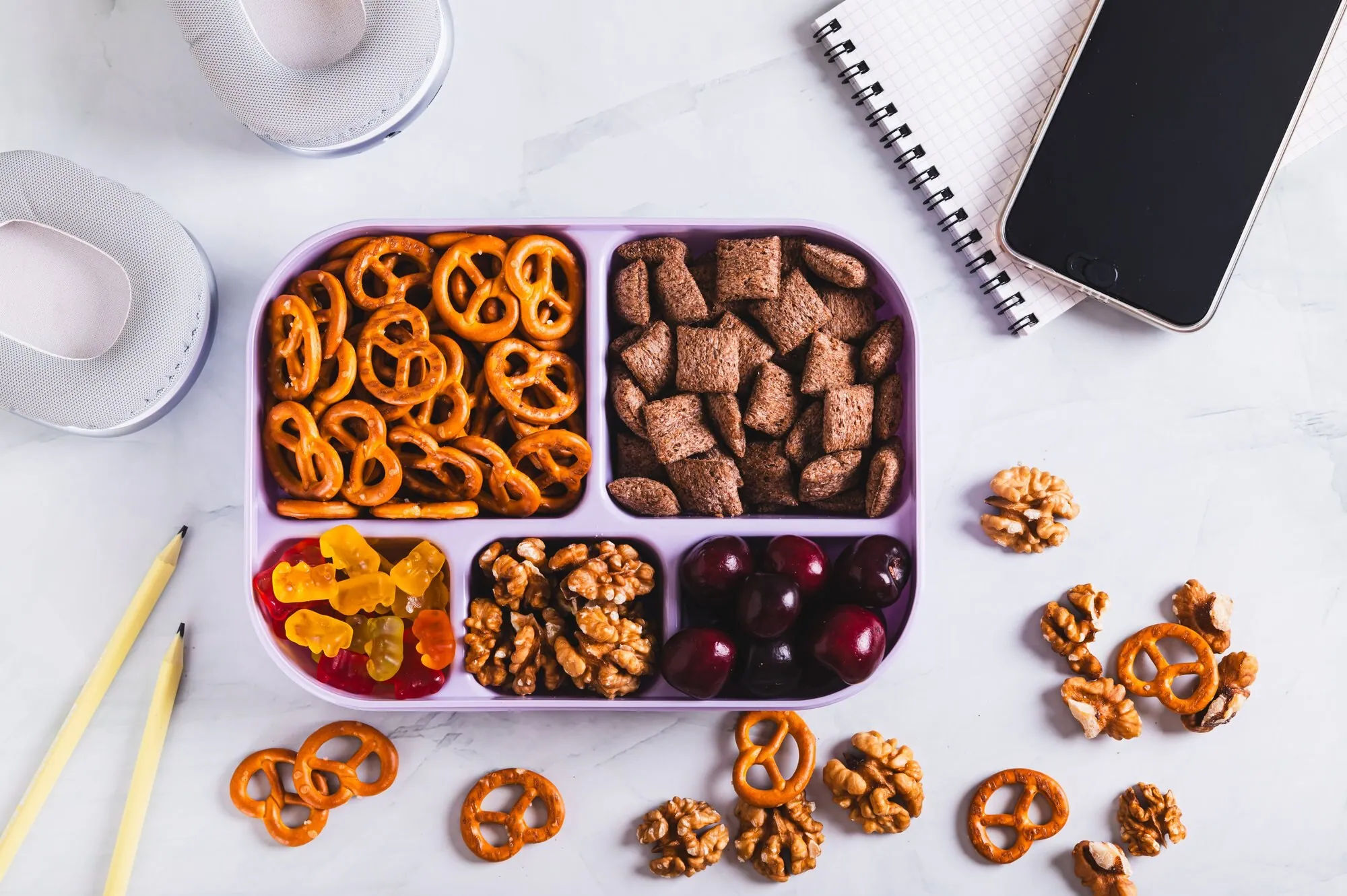
5. Hard cheese and crackers
Cheese cubes and sturdy crackers make a quick plate. Soft or spreadable cheese counts under the liquids rule, so keep it in 3.4 oz portions or leave it out.
6. A grain or pasta salad
Dress it lightly and pack it in a lidded container. Rice, quinoa or short pasta with vegetables and beans works well and is the most filling choice for a long flight.
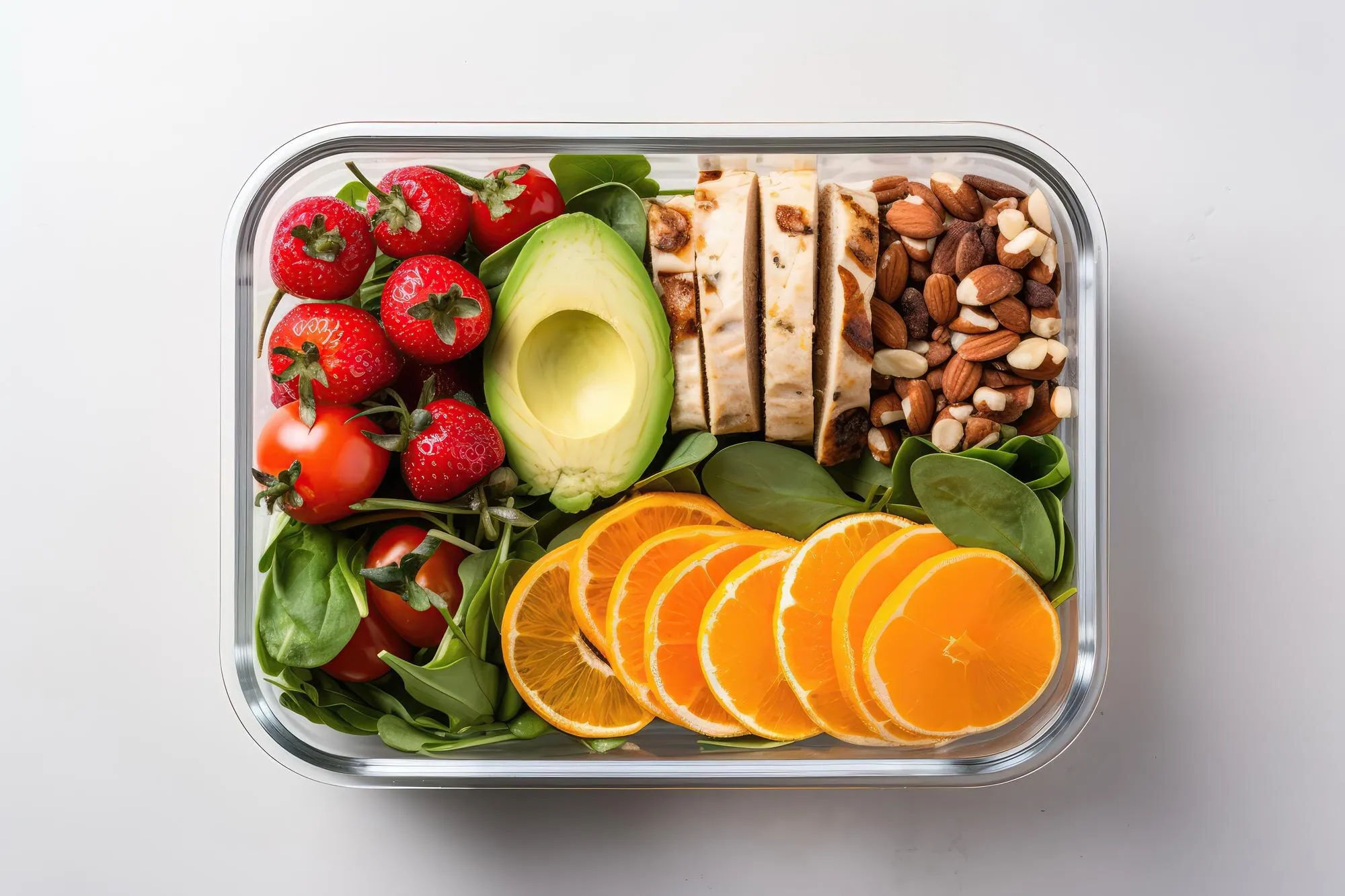
7. Oat bars or energy balls
Homemade oat bars or date-and-nut balls are compact and do not need cooling. Wrap them individually.
8. Roasted chickpeas or popcorn
Crunchy, light and filling. Pack them in a bag that closes well so crumbs stay contained.
9. Dried fruit
Apricots, raisins and mango slices give quick energy. Pair them with nuts so the sugar does not spike and drop.
10. A small shelf-stable treat
Dark chocolate or a few cookies make a long flight easier. Keep it simple and small.
What not to bring
Leave out soup, jars of sauce, big tubs of hummus or yogurt and any liquid or gel over 3.4 oz: it will not pass the checkpoint in a carry-on. Skip strong-smelling foods in a closed cabin, and avoid very messy dishes. Keep nuts out of reach if someone near you has an allergy and the airline has asked for it.
Keep perishable food safe
Cooked and cut foods are perishable. The USDA guidance on leftovers and food safety says to refrigerate perishable food within two hours, or within one hour when it is above 90°F (32°C). Pack perishable items in an insulated bag with a frozen cold pack, put the bag in your carry-on and eat them early in the journey.
The TSA treats gel packs and frozen items as liquids unless they are frozen solid at the checkpoint, so freeze them overnight. If a cold pack has melted, it may not pass. When in doubt, use shelf-stable food instead.
A simple plan for a short and a long flight
Short flight, two to three hours: a wrap, an apple and a handful of nuts. Long flight, eight hours or more: a sandwich for the first meal, a grain salad or egg box for the second, and a snack box with nuts, dried fruit and a treat. Add water after security, because empty bottles go through but full ones do not.
For other trips, see our guides to food for a train trip and road trip snacks.
How Dishday can help you pack
Dishday cannot check airport rules for you, but it can turn a travel day into a short list. Save two or three meals you already like, choose the ones that travel well and add only the missing items to your shopping list.
Use the Dishday meal planner to plan the days before and after the trip, and the grocery-list feature to buy the nuts, fruit and wraps once. Our guide to foods you can freeze helps with cold packs and prepared portions.
Limits and checks that matter
Rules change and differ between countries, airports and airlines, so check the official guidance for your route before you travel. Customs rules for fresh food on international flights can be strict.
Check allergens on labels and keep them away from shared surfaces. For young children, pregnant people, older adults or anyone with a weakened immune system, follow local public-health advice and be stricter with timing.
Frequently asked questions
Can you bring food through airport security?
In the United States, the TSA allows most solid food in carry-on bags, but liquids, gels, creams and pastes must be 3.4 oz or less per container. The final decision is up to the officer, and rules differ by country.
Can you bring hummus, yogurt or peanut butter on a plane?
Only in containers of 3.4 oz (100 ml) or less in your quart-sized liquids bag. Larger tubs belong in checked baggage or at home.
Can you take a sandwich on an international flight?
Often yes through security, but the destination country may restrict meat, dairy, eggs and fresh produce. Check the customs rules and eat or discard food before you arrive.
How do you keep food cold on a plane?
Use an insulated bag with a frozen cold pack, make sure the pack is frozen solid at the checkpoint and eat perishable items early in the trip.
What are the best snacks for a long flight?
Nuts, firm fruit, hard cheese with crackers, oat bars, roasted chickpeas and dried fruit are easy to carry and need no refrigeration.
Pick one main item and two snacks for your next flight and write them down. To keep the packing list and the shopping list in one place, download Dishday on the App Store.