
You can freeze bread, meat, poultry, fish, cooked meals, stock, fruit, blanched vegetables, butter, grated cheese and raw eggs removed from their shells. Freeze food while it is still safe and good quality, not after it has begun to spoil. Portion it for a real future use, package it against air and label the contents and date.
The important distinction is safety versus quality. USDA says almost any food can be frozen, with canned food and eggs in shells as notable exceptions. Yet lettuce, mayonnaise, cream sauces and several other foods often thaw with disappointing textures. A freezer can pause a good ingredient; it cannot repair an unsafe or poor-quality one.
Make the freeze-or-use decision quickly
Freeze now when the next use is uncertain
If safe food is unlikely to be cooked or eaten within its recommended refrigerator window, freeze it early. Good candidates include half a loaf of bread, ripe fruit intended for smoothies or baking, raw meat that is not on this week's plan, a batch of soup and portions of cooked food you will not finish soon.
Do not wait for a final smell test. Freezing does not destroy most microorganisms, and food that was mishandled before freezing does not become safe in the freezer. Follow the use-by date, package directions and the food-safety authority where you live.
Decide what the food will become after thawing
Texture changes are easier to accept when the future job is clear. Frozen berries may become soft but still work in oatmeal, sauce or muffins. Grated cheese may become crumbly but still melt into a cooked dish. Tomatoes may lose their fresh bite but remain useful in soup or sauce.
Write that job on the label: “berries — smoothies,” “spinach — soup,” or “chicken stew — two lunches.” A destination is more useful than a container marked only “food.”
Foods that usually freeze well
Bread, tortillas and many baked goods
Freeze sliced bread, rolls, tortillas, muffins and unfilled cakes in portions you can use at once. Separate slices or pieces before freezing and use a tight freezer bag or wrap. Bread can often move directly to a toaster or oven; delicate frostings and cream or custard fillings need their own guidance.
Raw meat, poultry and fish
These foods can be frozen when they have remained safely cold and are still within the date and handling instructions on the package. Divide family packs before freezing so one dinner does not require thawing the whole package. Overwrap permeable store packaging for longer storage and place packages where juices cannot reach other food if a leak occurs.
Soups, stews, casseroles and cooked components
Broth-based soups, bean stews, cooked meat, meatballs, tomato sauces and many casseroles are practical freezer foods. Cool and refrigerate cooked food promptly, then freeze the portion you will not use. USDA advises freezing refrigerated leftovers within three to four days; local rules and the ingredients in the dish may require a shorter window.
Stock, sauces and small flavor bases
Freeze stock, tomato sauce, pesto prepared for freezing, caramelized onions or chopped herbs in the quantities a recipe actually needs. Small blocks or flat bags thaw faster than one deep container. Leave space for liquids to expand and never use a container that is not designed for freezer temperatures.
Fruit for cooking, smoothies and desserts
Berries, peeled bananas, sliced stone fruit and many other fruits can be frozen. Expect some fruit to soften after thawing, so choose the later use before packing. Tray-freezing pieces first keeps them separate; a measured purée is more useful than one unidentified frozen block.

Vegetables prepared for their next dish
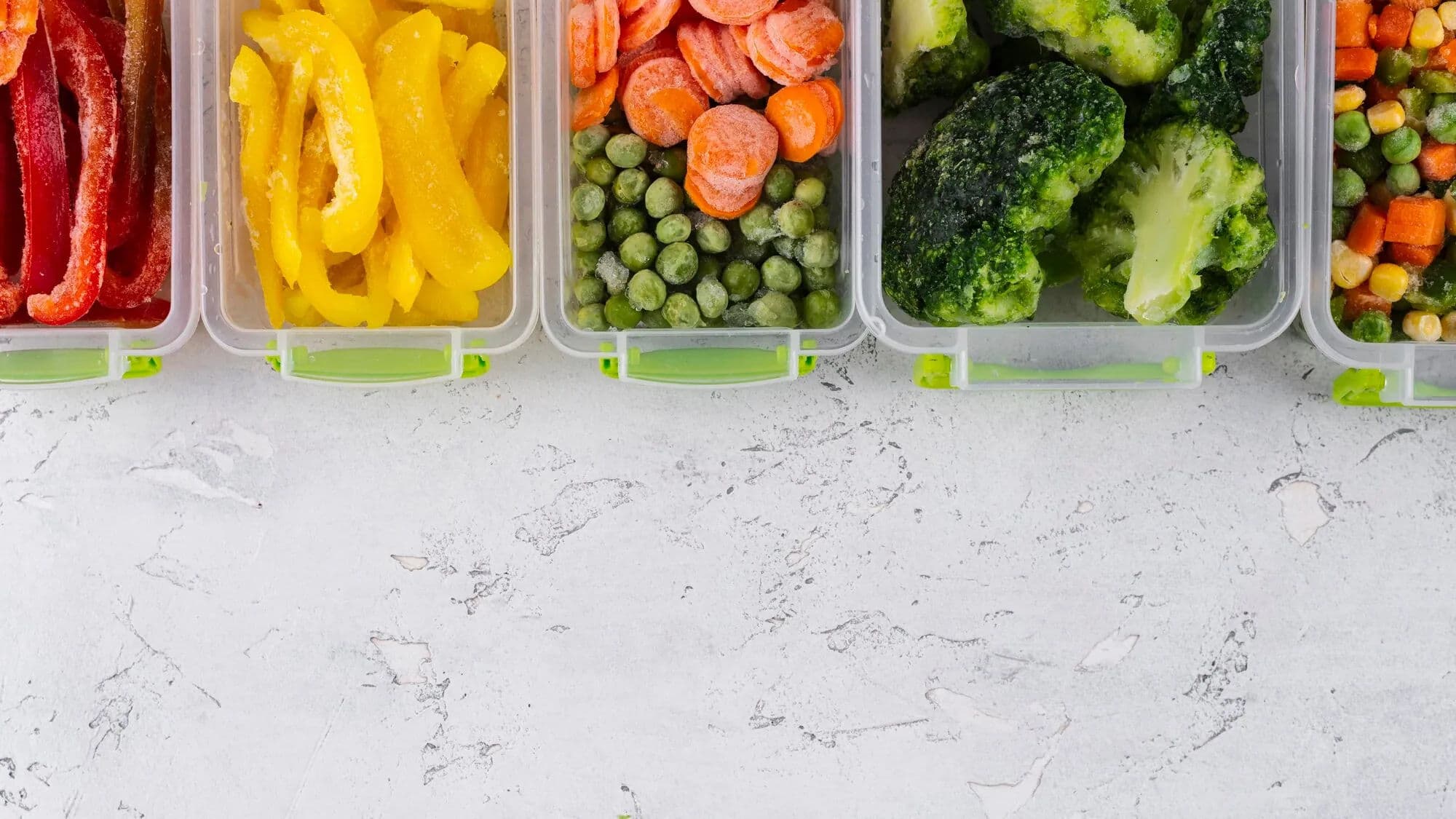
Peas, green beans, broccoli, carrots, corn, spinach and many other vegetables freeze well when prepared correctly. The National Center for Home Food Preservation recommends blanching most vegetables for the time specified for that vegetable, then cooling, draining and packing them. Peppers and onions are examples that may be frozen for cooking with simpler preparation, but always check the food-specific method.
Butter, firm cheese and eggs out of the shell
Butter generally freezes well. Firm cheese is often more useful grated or portioned because thawing may make it crumbly. Milk and some cultured dairy products can be frozen for cooking, but separation is common and the original package may not leave enough expansion space.
Raw eggs can be frozen only after they are removed from their shells. Beat whole eggs or separate whites and yolks according to a tested method, label the quantity and freeze in a suitable container. Do not freeze eggs in their shells.
Cooked grains, pasta and herbs with a purpose
Cooked rice, pasta and herbs can be frozen, but quality depends on the dish. Plain cooked pasta or rice may soften or taste reheated; they often work better as part of a sauce, soup or casserole. Herbs that lose their garnish texture can still flavor a cooked dish. Freeze these items only when that later use makes sense.
Foods that need special preparation
Blanch most vegetables before freezing
Blanching is a short treatment in boiling water or steam followed by rapid cooling. It slows enzyme activity that damages flavor, color and texture during storage. The correct time varies by vegetable and piece size, so use a tested food-specific table rather than one universal number. The NCHFP freezing guide provides methods for individual fruits and vegetables.
Remove eggs from their shells
Shell eggs can expand and crack in the freezer. Crack only sound eggs into a clean bowl, prepare them for the intended recipe and freeze them in measured portions. Hard-cooked egg whites also tend to become rubbery, so freezing a finished egg salad is a poor quality choice.
Expect dairy to change texture
Milk, yogurt, sour cream and creamy sauces may separate or become grainy. This is often a quality issue rather than a reason to discard an otherwise safely handled product. Test a small portion and plan to stir it into cooking instead of expecting the fresh texture to return.
Leave headspace for liquids
Soup, stock and purée expand as they freeze. Use a leakproof freezer container and leave the headspace recommended for that container and food. Narrow-neck jars need extra caution; not every glass jar is freezer-safe. NCHFP lists moisture-resistant, durable, leakproof and easy-to-label packaging as key requirements.
Foods that freeze poorly or should not be frozen as-is
Crisp salads and emulsified sauces lose their structure
Lettuce, cucumber, radish, celery and similar high-water vegetables usually become limp and waterlogged when thawed for a raw salad. Mayonnaise, salad dressing, cream or custard fillings and some milk sauces may separate. Cooked potatoes, pasta or rice frozen alone can become watery or mushy.
This does not mean every ingredient must be thrown away. Cucumbers can be used fresh before freezing something else; celery can be cooked into stock first; a sauce can sometimes be frozen before dairy is added. Change the preparation rather than expecting the freezer to preserve crispness.
Keep cans and shell eggs out of the freezer
Do not freeze unopened canned food or eggs in shells. Once food is safely removed from a can, it may be transferred to an appropriate freezer container if that food freezes well. Follow the manufacturer's instructions for commercial packages, especially when a product has already been frozen and thawed.
How to freeze food before it spoils
Check safety before quality
Ask four questions: Has the food stayed cold enough? Is it still within its date and recommended refrigerator window? Is there any contamination or damaged packaging? Does the product label permit freezing? When the answer is uncertain, freezing is not a rescue step.
Portion for one future meal
Choose the household-sized amount you will actually thaw: two soup lunches, one pasta sauce, four slices of bread or one cup of berries. Shallow, meal-sized portions freeze faster and prevent repeated thawing.

Remove excess air and label clearly
Use freezer bags, wrap or rigid containers suited to the food. Press excess air from flexible packaging without crushing the contents. Label the name, freeze date, quantity and intended use. Add reheating or allergen notes when another person may serve it.
Freeze rapidly at 0°F/-18°C or below
USDA and NCHFP recommend a freezer at 0°F/-18°C or below. Spread new packages in one layer with some space around them until frozen solid, rather than stacking a large warm load. Recommended freezer times are mainly about best quality when food remains continuously frozen at the proper temperature; they are not a promise about food that was mishandled before freezing.
A 15-minute freezer rescue plan
Start with the foods most likely to be wasted
Scan the refrigerator for opened packages, cooked food, ripe fruit and vegetables that no longer fit the next two days. Keep only food that still passes its date, storage and handling checks. Choose no more than four items so the task finishes before it becomes another project.
Assign every item a future use
Turn berries into two smoothie bags, grate half a block of firm cheese for a pasta bake, portion stew into two lunches and blanch a small batch of green beans for a stir-fry. Write each destination and date before the food goes into the freezer.
Add one freezer meal to the coming week
A freezer is useful only when food comes back out. Put one labeled portion on next week's meal plan and add only its missing ingredients to the grocery list. For a refrigerator-first routine, use the related guide to organize your fridge and reduce food waste.
Thaw and refreeze food safely
Use the refrigerator, cold water or microwave
USDA lists three safe thawing methods: in the refrigerator, in cold water inside a leakproof bag, or in the microwave. Food thawed in cold water or the microwave should be cooked immediately. Do not thaw perishable food on the counter, in a car or outdoors.

Refreeze according to how the food thawed
Food thawed safely in the refrigerator can generally be refrozen without cooking, though quality may decline. If raw food was cooked after thawing, the cooked food can be frozen. Do not refreeze perishable food that spent too long above safe refrigerator temperature. Read the full USDA freezing and food-safety guidance when the history of a package is complicated.
Turn freezer portions into planned meals with Dishday
After labeling the food, save the future dish and place it on the Dishday meal planner. Use the grocery list for only the ingredients needed to complete it. The current App Store listing confirms that Dishday supports saved recipes, weekly planning and a grocery list.
Dishday cannot tell whether a package stayed cold, whether an ingredient is safe after mishandling or whether its texture will suit you. Keep the food-safety decision with the label, thermometer and official guidance; use the app only to make the intended meal visible.
Frequently asked questions
What foods can you freeze before they go bad?
Bread, raw meat and fish, cooked meals, soups, stock, many fruits, properly prepared vegetables, butter, grated firm cheese and eggs removed from their shells are common candidates. Freeze them while they are still safe and good quality, and choose the future use before packing.
Can I freeze food on its use-by date?
Follow the product label and local food-safety guidance. If the food has stayed correctly chilled, is still within the date and the label permits freezing, it may be possible to freeze it that day. Do not use freezing to extend food that has already exceeded a safety date or was mishandled.
How long can food stay in the freezer?
Food kept continuously at 0°F/-18°C or below can remain safe for a very long time, while published freezer storage times usually describe best quality. The useful time varies widely by food, packaging and preparation, so record the date and use a food-specific official chart rather than one rule for everything.
Which foods should not be frozen?
Do not freeze canned food in a sealed can or eggs in their shells. Lettuce, cucumber, mayonnaise, cream sauces and similar foods often freeze poorly because they become watery, limp or separated. Sometimes changing the future use makes the ingredient practical to freeze.
Can I refreeze thawed food?
Food thawed in the refrigerator can generally be refrozen if it stayed safely cold, although quality may decline. Food thawed with cold water or a microwave should be cooked immediately before any later freezing. Discard perishables that exceeded safe time and temperature limits.
Use the freezer before food becomes a decision again
Choose one safe ingredient you are unlikely to use, give it a future meal, portion and label it, then schedule that meal. To keep the recipe, week and missing groceries together, download Dishday on the App Store.