


When an ingredient is missing, replace what it does, not just what it looks like. First decide whether it supplies moisture, fat, acidity, sweetness, salt, structure, thickening, lift or the main flavor. Then choose something you already have that performs the same job, use a conservative amount, and adjust after tasting or checking the texture.
This works especially well in soups, stews, sauces and casseroles. Baking needs more precision because flour, eggs, fat, sugar, acid and leavening interact. Tested canning recipes are a separate safety category: do not improvise with acid or ingredient proportions.
Use this five-step substitution method
Read the whole recipe. A missing egg may bind meatballs, set a custard or help a cake rise. Those jobs need different replacements.
Name the function. Ask whether the ingredient brings water, fat, acid, body, lift, binding, salt, sweetness or a distinctive flavor.
Choose the closest candidate. Match texture and concentration as well as category. Thick yogurt is closer to sour cream than plain water is; tomato paste is more concentrated than canned tomatoes.
Change one variable. Make one substitution at a time when possible. Start with less salt, spice or acid because you can add more later.
Record the result. Note the amount, dish and outcome. A swap that works in tomato soup may fail in a sponge cake.
Colorado State University Extension's peer-reviewed ingredient-substitution guide emphasizes flavor, moisture, texture, weight, sweetening power and thickening power. That is the useful mental model: two ingredients can share a label such as “dairy” or “flour” and still behave very differently.
Decide how much risk the recipe can tolerate
Stovetop meals are usually forgiving
Soups, stews, sautés, pasta sauces and grain bowls can often be corrected while cooking. Add liquid gradually, simmer to reduce excess water, thicken at the end, and balance salt or acid after the ingredients have cooked together. You can also change the final format: a filling that is too loose for a wrap may still work as a bowl.
Baking depends on a system
In baking, an ingredient may control several things at once. Butter contributes fat, water and flavor; eggs may bind, aerate and set; sugar affects sweetness, browning, moisture and tenderness. Use a tested substitution from a reliable source, measure carefully and avoid replacing several structural ingredients in one experiment. The Utah State University Extension list also warns that a swap can change flavor, color, texture or volume even when the result is acceptable.
Preserving recipes are not a place to improvise
Follow a research-tested canning recipe exactly. The National Center for Home Food Preservation explains that acid and vegetable proportions in canned salsa affect safety; reducing vinegar or lemon juice, increasing low-acid vegetables or thickening before canning can make the product unsafe. Freeze or refrigerate an improvised salsa instead of canning it.
Replace liquids, fats and acids by function
Broth and cooking liquid
If broth mainly supplies moisture, water can work. Build back flavor with sautéed onion, garlic, herbs, spices or a spoonful of a compatible condiment. Bouillon or a packaged broth base can replace broth according to its label, but begin with less added salt because these products vary widely.
Vegetable broth can often stand in for chicken broth. The flavor will change, not necessarily worsen. If broth is the main character, as in a clear soup, a weak substitute will be noticeable.
Fats for sautéing and sauces
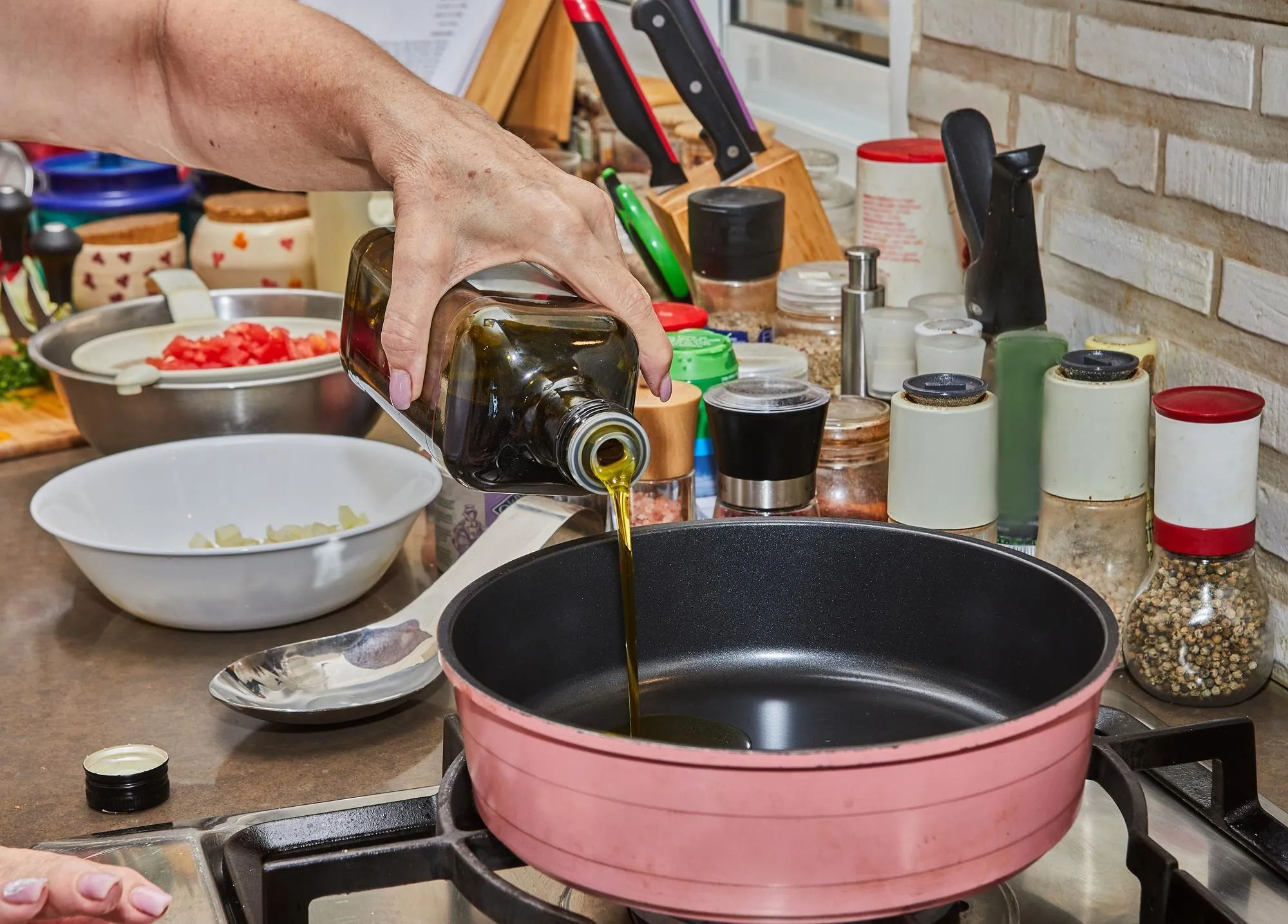
For ordinary sautéing, use an oil or cooking fat suited to the heat and flavor. Butter brings milk solids and water; oil is essentially all fat. That difference matters in baking and in sauces that depend on butter's flavor or ability to emulsify. In a pan, begin with enough fat to coat the surface rather than copying a baking ratio.
Acids for balance
Lemon juice and vinegar can often replace one another in a dressing, soup or pan sauce when the goal is brightness. Start with less, taste and adjust because vinegars differ in strength and flavor. Yogurt, buttermilk, wine and tomatoes also add acidity, but they bring extra water, fat or sweetness. Do not treat those swaps as automatic in baking or preservation.
Substitute dairy and eggs according to the job
Milk, yogurt and sour cream
In many soups, batters and casseroles, an unsweetened plant drink can replace milk by volume, but the result may be thinner. Check the label for sugar, vanilla and allergens. Plain yogurt can replace sour cream in many dips, dressings and baked recipes; thick yogurt is the closer match. In a hot sauce, lower the heat and stir it in gradually to reduce curdling.
Heavy cream
Milk plus butter can imitate the fat and liquid balance of cream in some cooking and baking uses, but the CSU Extension guide explicitly notes that this kind of mixture will not whip. For a creamy soup or sauce, milk plus a starch-thickened base may be sufficient. For whipped cream, choose a product designed to whip rather than a workaround that lacks the needed structure.
Eggs
Match the egg's role. In meatballs or patties, a moist binder such as mashed beans, breadcrumbs with liquid or a tested commercial egg replacer may hold the mixture. In quick breads, fruit purée or yogurt can add moisture and some binding, but also changes sweetness and density. In meringue, custard, soufflé or an egg-forward cake, the egg is structural; use a recipe developed for an alternative rather than improvising.
If the change is for an allergy, do not assume “egg-free” because the obvious egg is gone. Check every packaged ingredient and prevent cross-contact with utensils, bowls and surfaces.
Handle flour, starch and leavening carefully
Thickening a sauce
Flour, cornstarch, arrowroot and tapioca do not have equal thickening power. The CSU guide gives one practical relationship: one tablespoon of cornstarch can replace two tablespoons of all-purpose flour for thickening. Mix starch with cool liquid before adding it to a hot sauce to limit lumps, then give it the cooking time its package or recipe recommends.
Replacing flour in baking
Do not swap an equal cup of a specialty flour into bread or cake and expect the same structure. Wheat flour supplies gluten; nut, oat, rice and legume flours absorb water differently and may not trap gas in the same way. Use a tested blend or a recipe written for the flour you have, especially for yeast bread or gluten-free baking.
Baking soda and baking powder
Baking soda requires enough acid; baking powder already contains acid components. Replacing one with the other changes lift, flavor and browning. Use a tested ratio that accounts for the recipe's yogurt, buttermilk, cocoa, molasses or other acids. If you are unsure why the recipe uses both, this is a good point to choose another recipe instead of guessing.

Rebuild flavor without copying the exact ingredient
Fresh and dried herbs
Dried herbs are more concentrated than fresh. A useful extension guideline is one teaspoon dried for one tablespoon fresh. Add delicate fresh herbs near the end; give sturdy dried herbs time to hydrate. The flavor will not be identical, so match the family: oregano for a savory tomato sauce is more sensible than mint simply because both are dried.
Garlic, onion, spices and salty condiments
Garlic powder, onion powder and dried minced aromatics can replace fresh versions when texture is not central. Garlic salt and onion salt also add salt, so reduce other salt first. Soy sauce, miso, bouillon, cheese and bottled sauces may replace some savory depth, but they can make a dish salty quickly. Add one, taste, then decide whether more is needed.
Swap the meal's building blocks, not its identity
Proteins and vegetables
Beans, lentils, tofu, eggs, chicken and fish are not nutritionally or texturally identical, but many flexible meals only need a satisfying main component. In a curry, chili, taco filling or grain bowl, replace the volume with a cooked option and adjust cooking time. Add delicate or already-cooked replacements near the end; give dried lentils enough liquid and time.
For vegetables, match behavior. Use another firm vegetable for roasting, another leafy green for wilting, or another quick-cooking vegetable for a stir-fry. A watery zucchini will not behave like a potato, even if both fit the same volume.
Grains, pasta and other bases
Rice, pasta, couscous, barley, bread, potatoes and tortillas can fill the same meal-planning role without using the same cooking method. Cook the replacement separately, then combine it with the sauce or toppings. This prevents a longer-cooking grain from stealing liquid from a quick-pasta recipe.
Example: make tomato-bean pasta without a special grocery trip
Suppose a recipe calls for chicken broth, heavy cream, spinach and Parmesan, but you have water, canned beans, plain yogurt, kale and a salty hard cheese.
Start by separating functions. Broth supplies liquid and savory flavor. Cream adds fat, body and softness. Spinach is the quick-cooking green. Parmesan adds salt and umami. Use water plus sautéed onion and garlic for the liquid, beans for body and protein, finely sliced kale for the green, and the cheese you have for the salty finish.
Cook the pasta and kale until tender. Mash a spoonful of beans into the sauce for body. Remove the pan from strong heat before stirring in yogurt so it is less likely to split. Add cheese last, then taste before adding salt. The result is not a copy of the original; it is a coherent meal because every important function has been covered.
Check allergies and safety before serving
Read every label and prevent cross-contact
The FDA's food-allergy guidance identifies nine major allergens in the United States and tells people with food allergies to read labels and avoid the foods they are allergic to. A substitute can introduce a new allergen: nut drinks, soy sauce, tahini, bouillon, dairy alternatives and gluten-free blends all need their own label check. Clean shared tools and surfaces when cross-contact is a concern.
Know when the exact recipe matters
Do not improvise when the formula controls safety or structure: home canning, infant formula, clinical diets, allergy-safe cooking, meringues, custards and highly technical breads are common examples. Use an authoritative tested recipe or professional guidance. A convenient substitute is not worth an unsafe food or a failed centerpiece.
How Dishday can keep a successful substitution useful
Once a swap works, save the edited recipe instead of solving the same problem again. In Dishday, you can keep the revised ingredient list with the recipe, place the meal in the weekly meal planner, and move only the missing items into the grocery-list workflow.
Before buying anything, check how to use pantry food before grocery shopping. If substitutions are hiding forgotten produce or open packages, the guide to organizing the fridge to reduce food waste is a useful next step. Dishday can store your decision, but it cannot verify allergy safety or make an untested preservation formula safe.
Frequently asked questions
What is the best way to choose an ingredient substitute?
Identify the missing ingredient's main function, then match moisture, fat, acidity, texture and concentration. A close functional match is more reliable than an ingredient that merely looks similar. Change one thing, use a conservative amount and adjust.
Can I substitute ingredients one for one?
Sometimes, especially in a forgiving soup or casserole. Not always. Oil and butter contain different amounts of water, starches have different thickening power, and fresh and dried herbs differ in concentration. Use a tested ratio for baking and structural ingredients.
What can I use instead of heavy cream?
For soup or sauce, milk plus butter or a milk-and-starch base may provide richness and body. Plain yogurt can work in some dishes if added gently away from high heat. These options do not behave like whipping cream, so use a product designed to whip when volume is the goal.
What can replace an egg in a recipe?
It depends on whether the egg binds, adds moisture, aerates or sets. A commercial egg replacer, fruit purée, yogurt or a moist breadcrumb mixture may suit certain recipes, but none is universal. For custard, meringue or egg-forward baking, use a recipe developed for the alternative.
Can I swap baking soda and baking powder?
Not directly. Baking soda needs acid, while baking powder includes acid components. Changing one affects rise, browning and flavor. Follow a tested substitution that accounts for all acidic ingredients in the recipe.
When should I not substitute an ingredient?
Do not improvise in tested canning recipes, infant formula, clinical diets or allergy-safe meals. Be cautious when a single ingredient provides most of a baked product's structure or identity. In those cases, choose a tested alternative recipe.
Choose one meal this week that can flex around what is already in your kitchen, and write down the successful change. If you want to keep the revised recipe, weekly plan and missing groceries together, download Dishday on the App Store.