
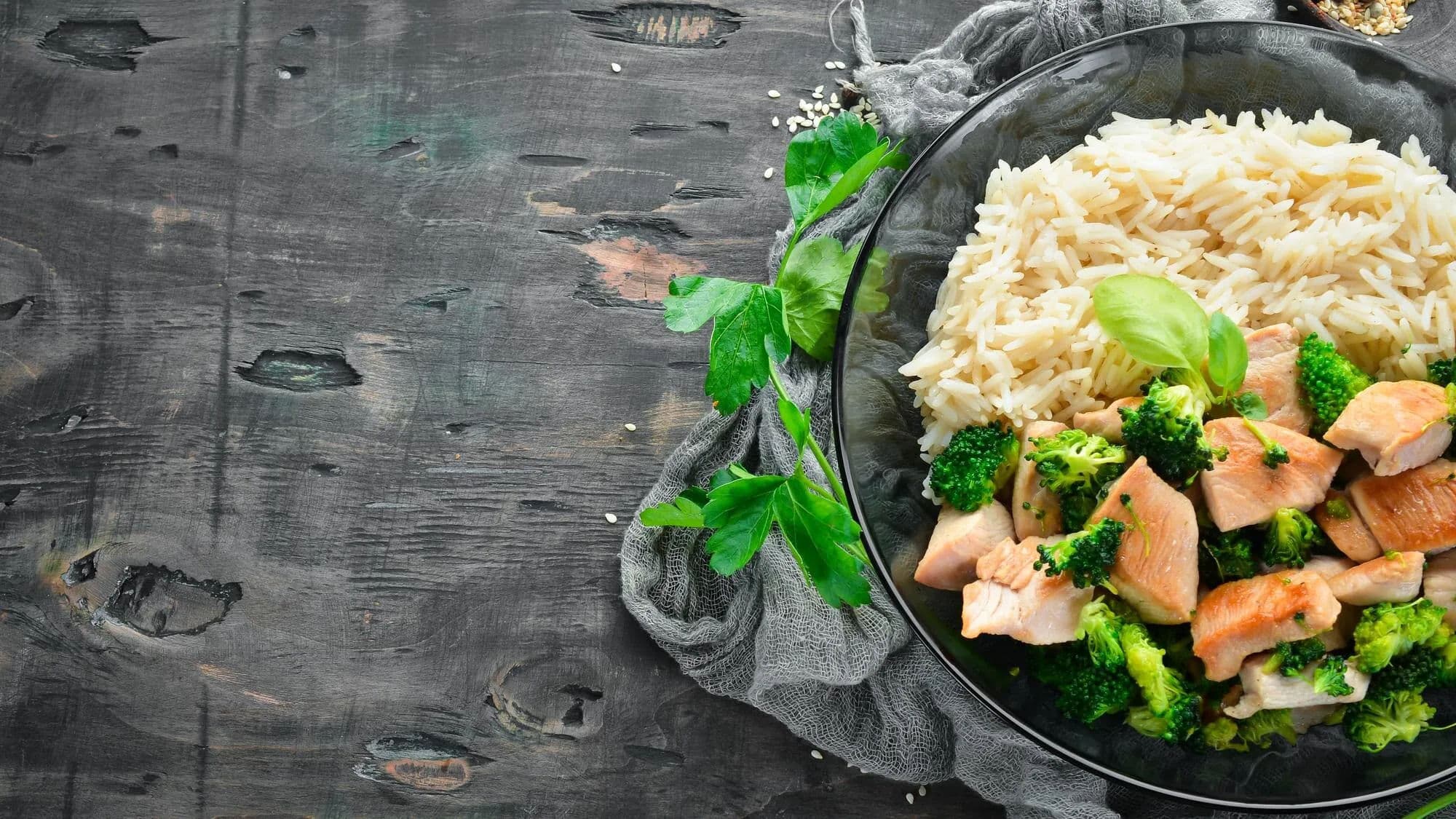
When you have both cooked chicken and cooked rice, the fastest second meal is usually a skillet, soup, casserole, curry or stuffed vegetable. Start with roughly one part chicken and one to two parts rice, add at least one part vegetables, then choose one source of moisture and one clear flavor direction. Because both main ingredients are already cooked, heat them only long enough to become thoroughly hot.
The important distinction is that this is not a recipe for raw chicken and uncooked rice. The ten formulas below are designed specifically for two leftovers that were cooled and stored safely. They help a small amount of chicken stretch across several servings without making every dinner taste like reheated roast.
Check the safety of both leftovers first
Treat the chicken and rice as two separate foods with two separate histories. Use the dish only if both were refrigerated promptly. USDA guidance says to refrigerate perishable food within two hours, or within one hour when the temperature is above 90°F (32°C), and to divide large amounts into shallow containers for faster cooling. A refrigerator should stay at 40°F (4°C) or below.
USDA’s general guidance allows most cooked leftovers for three to four days when they have been handled safely. Rice-specific advice can be stricter. The UK Food Standards Agency advises cooling rice quickly, ideally within one hour, keeping it refrigerated for no more than one day before reheating, reheating it only once, and making sure it is steaming hot throughout. Follow the official rule where you live, and use the stricter relevant limit when you are uncertain.
Do not combine a safe ingredient with a questionable one. Freshly cooked chicken does not rescue rice that sat on the counter, and safe rice does not reset the chicken’s storage clock. Smell and appearance cannot prove safety. If you cannot reconstruct when either item was cooked, cooled and refrigerated, discard that item.
When reheating leftovers, USDA advises reaching 165°F (74°C). Stir casseroles, soups and microwaved portions so cold spots do not hide in the center. Add a splash of water or broth and cover the food when useful; moist heat protects texture while the dish heats through.
Choose the new meal by moisture and texture
Cold rice is useful because its grains are firmer. Dry, separate rice belongs in a skillet or crisp patty. Sticky rice can bind a filling or bake. Dry chicken needs broth, tomato sauce, coconut milk, salsa or a light creamy sauce. Juicier dark meat can handle a hot skillet with less added liquid.
Before you start, choose one item from each group:
Vegetables: peas, carrots, broccoli, cabbage, spinach, peppers, corn, mushrooms or leftover roasted vegetables.
Moisture: broth, tomato sauce, salsa, coconut milk, yogurt sauce or a little water plus oil.
Flavor direction: ginger and soy; tomato and herbs; curry and coconut; lemon and dill; salsa and lime; or mustard and thyme.
Fresh contrast: herbs, scallions, citrus, pickles, cabbage or a crisp salad.
Avoid using every open condiment. A single direction makes leftovers taste deliberate; soy sauce, pesto, curry paste and barbecue sauce rarely improve one another in the same pan.
10 leftover chicken and rice recipes
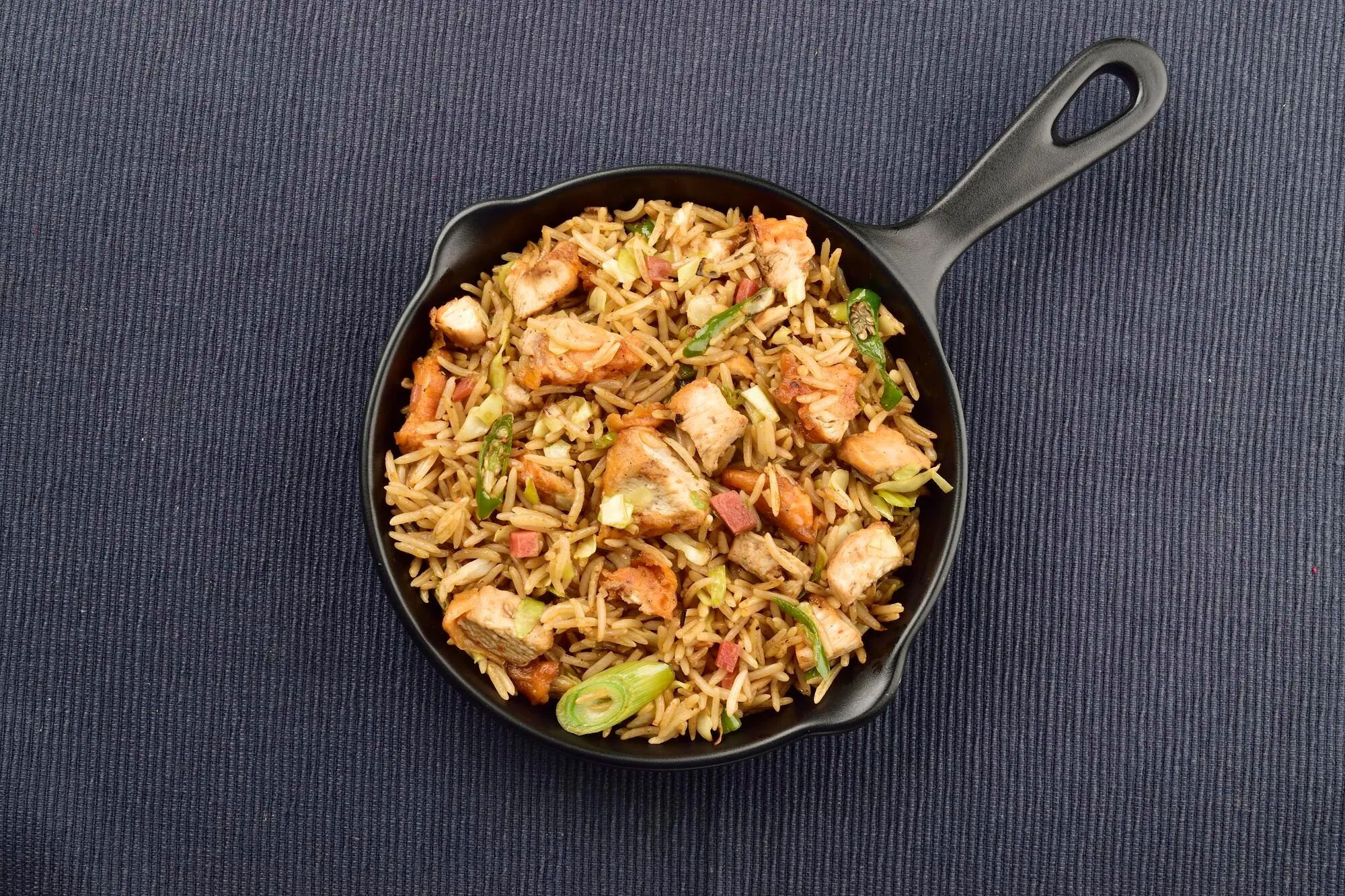
1. Vegetable chicken fried rice
Cook onion and firm vegetables in a wide hot pan. Add cold rice in a loose layer and let some grains toast before stirring. Season with soy sauce, ginger or another coherent base, then fold in diced chicken near the end. Peas, carrots, cabbage and frozen mixed vegetables all work. Use sauce sparingly: too much liquid steams the rice instead of giving it crisp edges.
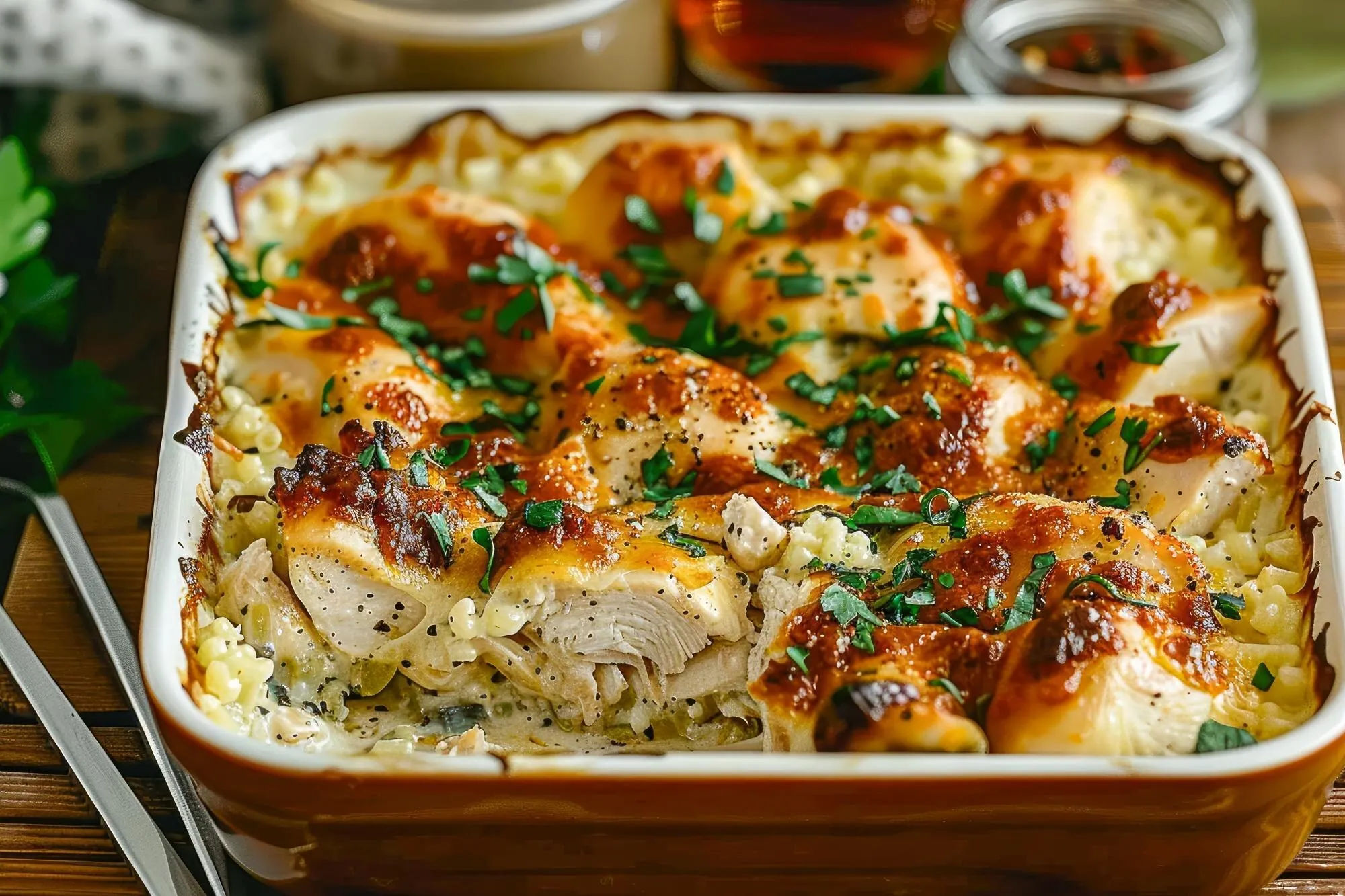
2. Saucy chicken and rice casserole
Mix chicken and rice with vegetables and enough loose sauce to coat everything. Tomato sauce, a light cheese sauce or broth thickened with a little milk all work. Transfer to a shallow baking dish, top with breadcrumbs or cheese, and bake only until bubbling and thoroughly hot. Since the rice absorbs liquid, the mixture should look slightly wetter before it goes into the oven.
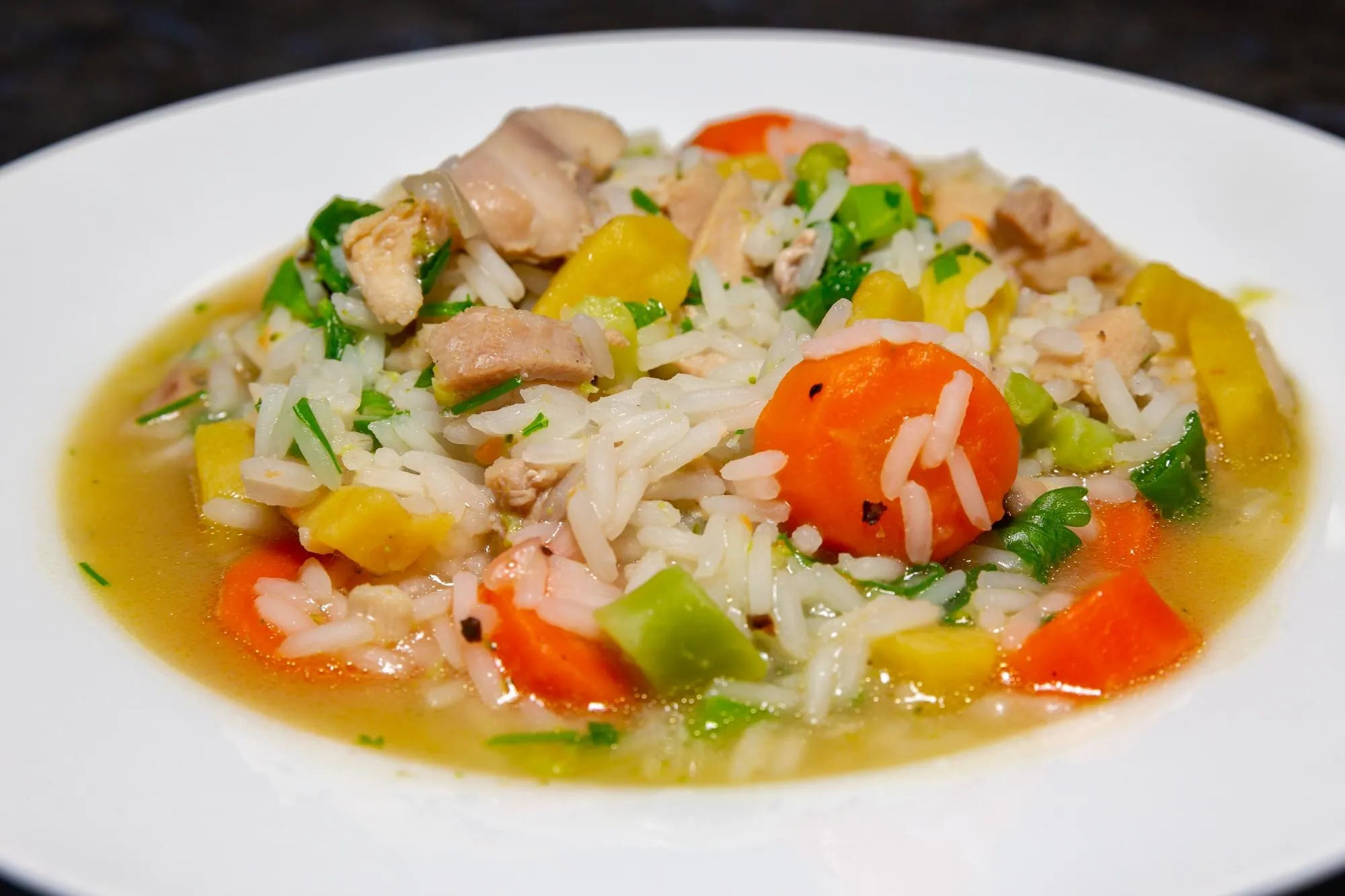
3. Lemon chicken and rice soup
Soften onion, carrots and celery in a pot, add broth, and simmer until the vegetables are tender. Stir in the rice and chicken during the final minutes. Finish with lemon and dill, parsley or spinach. Rice thickens soup as it stands, so keep extra broth nearby. If the original chicken or rice is salty, wait until the end to adjust seasoning.
4. Quick chicken-and-rice curry
Cook onion with curry powder or a spice paste, then add tomatoes, coconut milk or both. Simmer fresh or frozen vegetables until tender. Add rice and chicken last, using enough sauce to loosen the grains and protect dry meat. Finish with lime or herbs. This formula is especially helpful when plain leftover rice and breast meat both need moisture.
5. Burritos or toasted wraps
Warm chicken and rice with beans, corn, salsa and one spice blend. Keep the filling fairly dry, then roll it into tortillas with cabbage or cheese. Toast the outside in a skillet and serve extra salsa on the side. If the rice is very soft, use less of it so the wrap does not become heavy or split.
6. Stuffed peppers or zucchini boats
Combine chicken and rice with tomato sauce, herbs and finely chopped vegetables. Fill pepper halves or hollowed zucchini, cover for the first part of baking, then uncover to brown. The vegetable shell provides freshness and turns a modest amount of leftovers into a complete plate. Choose smaller pieces so the filling heats evenly.
7. Crisp chicken-and-rice patties
Chop the chicken finely and combine it with sticky rice, an egg, herbs and grated cheese or another binder. Shape one small test patty; add breadcrumbs only if it falls apart. Pan-fry thin portions until crisp on both sides and hot in the center. Serve with yogurt sauce and salad. This works better with soft rice than with very dry, separate grains.
8. Tomato chicken-and-rice skillet
Cook garlic and peppers, add crushed tomatoes and paprika, then simmer until slightly thickened. Fold in rice and chicken and cover briefly so the center heats through. Add spinach or peas at the end. Finish with parsley and a little cheese if wanted. Unlike fried rice, this route deliberately uses moisture and suits rice that has become dry.
9. Broccoli chicken rice bowls
Steam or sauté broccoli and make a sharp dressing from lemon and mustard, sesame and ginger, or yogurt and herbs. Reheat the chicken and rice thoroughly, then divide them into bowls and add broccoli plus a crisp topping. Keeping the dressing and vegetables distinct gives this simple combination more contrast than mixing everything into one beige pan.
10. Crispy-topped chicken and rice soup bake
For a dish between soup and casserole, combine chicken, rice, vegetables and enough broth to stay spoonable. Bake in a shallow dish until thoroughly hot, then add seasoned breadcrumbs and brown the top. This is useful for small, uneven amounts of leftovers. Do not leave a deep hot dish on the counter to cool; divide any extra into shallow containers promptly.
Build dinner from the amounts you have
Use the smaller leftover to choose the format. If you have less than one cup of chicken, make soup, fried rice, stuffed vegetables or burritos, where vegetables and sauce can stretch it. If chicken is plentiful but rice is scarce, build bowls or curry and add beans or vegetables. If rice dominates, choose a casserole, patties or a skillet.
A useful starting ratio for four modest servings is two cups cooked rice, one and a half to two cups chopped chicken, two cups vegetables and roughly one cup sauce or broth. Treat this as a texture guide, not a rule. Fried rice needs much less liquid; soup needs several cups of broth; a casserole should be moist before baking but not flooded.
Taste the original seasoning before choosing the new one. Barbecue chicken fits a tomato-and-bean skillet better than a delicate lemon soup. Strong curry rice should continue in a compatible curry or bowl. Plain ingredients give you the most freedom.
A practical two-meal plan
Suppose Sunday dinner leaves three cups of rice and two cups of roast chicken. While clearing the table, divide each into two shallow labeled containers and refrigerate promptly. Do not repeatedly warm and cool the same large container.
On Monday, use half for a vegetable fried-rice skillet with carrots, cabbage and scallions. On Tuesday, turn the second portion into lemony soup with broth, celery and spinach. If Tuesday’s plan changes, freeze the second safely chilled portion early rather than waiting until the edge of its storage window.
The two meals share the same leftovers but change both texture and flavor. Planning the second use while the cooking time is still known is more reliable than discovering an anonymous container later in the week.
How Dishday can keep the second meal visible
Dishday can support the planning step, but it cannot decide whether food was handled safely. Save the first meal and one follow-up formula, place the second meal on the next suitable day, and add only the missing vegetables, broth or sauce to the shopping list.
Use the Dishday meal planner and its grocery-list feature to keep that sequence visible. For broader options, see the separate guides to leftover chicken recipes, recipes for leftover rice, and using leftovers before they go bad.
Record the original cooking date yourself. A reminder is useful only when the stored information is accurate.
Limits and practical checks
Do not pour fresh sauce over old leftovers and assume the storage window starts again. Treat every ingredient according to its earliest safe use-by point. Avoid repeated partial reheating; portion only what you plan to eat and heat it thoroughly.
Check labels on broth, sauces and spice blends when cooking for allergies, and prevent cross-contact. For pregnant people, older adults, young children or anyone with a weakened immune system, follow local public-health or clinical guidance rather than taking extra chances with leftovers.
Finally, do not force both ingredients into a meal if one has the wrong texture or uncertain history. A safe cup of chicken can still become soup without rice, and safe rice can become fritters without chicken. The goal is a good second meal, not rescuing every container at any cost.
Frequently asked questions
What can I make with leftover chicken and rice?
Make fried rice, casserole, soup, curry, burritos, stuffed peppers, crisp patties, a tomato skillet or grain bowls. Choose a dry method for firm rice and a saucy method for dry chicken. Add vegetables and one coherent flavor base so the result feels like a new meal.
How long are leftover chicken and rice good in the fridge?
USDA generally recommends three to four days for safely handled cooked leftovers. Rice-specific rules can be stricter; the UK Food Standards Agency advises refrigerating rice for no more than one day before reheating. Follow the official guidance where you live and the shorter limit of the two ingredients.
Can I reheat chicken and rice together?
Yes, if both were cooked, cooled and stored safely. Add moisture, cover when appropriate, stir to eliminate cold spots and reheat thoroughly. USDA advises 165°F (74°C) for leftovers, while the FSA describes reheated rice as needing to be steaming hot throughout.
Can I freeze leftover chicken and rice?
Yes, when both ingredients are still safely chilled. Freeze meal-size portions promptly, remove excess air and label the cooking and freezing dates. Thaw in the refrigerator or reheat safely from frozen. Freezing does not make food safe if it was mishandled beforehand.
What is the easiest recipe when I have only a little chicken?
Make soup, fried rice, burritos or stuffed vegetables. These formats combine a small amount of chicken with rice, vegetables and sauce, so half a cup can add flavor and protein without needing to carry the entire meal.
Choose one formula now, label both leftovers, and freeze anything you will not use in time. To keep the follow-up meal and shopping list together, download Dishday on the App Store.