

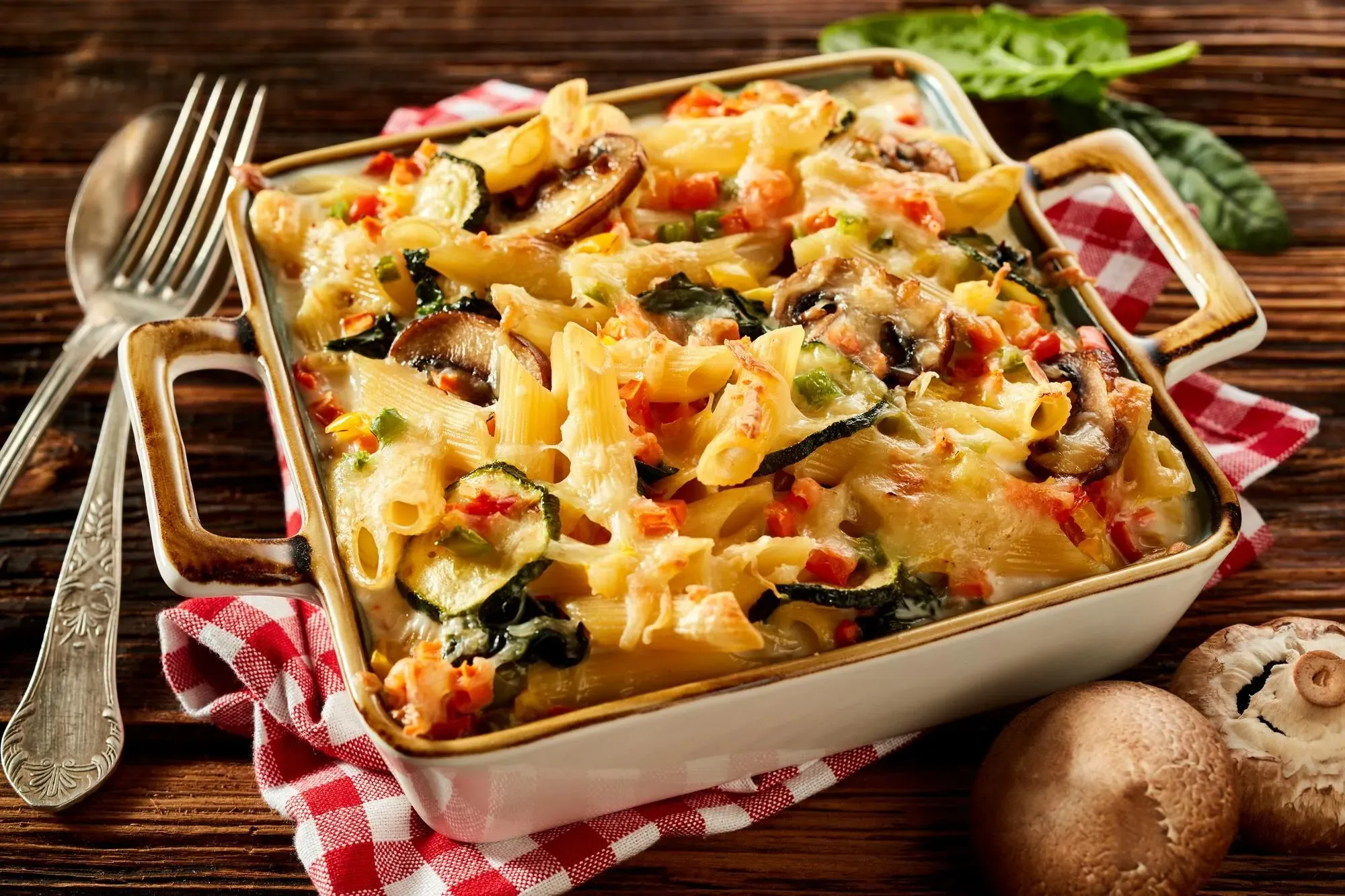
The easiest leftover pasta recipes give cooked pasta a new texture instead of just warming it up. Bind plain pasta with eggs into a frittata, crisp sauced pasta in a hot pan, bake it with extra sauce and cheese, or drop short shapes into soup at the last minute. Add one vegetable, one protein if you like, and one clear flavor, and yesterday's bowl becomes a different dinner.
You do not need a recipe for every container. About two cups of cooked pasta feeds two people as a main or four as a side. The only rule that comes before cooking: the pasta must have been refrigerated promptly and kept cold. If it sat out overnight, discard it.
Check the leftover pasta first
Cooked pasta is a perishable, moist, starchy food. The USDA guidance on leftovers says to refrigerate cooked food within two hours, or within one hour when it is above 90°F (32°C), and to use refrigerated leftovers within three to four days. Spread a big batch in shallow containers so it cools quickly instead of leaving it in the pot.
Starchy foods such as rice and pasta can carry *Bacillus cereus* spores that survive cooking. If cooked pasta stays warm for hours, bacteria can multiply and form toxins that reheating does not reliably destroy. Smell and appearance will not tell you whether that happened.
Discard pasta if you do not know how long it was out, if the fridge was warmer than 40°F (4°C), or if the container has been warmed and cooled several times. Pasta in a cream, cheese or seafood sauce deserves the same care as the sauce itself. When you reheat any leftover pasta, USDA advises bringing it to 165°F (74°C) all the way through.
If you will not use it within a few days, freeze it early in flat, labeled portions. USDA notes frozen leftovers keep their best quality for about three to four months.
Plain pasta or pasta with sauce? Start there
What you can make depends less on the pasta shape and more on what the pasta is already coated in.
Plain cooked pasta
Plain pasta, tossed with a little oil or nothing at all, is the most flexible leftover. It works in frittatas, soups, salads, stir-fries and fritters because you control the flavor from scratch. Cold plain pasta often sticks together; rinse it briefly under cold water or loosen it with a fork and a teaspoon of oil before using.
Pasta already in sauce
Pasta with tomato, meat or vegetable sauce is best for recipes that use heat and a little extra moisture: a quick bake, crispy pan-fried pasta or stuffed vegetables. The sauce has already flavored the pasta, so add vegetables or cheese rather than a second strong sauce.
Creamy pasta and pasta salad
Cream and cheese sauces tend to separate when reheated quickly. Warm them gently with a splash of milk or water, or turn them into a bake where separation matters less. Leftover pasta salad is already dressed; refresh it with fresh vegetables and a squeeze of lemon rather than heating it.
10 leftover pasta recipes worth repeating
1. Leftover pasta frittata
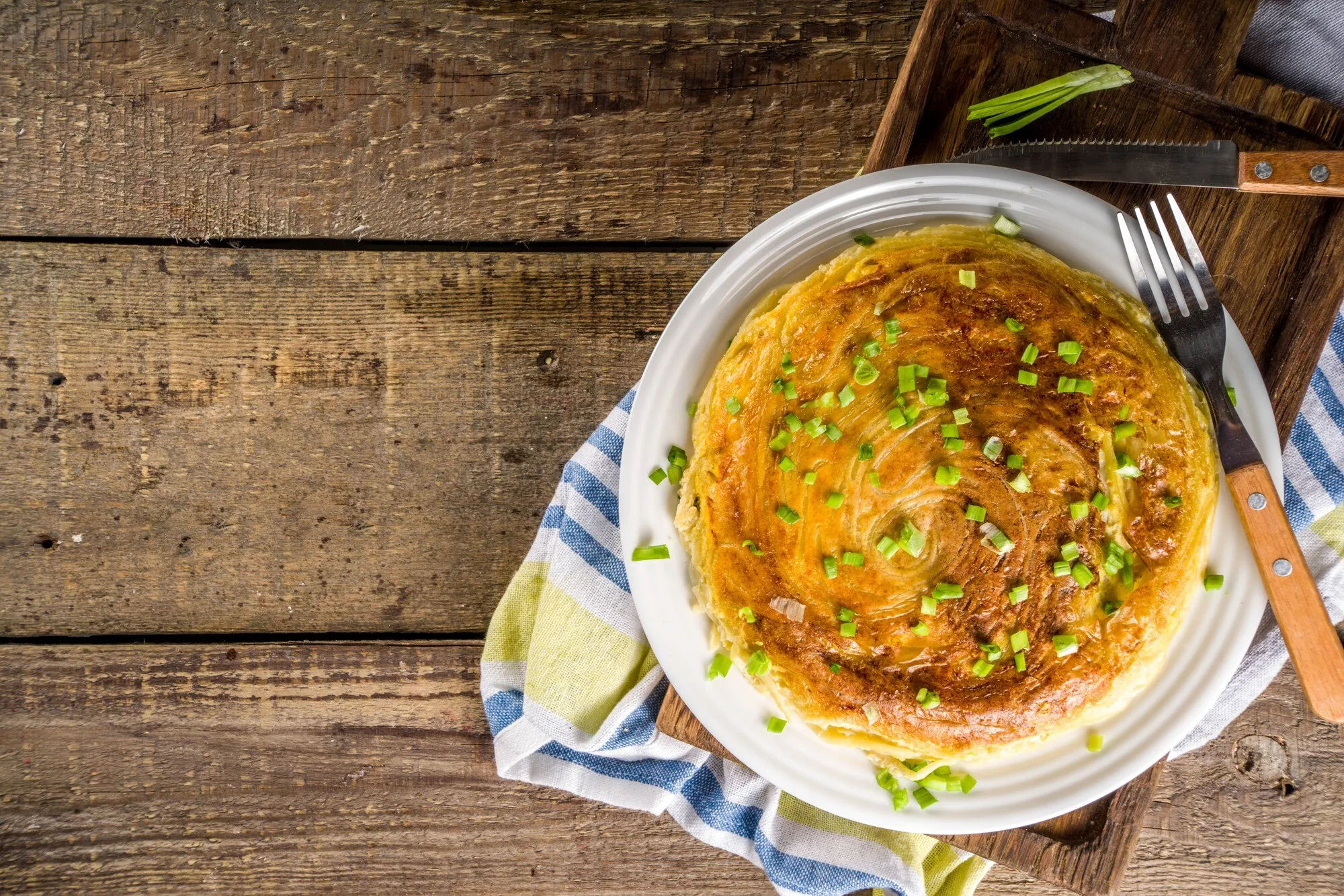
Beat four to six eggs with salt, pepper and grated cheese. Stir in about two cups of cooked pasta, plus spinach, peppers, peas or ham if you have them. Cook in an oiled ovenproof skillet over medium heat until the edges set, then finish under the broiler or in a 375°F (190°C) oven until the center is firm. Spaghetti makes a sliceable, almost cake-like frittata; short shapes give a looser texture. It is good warm or cold and travels well in a lunch box.
2. Crispy pan-fried pasta
This is the simplest way to rescue pasta in tomato or meat sauce. Heat a wide nonstick or cast-iron pan with a little oil, add the pasta in an even layer and leave it alone for several minutes until the bottom turns brown and crisp. Flip in sections, crisp the other side, and finish with grated cheese and black pepper. Italians call this pasta ripassata in padella, and many people prefer it to the original dinner.
3. Quick leftover pasta bake
Mix leftover pasta with extra sauce, because pasta absorbs liquid in the oven and dries out without it. Add vegetables, cooked sausage, beans or tuna, transfer to a shallow dish and top with mozzarella, breadcrumbs or a thin layer of white sauce. Bake at 375°F (190°C) until bubbling and hot in the center, usually 20–25 minutes. A shallow dish heats more evenly than a deep one.
4. Spaghetti fritters or pasta nests
Chop cooked spaghetti or noodles roughly and mix with one egg per two cups, grated cheese, herbs and enough flour or breadcrumbs to hold a test patty. Pan-fry spoonfuls until golden on both sides and hot inside, or bake small nests in a greased muffin tin. Serve with a yogurt dip, salsa or a green salad. Kids often accept vegetables more easily when they are hidden in these.
5. Pasta soup in 15 minutes
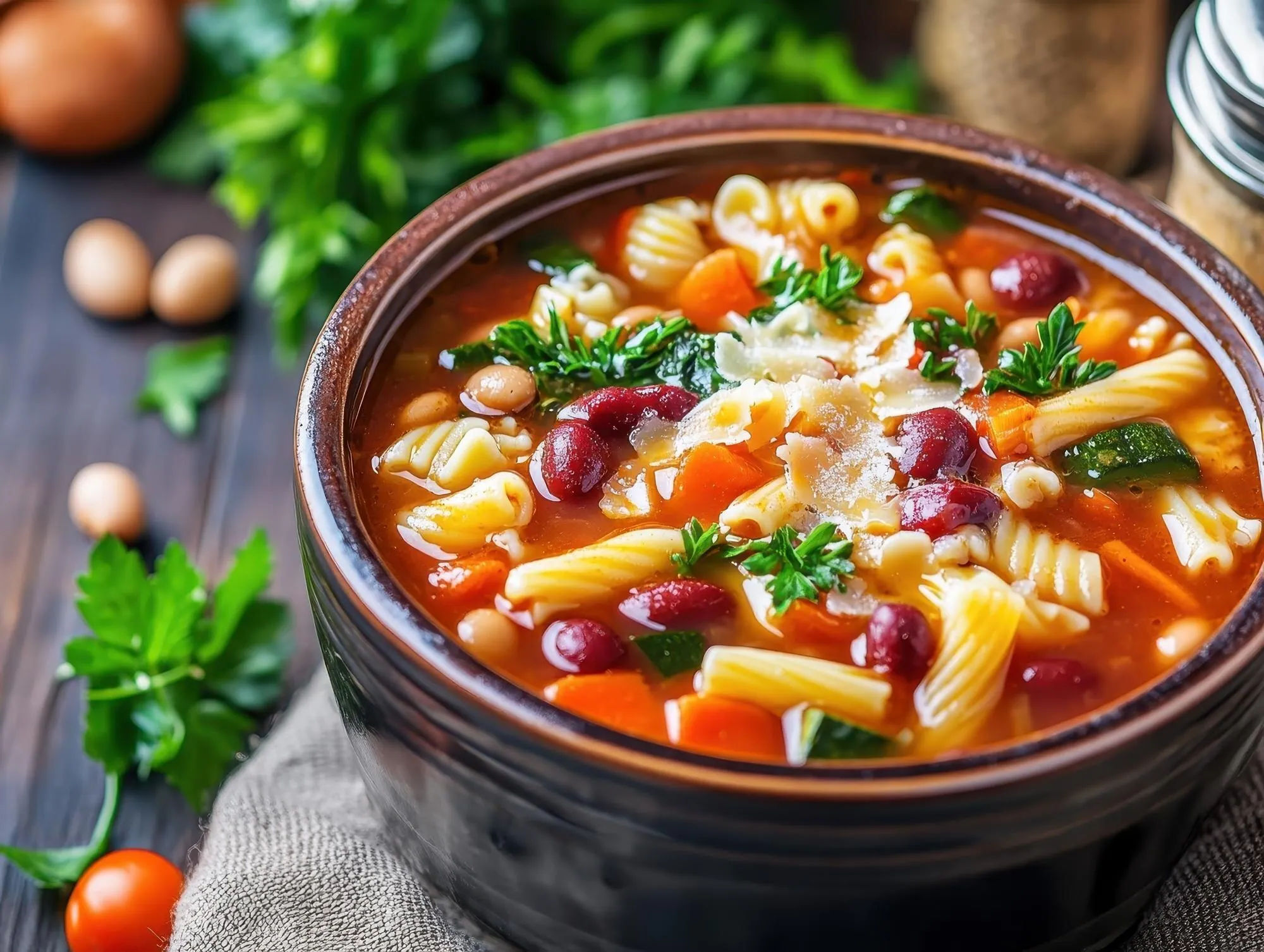
Simmer onion, carrot and garlic in broth, add canned tomatoes and beans, then stir in short cooked pasta only for the last two or three minutes so it does not turn mushy. Finish with greens, herbs and a spoon of pesto or grated cheese. This is a good destination for small amounts of several different shapes. Taste before salting, as broth and sauced pasta are often salty already.
6. Cold pasta salad
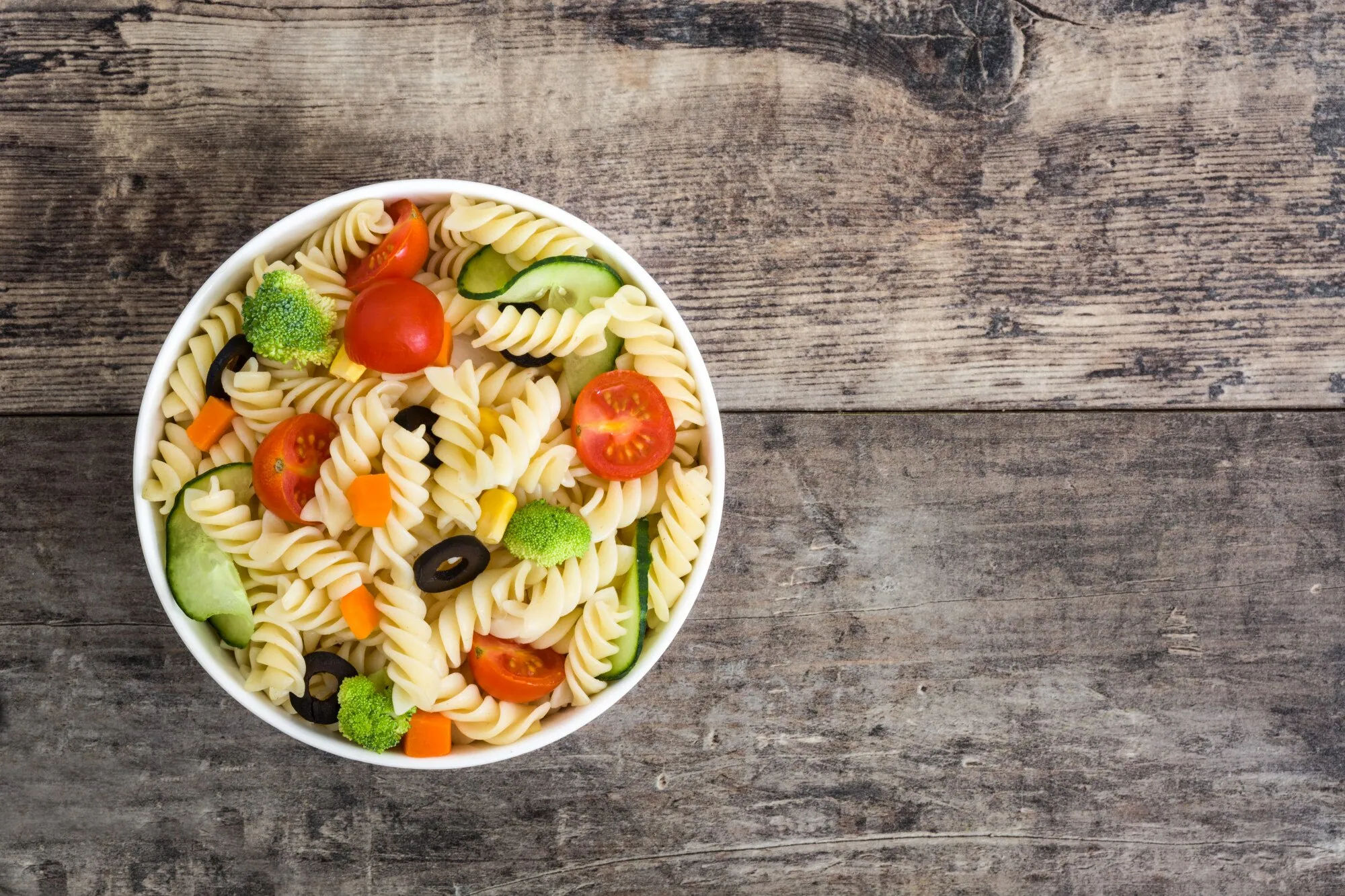
Plain short pasta such as fusilli, penne or farfalle makes a fast salad. Loosen it, then add crunchy vegetables, olives, beans, cheese cubes or tuna and dress it generously with oil and vinegar or lemon, since cold starch mutes seasoning. Keep it refrigerated and remember that new ingredients do not reset the pasta's original storage time.
7. Garlic noodle stir-fry
Plain spaghetti or linguine works like noodles in a hot pan. Stir-fry garlic, scallions and quick vegetables such as cabbage, peppers or broccoli, add the pasta, and toss with soy sauce, a little sugar and sesame oil or chili crisp. Add a fried egg, tofu or leftover chicken for protein. Keep the pan hot and the sauce light so the pasta fries rather than steams.
8. Pasta and eggs for breakfast
Warm buttered or oiled pasta in a skillet until slightly crisp, push it aside, scramble two eggs in the space, then fold everything together with cheese and herbs. It takes five minutes and uses even a single small portion. Plain or lightly sauced pasta works best; heavy meat sauce is better saved for a bake.
9. Stuffed peppers or zucchini with pasta
Chop sauced or plain short pasta into small pieces, mix with cooked vegetables, a little ricotta or grated cheese and herbs, and pack it into halved peppers or hollowed zucchini. Bake until the vegetables are tender and the filling is hot throughout. Small shapes such as orzo or ditalini are easiest to fill.
10. Air fryer pasta chips
Toss well-drained plain short pasta with a little oil, grated parmesan and garlic powder or paprika. Air fry in a single layer at about 400°F (200°C), shaking often, until crunchy, usually 8–12 minutes depending on the model. Serve with marinara or a yogurt dip. This only works with plain pasta; sauced pasta will burn before it crisps.
How to reheat leftover pasta without drying it out
Reheating pasta well is mostly about adding back a little moisture and heating evenly.
Pasta with sauce on the stove: add a spoon or two of water or sauce, cover and warm over medium-low heat, stirring until steaming throughout.
In the microwave: spread the pasta in a shallow dish, sprinkle with water, cover loosely and heat in short bursts, stirring between them so there are no cold spots.
Plain pasta: dip it in boiling water for 30–60 seconds, drain and sauce it straight away.
Creamy pasta: heat gently with a splash of milk; high heat makes cream sauces split.
In the oven: cover with foil and bake with a little extra sauce, which suits large portions and bakes.
Reheat only the amount you will eat. Repeated warming and cooling makes the texture worse and adds food-safety risk.
A practical two-day example
Say Sunday dinner leaves about four cups of penne in tomato sauce and a cup of plain spaghetti that never got sauced. After dinner, split the penne into two shallow containers, put the spaghetti in a third, and label all three with the date.
On Monday, turn half the penne into crispy pan-fried pasta with a green salad. On Tuesday, mix the plain spaghetti with eggs, spinach and cheese for a frittata that also covers Wednesday's lunch. If the second container of penne will not be used by Wednesday, freeze it on Monday rather than waiting.
Three meals now share one cooking session, but each tastes different, and every decision happens while the pasta's history is still clear.
How Dishday can keep the second meal on the plan
Dishday cannot tell you whether pasta was cooled in time, but it can stop the container from being forgotten. Save one or two of the ideas above, put the follow-up meal on the next suitable day, and add only the missing eggs, vegetables or cheese to your shopping list.
Use the Dishday meal planner to schedule leftovers while they are still fresh and connect the meal to the grocery-list feature. For other leftovers, see leftover chicken recipes, recipes for leftover rice and how to use leftovers before they go bad.
Limits and checks that matter
Each ingredient keeps its own clock. Fresh pasta does not make old chicken or seafood safer, and new vegetables do not extend the life of pasta that is already at the end of its window. If one component is uncertain, leave it out.
Check allergens in sauces, cheese, pesto and breadcrumbs, and use gluten-free pasta separately if anyone needs it, preventing cross-contact in shared pans. For young children, pregnant people, older adults or anyone with a weakened immune system, follow local public-health advice and be stricter with leftovers.
Match the recipe to the texture: very soft, overcooked pasta suits soup, bakes or fritters better than salad or chips.
Frequently asked questions
How long does cooked pasta last in the fridge?
USDA's general guidance for cooked leftovers is three to four days in a refrigerator at 40°F (4°C) or below, provided the pasta was refrigerated within two hours of cooking. Pasta mixed with meat, seafood or cream sauce should follow the same limit or a stricter one.
Can you eat leftover pasta cold?
Yes, if it was cooled promptly and kept refrigerated within the safe window. Cold pasta salads are a normal example. Keep it cold until serving, and discard it if you are unsure how long it sat at room temperature.
How do you keep leftover pasta from sticking together?
Toss plain pasta with a teaspoon of oil before refrigerating it in a shallow container. If it is already clumped, rinse it quickly under cold water or dip it in boiling water for a few seconds and separate the strands with a fork.
Can you freeze cooked pasta?
Yes. Freeze it slightly undercooked if possible, in flat portions with or without sauce, and label the date. Thaw in the refrigerator or add it frozen to sauce or soup and heat until steaming. Very soft pasta may turn mushy after freezing.
What can I make with leftover spaghetti?
Leftover spaghetti is ideal for a frittata, crispy pan-fried spaghetti, garlic noodle stir-fry, spaghetti fritters or baked pasta nests. Long strands hold together well when bound with eggs or cheese.
Pick one second meal today, label the container and freeze anything you will not reach in time. To keep that meal and its shopping list in one place, download Dishday on the App Store.
