
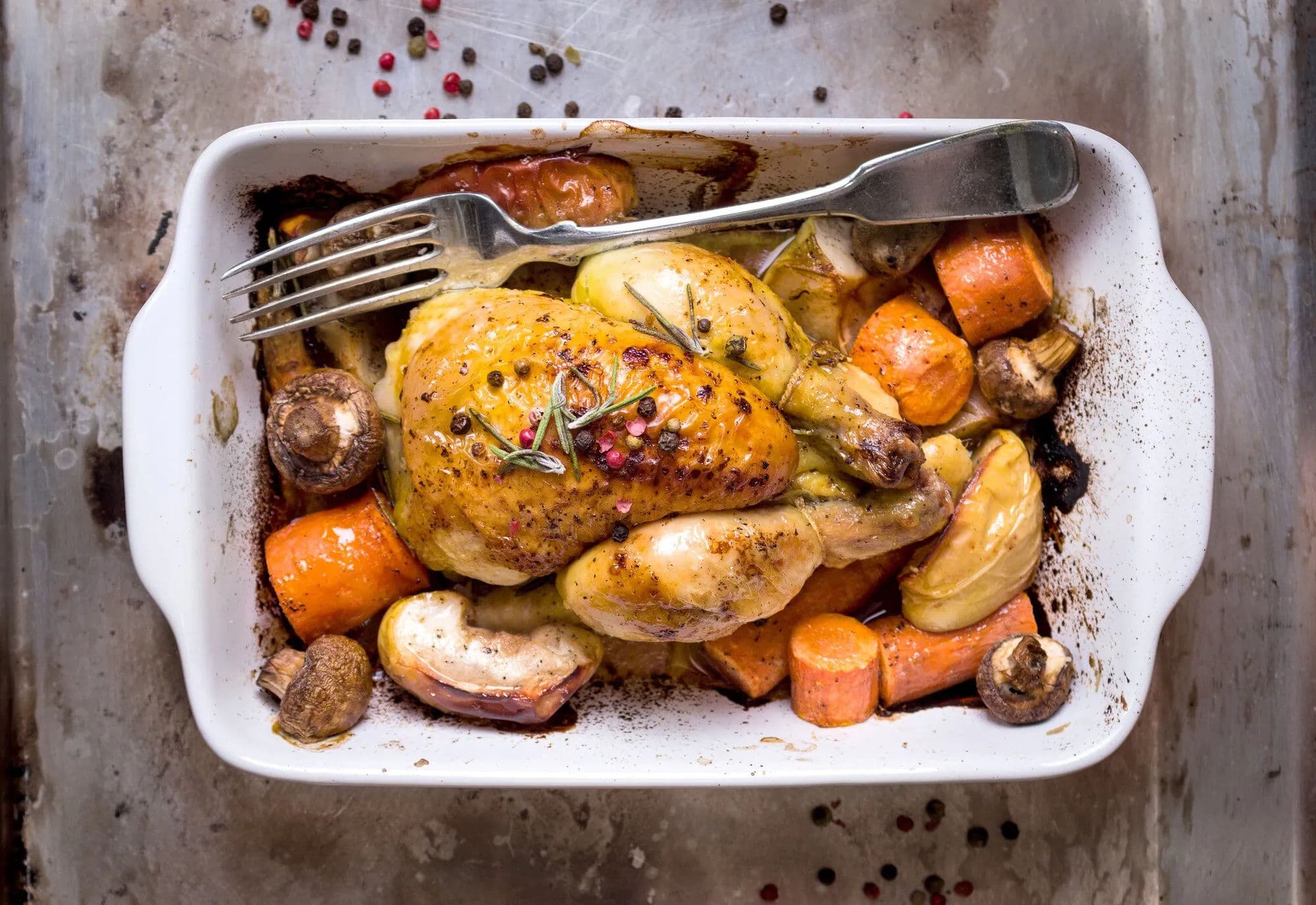
The easiest way to turn leftover chicken into dinner is to stop treating it as the same meal. Shred or dice the cooked meat, choose a new texture, add moisture, and build around a different flavor. Dry breast meat works best in soup, curry, pasta sauce or a creamy filling. Juicier thigh meat can go into tacos, fried rice, grain bowls or a crisp skillet.
You do not need a precise recipe for every portion. Use roughly one part cooked chicken, one part starch or another filling base, one or two parts vegetables, and enough sauce or broth to bring everything together. The ten formulas below work with roast chicken, grilled chicken or plain cooked chicken, as long as it has been handled safely.
Start by checking whether the chicken is still safe
Do not rescue chicken that may be unsafe. The USDA guidance for leftovers says to refrigerate perishable food within two hours, or within one hour when the temperature is above 90°F (32°C). Refrigerated cooked chicken should generally be used within three to four days when kept at 40°F (4°C) or below.
Discard the chicken if you do not know how long it sat out, if the refrigerator was too warm, or if it may have contacted raw meat juices. Smell and appearance cannot prove that food is safe. A fresh smell is not permission to ignore time and temperature.
If you will not use safely chilled chicken in time, freeze it in a shallow, labeled portion. A flat bag or small container thaws faster than one large block. Record the cooking date and the amount so you know whether it is enough for tacos, soup or a full family dinner.
When reheating leftovers, USDA advises heating them thoroughly to 165°F (74°C). Add already-cooked chicken near the end of a recipe when possible. This brings it up to temperature without simmering it so long that it becomes stringy.
Choose the next meal by texture, not by the original seasoning
Taste a small cold piece before choosing a direction. If the chicken is dry, use a wet method: soup, curry, tomato sauce, enchilada filling or a creamy pasta bake. If it is juicy but soft, shred it for wraps, salad or a grain bowl. If it is firm enough to dice, give it new edges in a hot skillet.
Strong original seasoning does not automatically limit you. Lemon-and-herb chicken can move into a Mediterranean bowl or soup. Barbecue chicken fits a baked potato or quesadilla. Plain roast chicken can take almost any sauce. The difficult case is heavily sweetened or smoky chicken; pair it with a compatible direction instead of trying to hide the flavor.
Before cooking, collect three supporting parts:
A carrier: tortillas, rice, pasta, bread, potatoes, noodles or sturdy greens.
Moisture: broth, salsa, tomato sauce, yogurt sauce, coconut milk, gravy or vinaigrette.
Contrast: fresh herbs, pickles, cabbage, toasted crumbs, seeds, citrus or crisp vegetables.
This small formula is more reliable than adding chicken to a random recipe and hoping it stays tender.
10 leftover chicken recipes worth repeating
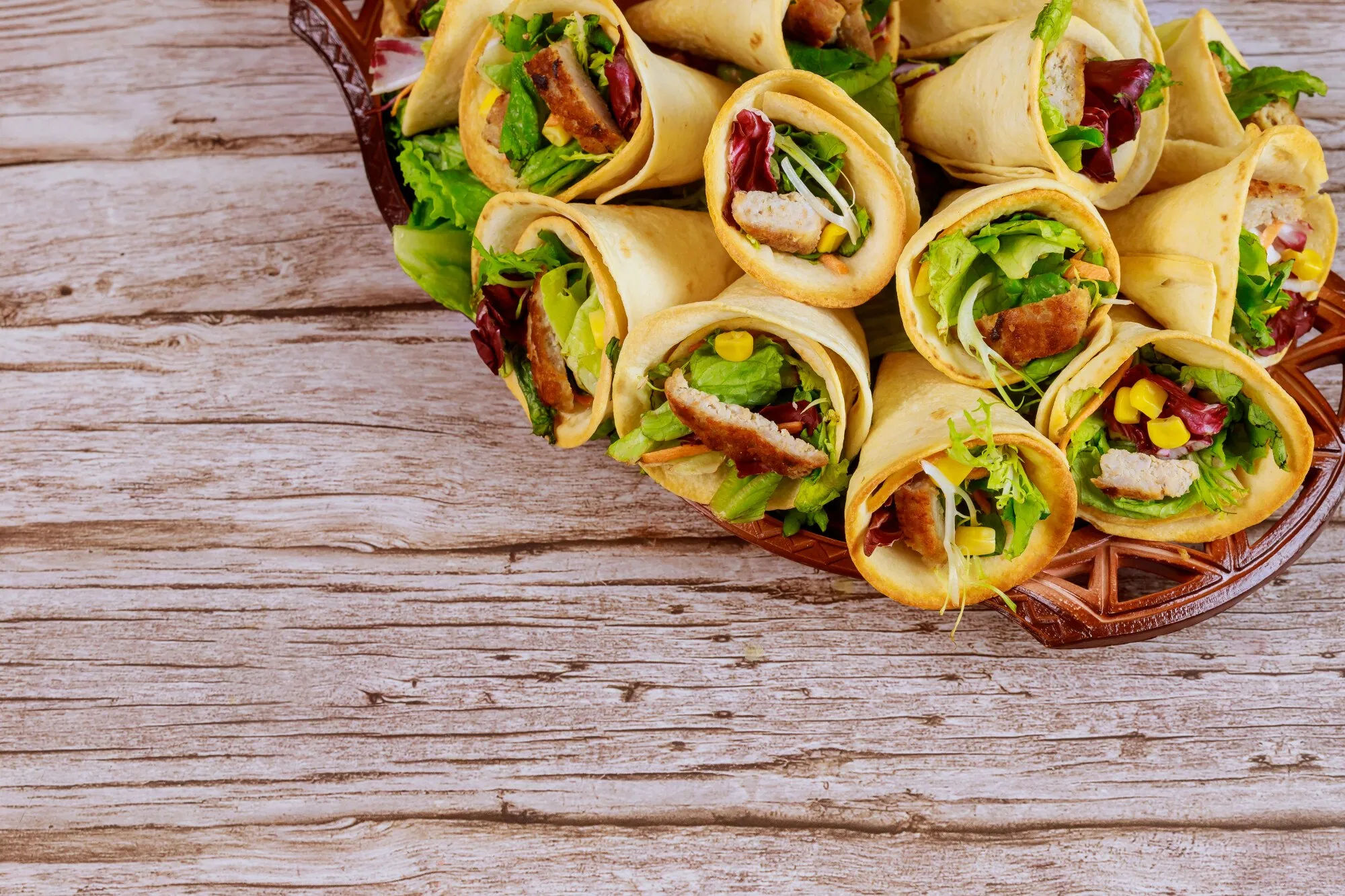
1. Chicken tacos or flexible wraps
Warm the shredded chicken with a spoonful of salsa, broth or water and spices that suit the original seasoning. Fill tortillas, flatbread or lettuce cups, then add cabbage, onion, herbs, yogurt, avocado or pickles. This is the fastest option when you have only one or two portions. For a less messy lunch, keep the filling and wrap separate until eating.
2. Chicken fried rice with vegetables
Use cold cooked rice only if it was also cooled and stored safely. Cook onion and any firm vegetables first, add rice and seasoning, then fold in diced chicken near the end. Peas, carrots, cabbage and frozen mixed vegetables all work. No rice? Use cooked barley, quinoa or small pasta and treat the dish as a hot skillet rather than traditional fried rice.
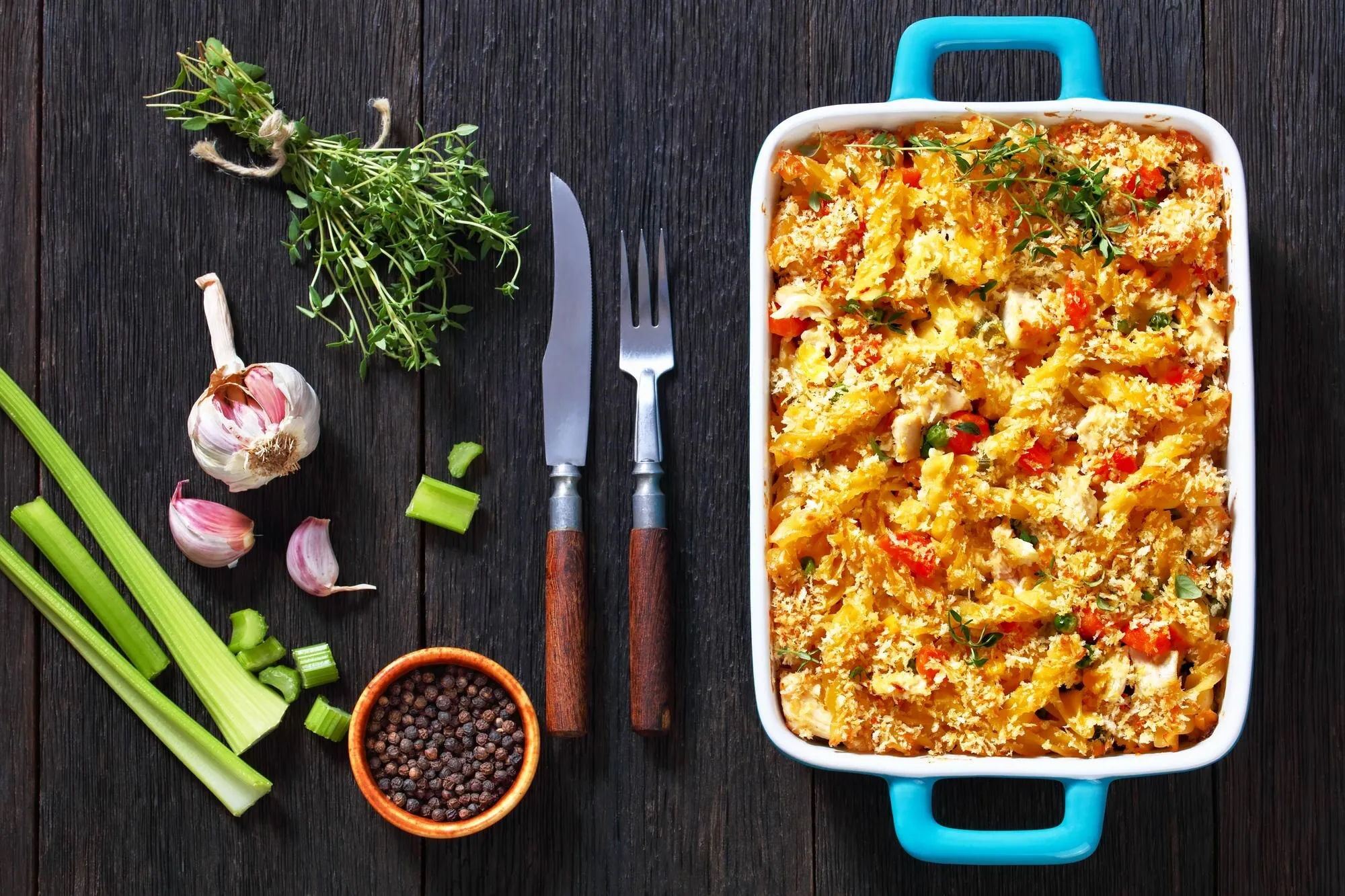
3. Saucy chicken pasta or pasta bake
Combine pasta with tomato sauce, a light cream sauce or pesto loosened with pasta water. Add vegetables, then stir in the chicken just before serving. For a bake, keep the sauce slightly looser than usual because the oven will absorb moisture. Top with cheese, breadcrumbs or crushed crackers, and bake only until hot and browned.
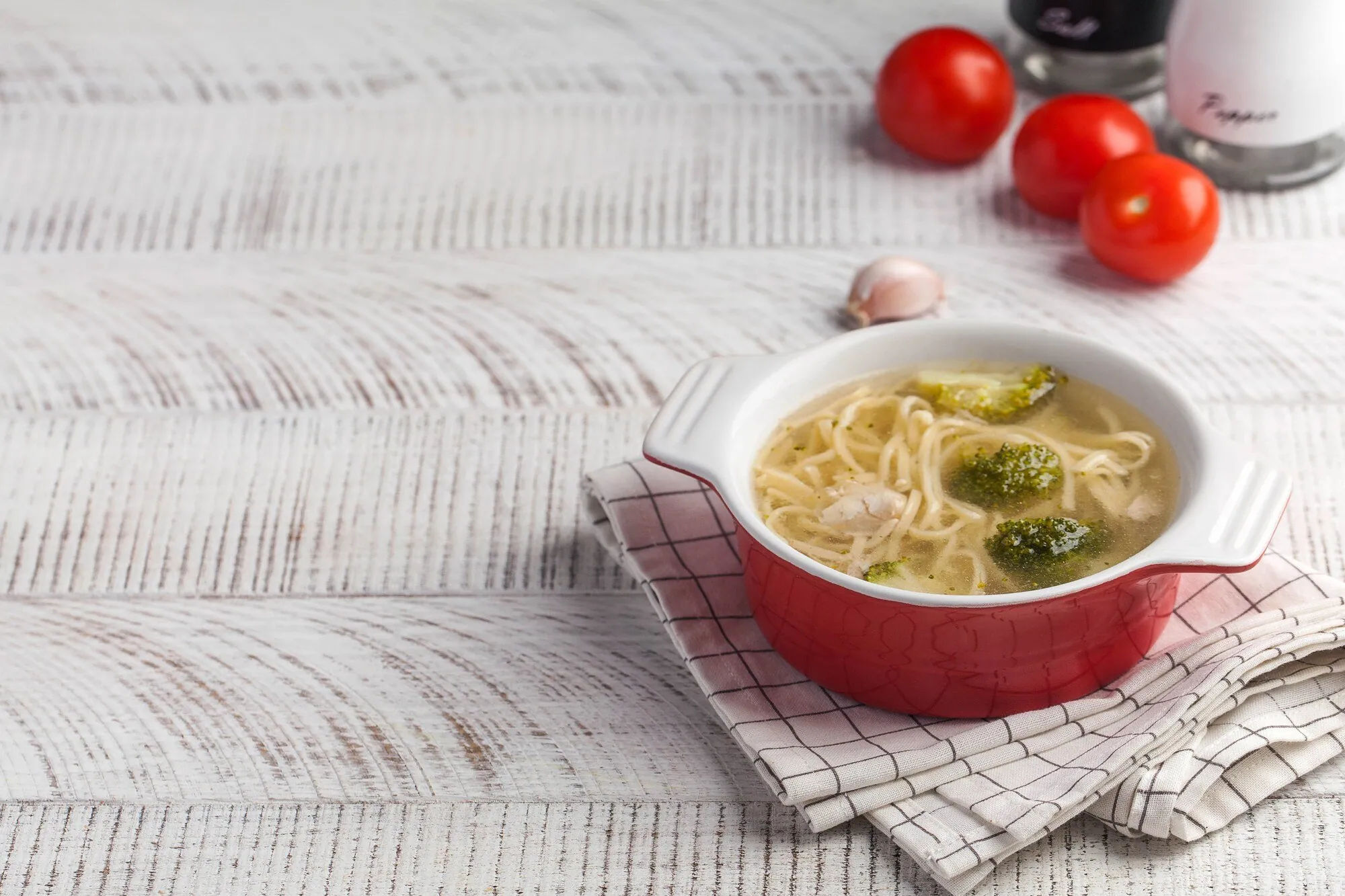
4. Chicken noodle or vegetable soup
Start with broth, onion and firm vegetables. Add noodles, rice or beans according to their cooking time. Stir in shredded chicken during the final minutes so it heats without overcooking. Lemon, dill, parsley, ginger, chili or miso can completely change the direction. If the original chicken is salty, wait until the end before adding more salt.
5. Quick chicken curry
Cook onion with curry powder or a spice paste, add tomatoes, coconut milk or a simple yogurt-based sauce, and simmer the vegetables until tender. Add the chicken last. Chickpeas, spinach, peas, cauliflower and leftover roasted vegetables can stretch a small amount of meat. Serve with rice, flatbread or potatoes; the sauce is what makes dry chicken feel deliberate again.
6. Quesadillas or toasted sandwiches
Chop the chicken small so the filling stays in place. Combine it with cheese or another binder, a thin layer of sauce and one restrained vegetable. Toast until the outside is crisp and the center is thoroughly hot. Avoid too much wet filling. Serve salsa, slaw or dressed greens on the side rather than trapping all the moisture inside the bread.
7. Grain bowl with a sharp dressing
Build a bowl from a grain, two vegetables, chicken and a dressing with enough acid. Try rice, cucumber, carrots and sesame dressing; couscous, tomato, herbs and lemon; or barley, roasted vegetables and mustard vinaigrette. A bowl is useful when everyone wants different toppings. Keep the chicken cold only if it was safely cooked, cooled and stored.
8. Pot pie, cobbler or biscuit-topped bake
Make a thick filling with onion, vegetables, broth and a little milk or another creamy element. Fold in the chicken, transfer to a baking dish and cover with pastry, biscuits or a simple savory batter. This format is forgiving with mixed vegetables and small portions. Cool extra servings promptly rather than leaving the deep dish on the counter for hours.
9. Chicken salad with crunch
Mix chopped chicken with yogurt, mayonnaise, mashed avocado or an oil-and-lemon dressing. Add celery, apple, cucumber, grapes, herbs, nuts or seeds according to taste and allergy needs. Serve in a sandwich, lettuce cup or bowl. Keep it cold and make only what you can store safely; adding dressing does not reset the chicken's storage clock.
10. Stuffed potatoes or sweet potatoes
Split hot baked potatoes and fill them with warmed chicken plus beans, corn, broccoli, spinach or leftover vegetables. Add salsa, yogurt sauce, gravy or a little cheese so the filling is moist. This is a useful end-of-week formula because one small chicken portion can become several generous servings when combined with potatoes and vegetables.
Build one dinner from what you already have
Instead of shopping for a recipe, choose one item from each line.
Count the chicken: less than one cup suits soup, fried rice, quesadillas or stuffed potatoes; two or more cups can anchor pasta, curry or a bake.
Choose the urgent vegetable: use greens in curry or soup, crisp vegetables in wraps or bowls, and soft roasted vegetables in a sauce or filling.
Choose the carrier you own: rice, noodles, pasta, bread, tortillas, potatoes or beans.
Choose one flavor bridge: salsa, broth and herbs, tomato and garlic, curry and coconut, mustard and lemon, or gravy and thyme.
Limit yourself to one main direction. Soy sauce, curry paste, pesto and barbecue sauce rarely improve one another in the same pan. Taste the original chicken first, then choose the bridge that works with it.
A practical two-night example
Suppose Monday's roast leaves about three cups of chicken, some carrots and half a bunch of herbs. Once dinner ends, cool and refrigerate the extra chicken promptly in two shallow containers rather than repeatedly opening one large container.
On Tuesday, use one container for wraps: warm the chicken with a little broth and seasoning, add shredded carrots, herbs and a quick yogurt sauce. On Wednesday, build soup with onion, the remaining carrots, broth and noodles, then add the second chicken portion near the end.
The two meals share ingredients but do not taste like reheated roast dinner. More importantly, the plan is decided while the leftovers are visible. If Wednesday changes, freeze the second portion while it is still within its safe storage window.
How Dishday can keep the second meal visible
Dishday is most useful here as a reminder and planning layer, not as a substitute for food-safety judgment. Save the roast and the chosen second-meal formula, place the follow-up dinner on the next available day, and add only the missing ingredients to the grocery list.
You can build the week in the Dishday meal planner, connect planned meals to the grocery-list feature, and keep useful ideas beside the recipes you already saved. For a broader system, read how to use leftovers before they go bad and how to organize the fridge to reduce food waste.
The app cannot tell whether mishandled chicken is safe. You still need to know when it was cooked, how quickly it was chilled and whether the refrigerator stayed cold.
Limits and checks that matter
Do not reuse sauce or marinade that contacted raw chicken unless it has been handled and cooked according to a verified safe method. Keep raw ingredients and cooked leftovers separate. Check labels when cooking for allergies, and do not assume a sauce, broth or spice blend is free from a specific allergen.
Treat every leftover ingredient on its own timeline. Safely stored chicken does not make rice safe if the rice sat out too long. Fresh sauce does not extend the age of old chicken. Reheating can kill many bacteria, but it does not repair every kind of mishandling.
Finally, adjust portions rather than forcing the chicken into a large recipe. A half cup can flavor soup or stuffed potatoes. It does not need to impersonate four full servings of chicken curry.
Frequently asked questions
How long is leftover cooked chicken good in the fridge?
USDA guidance generally recommends using cooked chicken within three to four days when refrigerated at 40°F (4°C) or below. That assumes it was cooked and chilled safely. If you do not know how long it sat out or whether it stayed cold, discard it rather than relying on smell.
Can I eat leftover chicken cold?
Properly cooked, promptly chilled and safely stored chicken can be used cold within its safe storage window. It works in salads, wraps and grain bowls. Keep it cold until eating, and avoid cross-contamination from utensils, cutting boards or raw ingredients.
How do I reheat chicken without drying it out?
Cut it into smaller pieces, add a little broth, sauce or water, cover when appropriate and heat only as long as needed. In soups, curries and pasta sauces, add the cooked chicken near the end. USDA advises reheating leftovers thoroughly to 165°F (74°C).
Can I freeze leftover chicken?
Yes, if the chicken was handled safely and is frozen while still within its safe refrigerated window. Portion it, remove excess air, label it with the date and amount, and thaw it safely. Freezing pauses bacterial growth but does not make previously unsafe food safe.
What is the easiest recipe for a small amount of leftover chicken?
Use it in soup, quesadillas, fried rice, stuffed potatoes or wraps. These formats combine a small amount of chicken with vegetables and a filling base, so half a cup can still contribute flavor and texture without pretending to be the whole meal.
Choose one formula for the next two days, label the chicken now, and add the missing ingredients to your plan. If you want the plan and shopping list together, download Dishday on the App Store.