
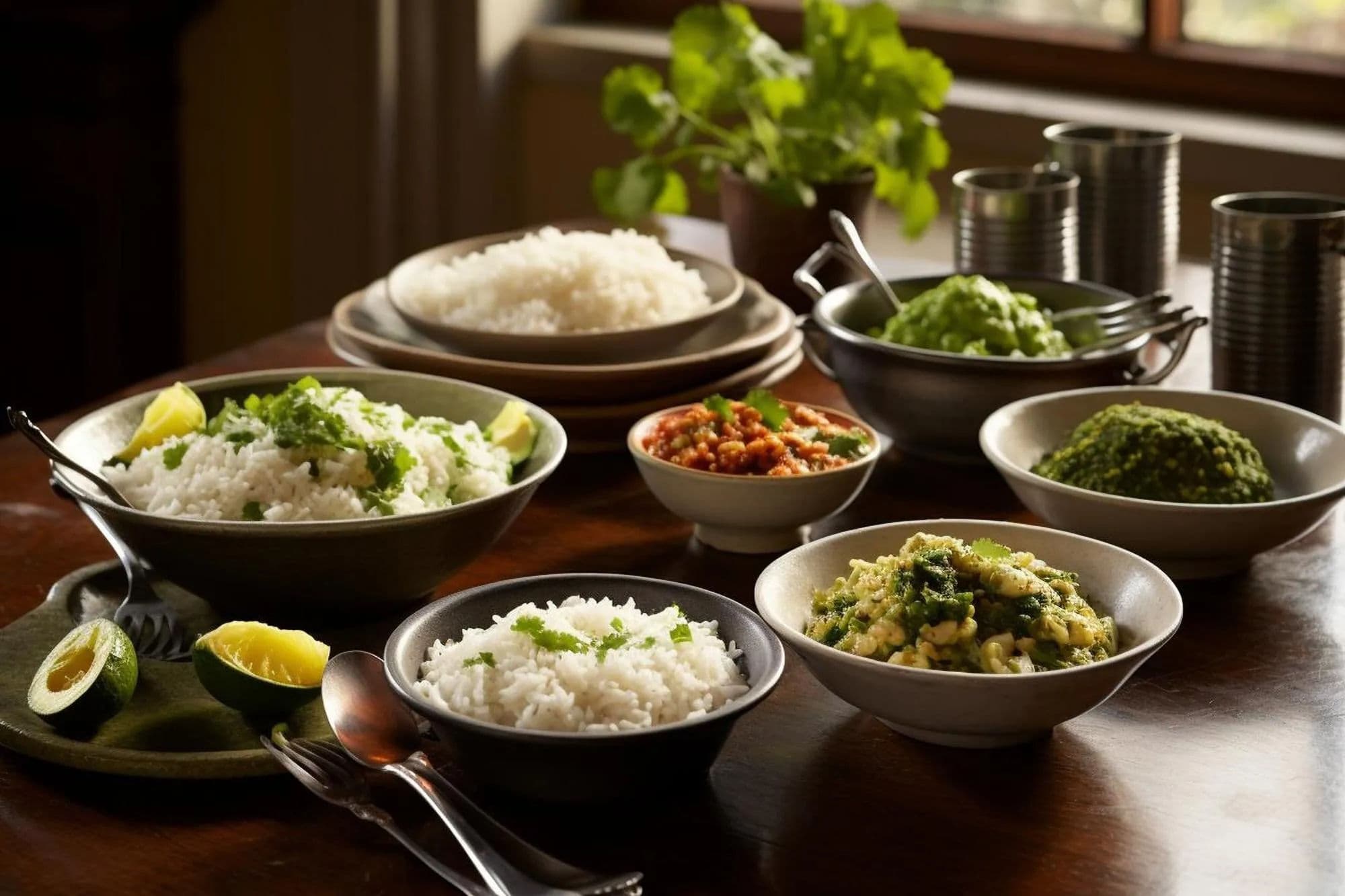
The best recipes for leftover rice change its texture and role. Separate cold grains for fried rice, soften compact rice in soup, bind it into crisp patties, or use it as a filling for vegetables and burritos. Add one strong flavor direction, vegetables, and a protein if you want one. The result feels like a new meal rather than yesterday’s side dish.
You do not need an exact recipe for every container. Start with about two cups each of cooked rice and vegetables, add a protein if wanted, and use enough sauce or broth to carry the flavor. Food safety comes first: rice left warm for too long should be discarded, not transformed.
Check whether the leftover rice is safe first
Cooked rice needs prompt cooling. The USDA guidance for leftovers says to refrigerate perishable food within two hours, or within one hour when the temperature is above 90°F (32°C). Divide a large batch into shallow containers instead of leaving it in a deep pot to cool slowly. Keep the refrigerator at 40°F (4°C) or below.
Rice deserves particular care because spores of *Bacillus cereus* can survive cooking. If cooked rice remains at room temperature, bacteria can grow and produce toxins; reheating is not a reliable way to repair that mistake. The UK Food Standards Agency gives an especially conservative rice-specific rule: cool rice quickly, ideally within one hour, refrigerate it for no more than one day before reheating, reheat it only once, and make sure it is steaming hot throughout. Local official guidance may differ, so follow the stricter relevant rule when serving vulnerable people.
Discard rice if you do not know how long it sat out, the refrigerator was too warm, or the container has been repeatedly warmed and cooled. Smell, taste and appearance cannot prove it is safe. When reheating leftovers, USDA advises reaching 165°F (74°C), while the FSA describes rice as needing to be steaming hot throughout.
If you have more safely chilled rice than you can use soon, freeze it promptly in flat, labeled meal-size portions. Thaw in the refrigerator or reheat safely from frozen, breaking up cold spots and checking more than one place after microwaving.
Choose a transformation by texture
Cold long-grain rice with separate, slightly dry grains is ideal for a hot skillet, crisp-bottom bowl or salad. Short-grain rice is stickier and easier to shape into patties, croquettes or baked squares. Soft rice can thicken soup, congee or a creamy pudding. Very dry rice needs steam, broth or sauce; wet rice needs a wide pan or a binder rather than more liquid.
Before cooking, choose one item from each group:
Flavor base: onion and garlic; ginger and scallion; tomato and paprika; curry spices; lemon and herbs.
Bulk and color: peas, carrots, cabbage, spinach, mushrooms, peppers, corn, roasted vegetables or beans.
Protein, if useful: eggs, tofu, chickpeas, lentils, shredded chicken, ground meat or cheese.
Finish: citrus, herbs, pickles, toasted seeds, chili oil, yogurt sauce or crisp breadcrumbs.
Do not crowd every direction into one pan. Curry paste, tomato sauce, soy sauce and pesto are each useful, but not necessarily together. Taste any seasoning already in the rice, then choose one coherent route.
10 recipes for leftover rice worth repeating
1. Vegetable fried rice
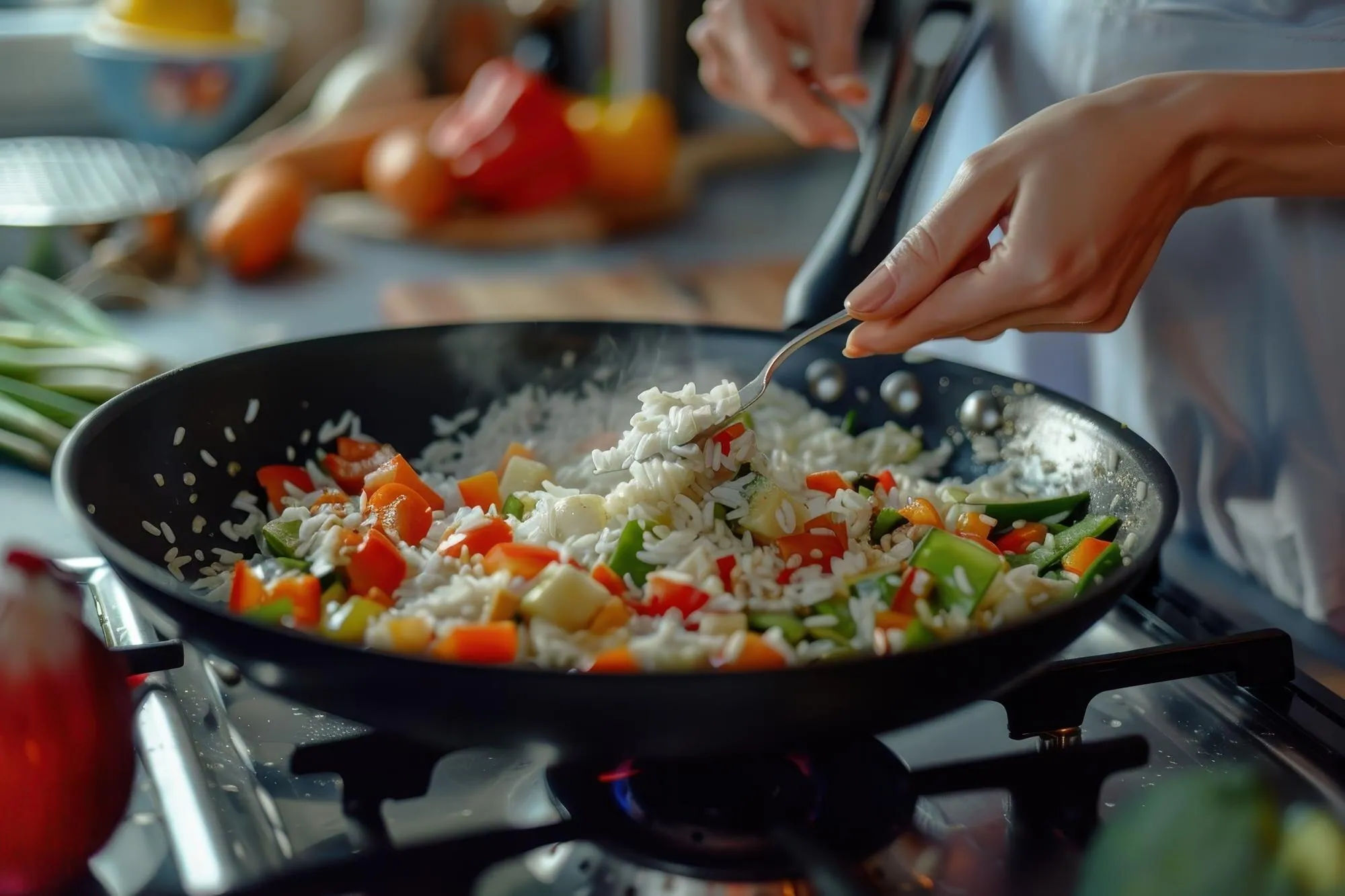
Heat a wide pan before adding oil, then cook firm vegetables first. Push them aside, scramble an egg if using, and add cold rice in a loose layer. Break up clumps, season, and leave the rice untouched briefly so some grains toast. Add delicate greens and cooked protein near the end. Soy sauce plus sesame oil is one direction; curry powder plus peas is another. Use less sauce than you think, because wet rice steams instead of frying.
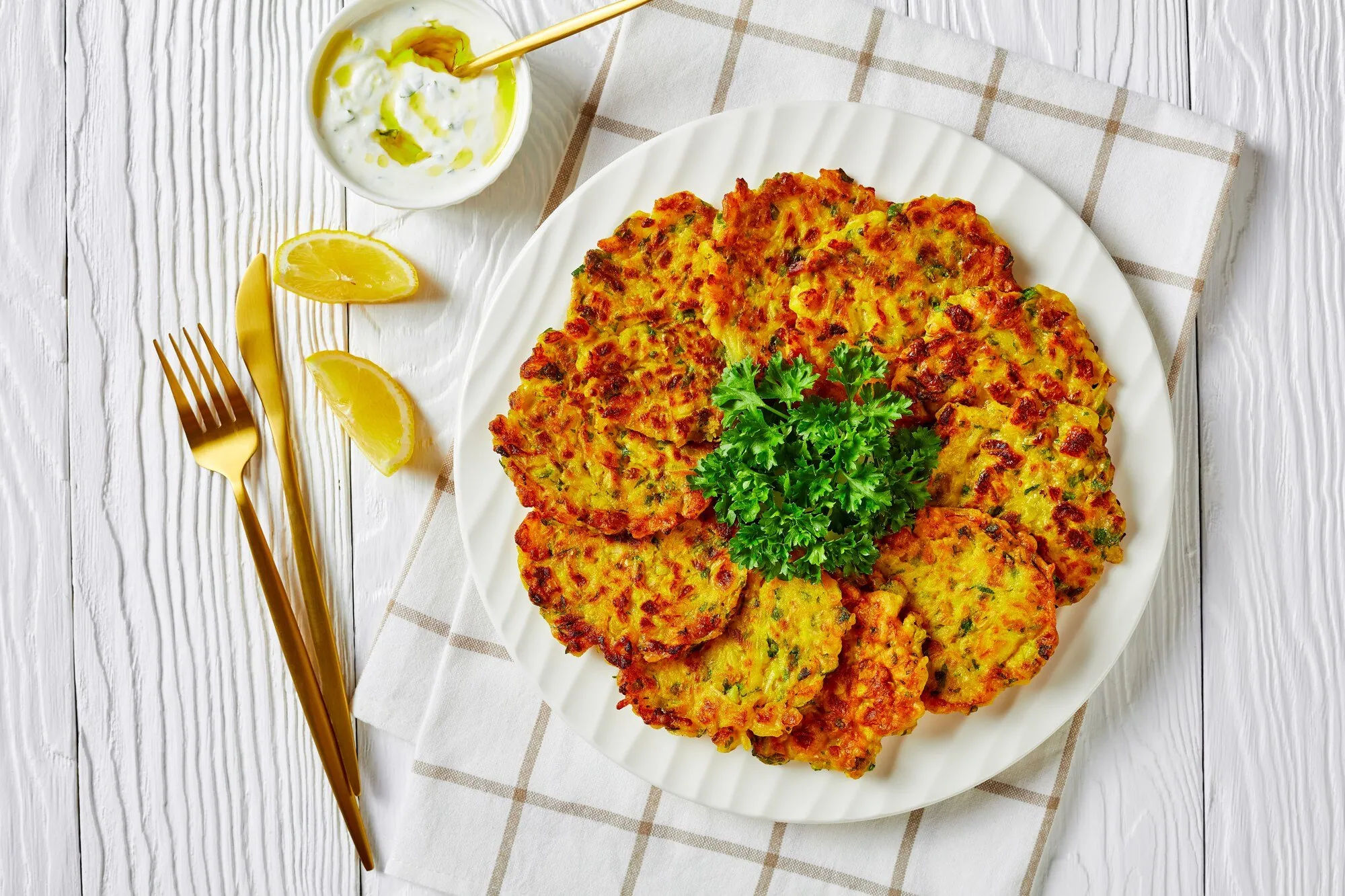
2. Crisp rice and herb fritters
Mix two cups of rice with one egg, chopped herbs, grated cheese or another binder, and enough breadcrumbs or flour to hold a test patty. Add grated zucchini only after squeezing out its water. Pan-fry small, flat portions until the center is hot and both sides are crisp. Serve with yogurt sauce, salsa or a sharp salad. For an egg-free version, use mashed beans or a thick chickpea-flour batter and test one fritter before shaping the rest.
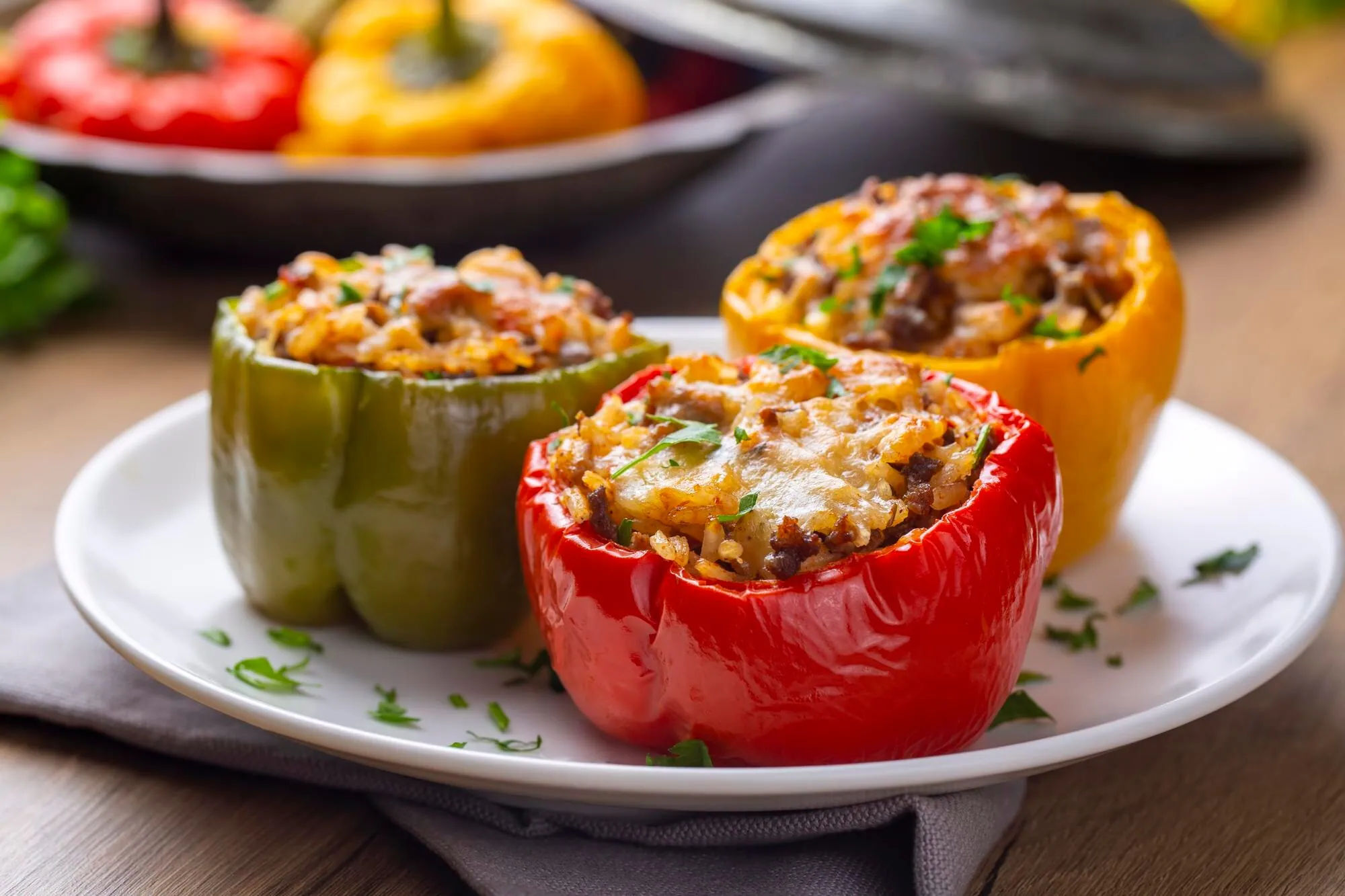
3. Stuffed peppers, tomatoes or zucchini
Combine rice with cooked vegetables, beans, lentils or browned meat, then add tomato sauce, herbs and a little cheese if wanted. Pack the mixture into hollowed vegetables and bake until the shell is tender and the filling is thoroughly hot. Choose broad peppers for easy filling, or use zucchini boats when you have less rice. Keep the mixture moist but not soupy so it stays inside the vegetables.
4. Crispy rice bowl with a fresh topping
Press rice into an oiled skillet and let the underside turn golden before disturbing it. Divide the crisp rice among bowls and add something fresh: cucumber, cabbage, herbs, radish, avocado or quick pickles. Finish with beans, tofu, egg, fish or leftover meat and one bright dressing. The contrast between a hot crisp base and cool toppings is what makes this feel different from plain reheated rice.
5. Tomato rice soup or quick congee
For tomato soup, soften onion and garlic, add tomatoes and broth, then simmer rice until it loosens and thickens the liquid. For a congee-like bowl, use more water or broth and cook longer until the grains become creamy; it will not have the same texture as congee begun from raw rice, but it is a practical shortcut. Add greens, mushrooms, ginger, shredded chicken or tofu. Adjust salt at the end because broth and seasoned rice may already contribute plenty.
6. Burritos, tacos or quesadilla filling
Warm rice with beans, corn, salsa and spices, then use it in a burrito or as a soft taco filling. Keep the mixture fairly dry so the tortilla does not tear. For quesadillas, use a thin layer of rice beside cheese, beans and finely chopped vegetables rather than building a thick mound. Serve wet salsa, yogurt or guacamole on the side. A small amount of rice can stretch the filling without overwhelming it.
7. Lemony rice and bean salad
Loosen cold rice with a fork and combine it with beans or lentils, crunchy vegetables and herbs. Dress generously with lemon or vinegar and oil, because cold starch mutes seasoning. This works best with separate grains; very sticky rice is better for fritters. Keep the salad cold, return it to the refrigerator promptly, and remember that adding fresh ingredients does not reset the original rice’s storage clock.
8. Rice bake with vegetables and sauce
Stir rice with a loose tomato, curry or creamy sauce, add vegetables and a protein, then transfer it to a shallow baking dish. Top with cheese, breadcrumbs or seasoned seeds and bake only until bubbling and thoroughly hot. The sauce should look slightly wetter than the desired result because rice absorbs liquid in the oven. This is a good destination for small portions of roasted vegetables that would not make a meal on their own.
9. Quick rice pudding
Simmer plain or lightly salted rice with milk or a suitable alternative, cinnamon and a modest amount of sugar until creamy. Add raisins, citrus zest or fruit if they suit the base. Strongly savory rice, especially rice cooked with garlic or stock, is not a good candidate. Reheat safely, chill any extra pudding promptly, and do not assume that sugar or milk extends how long the original rice can be kept.
10. Savory rice waffles or baked squares
Mix rice with egg, grated cheese, herbs and finely chopped vegetables. Cook small portions in a well-greased waffle iron, or press the mixture into a lined shallow pan and bake until set and browned. Cut baked rice into squares and serve with soup or salad. This method is especially useful for sticky rice and for lunch portions that need to hold together. Check the manufacturer’s instructions before putting a rice mixture in a waffle iron.
Build one dinner from the rice you have
Use this quick sequence when you want dinner without another shopping trip.
Measure the rice: under one cup is enough to thicken soup or bulk out burritos; two to three cups can anchor fried rice, a bake or fritters.
Choose the most urgent vegetable: soft roasted vegetables belong in a bake or soup; crisp vegetables work in a skillet, salad or bowl; wilted greens can go into soup or filling if they are still safe.
Choose one protein: eggs, beans, tofu, leftover meat or none. Rice plus vegetables can still be a useful side, but add a protein or another substantial component for a fuller meal.
Choose wet or crisp: broth and sauce revive dry clumps; a wide hot pan gives separate rice new edges; bind sticky rice into a shape.
Choose one flavor bridge: ginger and soy, tomato and herbs, curry and coconut, lemon and garlic, or salsa and lime.
Taste before adding salt. Seasoned rice, broth, cheese, soy sauce and preserved toppings can combine into more salt than expected.
A practical two-day example
Suppose dinner leaves three cups of plain basmati rice, half a pepper, two carrots and some cooked chickpeas. As soon as the meal ends, divide the rice into two shallow containers and refrigerate it promptly. Label both with the cooking time instead of trusting memory.
For the first follow-up meal, stir-fry one container with the pepper, one carrot, ginger and an egg. For the second, mix the remaining rice with chickpeas, grated carrot, herbs and a binder, then cook small fritters and serve them with salad. If the second meal will not happen within the safe window you follow, freeze that portion early instead of waiting until the final day.
The meals share ingredients but create different textures, and the decision is made while the rice’s history is known.
How Dishday can keep the second meal visible
Dishday can help with the planning step, but it cannot judge whether rice was cooled safely. Save one or two of the formulas above, place the follow-up meal on the next suitable day, and add only the missing vegetables, sauce or protein to the grocery list.
Use the Dishday meal planner to schedule the rice while its storage window is clear, then connect the meal to the grocery-list feature. For a wider system, read how to use leftovers before they go bad and how to organize the fridge to reduce food waste.
Keep the cooking date on the container; a reminder helps only when that information is accurate.
Limits and checks that matter
Treat each leftover ingredient on its own timeline. Safely stored rice does not make chicken safe if the chicken sat out too long, and fresh vegetables do not extend old rice. If one component is uncertain, leave it out or discard the dish.
Check allergens in sauces, broth, spice blends and substitutes, and prevent cross-contact. For vulnerable people, follow local public-health and qualified clinical advice rather than taking extra chances with leftovers.
Choose a formula that suits the rice: wet, soft rice is poor for frying, while dry long-grain rice needs too much binder for patties. A texture-aware choice works better.
Frequently asked questions
How long can cooked rice stay in the fridge?
Official advice differs by jurisdiction. USDA’s general leftover guidance uses a three-to-four-day refrigerator window, while the UK Food Standards Agency gives a stricter rice-specific limit of one day before reheating. Both assume prompt cooling and continuous refrigeration. Follow your local official guidance and use the stricter rule when uncertain.
Can I make fried rice with freshly cooked rice?
Yes, but fresh rice contains more surface moisture and can turn soft in a crowded pan. Spread it out so steam can escape, cool it safely, and fry in batches. Never leave rice at room temperature for hours just to dry it.
Can I eat leftover rice cold?
Rice can be eaten cold only if it was cooked, cooled promptly and kept refrigerated within the relevant safe window. Keep it cold until serving. If its time or temperature history is uncertain, discard it rather than relying on smell or taste.
Can I freeze cooked rice?
Yes. Freeze promptly in shallow, meal-size portions, remove excess air and label the date. Thaw in the refrigerator or reheat safely from frozen. Freezing pauses growth; it does not make rice safe if it was already mishandled.
What can I do with leftover rice besides fried rice?
Make fritters, stuffed vegetables, a crisp rice bowl, soup, burrito filling, rice salad, a vegetable bake, rice pudding or savory baked squares. Pick the method by texture and add one clear flavor direction rather than many competing sauces.
Choose one second meal now, label the rice, and freeze any portion you will not use in time. To keep the plan and shopping list together, download Dishday on the App Store.