

The easiest party menu is not a table of twenty unrelated dishes. For most casual gatherings, choose six roles: one welcome snack, one fresh platter, two filling foods, one warm item and one simple backup. Make at least half the menu ahead, limit last-minute cooking to one dish, and serve perishable food in small batches that can be refilled.
The twelve party food ideas below are flexible formulas rather than fixed recipes. Use them for a birthday, game night, backyard gathering or informal evening with friends. Adjust portions, ingredients and labels for your guest count, dietary needs, equipment and local food-safety guidance.
Plan the party format before choosing dishes
Decide whether the food is a snack or the meal
If guests are coming for two hours between meals, a few bites and a sweet finish may be enough. If the invitation covers dinner time, the food should function as a meal: include at least two substantial choices with protein, starch or both. Tell guests what to expect so nobody arrives hungry for dinner when only snacks are planned.
Map the serving constraints
Write down the guest count, arrival window, seating, refrigerator space, oven space and whether the event is indoors or outside. Standing guests need food that can be eaten with one hand or a small plate. A long open-house format needs dishes that refill well instead of one perfect platter that deteriorates after thirty minutes.
Use a six-part menu
Pick one welcome bowl, one crisp or fresh option, two filling choices, one warm dish and one backup. One item can cover two roles: meatballs are warm and filling; hummus with vegetables is fresh and substantial. Aim for contrast in color, temperature and texture rather than six versions of pastry.
12 party food ideas that are easy to adapt
1. A seasoned snack bowl
Start with popcorn, spiced chickpeas, pretzels, olives or a mixture that can wait safely for early arrivals. Put out a small portion and keep the original packages for ingredient checks. This is the backup as well as the welcome snack, so choose something affordable and easy to refill.
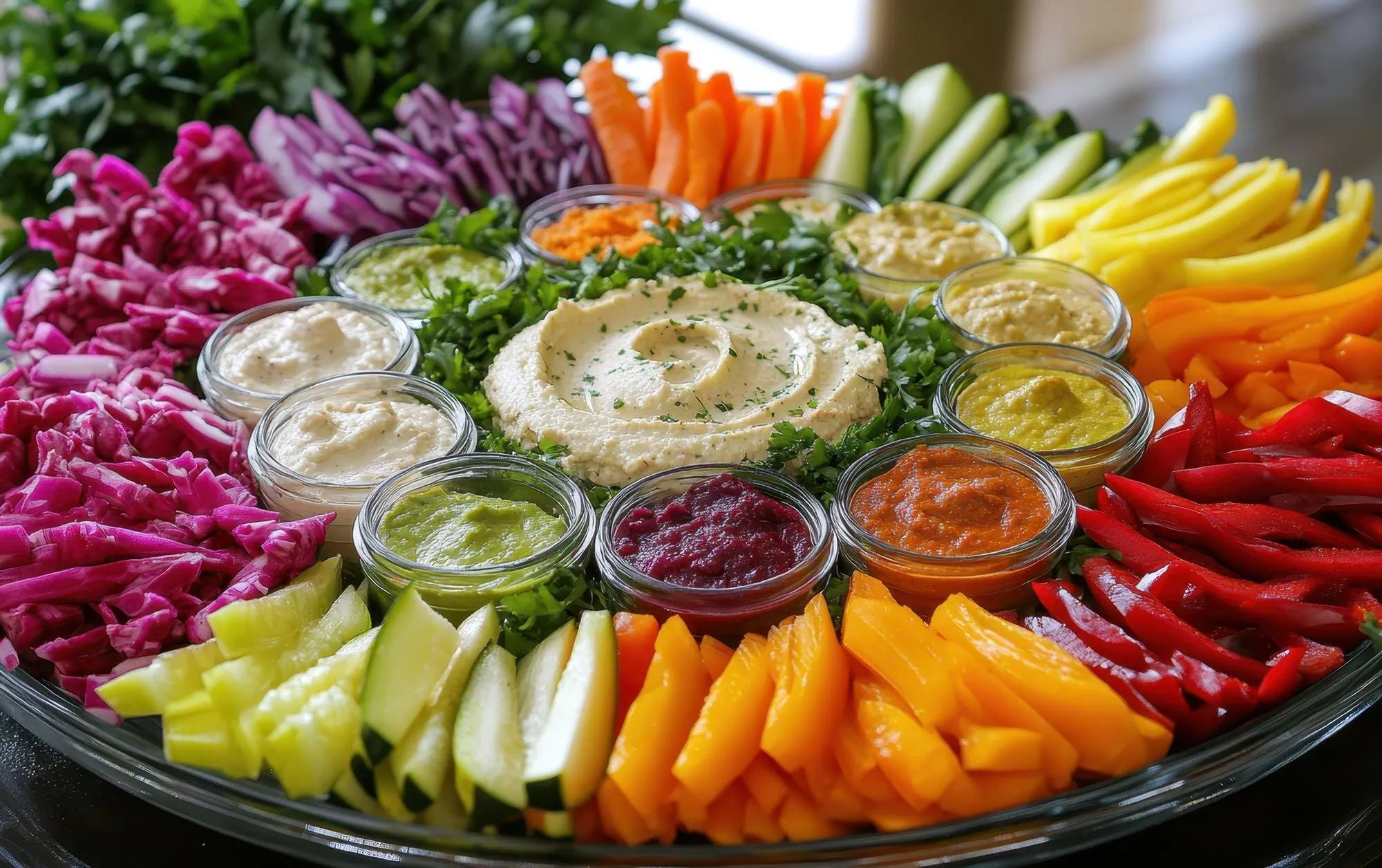
2. Hummus and a colorful vegetable platter
Surround one or two dips with cucumber, carrots, peppers, cabbage wedges and crackers. Keep wet vegetables away from crisp crackers, provide a spoon for each dip and label sesame when hummus contains tahini. A bean dip or herbed yogurt can add a second flavor without requiring another main dish.
3. Crostini with two toppings
Toast bread ahead, then offer one creamy topping and one vegetable topping: ricotta with roasted tomatoes, white-bean spread with herbs, or mushrooms with pickled onion. Keep toast separate until shortly before serving so it stays crisp. Use cucumber rounds or suitable crackers when a confirmed guest needs a wheat-free option, while managing cross-contact separately.
4. Filled tartlets or pastry cups
Use cooked mushrooms, caramelized onions, beans, cheese or chopped vegetables as fillings. Bake shells and prepare fillings early, then assemble close to serving. A small pastry cup makes rich food easier to portion and gives standing guests a tidy bite.
5. Meatballs or lentil balls with one sauce
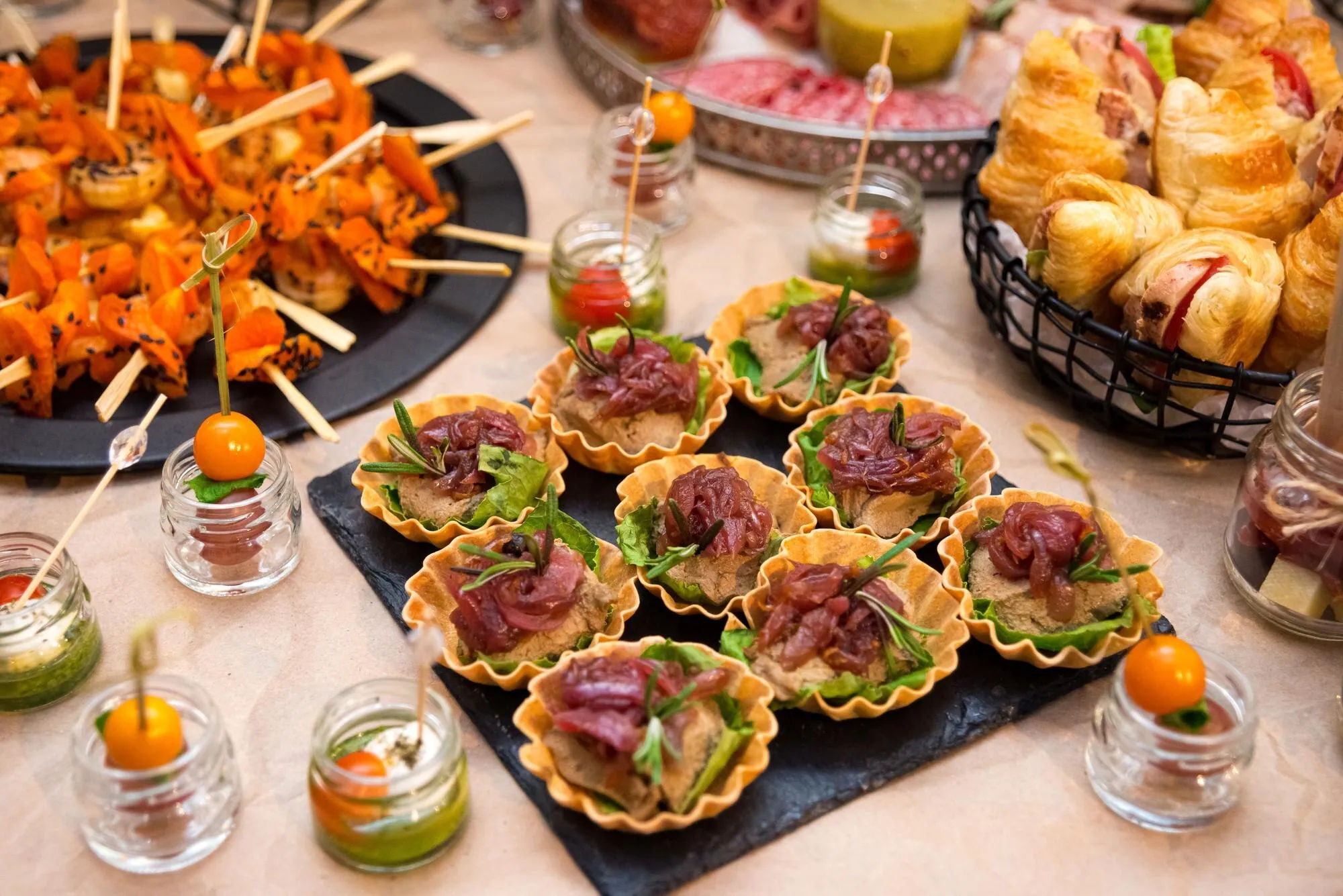
Choose meat, poultry, beans or lentils and make the pieces small enough for one or two bites. Bake in batches and serve with one glaze or dip that is thick enough not to run across the plate. Keep cocktail picks and small plates nearby; do not rely on decorative warmers to hold food at a safe temperature.
6. Sheet-pan quesadilla wedges
Layer tortillas with cheese, beans, cooked vegetables or shredded cooked meat, bake, then cut into small wedges. Serve salsa and creamy toppings separately so the wedges remain crisp. Mark the vegetarian section clearly and use a separate cutting tool where dietary separation matters.
7. Mini baked potatoes with toppings
Roast small potatoes and offer two toppings, such as herbed yogurt and bean salsa. Potatoes are inexpensive, filling and easy to count. Add cold toppings after reheating, and refill the tray rather than crowding every portion onto the table at once.
8. Skewers built for one bite
Combine tomatoes and cheese, cooked chicken and peppers, or melon and cucumber. Keep pieces small and stable so they do not spin or slide off. For children or a crowded standing party, blunt picks or short food-safe sticks may be more practical than long sharp skewers.
9. A build-your-own slider tray
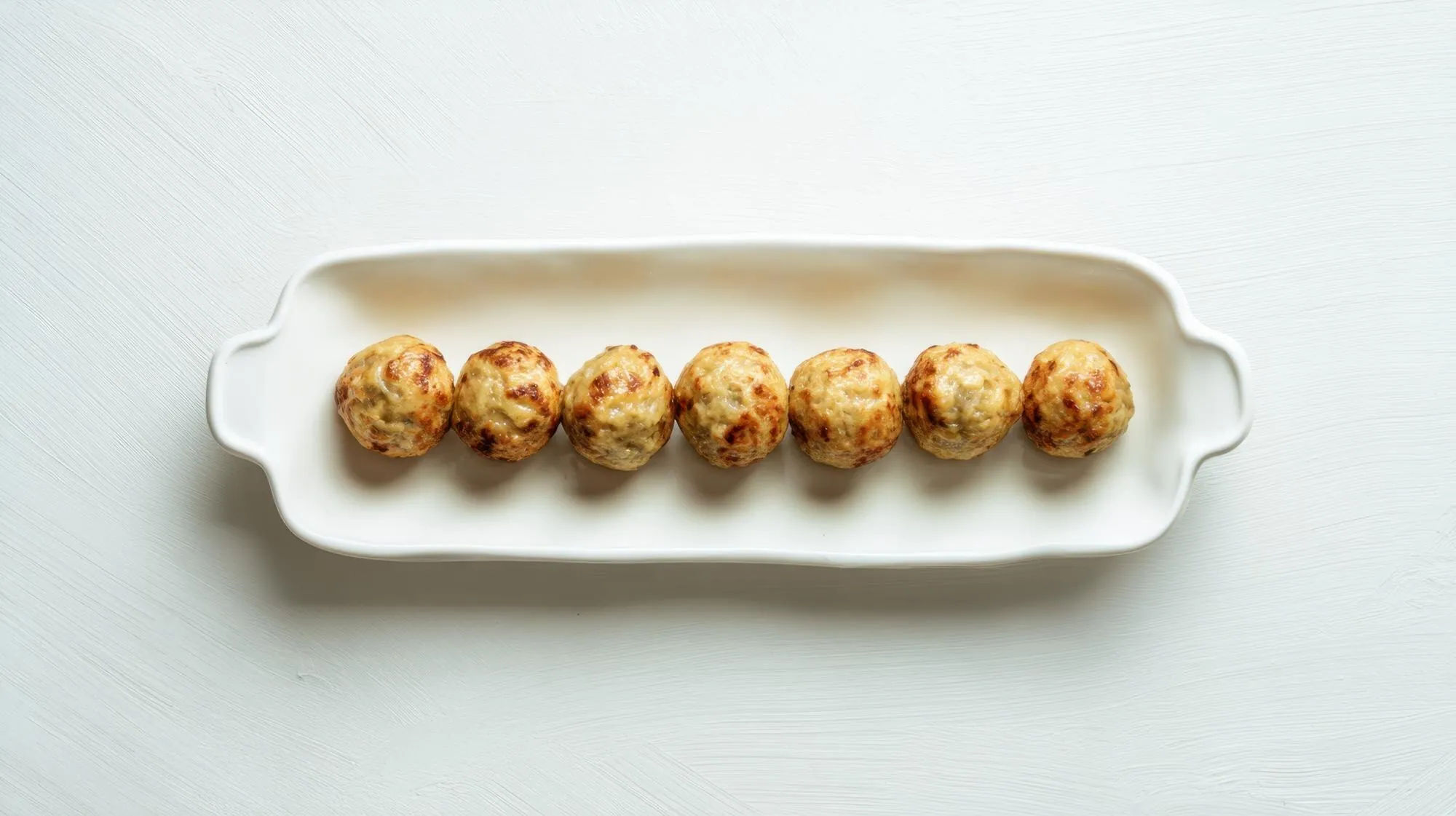
Offer small rolls with one hot filling and one plant-based filling, plus pickles and sauce. Keep buns, fillings and wet toppings separate until serving. Sliders work well when the party replaces dinner because guests can take one first and return for another instead of committing to a full sandwich.
10. Flatbread cut into small squares
Use ready dough, pita or another flat base with two restrained topping combinations. Avoid overloading it; a thin, crisp square is easier to hold. Bake one tray before arrival and keep the second assembled in the refrigerator if the ingredients and recipe allow it.
11. A cold noodle or grain cup
Portion a sesame noodle salad, couscous, rice salad or another sturdy mixture into small cups. Include vegetables and a filling component so the cup contributes more than starch. Provide forks and keep perishable versions refrigerated until their serving batch is needed.
12. Fruit with a simple sweet bite
Finish with grapes, berries, melon, citrus or sliced seasonal fruit plus brownies, cookies or another small sweet. Fruit lightens a rich menu; the baked item provides a predictable treat. Keep cut fruit cold and put out modest quantities that can be replaced.
Estimate quantities without buying for twice the guest list
When another meal follows
For a short gathering before a full meal, four to six small pieces per adult is a practical starting point. Count actual pieces, not vague platters. For ten adults, fifty bites might mean ten tartlets, ten skewers, ten potato bites, ten crostini and ten small sweet portions, with vegetables and a snack bowl alongside.
When party food is dinner
Start closer to eight to twelve small portions per adult across the event, including at least two filling items. Duration, guest mix and piece size matter more than a universal number. A slider counts differently from an olive, so write a rough portion value beside each dish and adjust rather than multiplying every recipe equally.
Buy shared ingredients once
Repeat useful ingredients on purpose. The same herbs can finish crostini, potatoes and dip; peppers can go on the vegetable board, skewers and flatbread. Add quantities across dishes, check package sizes, then remove pantry items before shopping. Keep one unopened backup rather than preparing all the food immediately.
Three workable party menus
Casual evening for eight adults
Serve spiced chickpeas, a vegetable-and-hummus platter, mushroom crostini, meatballs, mini potatoes and fruit with brownie squares. Prepare dip, sauce and brownie the day before. Roast potatoes and cook meatballs before arrival, then refill the cold platter from the refrigerator.
Family birthday for twelve mixed-age guests
Choose popcorn, vegetables with two dips, sheet-pan quesadilla wedges, sliders, fruit skewers and cookies. Keep spice and sauce optional. Offer at least one substantial choice that fits each confirmed dietary need, and place sharp picks or very small hard foods away from young children when appropriate.
Game night or open house for a crowd
Use pretzels and olives, two crostini toppings, flatbread squares, cold grain cups, meatballs or lentil balls, and a fruit tray. These foods can appear in waves. Set aside refill portions, serving tools and labels together so a helper can replenish the table without guessing.
Build a preparation timeline and protect the budget
Two days before and the day before
Confirm attendance and dietary restrictions, clear refrigerator space and identify serving dishes. Buy shelf-stable food first. The day before, make dips, sauces, baked sweets and cooked fillings within their safe storage windows. Group each dish's components together but keep crisp bases away from moist toppings.
On the event day
Cut sturdy vegetables, portion backup snacks and assemble cold components early enough to avoid a rush but not so early that they soften. Cook the one warm item, prepare its refill and note when perishable trays leave temperature control. Put out a smaller first wave so the table stays fresh.
Keep the menu affordable
Spend on one memorable item, then support it with potatoes, beans, seasonal produce, popcorn and shared garnishes. Compare the cost per usable portion, not only the package price. A short menu with accurate quantities is usually calmer and less wasteful than a huge buffet built from one full recipe per idea.
Handle dietary needs and food safety clearly
Ask, label and prevent cross-contact
Ask guests about allergies before shopping and keep packages until the party ends. In the United States, the FDA lists nine major food allergens: milk, eggs, fish, crustacean shellfish, tree nuts, peanuts, wheat, soybeans and sesame. Its current food-allergy guidance explains labeling and cross-contact. Rules vary by country, so use the guidance that applies where the gathering takes place.
Do not call a shared buffet allergen-free unless the entire preparation and serving process supports that claim. Use separate utensils, boards and clearly marked plates when cross-contact matters. A guest's medical needs take priority over preserving a menu idea.
Control time and temperature
FoodSafety.gov recommends keeping hot food at 140°F/60°C or above and refrigerators at 40°F/4°C or below. Its official four food-safety steps also say to refrigerate perishable food within two hours, or within one hour when it is exposed to temperatures above 90°F/32°C.
Use a thermometer where appropriate, follow recipe and package cooking instructions, and replace serving batches instead of topping old food with new. Refrigerate safe leftovers promptly in shallow containers. Discard food when its time or temperature history is uncertain.
How Dishday can keep the party menu connected
Put recipes and preparation days in one plan
This method works on paper. If you want the recipes and timing in one place, Dishday's meal planner can hold prep components on the day you will make them and finished dishes on the event day. A weekly meal planner template is another way to see party prep beside ordinary meals.
Consolidate groceries, then review them yourself
Bring selected recipe ingredients into the grocery list, combine repeated produce and herbs, and remove what is already at home. Review every quantity, package label and dietary substitution yourself. Dishday can organize the workflow, but it cannot verify an allergy, cooking temperature or buffet history.
Limits and practical checks
These party food ideas are general planning suggestions, not individualized medical or nutrition advice. Adjust ingredients and serving methods for allergies, pregnancy, age, swallowing concerns and professional advice. Follow local food-safety rules when they differ from the US sources used here.
Before finalizing the menu, check outlets, extension cords, refrigerator shelves, oven timing, serving utensils, seating and cleanup. If guests bring dishes, agree on what needs refrigeration or reheating and who will provide the serving tool. For a specifically seasonal gathering, the guide to holiday appetizer ideas adds holiday-focused menu roles and preparation details.
Frequently asked questions
What are the easiest party foods for a crowd?
Choose one large vegetable-and-dip platter, one tray-baked item, one filling handheld food, one make-ahead cold option and a shelf-stable snack. Reuse ingredients and serve in waves instead of placing every portion out at once.
How much party food do I need per person?
For a short event before another meal, start with four to six small bites per adult. If party food replaces dinner, start around eight to twelve mixed portions, including substantial items. Adjust for duration, ages, piece size and what guests are told to expect.
Which party foods can be made ahead?
Dips, sauces, baked sweets, cooked fillings, meatballs, grain salads and many pastry rolls can be prepared partly ahead. Store each component within its safe window and keep crisp bases separate from moist toppings until close to serving.
How can I offer vegetarian party food without making a second menu?
Build the main menu from shared components such as vegetables, beans, potatoes, bread and dips, then add meat or fish as one clearly separated option. Make at least one vegetarian choice substantial and use separate utensils where cross-contact matters.
How long can party food stay out?
US guidance says perishable food should not remain unrefrigerated for more than two hours, or one hour above 90°F/32°C. Keep hot food at 140°F/60°C or above, cold food at 40°F/4°C or below, and discard food with an uncertain history.
Choose six roles for your gathering, assign one idea to each and write the preparation day beside every dish. To keep selected recipes and a reviewed shopping list together, download Dishday on the App Store.