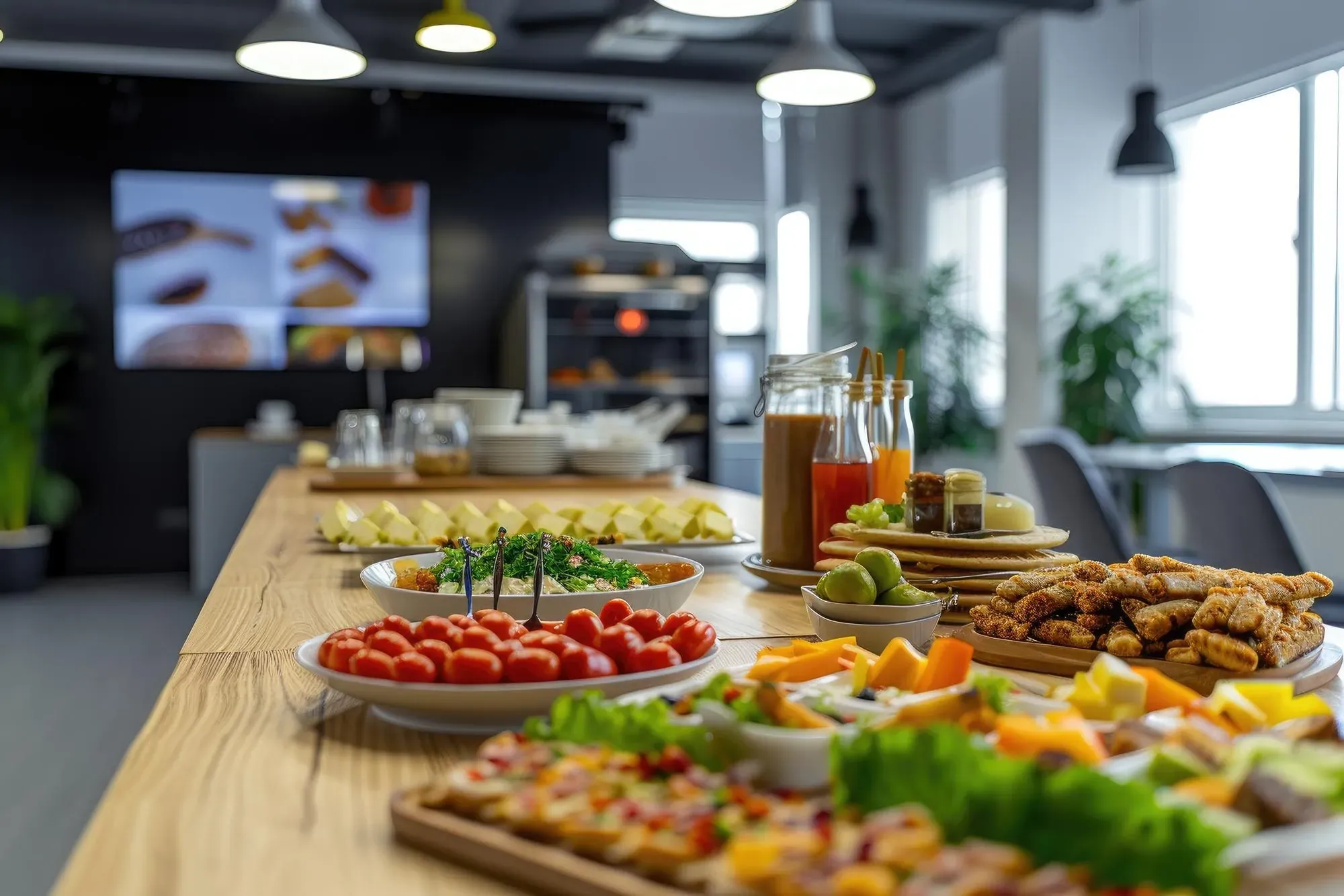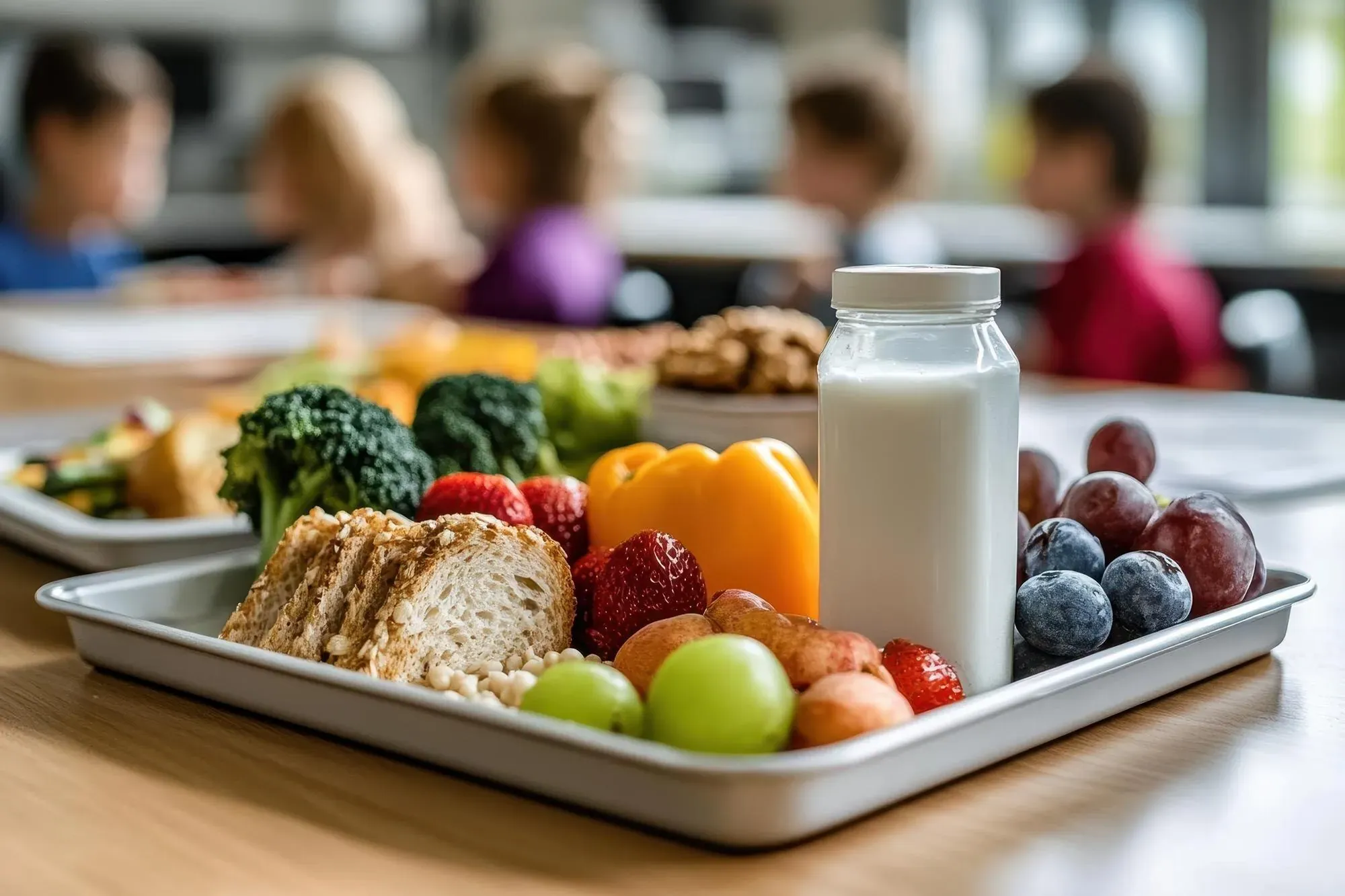

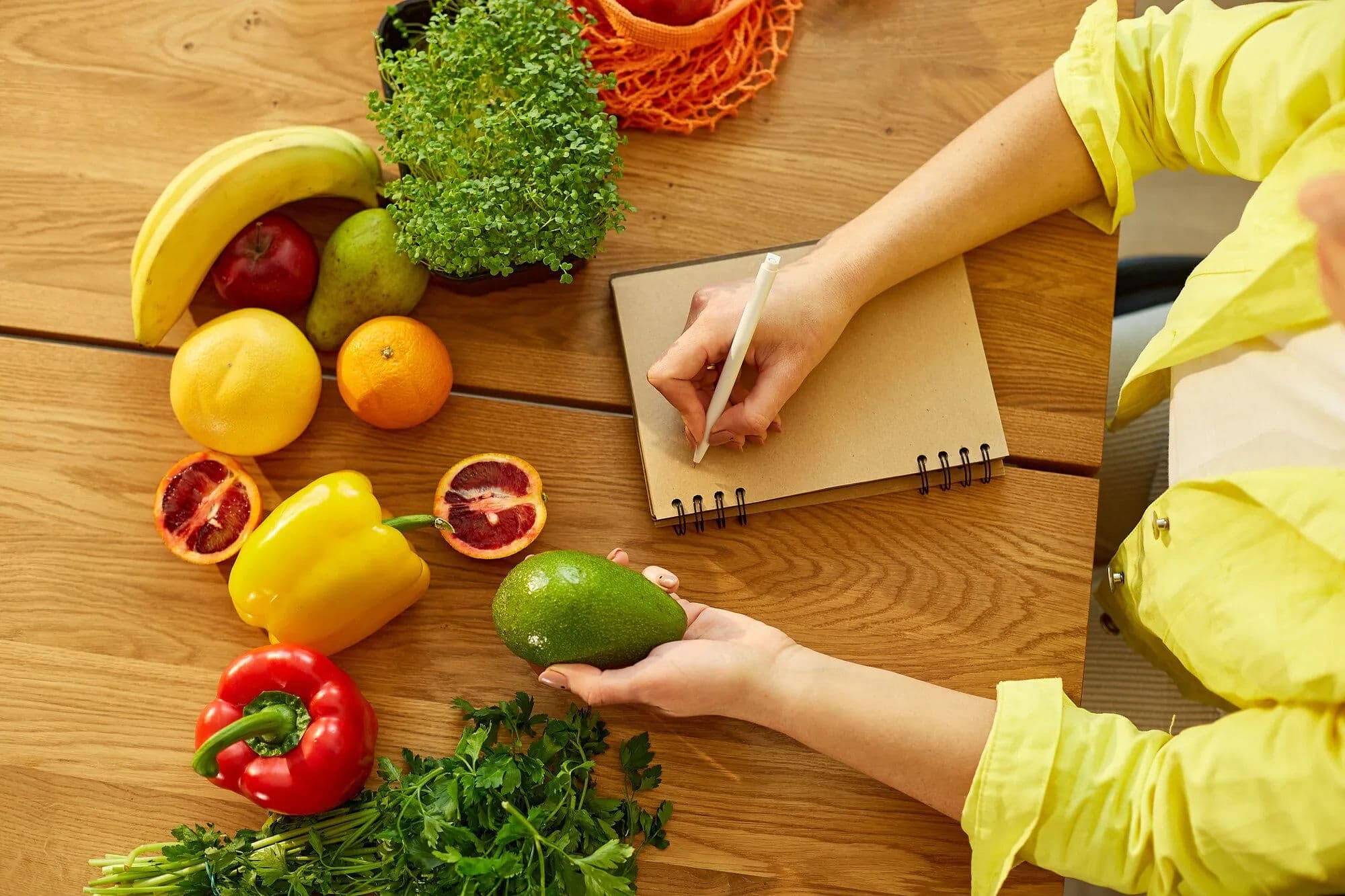
A workable weekly dinner plan starts with your calendar, not a stack of recipes. Mark the nights when time or energy will be lowest, give those nights the easiest meals, and choose only three dinners that require real cooking. Let one cooked meal create planned leftovers, and reserve one night for a pantry or freezer backup.
That gives you five decisions before the week begins without locking you into five complicated recipes. A practical pattern is: one-pan dinner, quick pasta, leftovers remixed into bowls or wraps, eggs or beans, and a backup such as frozen soup, dumplings, or pizza with a simple side.
The goal is not a perfect menu. It is to make the 6 p.m. decision smaller while leaving enough flexibility for a late meeting, a tired household, or an unexpected change.
Why ambitious dinner plans fail by Wednesday
Many weekly plans assume that every evening offers the same amount of time. Real weeks do not. A recipe that looks easy on Sunday can feel impossible after commuting, school pickup, errands, or a meeting that runs late.
Plans also become fragile when every dinner uses unrelated ingredients. Five isolated recipes create a long shopping list, several partly used packages, and no clear way to recover if one meal moves to another night.
A more resilient plan has three qualities:
different effort levels: at least one almost-no-cook night and no more than two higher-effort nights;
ingredient overlap: vegetables, sauces, grains, or proteins appear in more than one meal;
a planned escape route: one dinner can wait in the pantry or freezer if the schedule changes.
USDA MyPlate recommends looking at what you already have, writing out the week’s meals, considering the time available, and planning to use leftovers. Its current weekly meal-planning guidance also suggests mixing fresh, frozen, and shelf-stable foods so the most perishable items can be eaten first.
Step 1: Map the week before choosing dinners
Write down the five nights you want to cover. Beside each one, note the real constraint: late arrival, children’s activities, evening appointment, work deadline, or a quieter night with more time.
Then label each night with an effort level:
green: enough time and energy to cook;
yellow: about 20 to 30 minutes, with limited cleanup;
red: reheat, assemble, or use a reliable backup.
Put the easiest meal on the hardest night first. Do not save your backup for Friday automatically; save it for the night most likely to go wrong. If Tuesday is consistently chaotic, Tuesday should be the red night.
Also count how many people will actually eat each dinner. Account for meals away from home and known leftovers. The EPA advises basing shopping quantities on the number of meals you expect to eat at home, rather than buying for an imaginary full week. See its official guidance on preventing wasted food at home.
Step 2: Choose five dinner roles, not five demanding recipes
Use a repeatable role for each night. The exact ingredients can change with preferences, sales, and what is already at home.
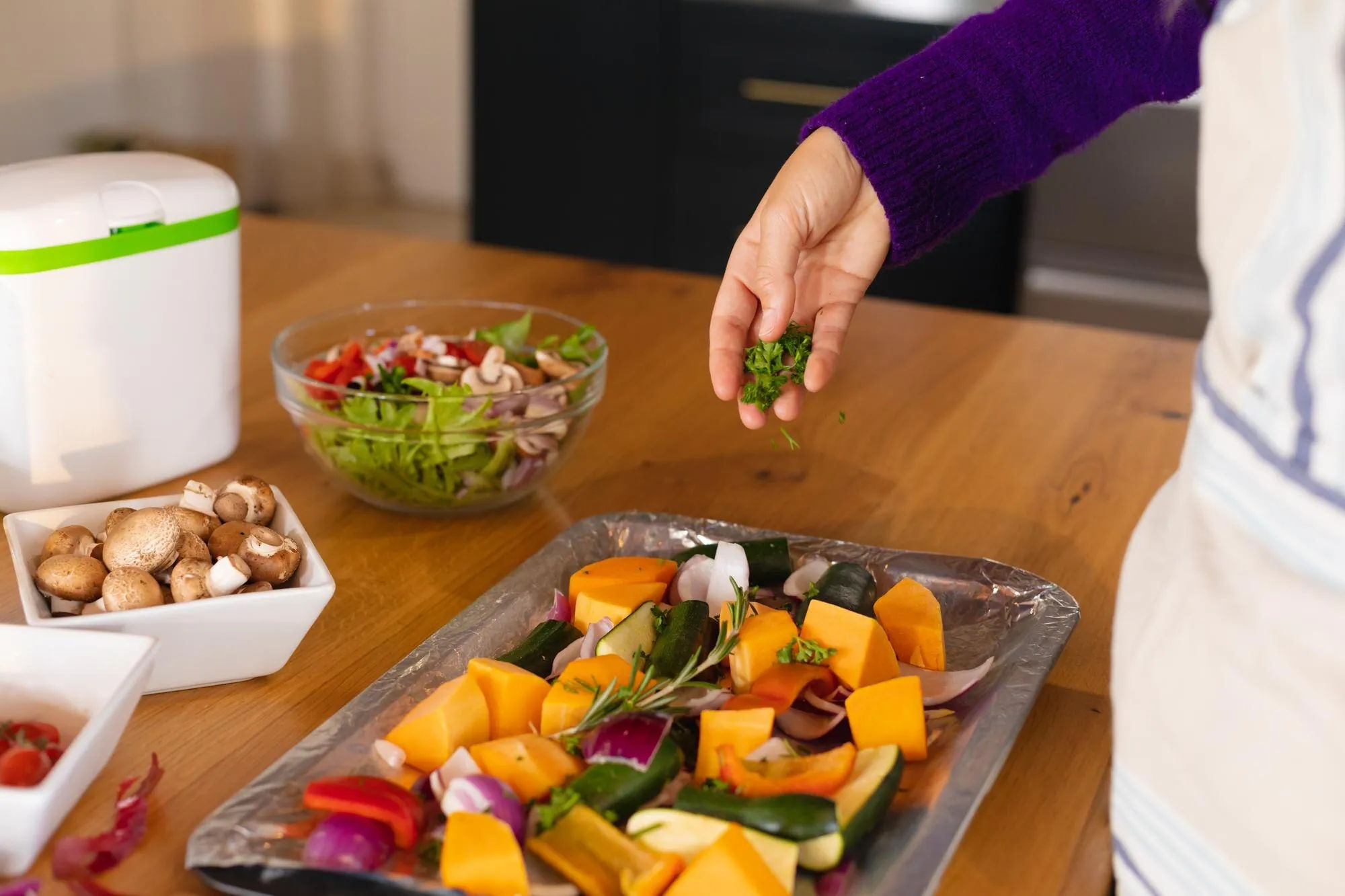
Night 1: one-pan anchor dinner
Choose a protein or hearty plant ingredient, two vegetables, and a simple seasoning. Roast them together when their cooking times are compatible, or add quick-cooking ingredients later. Serve with bread, rice, couscous, or another easy base.
Cook enough of one versatile component for a later meal. Extra roasted vegetables are easier to reuse than a fully dressed duplicate dinner. If you cook extra meat, poultry, tofu, grains, or beans, decide now where it will appear again.
Night 2: quick pasta or noodles
Use pasta or noodles with one vegetable, a sauce base, and an optional protein. Tomato sauce with spinach and beans, noodles with frozen vegetables and eggs, or pasta with peas and tuna are structures rather than strict recipes.
Keep this night genuinely quick. A “30-minute meal” stops being quick if it requires three side dishes and a second shopping trip.
Night 3: remix night
Turn the extra components from Night 1 into bowls, wraps, tacos, fried rice, or a substantial salad. Change the format and seasoning so the meal feels intentional rather than like an exact repeat.
For example, roasted vegetables and chicken can become wraps with yogurt sauce. Roasted vegetables and chickpeas can become grain bowls with lemon dressing. Keep crunchy toppings or sauces separate until serving.
Night 4: eggs, beans, or another fast staple
Use a dependable meal that does not depend on fresh meat. Frittata, scrambled eggs with toast, bean quesadillas, lentil soup, or chickpeas over couscous can absorb vegetables and herbs that still need using.
This is also the best place for a household variation. Set out one base and let people choose toppings, sauce, or whether to include cheese, rather than cooking separate complete meals.
Night 5: the backup dinner
Choose something that can wait if unused: frozen soup, dumplings, a frozen homemade portion, shelf-stable pasta with sauce, or pizza plus a vegetable side. A backup is part of the plan, not evidence that the plan failed.
If the week runs smoothly, keep the backup for next week and use a fresh ingredient that needs attention. If the week unravels, you already know what dinner is.
A complete five-night example
Suppose Monday is manageable, Tuesday is packed, Wednesday is moderate, Thursday is unpredictable, and Friday is relaxed. You already have rice, pasta, canned chickpeas, frozen peas, tomato sauce, and seasonings.
A flexible plan could be:
Monday — sheet-pan chicken or tofu, peppers, onions, and zucchini with rice. Roast extra vegetables and cook extra rice.
Tuesday — tomato-spinach pasta with chickpeas. Use one pan for the sauce and pasta pot; save a portion for lunch if useful.
Wednesday — rice bowls with Monday’s vegetables and protein. Add cucumber, yogurt or tahini sauce, and a crunchy topping.
Thursday — vegetable egg fried rice or chickpea fried rice. Use the remaining cooked rice, frozen peas, and any suitable vegetables.
Friday — freezer pizza with a simple salad or raw vegetables. If energy is good, make a different meal and leave the pizza frozen.
This plan repeats rice, peppers, onions, spinach, and a sauce component without serving the same finished dinner twice. Chicken can be replaced with tofu or extra chickpeas; eggs can be replaced with beans. The substitutions preserve the structure of the week.
Step 3: Build one short ingredient chain
Before writing the grocery list, circle ingredients that appear in at least two dinners. This is not about forcing every food into every meal. It is about choosing a few packages that can be finished naturally.
For the example above, the chain might be:
peppers and onions → sheet-pan dinner, rice bowls, fried rice;
spinach → pasta, fried rice, or salad;
rice → Monday side, Wednesday bowls, Thursday fried rice;
yogurt or tahini → bowl sauce, vegetable dip;
lemon → sauce, salad dressing, finishing chickpeas.
Now check the pantry, refrigerator, and freezer before buying more groceries. Cross out what is already available, note quantities, and buy only the gaps.
Step 4: Prep the bottlenecks, not every meal
A short prep session should remove the tasks most likely to block dinner. You do not need five rows of identical containers.
Useful prep might include:
washing sturdy vegetables;
making one sauce or dressing;
cooking a grain for two planned uses;
chopping only the vegetables that store well after cutting;
moving a frozen ingredient to the refrigerator to thaw safely;
placing the backup meal where everyone can find it.
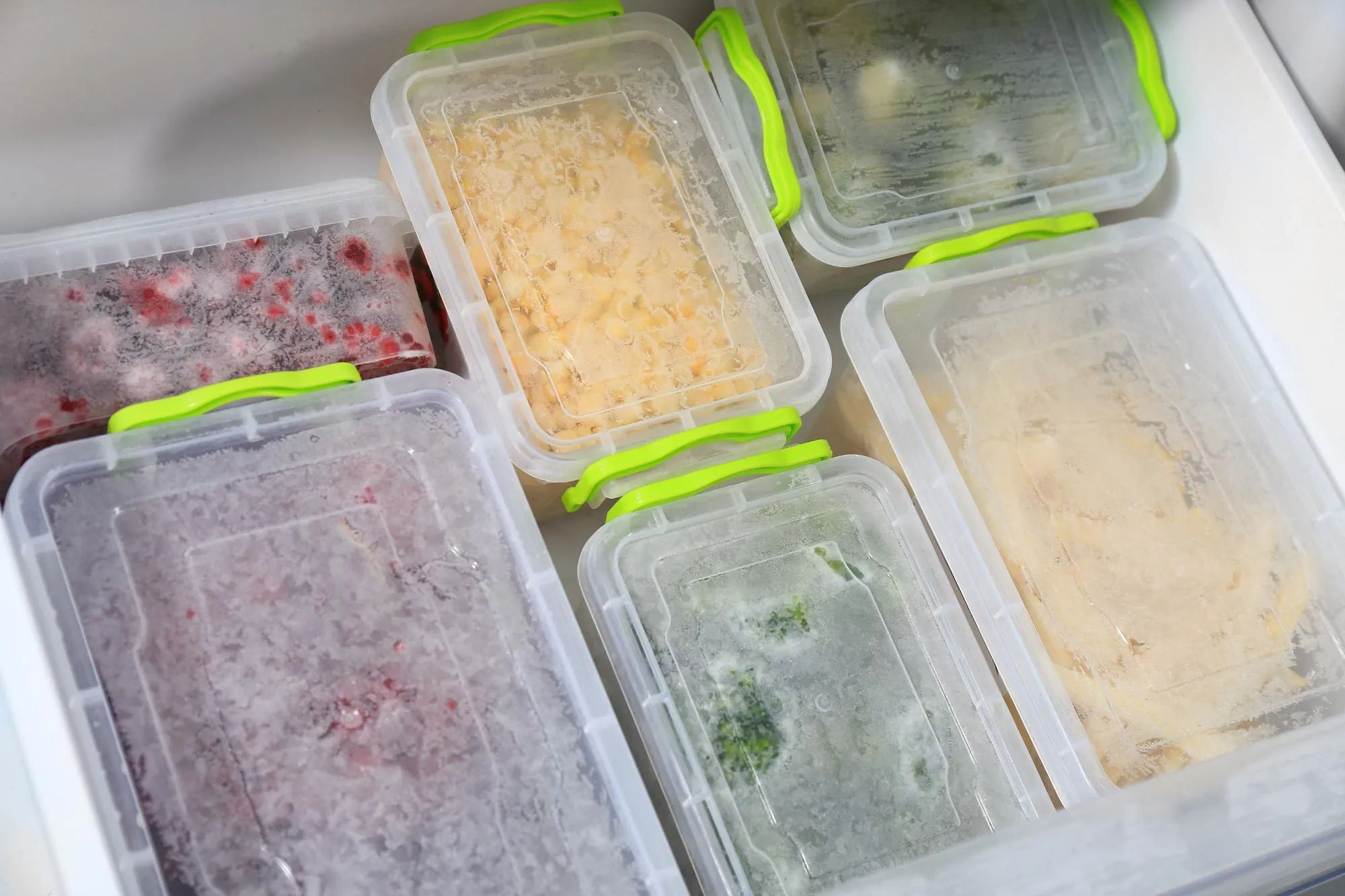
Keep delicate produce whole until closer to the meal. Label cooked components with what they are and the date. Prep should make the week easier, not create five perishable obligations at once.
Use leftovers deliberately and safely
Planned leftovers only help when they are cooled, stored, and reheated safely. USDA Food Safety and Inspection Service guidance says to refrigerate perishable leftovers within two hours, store them covered, use refrigerated leftovers within three to four days, and reheat them to 165°F (74°C). Read the full official guidance on leftovers and food safety.
Storage time varies by food and handling. When in doubt, follow product directions and current guidance from the food-safety authority in your country. Do not use smell or appearance as the only safety test.
Schedule the remix close to the original dinner. If you will not use a suitable cooked component within the recommended refrigerator window, freeze it promptly in a labeled container rather than hoping to remember it later.
How to recover when the plan changes
Treat the plan as an ordered set of options, not a contract tied permanently to weekdays.
If a late meeting appears, use the backup and move the planned meal forward.
If fresh produce needs attention, swap it ahead of a shelf-stable dinner.
If extra leftovers appear, replace a planned meal instead of adding another dinner to the week.
If nobody wants the chosen meal, keep the same ingredients but change the format: bowls can become wraps, roasted vegetables can join pasta, and beans can become quesadillas.
The rule is simple: move the most perishable safe food earlier and move the most flexible meal later. Do not keep buying ingredients to rescue a plan that no longer matches the week.

Turn the plan into a grocery list
Read each dinner from start to finish and list only missing ingredients. Combine repeated items into one total, keep package sizes realistic, and separate optional toppings from essentials.
For a detailed method, use How to Make a Grocery List from a Weekly Meal Plan. It explains how to merge duplicates, check pantry stock, adjust quantities, and organize the final list by store section.
How Dishday can support the weekly routine
Paper, a shared note, or a whiteboard is enough for this method. If you want recipes, the weekly schedule, and shopping to stay connected, Dishday’s weekly meal planner lets you place chosen meals into days and meal slots. Its grocery-list workflow can collect ingredients from selected recipes for you to review.
Dishday’s current App Store listing describes weekly planning, saved recipes, ingredient-based meal ideas, and a grocery list. You still need to confirm quantities, pantry stock, allergens, substitutions, storage, and safe cooking instructions yourself.
Frequently asked questions
How many dinners should I plan for a busy week?
Plan only the dinners you realistically expect to eat at home. For many five-night workweeks, three cooked dinners, one planned leftover or remix, and one pantry or freezer backup create more flexibility than five unrelated recipes.
What is the easiest order for weeknight meals?
Place meals by effort and perishability. Put the easiest meal on the hardest night, use delicate fresh foods earlier, schedule leftovers within safe storage windows, and keep a shelf-stable or frozen option for the most unpredictable evening.
How do I avoid eating the same leftovers twice?
Cook extra components rather than an entire duplicate meal. Change the format and seasoning: roasted vegetables can move from a sheet pan to a bowl, wrap, pasta, omelet, or soup.
What should a backup dinner include?
Choose a complete, familiar option that can wait if unused. Frozen soup, dumplings, pizza, or a pantry pasta meal can work. Add a simple fruit or vegetable when available, and keep the backup easy enough that takeout does not feel simpler.
Can I make a weekly dinner plan without meal prepping?
Yes. Planning and prepping are separate. You can choose the dinners, check ingredients, and assign meals to nights without chopping anything in advance. Prep only the bottlenecks that would otherwise stop you from cooking.
Can Dishday create a grocery list from the dinner plan?
Dishday can bring ingredients from selected recipes into a connected grocery list. Review the items, quantities, duplicates, pantry availability, allergens, and substitutions before shopping.
Make next week easier in fifteen minutes
Open the calendar, label each evening by effort, and choose the backup night first. Add one one-pan meal, one quick pasta or noodle dinner, one remix, and one fast staple meal. Check what you have, write the missing ingredients, and stop.
If you want to keep chosen recipes, the weekly plan, and groceries in one place, download Dishday on the App Store.