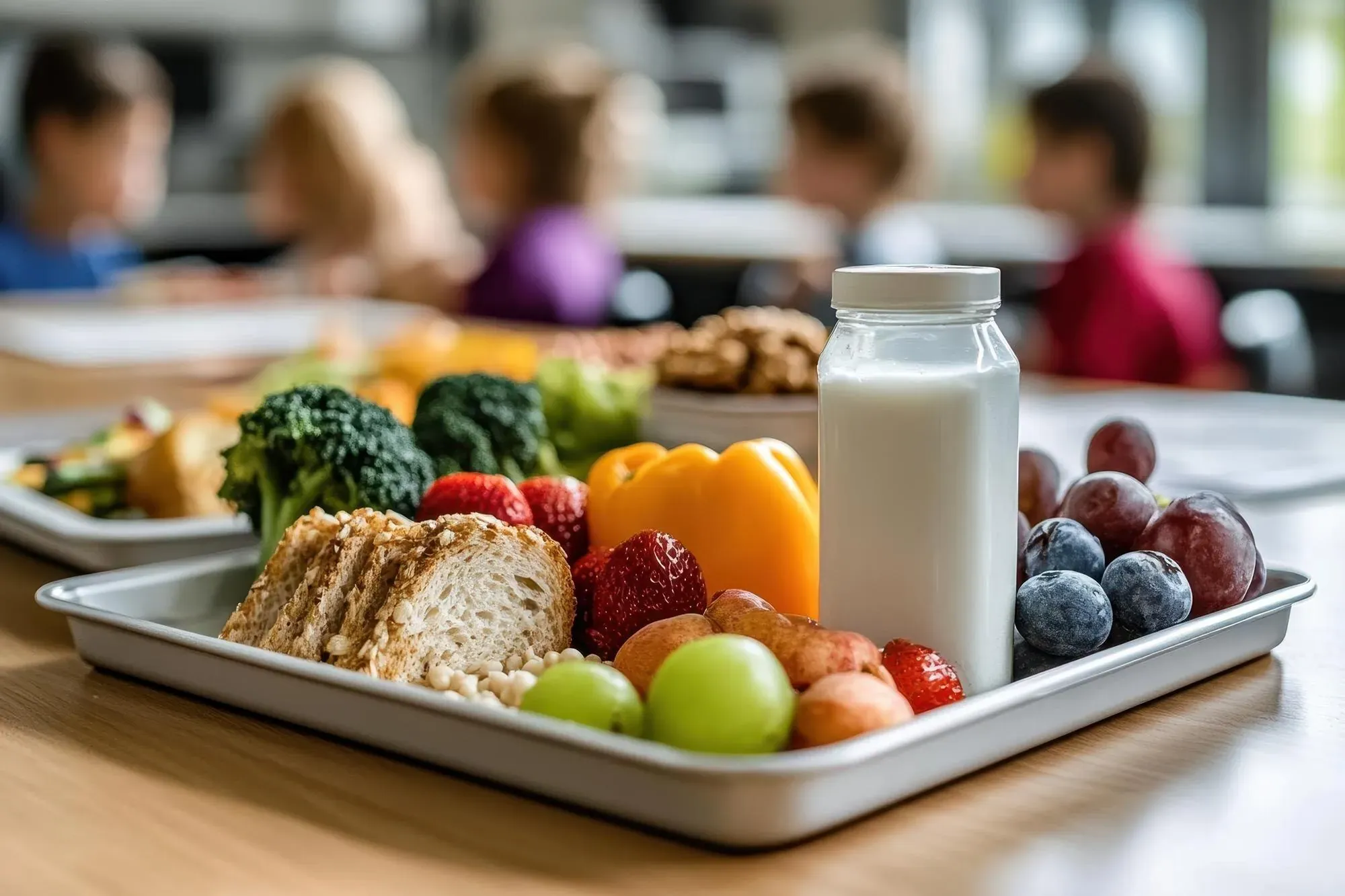

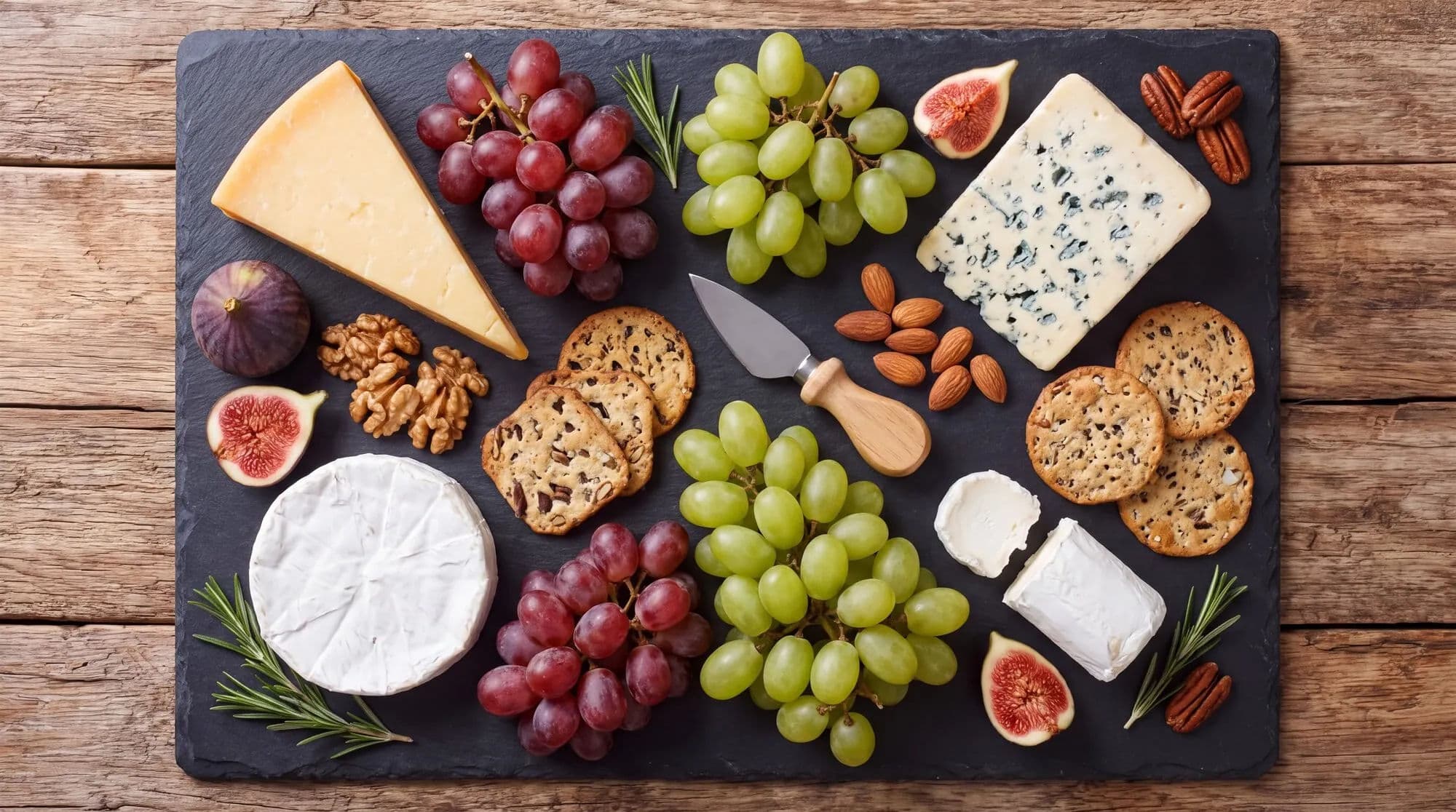
The easiest cheese board uses two or three cheeses, two crunchy items, two fresh items, one sweet accent and one salty accent. Choose contrasting textures rather than ten expensive cheeses, buy for the board’s role in the meal, and leave enough open space that guests can reach everything without dismantling the display.
That formula works for two people, a family snack, a party appetizer or a simple wine-and-cheese board. The ideas below focus on building and shopping, not formal pairing rules. If you want detailed drink combinations, use the separate snacks with wine guide.
Start with one flexible cheese-board formula
Choose three cheese roles, not three fancy names
Begin with one familiar, firm cheese such as cheddar, Gouda or manchego. Add one contrasting soft cheese such as brie, goat cheese or a creamy spread. A third bold cheese—blue, washed-rind, smoked or aged—adds variety, but it is optional for a small board.
The contrast is the useful part: firm and creamy, mild and tangy, sliceable and spreadable. If your guests already have a favorite, make that the largest piece and let the other cheeses play supporting roles. Check whether every cheese is made with pasteurized milk when that matters for a guest’s medical guidance.
Add four supporting roles
Choose two carriers, such as plain crackers and sliced baguette. Add two fresh items, usually grapes, apple, pear, cucumber or cherry tomatoes. Finish with one sweet accent—jam, honey, dates or dried apricots—and one salty or sharp accent, such as olives, pickles or roasted seeds.
You do not need every ingredient on the board itself. Put wet condiments in small bowls, keep one refill tray in the kitchen and use separate utensils for strong or restricted foods.
10 cheese board ideas you can adapt
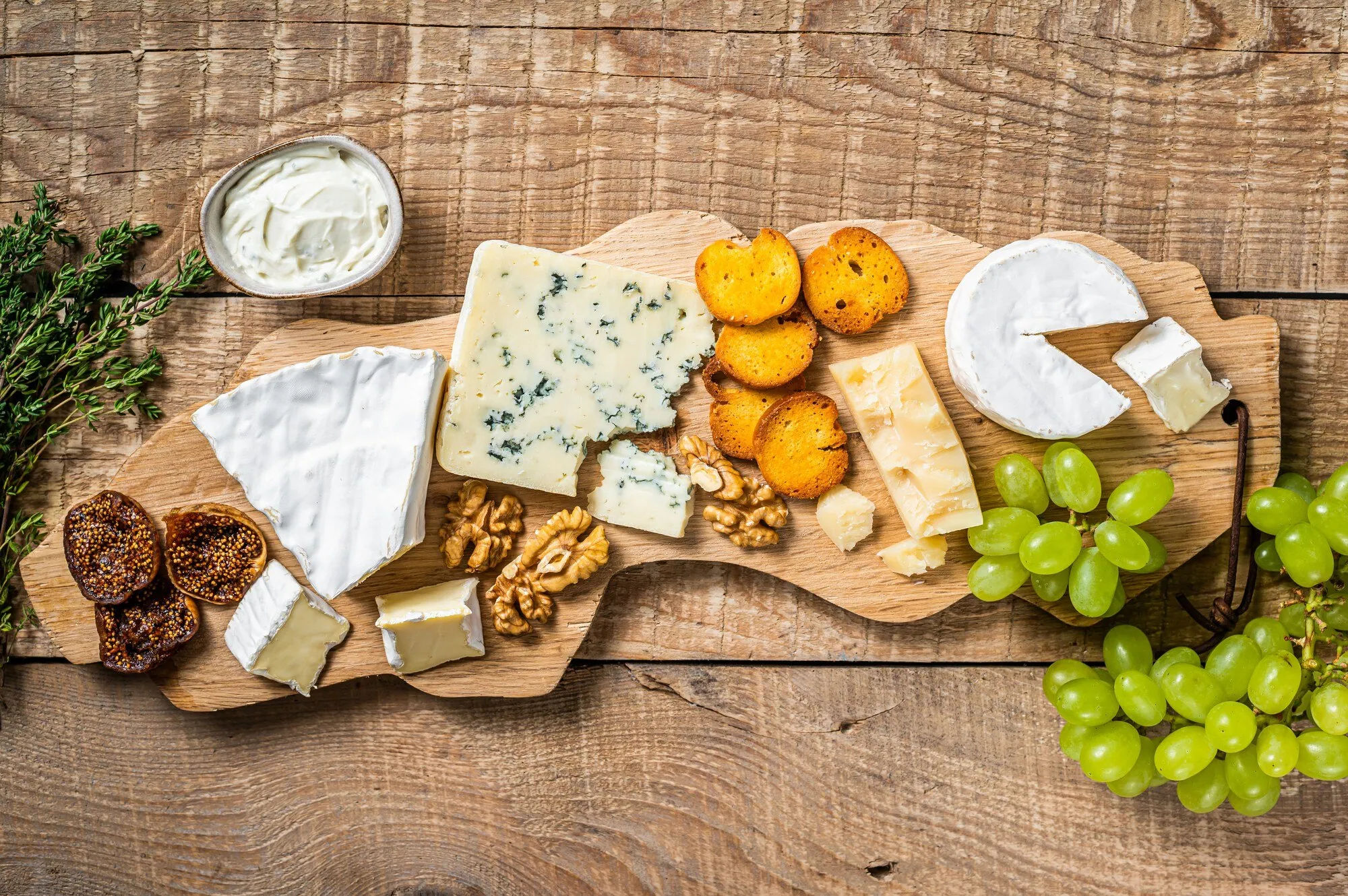
Classic crowd board: cheddar, brie and blue cheese with grapes, apple, crackers, baguette, fig jam and olives.
Easy board for two: one good cheddar, a small soft cheese, pear slices, crackers, almonds and a spoonful of jam.
Budget board: one large familiar cheese and one supermarket soft cheese with popcorn, apple, pretzels, pickles and homemade onion jam.
No-meat board: three contrasting cheeses, roasted chickpeas, cucumbers, peppers, fruit, seeded crackers and hummus. Keep the dip cold and check sesame.
Mediterranean-style board: feta, a firm sheep’s-milk cheese, labneh or another creamy choice, plus olives, tomatoes, cucumber, flatbread and dried figs.
Autumn board: aged cheddar, soft-ripened cheese, pear, apple, walnuts, seeded crackers, date spread and a small dish of pickles.
Summer board: fresh mozzarella, goat cheese and a mild firm cheese with tomatoes, peaches, cucumber, basil, bread and olive tapenade.
Dessert-leaning board: mild brie, mascarpone or cream cheese and aged Gouda with berries, sliced pear, plain biscuits, dark chocolate and honey.
Family snack board: mild cheese cubes, soft spread, age-appropriate fruit, cucumber, small crackers and one familiar dip. Adjust hard, round or sticky foods to each child’s eating skills.
Mostly pantry board: firm cheese, unopened crackers, dried fruit, roasted seeds, olives and chutney, with one fresh fruit added on shopping day.
Treat each as a template. Swap within the same role rather than rebuilding the entire list: pear for apple, seeds for nuts, pickles for olives or crispbread for baguette.
How much cheese and food to buy
For an appetizer board
A practical starting estimate is 2–3 ounces (60–85 g) of cheese per person when the board comes before a meal and other snacks are available. For six guests, that is roughly 12–18 ounces (340–510 g) total across two or three cheeses. Start at the lower end when dinner follows soon; move upward for a long gathering.
Buy fewer, larger pieces rather than many tiny wedges. They look generous, are easier to cut and are more likely to leave usable leftovers. Plan roughly one handful of crackers or bread per person, then add fruit and vegetables for volume.
When the board is the main food
If the board replaces lunch or dinner, a flexible estimate is 4–6 ounces (115–170 g) of cheese per person, plus more bread, vegetables, fruit and a substantial protein or spread that suits the group. This is a hosting estimate, not a nutrition prescription.
Appetite, age, time of day and other dishes matter more than a universal calculation. Keep unopened backup crackers and one chilled cheese in reserve instead of putting everything out at once.
Three complete boards with shopping lists
Easy cheese board for two
Buy 6–8 ounces (170–225 g) total cheese: one firm piece and one small soft cheese. Add one pear, one sleeve of plain crackers, a small handful of nuts or roasted seeds, jam and a few pickles. This fits a relaxed snack or light appetizer and uses ingredients that can return to breakfast or lunch.
Budget party board for six
Choose 12–16 ounces (340–450 g) of one familiar firm cheese plus 6–8 ounces (170–225 g) of a creamy second cheese. Add a baguette, one box of crackers, three apples, popcorn or pretzels, roasted chickpeas, pickles and a homemade spread. Slice only part of the cheese at first and refill as needed.
Mixed-preference board for eight
Use three cheeses totaling about 24 ounces (680 g), then add separate bowls of crackers, gluten-free carriers if needed, grapes, cucumber, dried fruit, nuts or seeds, olives and two condiments. Keep allergen-sensitive food physically separate, with its own utensils and labels; a shared board cannot be assumed free from cross-contact.

Arrange a cheese board step by step
Place anchors before filling gaps
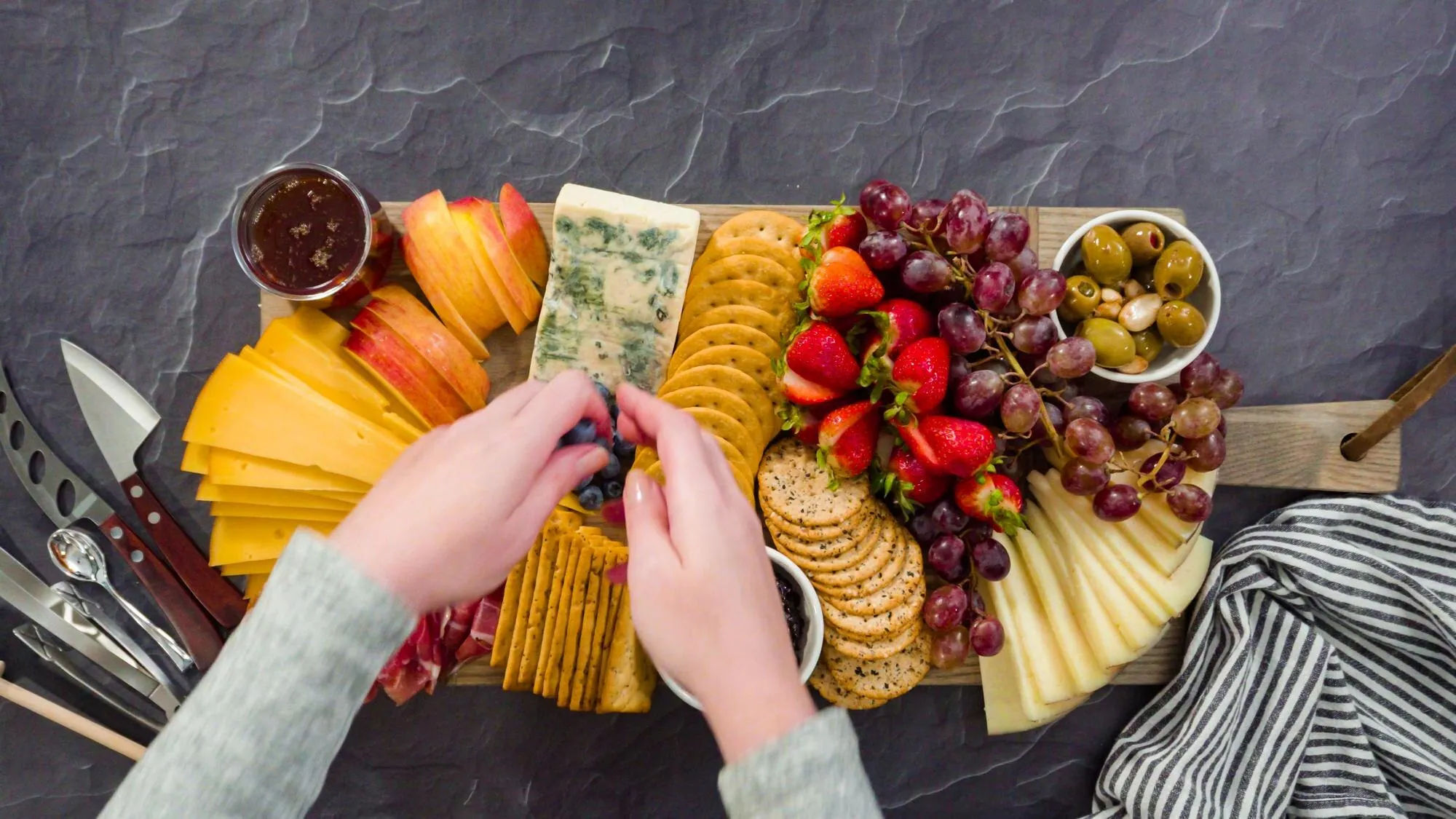
Set down small bowls first, then place the cheeses at different points around the board. Leave a cutting path beside firm wedges and pre-cut only a few pieces to show guests where to begin. Fan crackers and fruit in short curves rather than one tall stack.
Keep strong blue cheese away from the mildest cheese, and give spreadable cheese its own knife. A large dinner plate, rimmed tray or clean cutting board works; special serving equipment is optional.
Use color and repetition, not clutter
Repeat a color in two places—green grapes near one cheese and cucumber near another—so the board feels connected. Fill the smallest spaces with dry fruit, nuts or seeds only after the main food fits. Garnishes should be edible or clearly separate from food.
Prepare washed fruit, bowls and dry ingredients earlier, but cut apples and pears close to serving. Refrigerate the cheese and other perishables until the board is nearly needed.
Keep the board safe and workable
Watch the room-temperature clock
FDA and USDA guidance uses a two-hour limit for perishable food left at room temperature, shortened to one hour when the temperature is above 90°F/32°C. Put out a smaller amount, note the serving time and refill from the refrigerator instead of leaving the entire purchase on the table. Read the official USDA party-platter guidance.
Do not judge safety by smell or appearance. When local guidance or a product label is stricter, follow it. Outdoor boards need shade and reliable cold holding, not just a decorative tray.
Check allergens and guest needs before shopping
Cheese contains milk; crackers may contain wheat, sesame or soy; nuts, spreads and condiments add further risks. Ask guests directly, keep original labels available and use separate utensils, bowls and preparation surfaces when required. The FDA’s current food-allergy guidance lists the major regulated allergens in the US.
A board that contains nuts cannot become “nut-free” by removing the visible bowl. For pregnancy, immune conditions, food allergies or swallowing concerns, follow the person’s clinician and local public-health guidance rather than a general hosting article.
Make one shopping list without overbuying
Shop the core list first
Write the list by role: cheeses, carriers, fresh produce, sweet accent, salty accent and serving supplies. Check the refrigerator and pantry before choosing brands. Cross off any role already covered, then total the cheese for the number of guests.
Buy multipurpose foods: apples can become breakfast, cucumbers can become lunch, and leftover firm cheese can go into sandwiches or dinner. Keep one optional “upgrade” item separate so the board does not grow by impulse.
Plan a use for leftovers
Before shopping, assign likely extras to the next two meals: firm cheese for toast or pasta, soft cheese for sandwiches, fruit for breakfast and crackers for soup. Refrigerate usable food promptly and discard anything that exceeded its safe serving window.
For a larger gathering, the party food ideas guide can help decide whether the cheese board is enough or needs hot and substantial dishes beside it.
Save a repeatable board in Dishday
Once a combination works, save it as a reusable recipe or note in Dishday, put the gathering on the meal planner, and send the chosen cheeses, produce and carriers to the grocery list. Save separate versions for “board for two” and “board for eight” so quantities do not have to be reconstructed next time.
Dishday can organize the plan and shopping, but it cannot confirm allergy safety, pasteurization, storage temperature or whether food has been out too long. Keep those checks with the host.
Frequently asked questions
What cheeses should go on a cheese board?
Start with one familiar firm cheese and one contrasting soft cheese. Add a bold blue, smoked or aged cheese only when the group will enjoy it. Texture and intensity matter more than buying a long list of premium names.
How do I make a cheap cheese board look full?
Use one larger block of familiar cheese, slice only part of it, and add inexpensive volume with apples, popcorn, pretzels, cucumber, bread and a homemade spread. Arrange ingredients in several short groups rather than one pile.
Can I make a cheese board the night before?
You can wash fruit, portion dry ingredients and set out empty bowls in advance. Keep cheese and perishables refrigerated, cover them well, and add crackers plus cut fruit near serving so they stay crisp and fresh.
What can I use instead of a wooden cheese board?
Use a clean dinner plate, baking tray, rimmed platter or food-safe cutting board. Choose a surface large enough for separate utensils and small gaps, but not so large that you need excessive food to fill it.
How long can a cheese board sit out?
Use the two-hour room-temperature limit for perishables, or one hour above 90°F/32°C, unless local guidance or the product label is stricter. Put out smaller batches and keep refills cold.
Build the board from a formula
Choose two cheeses, four supporting roles and one sensible quantity before entering the store. Arrange a smaller first round, keep refills cold and save the combination that worked. To keep the board, gathering plan and shopping list together, download Dishday on the App Store.