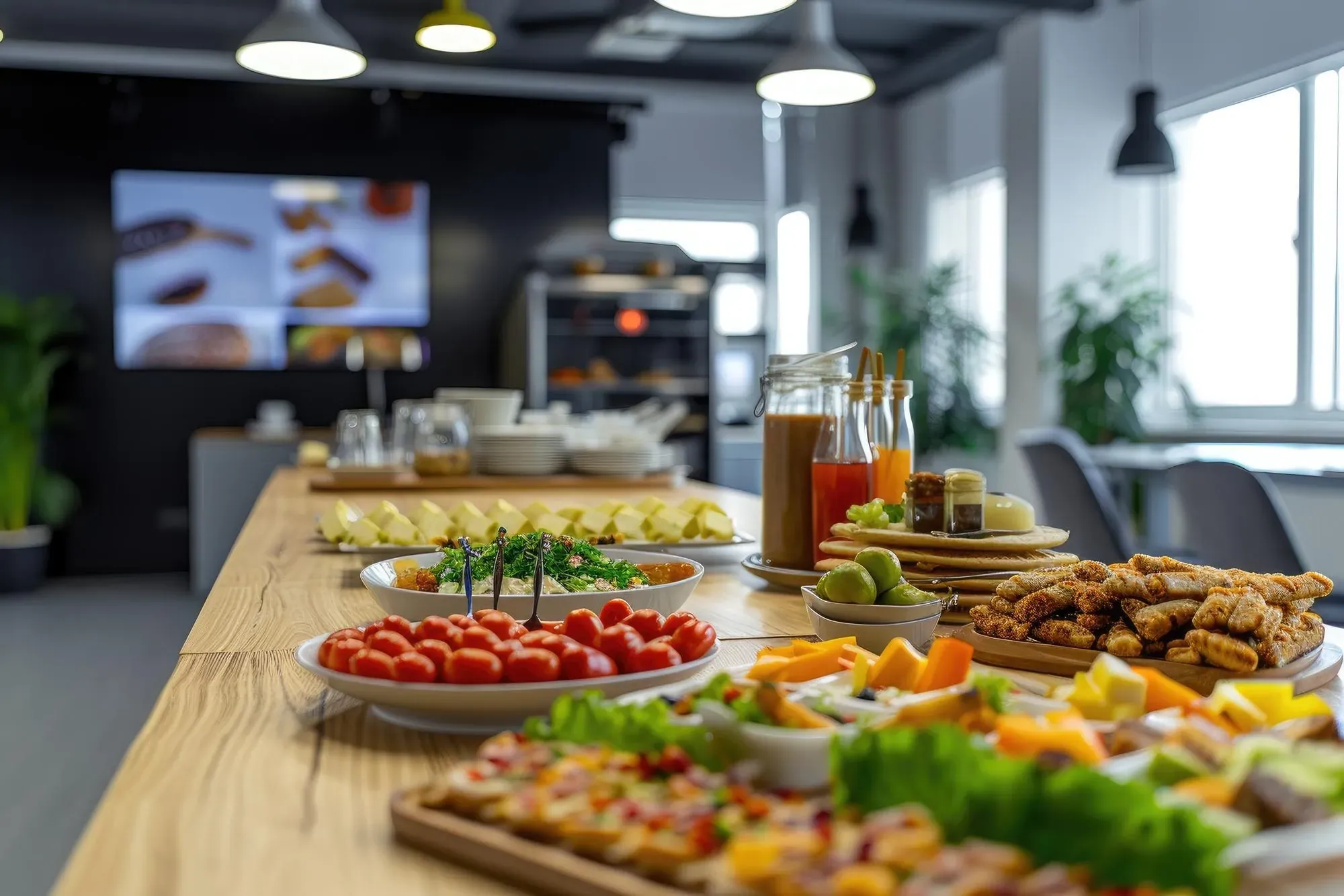

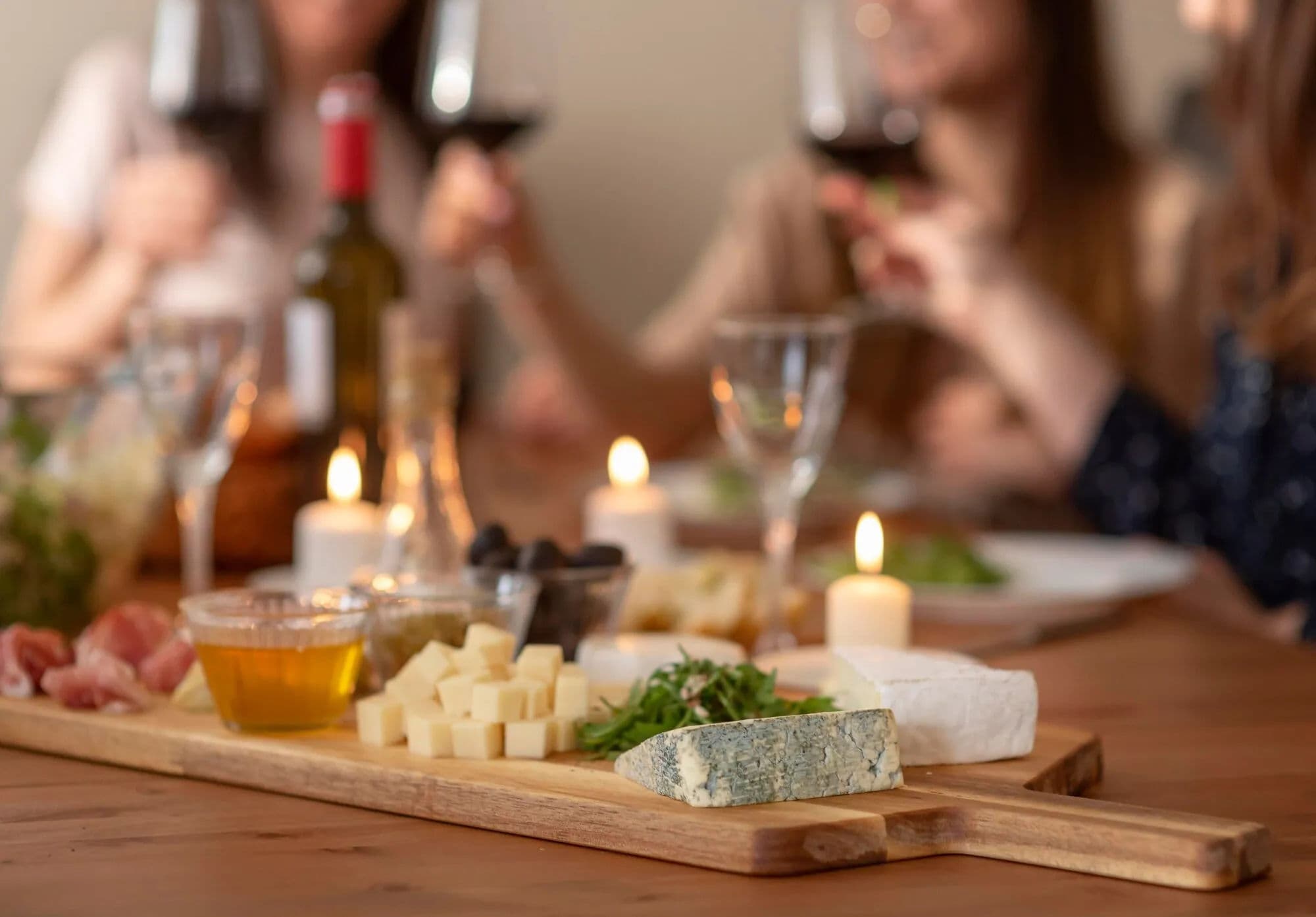
The easiest snacks with wine do not require expert pairing. Build the table around four roles: one salty crunch, one creamy item, one fresh or briny item and one filling bite. Add water, a nonalcoholic drink and a small sweet finish. That gives guests contrast without turning a casual evening into a tasting exam.
Use the ten ideas below as formulas, not rules. Start with food you and your guests already enjoy, then adjust for allergies, dietary preferences, budget and whether the snacks replace dinner. Wine style can guide the final choice, but personal taste matters more than a supposedly perfect match.
Build a balanced snack spread before thinking about pairing
Start with four roles, not ten recipes
Choose one item from each role: crisp or salty, creamy, fresh or acidic, and substantial. Crackers, a soft cheese, grapes and tomato crostini already make a complete small spread. For a longer evening, add a warm bite and something sweet rather than preparing several more versions of cheese and bread.
Decide whether snacks are a pre-dinner bite or the meal
For a short drink before dinner, plan roughly four to six small bites per person. If the invitation covers the usual dinner hour, aim for eight to twelve varied bites and include protein, starch or both. These are planning estimates, not fixed serving standards; appetite, timing and portion size matter. Tell guests whether food will be light snacks or a casual meal.
Let the wine style be a shortcut, not a command
Notice whether the bottle is sparkling, crisp and light, round and rich, fruity, or full-bodied. Then choose snacks with a similar weight and enough contrast to stay interesting. A bright white can feel refreshing beside creamy dip; a light red can sit comfortably with mushrooms or mild cheese. If a pairing tastes good to the people at the table, it works.
10 flexible snacks to serve with wine
1. Seasoned nuts or stovetop popcorn
Start with the lowest-effort role: a salty crunch. Warm almonds with smoked paprika, toss popcorn with olive oil and herbs, or serve plain roasted nuts. Keep seasoning moderate so it does not erase the flavor of everything else. For nut-free guests, popcorn, roasted chickpeas or pretzel pieces can fill the same role.
2. Olives, cornichons and quick-pickled vegetables
A small briny bowl wakes up a rich table. Combine two kinds of olives with cornichons, pickled peppers or quick-pickled cucumber. Drain them well and provide a small dish for pits and toothpicks. This is especially useful when most of the other foods are cheese, bread or pastry.
3. Two cheeses with different textures
You do not need a huge cheese board. Choose one soft cheese and one firm cheese: for example, goat cheese plus aged cheddar, or brie plus manchego. Add a plain cracker and let the cheeses provide the contrast. Label milk type when known, and keep a separate knife with each cheese so flavors and allergens are easier to manage.
4. Grapes, pears, apples or seasonal fruit
Fruit makes a snack table feel fresher without extra cooking. Grapes are easy to portion; pear and apple slices work well when cut shortly before serving. Berries, figs, stone fruit or citrus segments can follow the season. Keep fruit separate from cured meat so vegetarian guests can reach it comfortably.

5. Hummus, white-bean dip or whipped feta
A dip covers the creamy role and can make vegetables or bread more substantial. Choose one base, then finish it with olive oil, herbs, lemon zest or roasted peppers. Serve with cucumber, carrots, crackers or torn flatbread. If sesame, milk or wheat is a concern, label the dip and its dippers separately instead of relying on appearance.
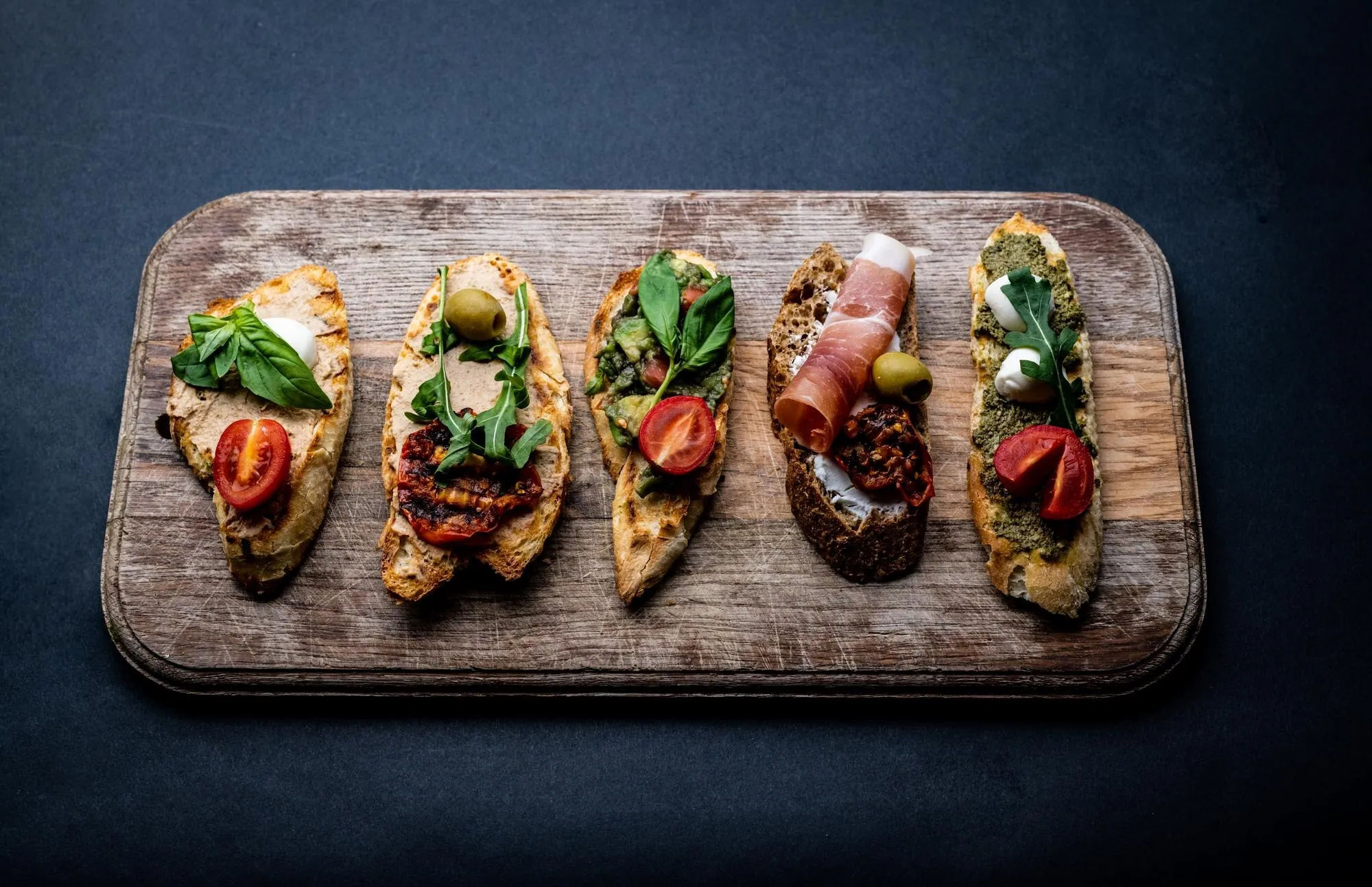
6. Tomato, mushroom or bean crostini
Toast sliced bread ahead, but add wet toppings close to serving so it stays crisp. Tomato and basil bring freshness; mushrooms add a deeper savory note; crushed white beans make a filling vegetarian option. One platter can hold two toppings if they are visibly separated and have their own serving utensils.
7. Roasted mushrooms or marinated vegetables
For a warm vegetarian bite, roast mushrooms, peppers, zucchini or cauliflower until browned, then serve with toothpicks or small plates. They are easier to time than fried appetizers and taste good warm or at room temperature within safe serving limits. A lemony herb dressing can brighten vegetables prepared earlier.
8. Mini meatballs, sliced sausage or a meat-free alternative
When snacks replace dinner, add one compact, filling item. Mini meatballs, sliced cooked sausage or baked plant-based bites are easy to portion. Pick one rather than all three. Keep the dish warm until serving, offer toothpicks, and provide a clearly separated vegetarian option if needed.
9. Smoked fish, bean spread or herbed eggs on toast
Small toast rounds can become a more substantial appetizer with smoked fish, mashed white beans or chopped herbed eggs. Choose one topping based on your guests rather than making every version. Keep fish and egg toppings chilled until the table is ready, and refill a small platter instead of leaving the full batch out.
10. Dark chocolate, dried fruit and walnuts
Finish with one or two small pieces of chocolate, a little dried fruit and, if appropriate, walnuts. This is a pause at the end, not a second dessert buffet. If nuts are excluded, use pumpkin seeds or serve chocolate and fruit on their own. Sweeter wine generally feels easier beside sweet food than a very dry bottle, but guests may prefer coffee, tea or a nonalcoholic drink here.

Use these simple wine-pairing shortcuts
Sparkling wine: salty, crisp and fried or creamy bites
Bubbles and a chilled serving temperature can feel refreshing with popcorn, potato bites, creamy cheese or crostini. Keep at least one plain snack on the table so guests can reset between stronger flavors. A sparkling nonalcoholic wine, grape drink or mineral water can share the same foods.
Crisp whites and rosé: fresh, herby and briny snacks
Try tomato crostini, goat cheese, hummus, olives, cucumber or lightly smoked fish. These are flexible starting points rather than guarantees. Very hot chili can dominate a delicate drink, so place chili oil or spicy garnish on the side.
Rounder whites and light reds: mushrooms, mild cheese and savory pastry
Roasted mushrooms, brie, bean crostini and simple savory pastries have enough depth without requiring a heavy meal. Lightly chill a red if that is how you enjoy it, but follow the producer's guidance and your preference instead of a rigid temperature chart.
Fuller reds: substantial, savory bites
Meatballs, aged cheese, roasted peppers and mushroom toast can stand beside a fuller bottle. Avoid making every item intensely salty, smoky and spicy; include bread, fruit or a mild dip for balance. Water should remain easy to reach throughout the evening.
Three complete wine-night snack menus
No-cook board for four
Serve one soft cheese, one firm cheese, crackers, grapes or pear, olives, cornichons, nuts or roasted chickpeas, and dark chocolate. Put only part of the cheese and fruit out at first and keep the rest chilled. This menu is easy to make vegetarian; check crackers, cheese and chocolate for allergens.
Warm and casual table for six
Prepare tomato crostini, roasted mushrooms, a bowl of olives, mini meatballs or baked plant-based bites, sliced fruit and chocolate. Toast the bread and cook the warm items earlier, then reheat and assemble shortly before guests arrive. Add sparkling water and a clearly marked nonalcoholic choice.
Budget-friendly pantry spread
Make stovetop popcorn, white-bean dip, carrot and cucumber sticks, toasted bread, one familiar cheese, sliced apples and a few chocolate squares. Most of the menu comes from inexpensive staples and only one item needs last-minute work. If more food is needed, add a tray of roasted potatoes rather than another specialty product.
Shop, prep and serve without waste
Buy by role and keep one unopened backup
Write the list under headings: crunch, creamy, fresh or briny, filling, sweet and drinks. This exposes duplication before you shop. Keep a shelf-stable backup such as crackers, popcorn kernels or an unopened dip ingredient; use it only if the table runs low, so surplus can return to the pantry.
Prep components, then assemble close to serving
The day before, mix dip, wash produce, cook meatballs and make pickles or roasted vegetables. A few hours before, portion dry snacks, slice firm cheese and set out boards and utensils. In the last thirty minutes, cut fruit, top crostini, reheat warm food and place the first small batch of chilled items.
Label allergens and watch the two-hour clock
Ask about dietary needs before shopping. The FDA identifies nine major allergens in the US: milk, eggs, fish, crustacean shellfish, tree nuts, peanuts, wheat, soy and sesame. Keep labels or ingredient notes available, use separate utensils, and do not promise that a home kitchen is free from cross-contact when it is not.
FoodSafety.gov advises that perishable food should not sit at room temperature for more than two hours, or more than one hour above 90°F/32°C, unless hot food is kept hot and cold food cold. Serve cheese, dips, cut fruit, fish, eggs and cooked bites in small batches; note when the first batch went out, then refrigerate within the limit or discard it. See the official food-safety guidance and FDA food-allergy guidance for details.
Save a repeatable wine-night plan in Dishday
Once a combination works, save the dip, crostini and warm bite as recipes, then place them on the day of the gathering in the Dishday meal planner. Add the cheeses, produce, crackers and drinks to the grocery list, including a nonalcoholic option. For a larger gathering, adapt the broader party food ideas; for a reusable planning view, copy the weekly meal planner template.
Dishday helps organize the plan, but it cannot verify allergies, alcohol suitability, food temperature or safe storage. The host still needs to check labels, communicate with guests and follow local guidance.
Frequently asked questions
What are the easiest snacks to serve with wine?
Use one salty crunch, one creamy item, one fresh or briny item and one filling bite. Popcorn, hummus with vegetables, olives and tomato crostini form a complete low-effort spread. Add fruit or chocolate if the evening needs a finish.
How many snacks should I make per person?
As a practical starting estimate, plan four to six small bites before a meal or eight to twelve when snacks replace dinner. Increase the filling items for a long evening and reduce the count when individual portions are large. Keep an unopened backup instead of placing everything out immediately.
What can I serve with wine besides cheese?
Try olives, pickled vegetables, popcorn, hummus, roasted mushrooms, tomato or bean crostini, mini meatballs, fruit and dark chocolate. Choose a mix of textures and include at least one substantial option if guests arrive at dinner time.
Can I make a wine-night menu vegetarian?
Yes. Combine cheese or a dairy-free spread, hummus, olives, fruit, roasted vegetables, bean crostini, nuts or chickpeas and chocolate. Check ingredient labels for each guest's needs and keep vegetarian food separate from meat and fish utensils.
Which snacks can I prepare the day before?
Dips, pickled vegetables, roasted mushrooms, cooked meatballs and toasted crostini bases can usually be prepared ahead when cooled and stored correctly. Add wet crostini toppings, cut fruit and set out chilled perishables shortly before serving. Follow recipe-specific and local food-safety instructions.
Put the menu into action
Choose four roles, circle one optional warm bite and write a short list before shopping. Serve the first batch small, keep water and a nonalcoholic option visible, and save the successful combination for next time. To keep the recipes, event plan and groceries together, download Dishday on the App Store.