
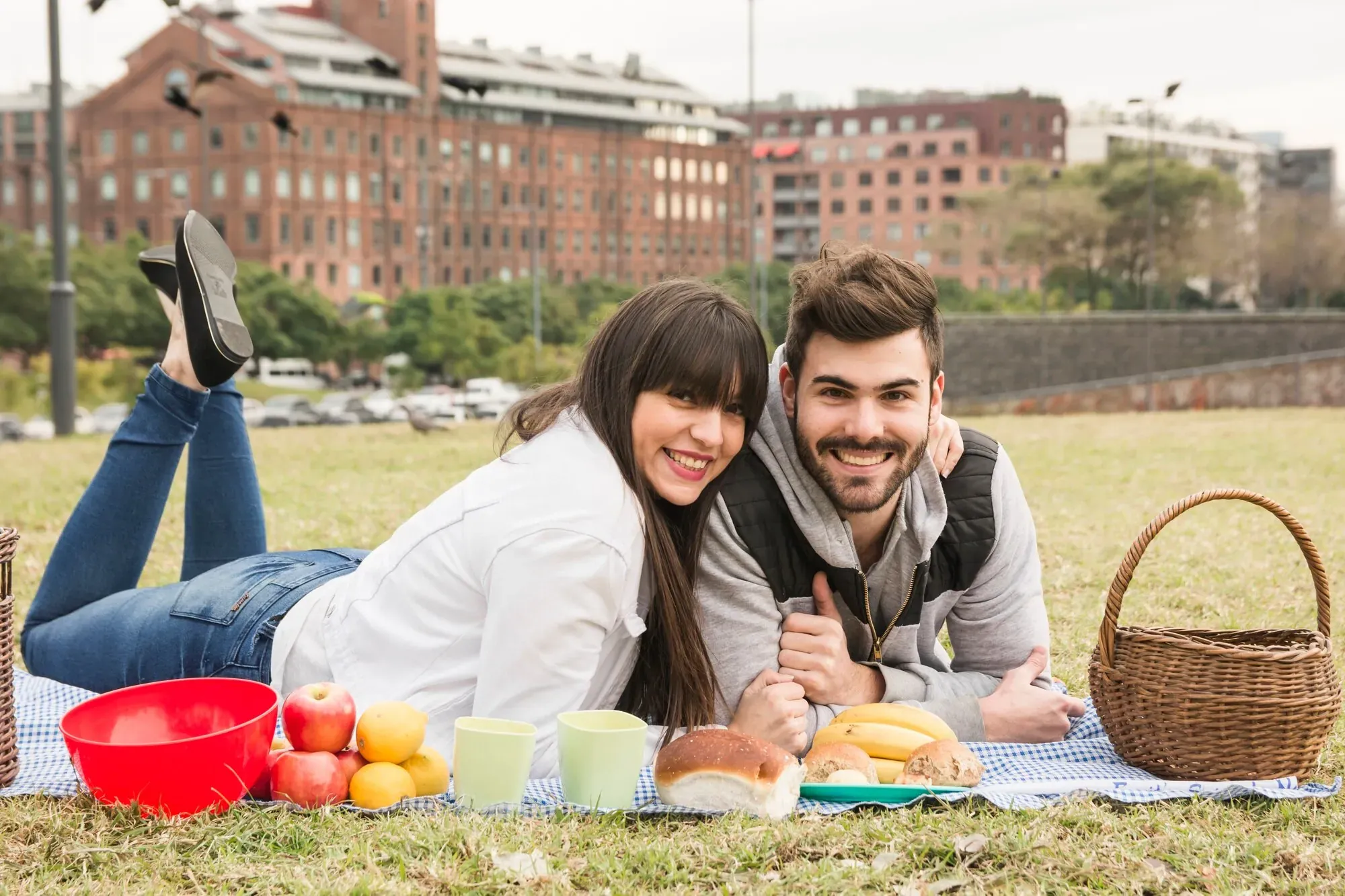
The easiest picnic lunch is a complete cold meal built from one sturdy main, two contrasting sides, one fresh item, water and a small treat. Choose food that tastes good without reheating, portion it before leaving, keep perishables properly chilled and bring only containers you can close again for the trip home.
A good picnic is not a cheese board moved onto a blanket or a bag of road snacks. It is a real lunch that can survive transport, limited table space, sunshine and a little wind. The useful plan covers four moments: packing, cold storage, serving and cleanup.
Choose a picnic lunch for the outing you actually have
For a short park picnic
If the park is close and lunch will be served soon after arrival, build one compact menu around sandwiches, wraps, a grain salad or another familiar cold main. Add firm fruit and a dry side such as crackers, pretzels or roasted chickpeas. Portion dips and dressings in screw-top cups so one leak cannot soak the whole basket.
Keep the plan smaller than the appetite you imagine outdoors. One main plus two sides per person is easier to carry, serve and finish than six open platters. A sealed backup snack can cover a delay without becoming part of the first spread.
For a long, hot or remote picnic
When the journey is longer, shade is uncertain or the forecast is hot, let cold storage decide the menu. Use a reliable cooler, enough ice or frozen gel packs, and food that can stay sealed until its turn. If you cannot keep a perishable dish safely cold, replace it with a shelf-stable option or plan to buy it near the picnic site.
Avoid delicate cream desserts, overfilled wraps and large bowls that everyone repeatedly opens. Individual portions reduce handling and let the rest of the food stay cold. Check the site for drinking water, bins, fire or glass restrictions, and whether you must carry all rubbish out.
Use a five-part formula instead of collecting random snacks
Start with a main that feels like lunch: a sandwich, wrap, pasta or grain salad, savoury muffin box, cold frittata or filled pita. Add one crisp side, one softer or more substantial side, something fresh and a small finish. Water is separate from the formula because everyone needs it.
For four adults, that might mean four wraps, a container of cucumber and peppers, a bean salad, four apples and a box of oat bites. For children, use familiar age-appropriate pieces and smaller portions, and check choking and allergy risks. Do not label a menu “healthy” simply because it contains fruit; satisfaction comes from enough food, useful contrast and a plan that fits the group.
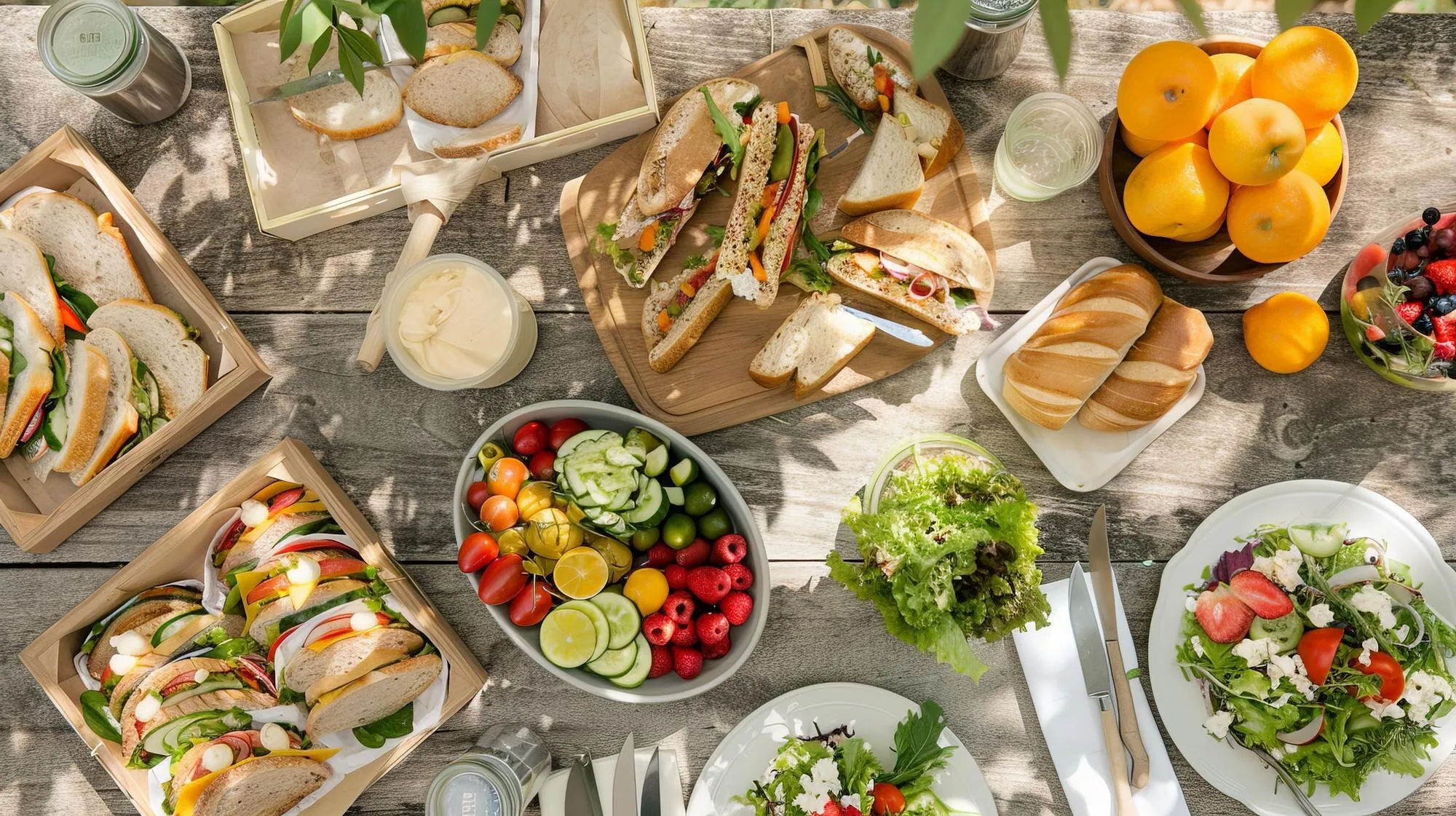
10 picnic lunch ideas that travel well
Hummus and roasted-vegetable wraps: drain the vegetables well, spread the hummus thinly and wrap each portion in paper before placing it in a sealed box.
Turkey and cheese sandwiches: use sturdy bread, put dry greens beside the bread and carry juicy tomato or pickles separately. Keep meat and cheese cold.
Chickpea pita pockets: pack a thick chickpea filling in one container and fill the pitas at the picnic so they stay firm.
Pesto pasta salad: use short pasta, roasted vegetables and only enough dressing to coat. Carry extra pesto separately and keep the salad chilled.
Lemony grain-and-bean salad: combine a firm grain, beans, herbs and chopped vegetables. It serves neatly from one bowl and can be made vegetarian.
Mini frittata lunch box: pair fully cooked egg portions with bread, cherry tomatoes and fruit. Chill promptly and transport cold.
Cheese, crackers and pear box: choose firm cheese, crisp crackers, sliced pear or grapes and roasted seeds. Pack crackers outside the cooler if condensation makes them soft.
Savoury muffin and crunchy sides: add snap peas, radishes or carrot sticks and a sealed dip. This works well when sandwiches feel repetitive.
Sunflower-seed butter and fruit sandwiches: use an appropriate nut-free spread when needed and keep banana or berries separate until serving. Verify every ingredient for the group’s allergies.
Thermos soup with bread: for a cool-weather picnic, preheat a food thermos and fill it with thoroughly heated thick soup, following the manufacturer’s temperature and time instructions.
These are formulas, not rules. Swap beans for chicken, a wrap for bread, pear for apple or roasted seeds for nuts while preserving the same role. The best picnic food is food your group will eat and your storage setup can protect.
Build one of three complete picnic menus
The classic family lunch
Pack turkey-and-cheese sandwiches, cucumber spears, apples, pretzels and oat bites. Put each sandwich in its own wrap, carry mustard in a small cup and keep the sandwiches cold. This menu has familiar flavours and very little assembly at the blanket.
The vegetarian picnic
Choose hummus and roasted-vegetable wraps, lemony grain-and-bean salad, grapes, roasted chickpeas and dark-chocolate squares. Keep the wraps and salad chilled, and bring one spoon for serving. The grain salad is the substantial second side, not another loose snack.
The no-sandwich picnic
Use mini frittatas, pesto pasta salad, peppers with dip, firm pears and savoury muffins. Portion the salad and dip before leaving. This menu needs dependable cold storage, so it is a poor choice if the cooler is small or the walk is long in hot weather.
Pack the cooler in a safe order
Chill first, then pack
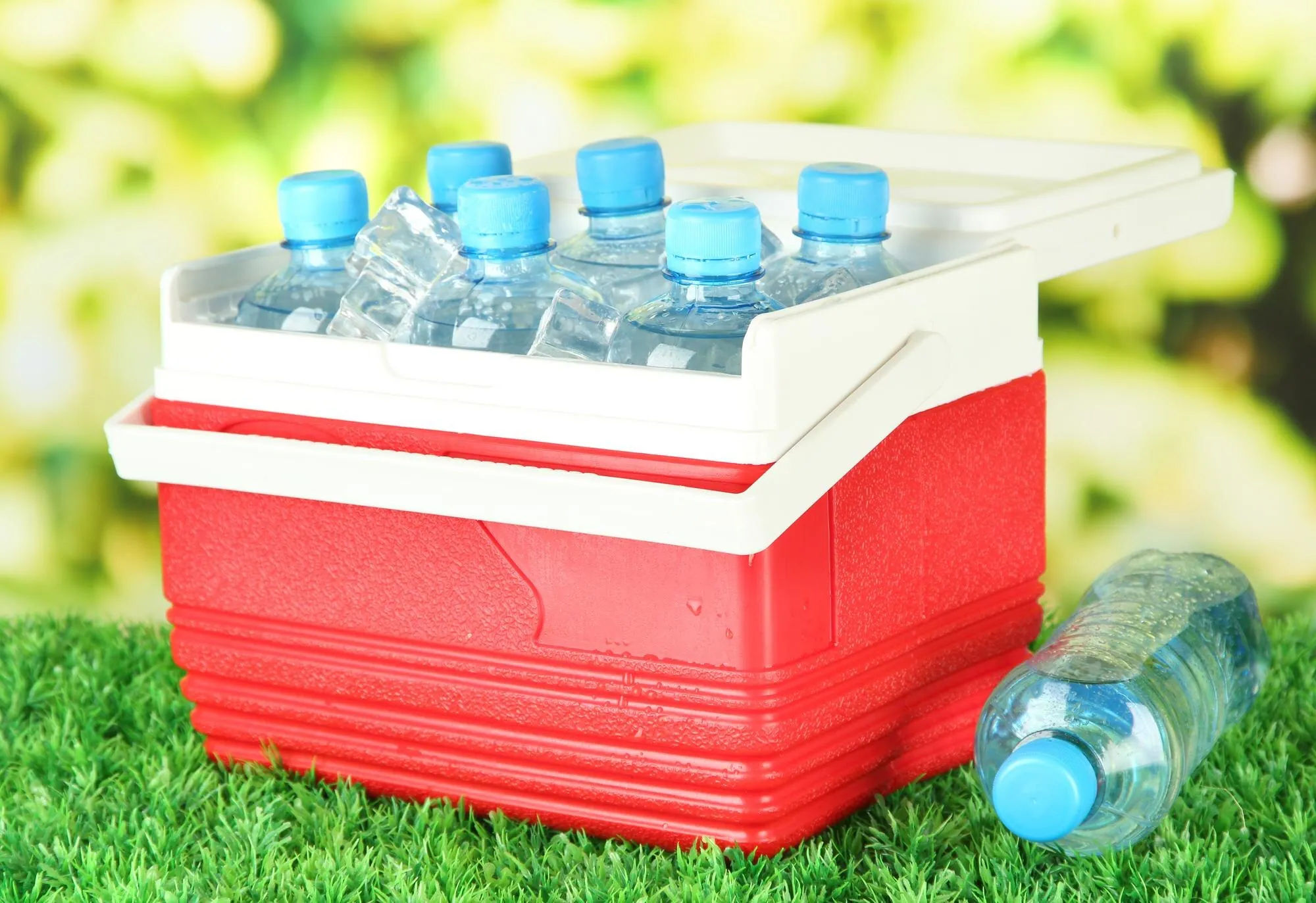
Refrigerate prepared food before it enters the cooler; a cooler is meant to maintain cold food, not quickly chill a warm pasta salad. Freeze gel packs or water bottles in advance, dry the outside of containers and test every lid over the sink. Use a cooler thermometer when you need to know whether food remains at 40°F/4°C or below.
Put later food at the bottom and the first dish to be served near the top. Keep ready-to-eat food protected from any raw meat or seafood you plan to grill. Better still, place raw items in a separate cooler so juices cannot reach lunch food.
Keep drinks and lunch separate when possible
A drink cooler is opened repeatedly. A food cooler should stay closed, shaded and covered until serving. The FDA recommends carrying cold food with ice or frozen gel packs, keeping it at 40°F/4°C or below, and limiting how often the cooler is opened. Read the current FDA outdoor food-safety guidance before relying on any general checklist.
Perishable food should not remain in the temperature danger zone for more than two hours, or more than one hour when the outdoor temperature is above 90°F/32°C. Count travel, setup and table time together. When storage history is uncertain, discard the food rather than judging it by smell or appearance.
Serve the meal in rounds, not all at once
Open the foods that should be eaten first
Start with the chilled main and fresh sides. Bring out only the amount the group is likely to eat, then close the food cooler. Keep dry snacks and the treat sealed until later. This creates a natural order and stops every item from warming in the sun at the same time.
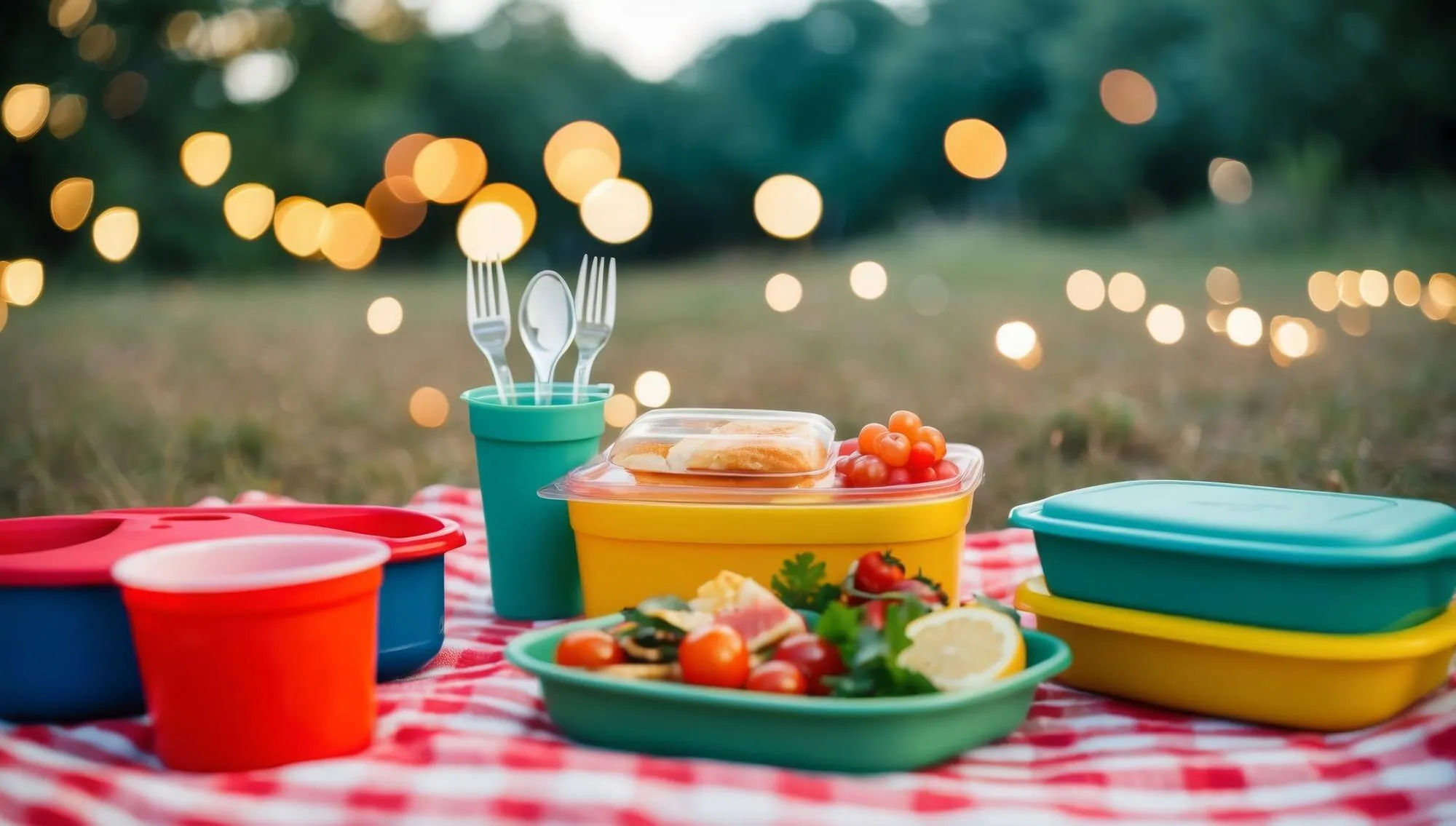
Use a washable cloth or board as the clean serving surface, not the ground. Give each shared dish its own utensil. Place napkins under a light container or inside a holder so wind cannot scatter them, and pour drinks away from open food.
Make allergies visible
Pack allergen-safe food in its own clearly identified container and bring a separate utensil. Do not promise that simple separation makes a meal safe for a severe allergy; ingredients, preparation surfaces and individual medical advice still matter. Ask guests before planning, not when everything is already open.
Use a two-stage picnic checklist
In the kitchen
Choose the menu, confirm allergies, check the forecast and site rules, chill cooked dishes promptly and freeze the cold sources. Wash produce under running water, dry it, portion every dish and label containers that look alike. Put the serving utensils beside the correct boxes.
If you need more packable combinations, use the cold lunch ideas guide. For car-specific snacks, driver access and rest-stop planning, keep road trip snacks as a separate plan.
In the basket and cooler
Bring water, cups, napkins, a blanket or washable surface, utensils, a small first-aid kit, sun protection and a rubbish bag. Pack soap and water when the site has no handwashing point; moist disposable towelettes can help with hand cleaning, but they do not make contaminated food safe.
Count containers before leaving home. The same count tells you whether everything returned. Avoid glass where the site prohibits it, and do not bring a knife if cutting the food at home solves the problem.
Close the picnic without wasting the next meal
As soon as the group finishes, reseal untouched food and return it to safe cold storage. Discard perishables that exceeded the safe time or temperature limits. Do not put a warm, repeatedly handled salad back into tomorrow’s lunch simply because it looks fine.
Collect every lid, cup and utensil before folding the blanket. Keep food waste separate from reusable containers, seal rubbish until you reach the correct bin and leave the site as you found it. At home, wash the cooler and allow it to dry completely before storing it.
Plan a reusable picnic menu in Dishday
Save the main and the two sides you would happily repeat, place the picnic lunch in the meal planner, then move only the missing ingredients into the grocery list. A reusable “short park picnic” set and a separate “hot-day picnic” set make the next outing easier without turning the article into an app requirement.
Dishday can organize recipes, meal timing and shopping. It cannot measure the cooler temperature, verify an allergen, interpret site rules or decide whether food with an uncertain storage history is safe. Those checks stay with the person packing and serving the meal.
Frequently asked questions
What food is best for a picnic lunch?
A sturdy sandwich, wrap, grain salad or filled pita makes a practical main. Add firm fruit, crunchy vegetables or crackers, one more substantial side, water and a small treat. Match every perishable item to reliable cold storage.
What picnic food does not need refrigeration?
Unopened shelf-stable foods, whole firm fruit, plain bread, crackers, dried fruit and some roasted seeds may be suitable, depending on their labels. Meat, eggs, dairy, cooked grains, cut produce and many prepared dishes usually require temperature control.
How do I keep sandwiches from getting soggy?
Cool fillings before assembly, dry vegetables well, use sturdy bread and place lettuce or cheese next to the bread as a barrier. Pack tomatoes, pickles and wet dressing separately when they release a lot of moisture.
How much food should I pack per person?
Start with one main, two small sides, one fresh item and a modest treat per person. Adjust for age, appetite, activity and outing length. A sealed reserve is more useful than putting every extra portion on the blanket at once.
Can I bring mayonnaise to a picnic?
Check the product label and the whole dish, not mayonnaise alone. Sandwiches and salads containing meat, eggs, dairy, cooked grains or cut produce may require refrigeration. Keep them at 40°F/4°C or below and follow current local food-safety advice.
Pack the next picnic with less guesswork
Choose one complete menu, chill it before packing, protect it with enough cold sources and serve in a deliberate order. Save the combination for next time and download Dishday on the App Store when you want to turn it into a reusable plan and shopping list.