
The most reliable school lunch for a picky eater is usually one familiar filling food, one easy fruit or vegetable, and one small “learning” food packed separately. The goal is not to make a child finish a perfect lunch. It is to send enough food they can recognize, open, and eat in the time they have, while keeping one calm opportunity to see something new.
Picky eating can be ordinary preference, a response to busy school days, or something that needs individual support. This guide is for everyday packing, not medical nutrition advice. If eating is painful, a child is losing weight, has a diagnosed allergy, or avoids whole food groups, ask a pediatric clinician or dietitian for personal guidance.
Start with predictable food, not a negotiation
Put a safe food in every lunch
A safe food is something your child regularly eats, not something they ate once at a party. It might be plain pasta, a familiar sandwich, crackers with cheese, yogurt, rice, or a leftover they genuinely like. Pack a portion that can carry the lunch by itself. A familiar food is not a reward for trying another food; it is the dependable part that lowers pressure when the cafeteria is noisy or rushed.
Keep parts separate when texture matters
Many children who dislike a mixed dish will eat the same ingredients in separate sections. Use a container with compartments or small reusable cups: bread beside turkey, cucumber beside dip, berries beside yogurt. Avoid pouring sauce over food that needs to stay crisp. Separation is a practical accommodation, not a failure to make a “real” meal.
Use a simple three-part lunch formula
Choose one filling base
Start with the food most likely to be eaten: half a sandwich, pasta with a familiar sauce, a bean-and-cheese quesadilla, rice with egg, or crackers with cheese and a protein your child accepts. Choose a portion that fits the lunch period. A large packed lunch that returns untouched can make both adults and children feel as though they failed; a smaller lunch with a reliable backup is often more useful.
Add one produce option your child recognizes
Offer a fruit or vegetable that has worked before: apple slices, grapes cut appropriately for the child, berries, banana, cucumber, peas, or roasted sweet potato. Wash and prepare it in the way your child tolerates. Some prefer peeled cucumber, cold peas, or fruit in its own dry compartment. Repetition is allowed. Variety matters over time, not in every single lunchbox.
Include one tiny learning food without making it the test
A learning food is a pea-sized taste, one new-shaped cracker, a few chickpeas, or a small piece of a food the family is serving at dinner. Say nothing dramatic about it. The child can look at it, touch it, or leave it. Keep the familiar foods present so the lunch is never an experiment with nothing dependable to eat.
Build five repeatable combinations
Sandwich or wrap day
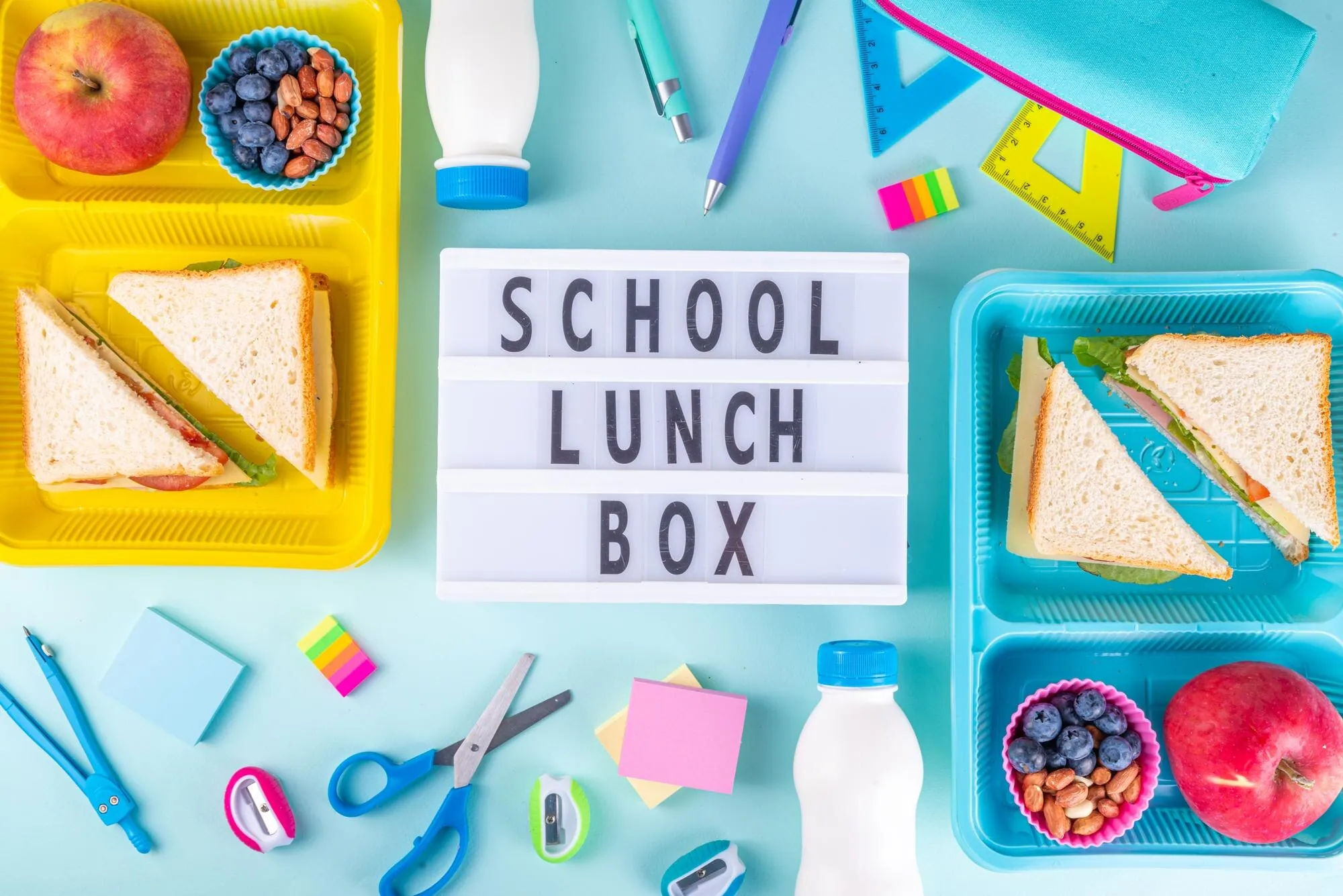
Use a familiar filling in bread, a wrap, or deconstructed pieces. Add fruit, a crunchy side, and a tiny separate learning item. If a child dislikes a whole sandwich, send bread squares, cheese, and turkey or hummus in separate compartments. The same ingredients can feel more manageable when the child chooses the order.
Pasta or rice day
Cold pasta with a preferred sauce, plain rice with egg, or a small thermos of a warm accepted leftover can work well. Add a fruit or vegetable and something crisp. Pack hot food only in a pre-warmed food jar and follow its instructions; cold foods should stay cold with an ice pack. Do not rely on a child to judge whether food has been sitting safely.
Snack-plate day
Make a small plate from accepted parts: cheese, crackers or pita, fruit, vegetables with dip, and a protein such as egg, beans, chicken, or seeds if appropriate. This is not less nutritious because it is not a conventional entrée. It can be a useful format for a child who eats small amounts or prefers control over what touches what.
Breakfast-for-lunch day
Try yogurt with fruit and oats, a familiar muffin plus cheese and berries, or a small egg bite with toast. Check the school’s allergy rules first. Keep sweet foods paired with something filling so a quick item does not become the only option.
Leftover day
Only pack leftovers your child has already accepted at home. A small portion of rice, pasta, soup in a thermos, or roasted potatoes can feel reassuring because the taste is known. Label the container or show your child how to open it before school; an unfamiliar lid can be enough to stop a child from eating lunch.
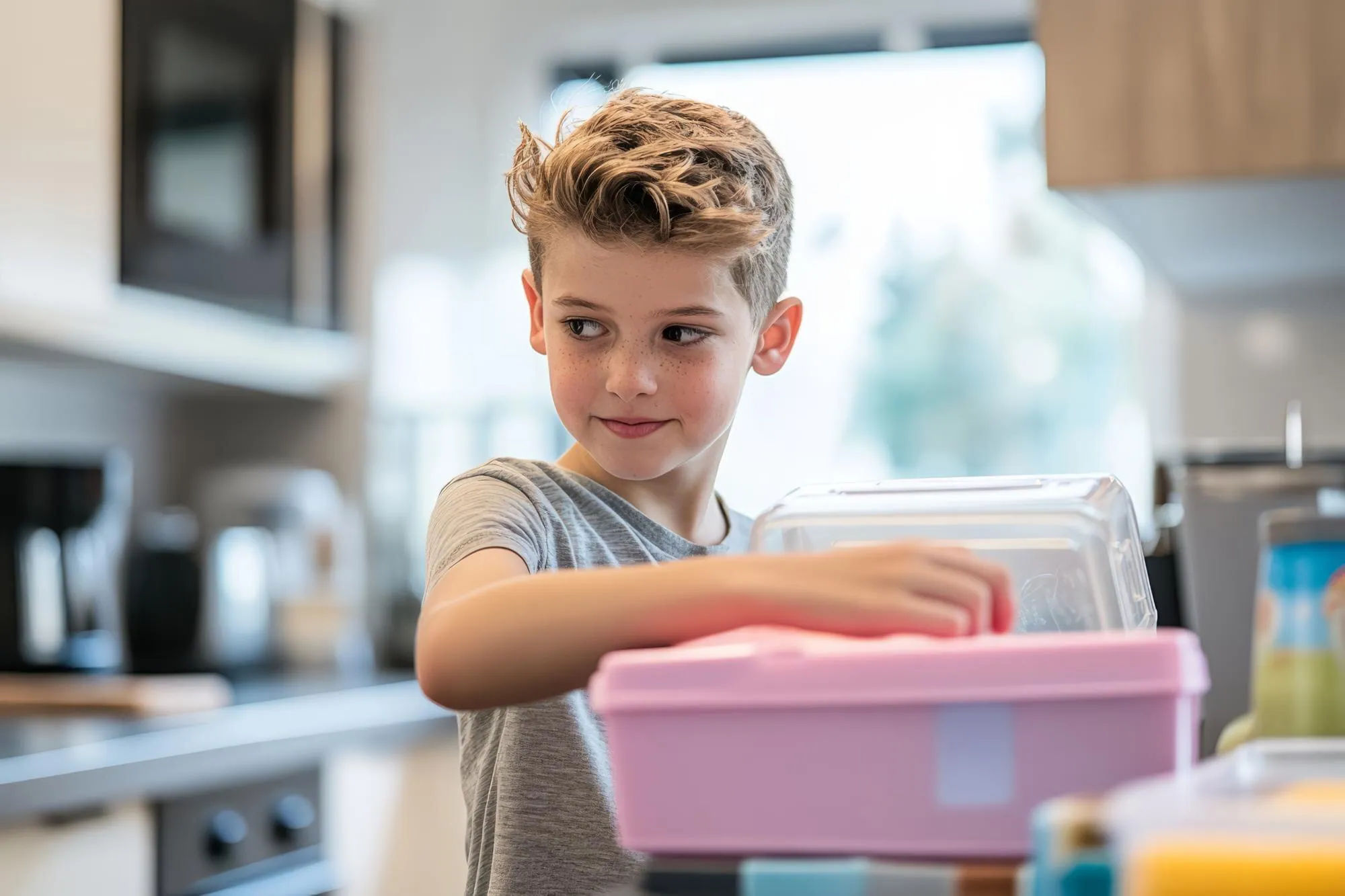
Pack for the school day, not the kitchen table
Practice the container at home
Open every lid, thermos, pouch, and utensil with your child once before using it at school. Cut food into manageable pieces and pack only utensils they can handle. A lunch that looks ideal to an adult but cannot be opened in a short lunch period is not a usable plan. If possible, ask the school how much eating time children actually get.
Use cold packs and follow school allergy rules
Perishable lunch foods such as dairy, cooked meat, eggs, cut produce, and leftovers need cold storage. The USDA advises keeping perishable food out of the temperature danger zone; use an insulated bag with cold sources and discard food that has been held too warm too long. Read the school’s rules about peanuts, tree nuts, sharing food, and reheating before packing. For allergy guidance, consult the FDA’s food-allergy information and the school directly.
Let feedback guide the next lunch
Ask one neutral question after school
Instead of asking “Why didn’t you eat it?”, try “What was easiest to eat today?” or “Was anything hard to open?” The answer may be about time, noise, a warm lunch, an unwanted texture, or a new seating arrangement—not the food itself. Notice patterns over several days before changing everything.
Change one detail at a time
Keep the safe food stable and change just one thing: a new dip, a different fruit shape, or a tiny learning food. When three things change at once, it is impossible to know what worked. A reliable rotation also reduces the Sunday-night burden of inventing lunches from scratch.
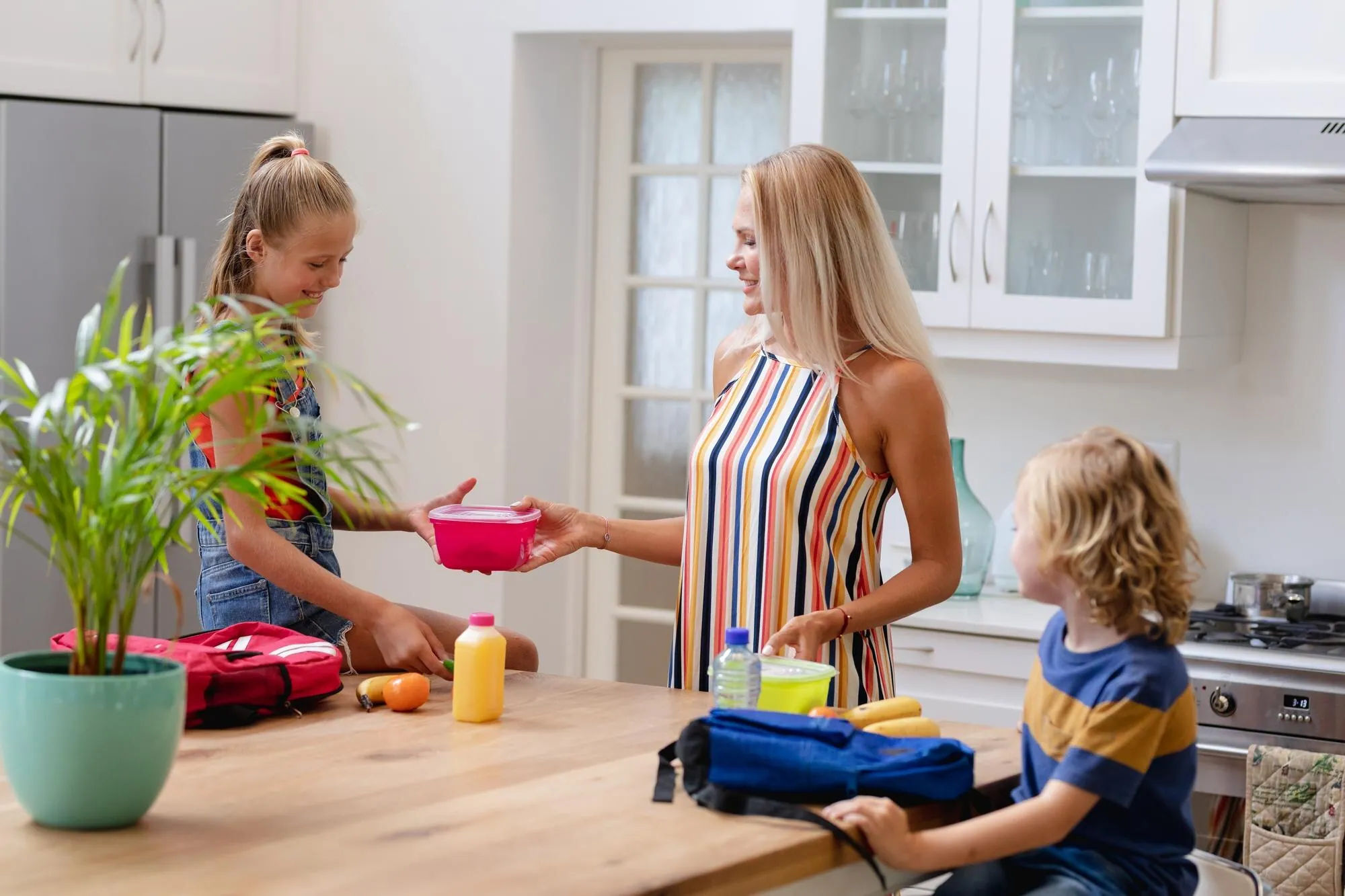
Save a calm school-lunch rotation in Dishday
When a combination comes home mostly eaten, save it as a repeatable recipe or note, place it on school days in the Dishday meal planner, and add its ingredients to one grocery list. The broader lunch ideas for kids guide is useful for general variety; this page is specifically for low-pressure picky-eater packing.
Dishday can organize ideas and shopping, but it cannot assess allergies, diagnose feeding difficulties, or decide whether food stayed at a safe temperature. Those checks remain with the family and school.
Frequently asked questions
What should I pack if my child only eats a few foods?
Pack an adequate portion of accepted foods first, then add a tiny separate learning food only if it does not replace the reliable part. Work with a clinician if the limited range affects growth, health, or daily life.
Should I hide vegetables in food for a picky eater?
You may cook family food in any way you enjoy, but hiding a food does not give a child a chance to learn its taste or texture. For lunch, a familiar visible produce option and low pressure are usually simpler.
How much new food should go in a lunchbox?
Start very small: one piece, one spoonful, or a separate sample. The new food should not be the only filling item, and it is fine if it returns home untouched.
What if lunch comes home untouched?
Check practical issues first: opening containers, lunch time, temperature, appetite, noise, and whether the food was familiar. Then adjust one detail instead of replacing every part of the lunch.
Can a snack plate count as lunch?
Yes. A combination of a filling accepted food, produce, and a protein or dairy alternative can be a practical lunch when it suits the child and school rules.
Make tomorrow easier
Choose one safe base, one familiar produce item, and one tiny low-pressure learning food. Save the combinations that work and download Dishday on the App Store when you want the week’s lunches and groceries in one place.