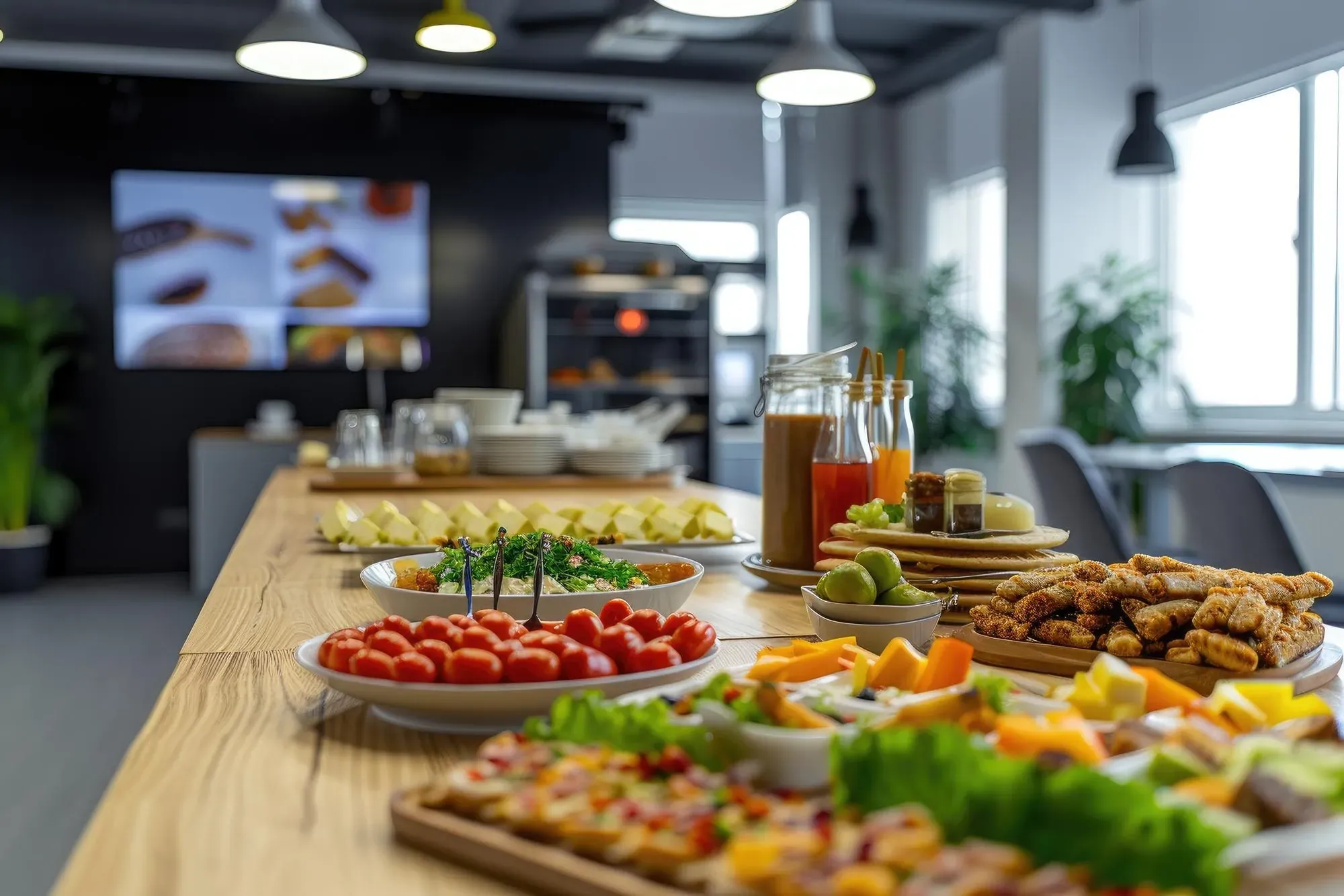

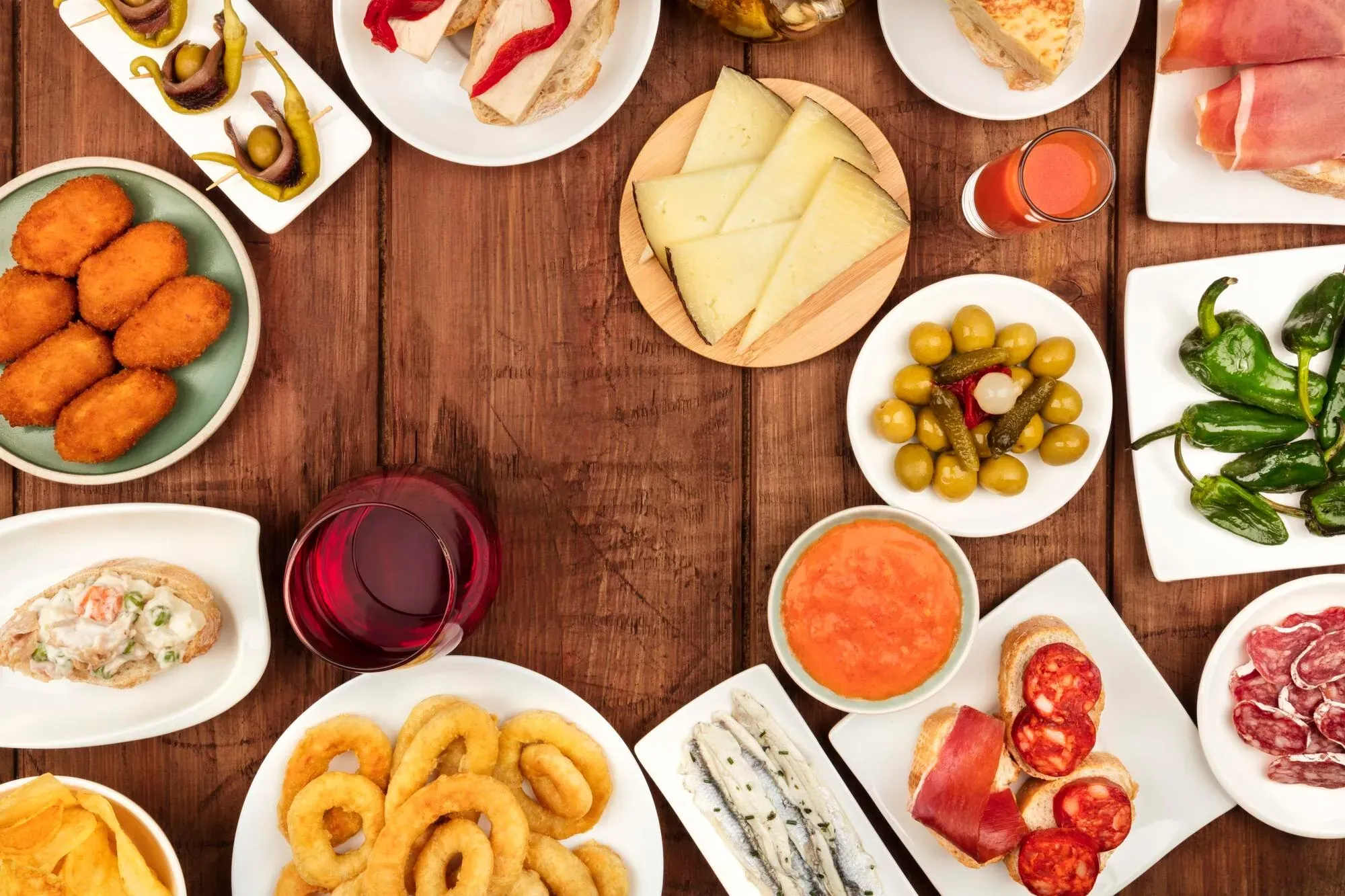
The easiest way to make tapas at home is to stop treating them as ten separate recipes. Choose one salty or briny plate, one vegetable plate, one warm starch, and one filling bite. Add bread, water, and one optional sweet finish. That is enough contrast for a relaxed dinner for two to four people without a crowded table or an all-day cooking project.
These tapas ideas are flexible formulas, not a claim that every plate is traditional in every part of Spain. Use the ingredients you enjoy, adjust for allergies and dietary needs, and decide whether the table is a light snack or dinner. A small, well-timed spread is usually more satisfying than too many bowls arriving at once.
Start with a four-part tapas plan
Choose contrast before choosing recipes
Pick foods that do different jobs. Olives or marinated vegetables bring salt and acidity; roasted peppers or tomato add freshness; potatoes or bread make the meal feel grounded; eggs, beans, cheese, fish, or a cooked protein make it more filling. If two plates are rich and salty, make the third bright and simple rather than adding another cured meat or fried item.
Decide whether tapas replace dinner
For a short aperitif, two or three small plates may be enough. For dinner, make four to six plates with at least one substantial option and bread or potatoes. Portion sizes depend on the people, time of day, and what else is served, so tell guests whether to expect snacks or a meal. Keep one shelf-stable backup, such as bread, nuts, or canned beans, instead of making everything in advance.
10 easy tapas ideas
1. Marinated olives and almonds
Warm olives briefly with orange peel, garlic, or rosemary, or simply serve good olives with roasted almonds. This plate is immediate, salty, and useful while the warmer dishes finish. Set out a small bowl for pits and choose seeds or crispy chickpeas when nuts are not suitable.
2. Pan con tomate
Toast bread, rub it with garlic if you like, then spoon over grated tomato, olive oil, and a pinch of salt. The point is ripe tomato and crisp bread, not a complicated topping. For a gluten-free table, offer a separate suitable crispbread and use a clean board and knife.
3. Patatas bravas with two sauces
Roast or air-fry potato cubes until crisp, then serve tomato sauce and garlicky mayonnaise or a dairy-free aioli-style sauce on the side. Keeping sauces separate lets guests control heat and makes the potatoes less soggy. This is the warm starch that can turn a snack table into dinner.
4. Garlicky mushrooms
Brown sliced mushrooms in a wide pan so they roast rather than steam. Finish with garlic, parsley, and a squeeze of lemon or sherry vinegar. Serve them warm with toothpicks or bread; they are substantial enough to be the main vegetarian plate.
5. Roasted peppers with anchovy or white beans
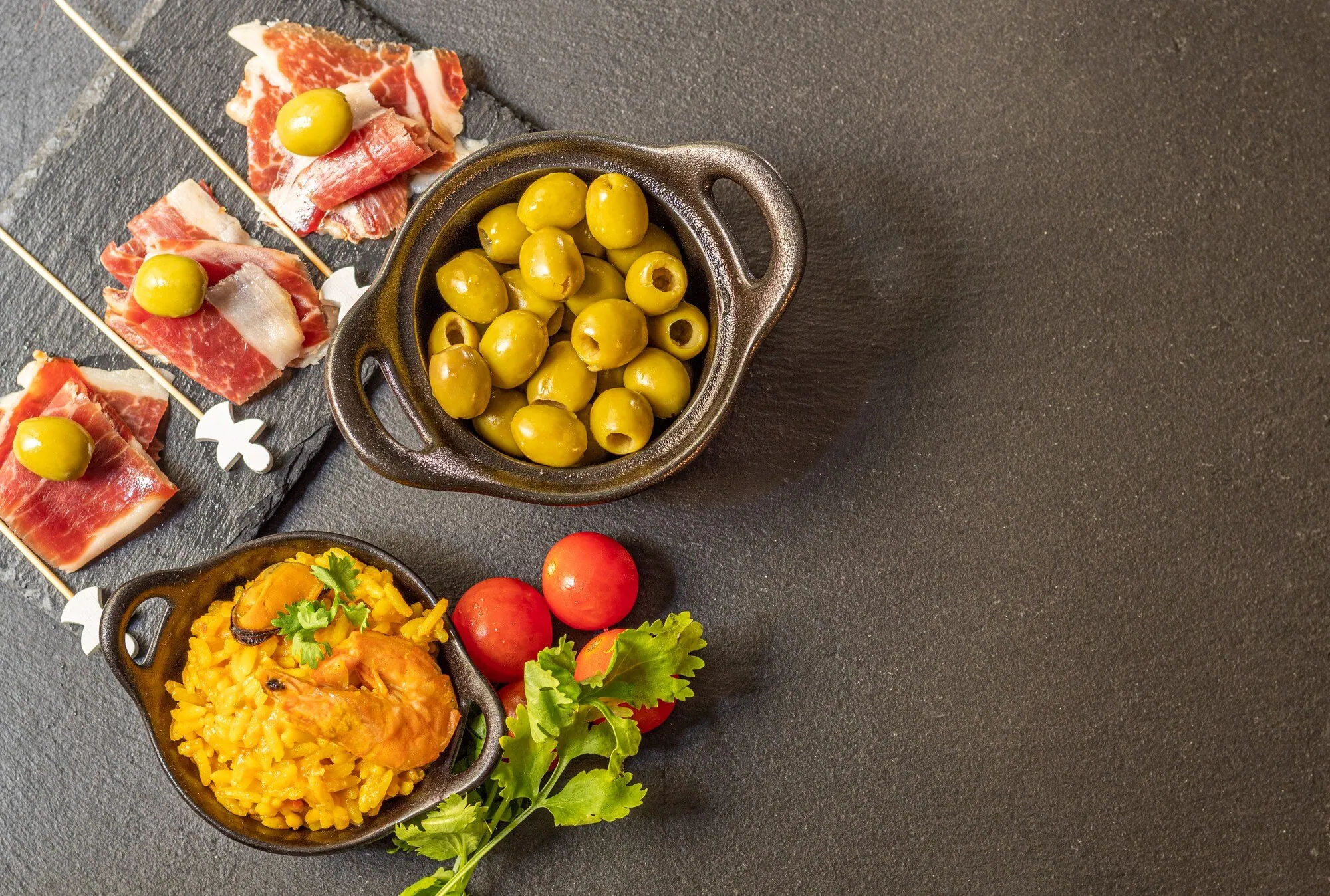
Use jarred roasted peppers to save time. Layer them with anchovy fillets for a salty fish option, or with lemony white beans for a vegetarian alternative. Make two small dishes rather than mixing them, so guests can choose easily.
6. Tortilla-style potato and egg wedges
A simple potato-and-egg tortilla can be served warm or at room temperature within safe holding limits. Cut it into small wedges and offer a spoon of tomato sauce alongside. If you need less work, cook thin potato slices in a nonstick skillet before adding the eggs rather than trying to make a tall, elaborate omelet.
7. Chilled shrimp or garlicky chickpeas
For a seafood table, quickly cook peeled shrimp with garlic and paprika, then serve a small batch hot. For a plant-based route, use chickpeas in the same flavor direction with olive oil, garlic, smoked paprika, and lemon. Keep seafood separate from vegetarian plates and use separate utensils.
8. Croquettes or crisp baked bites
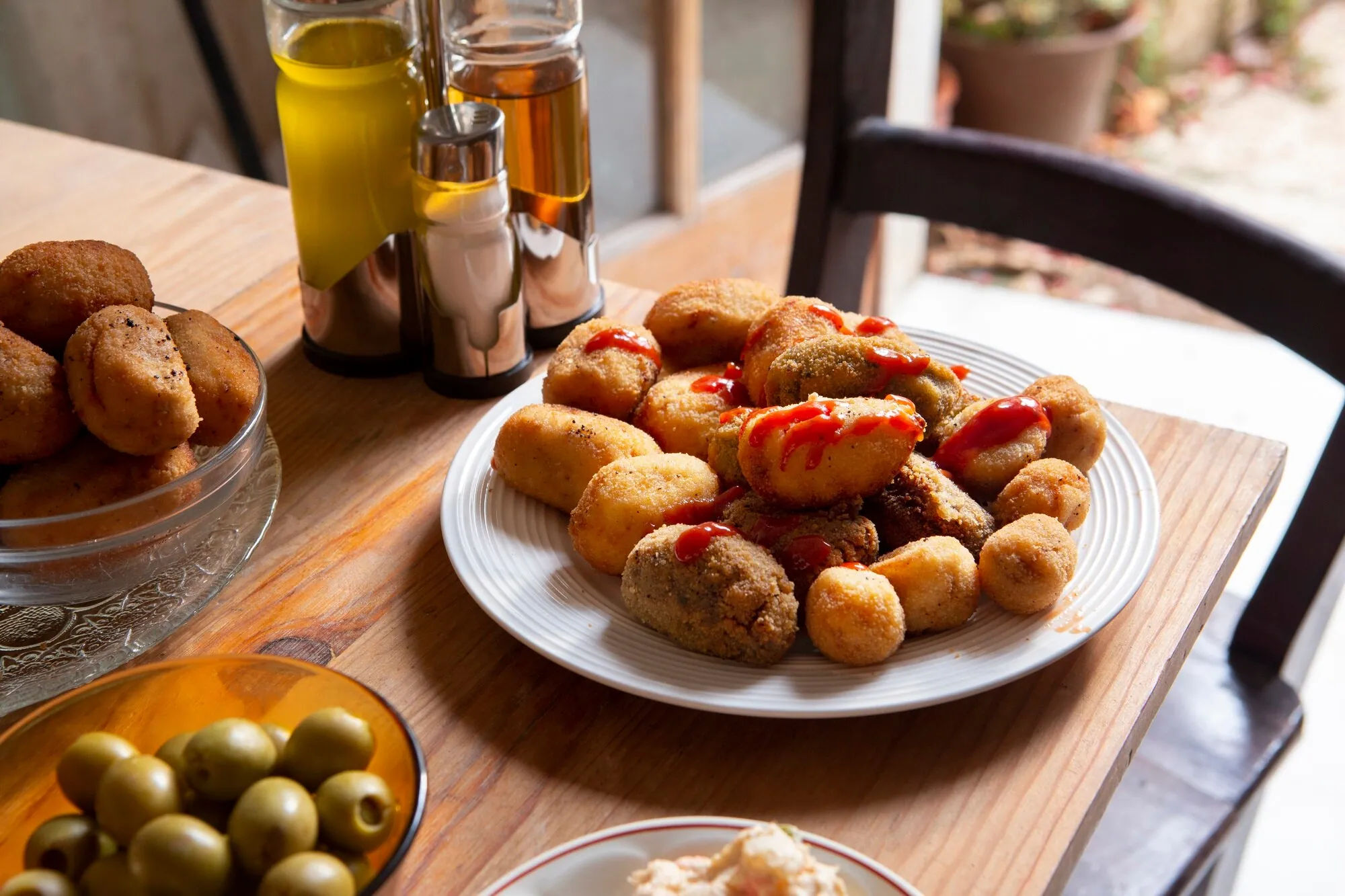
Croquettes are a festive warm plate, but they do not need to be homemade. Bake or air-fry a good prepared version, or make small baked cheese-and-potato bites. Serve them as one warm element, not alongside several other fried foods, so you can cook and serve them at their best.
9. Manchego or another firm cheese with fruit
One firm cheese, sliced apple or pear, and a little quince paste or jam gives the table a creamy-sweet break. It does not need to be a large cheese board. Label the cheese and use a dedicated knife, especially when guests have dairy or nut concerns.
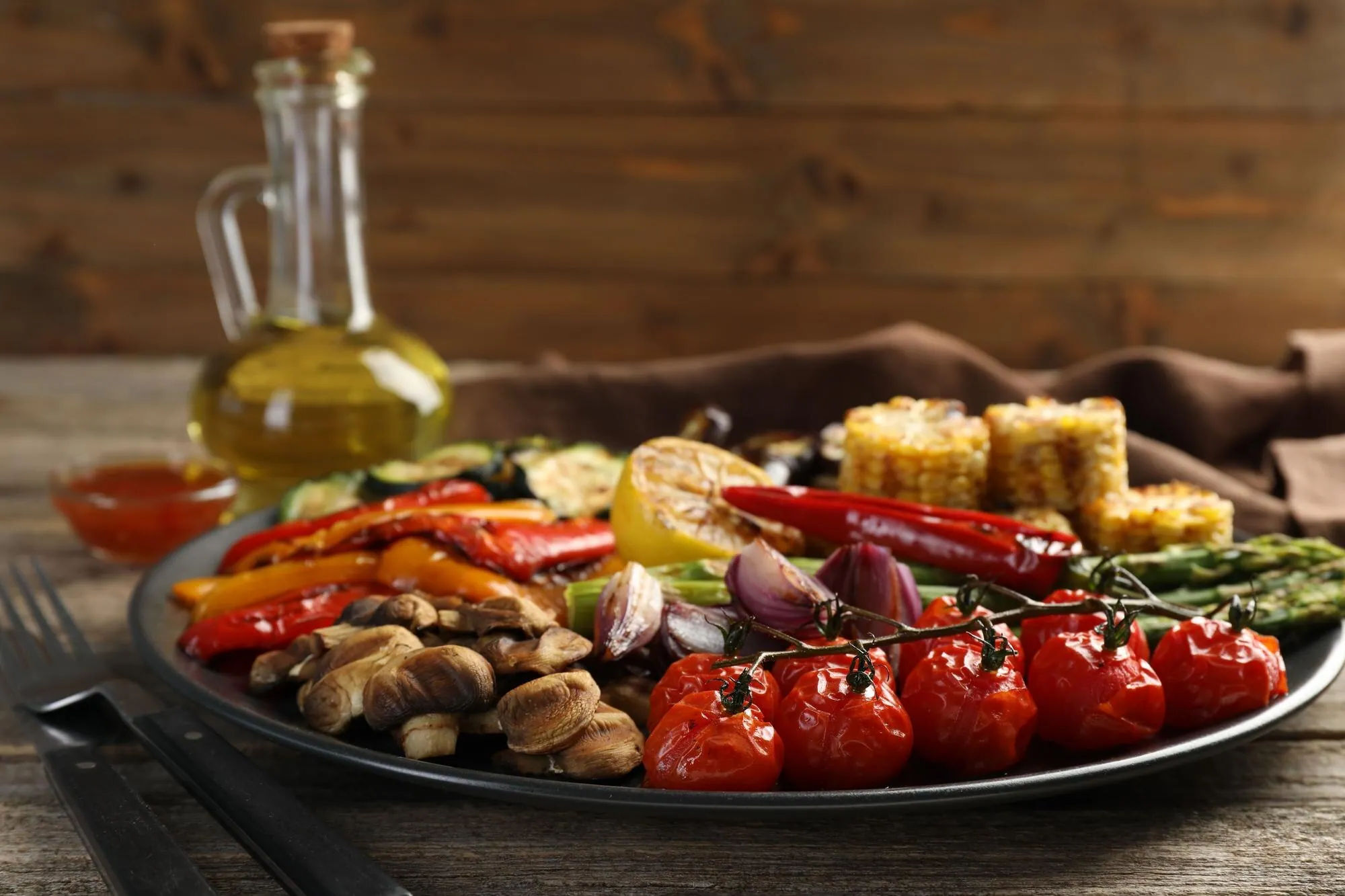
10. Grilled vegetables with lemon
Roast peppers, zucchini, mushrooms, or tomatoes until browned, then finish with olive oil, lemon, and herbs. The vegetables can be the quiet plate that balances cured meat, cheese, and fried bites. They also make leftovers useful the next day in a sandwich, grain bowl, or pasta.
Build one of these complete menus
A no-cook or mostly no-cook table
Serve olives and almonds, pan con tomate, roasted peppers with white beans, firm cheese with fruit, and bread. The only cooking is toasting bread. This works when you want people at the table quickly; keep the cheese and cut produce chilled until shortly before serving.
A warm vegetarian tapas dinner
Make patatas bravas, garlicky mushrooms, tortilla wedges, roasted peppers, and grilled vegetables. Start the potatoes first, cook vegetables while they roast, then make the tortilla last. It is a real dinner because potatoes, eggs, mushrooms, and bread bring enough substance.
A mixed table for guests
Choose olives, pan con tomate, croquettes, shrimp or chickpeas, cheese with fruit, and one vegetable plate. Put the vegetarian plate and its utensil at one end of the table, and avoid assuming a dish is safe because it looks plain. Ask before shopping, not after serving.
Prep in the order that protects the evening
Make the cold and shelf-stable pieces first
The day before, buy bread, olives, canned beans, potatoes, and any sauces. Wash vegetables, grate cheese if needed, and mix a sauce. A few hours before serving, set out plates, serving spoons, napkins, and a small discard bowl. Keep cut produce, eggs, fish, dairy, and cooked food chilled until it is time to make a small first batch.
Cook one hot thing at a time
Start potatoes or a tortilla, then mushrooms or croquettes. Put finished hot food on the table only when people are ready to eat; do not hold four hot dishes while waiting for the last one. Refill in modest amounts so the table stays neat and food is easier to keep at a safe temperature.
Make the table safer and easier to share
Label allergens instead of guessing
The FDA lists nine major food allergens in the US: milk, eggs, fish, crustacean shellfish, tree nuts, peanuts, wheat, soy, and sesame. Read labels, keep ingredient packaging available, and use separate utensils. A home kitchen cannot promise no cross-contact, so ask guests what they need and do not make assurances you cannot verify. Read the official FDA allergy guidance for details.
Treat time and temperature as part of the menu
Do not use taste as a safety test. FoodSafety.gov notes that refrigerated perishable food held at 40°F/4°C or above for more than two hours should be discarded; the limit is one hour above 90°F/32°C. For tapas, that means putting out small batches of egg, seafood, dairy, cooked potatoes, and cut vegetables, then returning or discarding them within the limit. See the official food-safety chart for food-specific guidance.
Save a tapas plan in Dishday
When a combination works, save the plates you want to repeat, place them on the day of the gathering in the Dishday meal planner, and build the ingredients into one grocery list. The published snacks with wine guide helps if drinks are the main question; use party food ideas for a larger menu.
Dishday can organize recipes, a weekly plan, and groceries, but it cannot check allergens, food temperatures, or safe storage. Those decisions still belong to the cook and host.
Frequently asked questions
What are the easiest tapas to make at home?
Olives, pan con tomate, roasted peppers, firm cheese with fruit, and garlicky mushrooms are low-effort choices. Add potatoes or tortilla wedges when the table needs to become dinner.
How many tapas should I serve per person?
For a light aperitif, two or three plates can be enough. For dinner, offer four to six plates with a warm starch and a filling ingredient. Appetite and portion size vary, so a simple backup is more useful than a fixed count.
Can I make a vegetarian tapas menu?
Yes. Combine potatoes, mushrooms, tortilla, white beans, roasted peppers, olives, cheese, fruit, and grilled vegetables. Check sauces and packaged foods for the needs of individual guests.
What tapas can I prepare ahead?
Olives, sauces, roasted peppers, cooked beans, and washed vegetables can be prepared ahead and chilled as appropriate. Toast bread, cook potatoes, reheat croquettes, and cut fruit closer to serving for better texture and safer timing.
What should I serve with tapas besides wine?
Water, sparkling water, tea, a nonalcoholic sparkling drink, or a simple citrus drink all work well. Serve what your guests enjoy; alcohol is optional.
Put a small-plates night on the calendar
Choose four roles, write a short list, and make the first batch small. Then keep the recipes, timing, and groceries in one place by downloading Dishday on the App Store.