
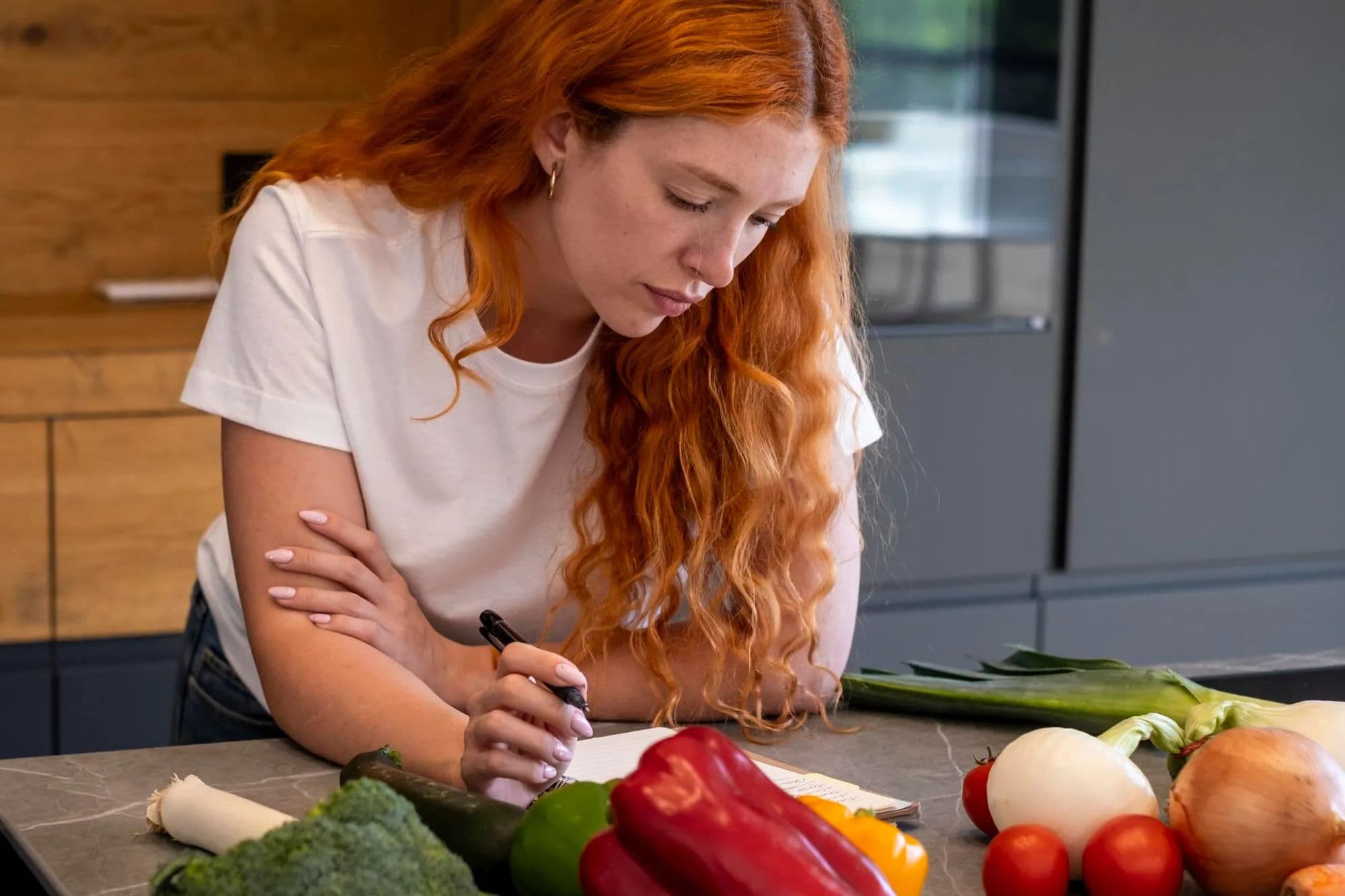
To plan meals without overbuying groceries, begin with the meals your household will actually eat at home, not with seven appealing recipes. Subtract meals away from home and existing leftovers. Leave one flexible meal unassigned, then choose dinners that share perishable ingredients.
Before shopping, convert every recipe into the number of portions you need and write quantities beside the missing ingredients. If a tempting extra, large package, or sale item has no named meal or storage plan, leave it at the store. This creates a smaller plan that can survive a changing week.
Why a full seven-day menu can create too much food
Overbuying often starts before anyone enters the store. A plan assumes every dinner will be cooked, every person will be home, and every recipe will still sound appealing several days later. The shopping list then treats those assumptions as facts.
The result is predictable: ingredients for an ambitious Thursday dinner remain untouched after plans change, a large bunch of herbs serves one recipe, and leftovers compete with the next scheduled meal. Adding more recipes does not fix this. The plan needs fewer obligations and clearer quantities.
The EPA's current guidance on preventing wasted food at home recommends building a shopping list around the number of meals you expect to eat at home, including planned restaurant meals, frozen meals, and leftovers. It also advises writing quantities on the list. Those two habits are the foundation of a realistic plan.
Step 1: Count meal slots before choosing recipes
Open the household calendar and mark only the meals that groceries must cover. Do this for breakfast and lunch if they are part of the shopping problem, not only dinner.
Make a home-meal map
For each day, note who will be home and whether the meal needs to be cooked, assembled, reheated, or taken elsewhere. A simple map might show:
Monday: two people at dinner, 30 minutes to cook;
Tuesday: one person eats out, so dinner needs three portions instead of four;
Wednesday: planned leftovers;
Thursday: late arrival, pantry or freezer backup;
Friday: dinner away from home.
Now the week needs two newly cooked dinners, one intentional leftover meal, and one backup—not five separate dinner recipes. Repeat the exercise for packed lunches and breakfasts only when you expect to prepare them.
Keep one buffer instead of filling every opening
Leave one meal flexible. It can absorb extra portions, use food that needs attention, or become the night for a shelf-stable or frozen option. A buffer prevents a surprise leftover container from becoming additional food on top of a rigid schedule.
The buffer is not an empty promise to improvise. Name two options that use ingredients already at home, such as eggs and toast, pasta and tomato sauce, bean quesadillas, or frozen soup. Do not buy a second complete set of backup groceries.
Step 2: Plan around food that already needs a job
Check the refrigerator, freezer, and pantry before deciding what to cook. Look for open packages, thawed items, ripe produce, cooked grains, and leftovers that are still within safe storage limits. Write these on a short “use first” list.
USDA MyPlate's official weekly meal-planning guidance likewise recommends checking existing food, writing down meals, and matching recipes to the time available. Focus on food most likely to be bought twice or forgotten.
Choose one or two meals that absorb the use-first items. Half a cabbage can become slaw and then join a stir-fry. Cooked rice can become a grain bowl and later fried rice.
For a quick inventory method, use How to Use Pantry Food Before Buying More Groceries. It separates “use first,” “build around,” and long-lasting backup foods so every item does not feel equally urgent.
Step 3: Choose meals that share ingredients without repeating dinner
Ingredient overlap makes a short shopping list possible, but the meals should not feel identical. Share two or three flexible components rather than forcing every recipe to use the same finished dish.
Start with anchor meals
Choose two anchor meals based on the schedule and existing food. An anchor meal uses a meaningful share of the groceries and creates a planned next use. Examples include:
roast chicken or chickpeas with vegetables, followed by wraps;
a pot of beans, followed by tacos or grain bowls;
baked vegetables, followed by pasta or a frittata;
a tomato sauce used once with pasta and once with eggs or beans.
Avoid anchors that depend on several single-use garnishes, delicate herbs, or specialty sauces.
Give every perishable ingredient two possible uses
Before adding fresh produce, dairy, meat, fish, or herbs, name its primary meal and a realistic second use. “Salad greens for Monday lunch and Thursday lunch” is a plan. “Greens because we should eat more salad” is an aspiration.
The second use should be easy to move. Spinach can join pasta, eggs, soup, or a smoothie; carrots can be roasted, grated, or served raw. Buy single-purpose ingredients in the closest practical quantity.
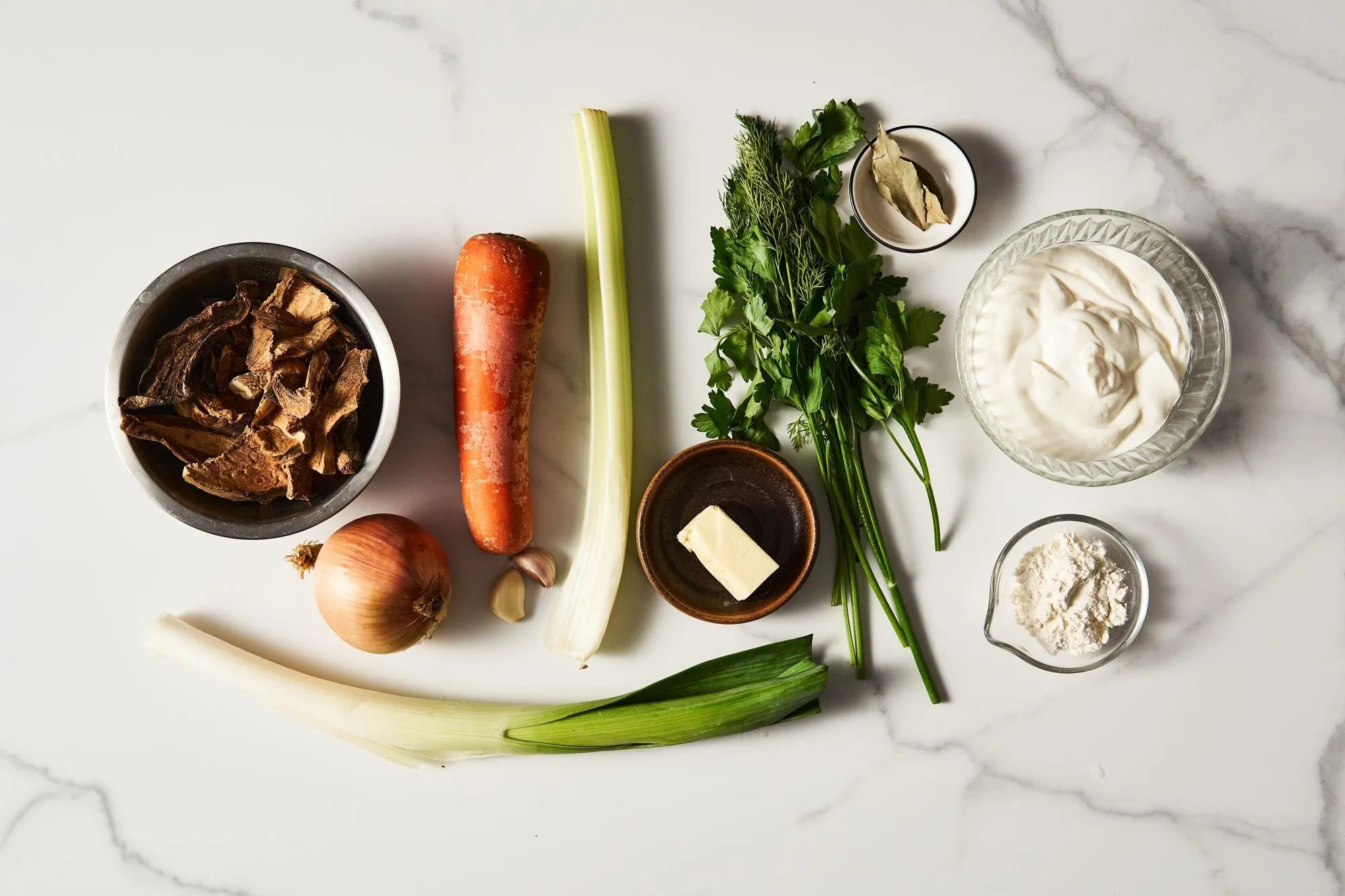
Step 4: Convert the menu into quantities before writing the list
A list that says “chicken, tomatoes, rice” does not prevent overbuying. A useful list says how much is needed and what is already available.
Calculate portions, then account for leftovers
Read each recipe's serving size and adjust it to the people who will eat the meal. If four portions will be cooked for three people, decide whether the fourth is Wednesday lunch. Do not automatically double a recipe “for leftovers” while also planning every future meal.
For ingredients used twice, total the quantities across both meals. Then subtract what is at home. If Monday needs two bell peppers and Thursday needs one, and one pepper is already in the refrigerator, the list needs two—not two packages.
Translate recipe units into packages
Stores sell packages, not recipe fractions. Compare the amount needed with the available package size before shopping:
if a recipe needs half a pack, assign the remainder to another meal;
if the smallest package is too large, choose an ingredient sold loose or frozen;
if a large pack is cheaper per unit, decide how the unused part will be stored;
if a recipe needs one unfamiliar condiment, substitute or choose a pantry staple.
Keep optional toppings in a separate part of the list. Buy them only when the core plan is covered and they have another use.
Step 5: Shop with rules that stop unplanned extras
Organize the list by store section and include quantities: “four apples,” “broccoli for two dinners,” or “one 400-gram can of beans.” Check items off as they enter the cart.
Use three stop rules:
No unnamed meal: every perishable extra must have a meal or snack in the current plan.
No duplicate category by accident: if one backup dinner is already at home, do not buy another because it is convenient.
No sale without a full-use plan: a promotion is useful only when the food will be eaten or stored properly.
EPA specifically notes that buying a large quantity or a buy-one-get-one offer saves money only if all the food is used before it spoils. Unit price matters, but usable quantity matters more.

A realistic four-night example
Imagine a household of two. Tuesday dinner is away from home, Thursday will be late, and Friday is uncertain. The refrigerator has half a cabbage, two carrots, yogurt, and cooked rice. The pantry has pasta, canned beans, and tomato sauce.
The plan could be:
Monday: roasted chicken or chickpeas, carrots, and cabbage slaw with rice; cook four portions so two become Wednesday lunch.
Wednesday: tomato-bean pasta with the remaining cabbage cooked into the sauce.
Thursday: egg fried rice or bean fried rice using the cooked rice and any suitable vegetables.
Friday buffer: leftovers if they exist; otherwise the pantry's pasta and sauce.
The list now needs only the missing anchor protein, eggs if needed, sauce ingredients, and produce gaps—not groceries for Tuesday or a fresh Friday meal that may not happen.
If the week is especially busy, start with A Simple Weekly Dinner Plan for Busy Weeknights, which assigns meals by effort and includes a deliberate backup night.
Handle sales, bulk packs, and changing plans
When a large package is the only practical choice, decide its destination before buying: current meal, second meal, freezer, or pantry. Write those destinations beside the item. “Two portions Monday, two frozen Wednesday” is more reliable than “family pack is cheaper.”
If plans change after shopping, move the most perishable safe food earlier and move shelf-stable meals later. Replace a planned meal with new leftovers rather than keeping both. Freeze suitable surplus promptly in meal-sized portions, label it, and add it to next week's inventory.
Store groceries so the plan stays visible
Put use-first foods where they can be seen. Group ingredients for the next meal, move older suitable products forward, and place flexible backups farther back. Keep a small “eat first” area for safe leftovers and opened packages.
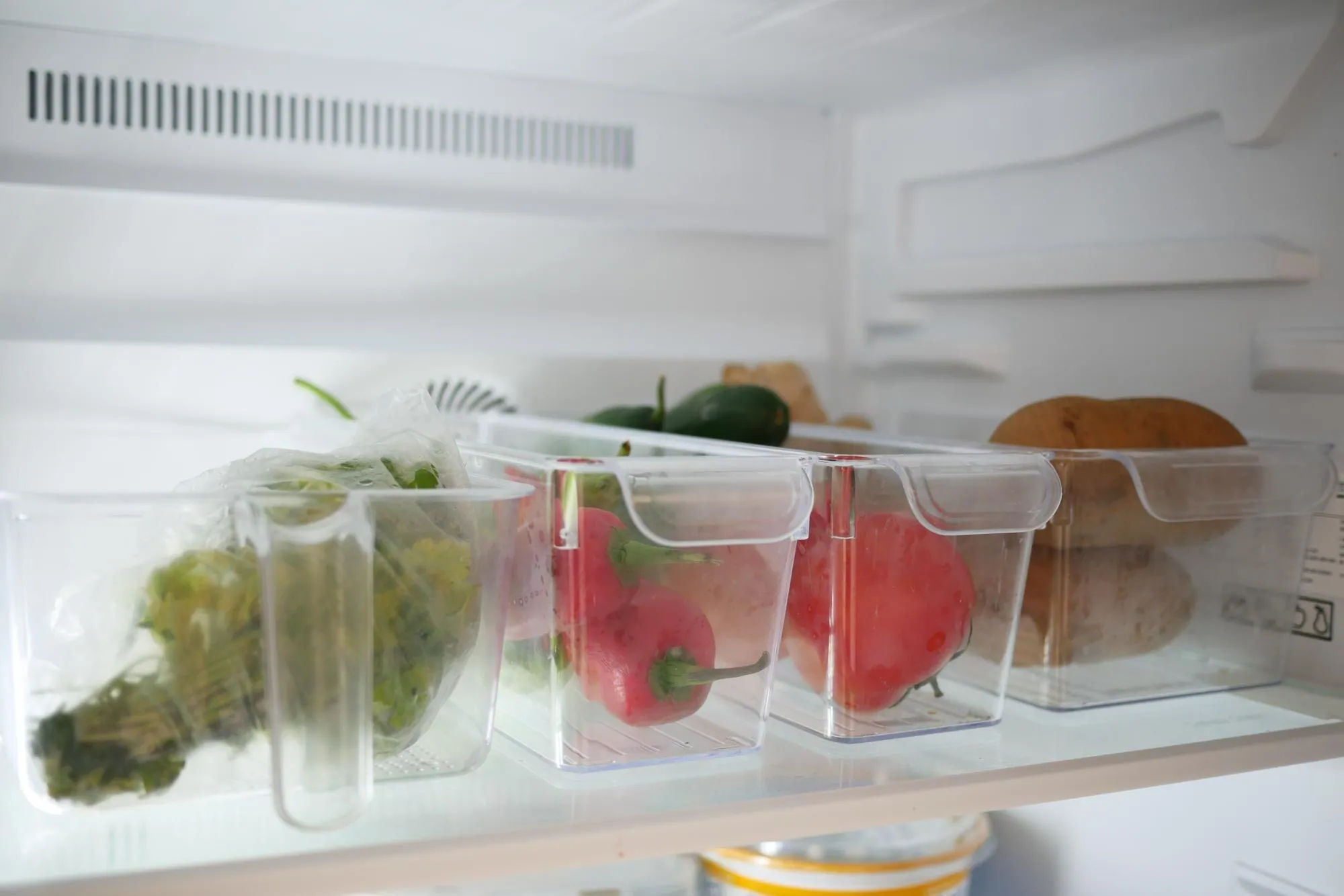
Visibility helps, but a clear container does not extend a food's safe life. Keep packaging directions, storage needs, and dates in view. Avoid washing or cutting produce early when that would shorten its useful life; preparation should follow the requirements of the specific food.
Keep planned leftovers safe
USDA Food Safety and Inspection Service guidance says to refrigerate perishable leftovers within two hours, use shallow containers for rapid cooling, keep refrigerated leftovers for three to four days, and reheat leftovers to 165°F (74°C). See the current official guidance on leftovers and food safety.
Storage time varies by food and handling. Follow the product label and the food-safety authority in your country. Do not rely on smell or appearance as the only safety test. If a planned leftover will not be used within the recommended refrigerator window, freeze it promptly when suitable rather than waiting until the last day.
How Dishday can support a realistic grocery plan
This method works with paper, a spreadsheet, or a shared note. If you want recipes, the schedule, and shopping to remain connected, Dishday's weekly meal planner can hold chosen meals by day, while its grocery-list workflow brings recipe ingredients into one list for review.
Dishday's current App Store listing also describes saved recipes, ingredient-based meal ideas, weekly planning, and a grocery list. You still need to set realistic portions, remove pantry items, combine duplicates, check allergens, confirm substitutions, and apply safe storage and cooking guidance yourself.
Frequently asked questions
How many meals should I plan before grocery shopping?
Plan only the meals you expect to eat at home before the next shop. Subtract meals out, lunches provided elsewhere, planned leftovers, and nights covered by food already in the freezer or pantry. Leave one flexible slot if your schedule often changes.
How do I know how much food to buy for a week?
Count the people eating each meal, adjust each recipe's servings, total ingredients used across recipes, and subtract what is already at home. Translate the result into the smallest practical store packages and assign any unavoidable remainder.
Is it cheaper to buy groceries in bulk?
Only when the usable quantity is cheaper. Buy bulk when you have planned uses, suitable storage, and a realistic date for using it.
How can I meal plan when my schedule changes often?
Use two anchor meals, one planned leftover, and one pantry or freezer backup rather than assigning a unique recipe to every night. Choose ingredients that can move between meals, and leave one meal slot flexible.
Should I plan leftovers as separate meals?
Yes. Give leftover portions a specific lunch or dinner slot. If you cook extra without assigning it, the leftover competes with groceries already bought for the next meal and increases the chance that one of them will be forgotten.
Can an app stop me from overbuying groceries?
An app can connect recipes, a plan, and ingredients, but it cannot know every schedule change, pantry quantity, package size, allergy, or storage condition. Review the list before shopping.
Make the next grocery trip smaller
Before the next shop, count the real meals at home and cross out one meal you were planning from habit. Choose two anchor meals, give each perishable item two possible uses, and write quantities beside the missing ingredients. Keep one flexible dinner based on food you already own.
If you want the recipes, weekly slots, and grocery list in one place, download Dishday on the App Store and review the generated list against your kitchen before you shop.